REVIEW · ANTIGUA GUATEMALA
Acatenango Volcano Overnight Hike 2-Day Camping &Fuego Views
Book on GetYourGuide →Operated by Guat2do Travel Experiences · Bookable on GetYourGuide
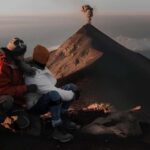
Acatenango at night is pure Guatemala. This 2-day hike is built for people who want a real volcano experience: you camp near the summit of Acatenango, and if conditions line up, you get dramatic views of Fuego Volcano’s lava glow and fumaroles. I also like that the hike is guided all the way, so you’re not guessing your footing or your timing in thin air.
The one thing to consider is that this is not a casual walk. You need strong fitness, and the nighttime cold at camp can get close to freezing, so you’ll want to show up ready, not hopeful.
In This Review
- Key things to know before you go
- What This Acatenango Overnight Really Gives You
- Day 1: Antigua to Base Camp, Then Camp Under the Stars
- Day 2: Summit Sunrise, Then the Long Descent Back to Antigua
- Fuego Volcano Viewing: What You Get Here (and What Costs Q300)
- Camping Comfort on Acatenango: Gear That Makes or Breaks the Night
- Price and Logistics: Is $150 Good Value for Two Days?
- Packing Tips That Will Save You on the Trail (Not Just on Paper)
- Who This Hike Fits Best (and Who Should Skip It)
- Should You Book This Acatenango Overnight?
- FAQ
- FAQ
- Is the Fuego Volcano visit included in the tour price?
- What food is included during the 2 days?
- What camping gear do I get?
- What should I bring for the hike?
- What is the meeting point in Antigua?
- Who is this tour not suitable for?
Key things to know before you go
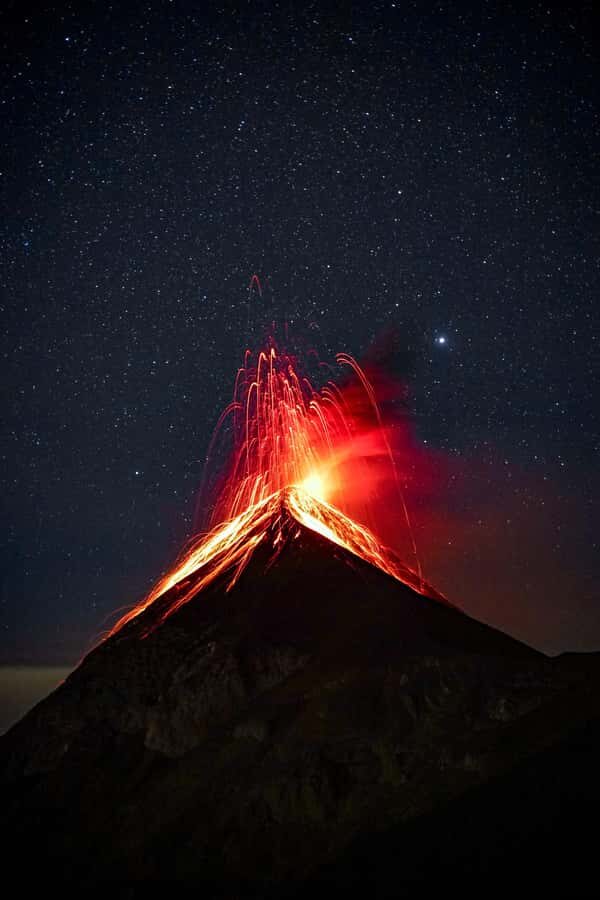
- Possible Fuego Volcano views: Lava glow and fumaroles are the main show, but it depends on conditions.
- You camp on Acatenango: Stars overhead, early mornings, and a real sense of altitude.
- Gear is included: Sleeping bag, mattress, dome-style cabin setup, plus gloves, hat, and cold-weather jacket.
- Meals are covered: Breakfast, lunch, and dinner are included across the two days.
- Plan for shared-tour timing: Pick-up can run 30 to 45 minutes later than expected.
- Fuego access costs extra: The Fuego visit itself is Q300 per person, paid directly to local guides.
What This Acatenango Overnight Really Gives You
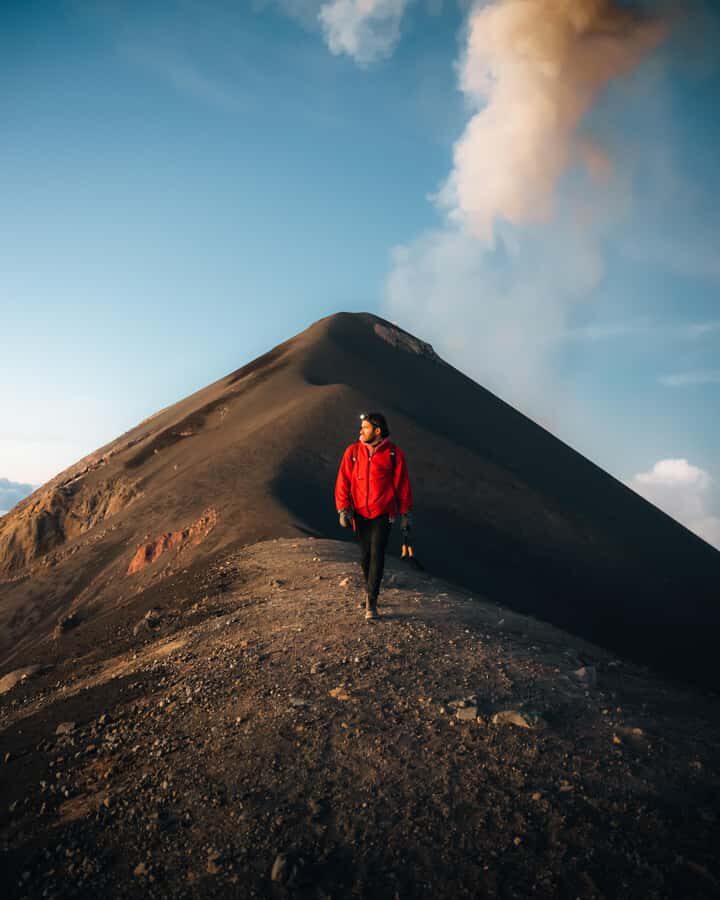
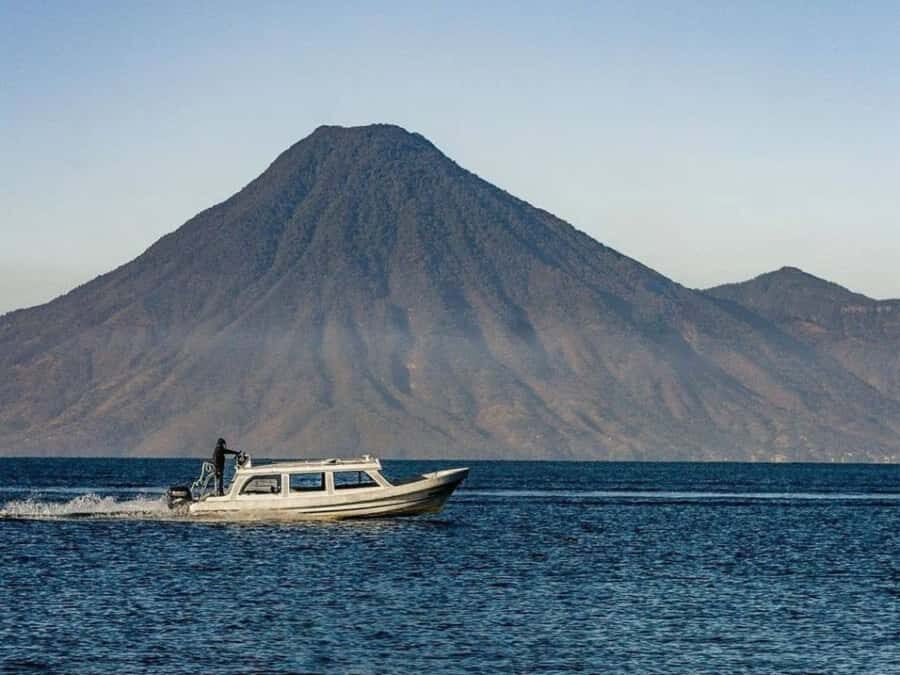
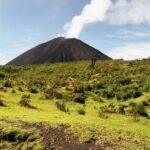
This tour sells a simple promise: you climb Acatenango, sleep near the top, and wake up for sunrise—while hoping the active neighbor, Fuego, puts on a show. What makes it special is how the itinerary is paced around those two moments. Daytime hiking gets you higher. Nighttime camping makes you part of the mountain. Sunrise is when the whole region suddenly looks sharp and dramatic.
For most people, the value isn’t just the view. It’s the structure. You get a local guide, entrance fees, and all the core camping setup, which means your energy goes into walking (and not into planning gear logistics). You also get hot chocolate and coffee, plus a headlamp—small things that matter when you’re tired and it’s cold.
The biggest “fit” question is physical. You should come in with solid fitness and comfort with steep walking. The tour is for adults and teens 13+ only, and it’s not suitable for pregnant travelers.
You can also read our reviews of more hiking tours in Antigua Guatemala
Day 1: Antigua to Base Camp, Then Camp Under the Stars
Your day starts in Antigua at Café Condesa, around La Casa del Conde, Avenida Norte 5a near the Central Park area. It’s a shared tour, so you may wait a bit longer than a private transfer would require—budget extra time if your schedule is tight.
You’ll drive to the base of Acatenango. That ride matters more than it sounds. It helps you warm up mentally and physically before the climb starts, and it gets you close enough that the hike can focus on the ascent rather than logistics.
Then comes the main rhythm:
- Begin the hike with specialized guides who lead for safety and context.
- Take a lunch break during the day hike, fueled enough to keep your pace steady.
- Reach camp in the evening, set up, relax, and eat dinner.
This is where you’ll feel the altitude and the temperature shift. Nights at camp can get near freezing, so your “warm layers” aren’t optional. The included kit helps a lot—sleeping bag, mattress, dome-style cabin setup, and warm accessories like gloves, a hat, and a cold-weather jacket. Still, you’ll want to add your own layers based on what the tour asks you to bring.
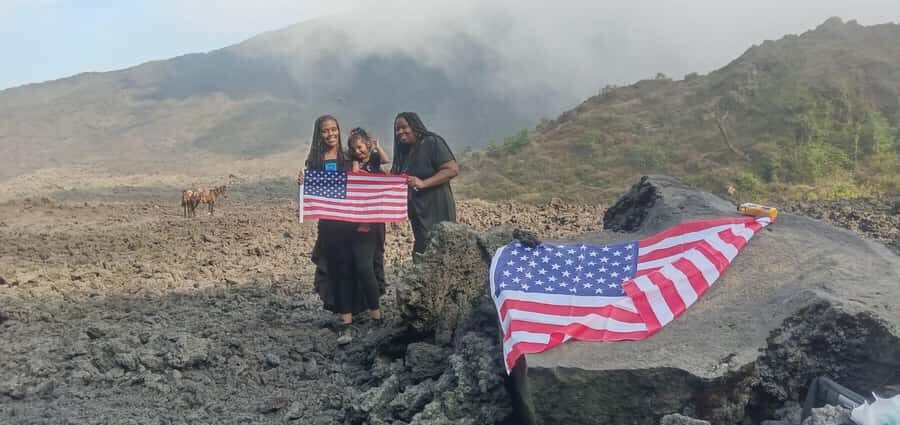
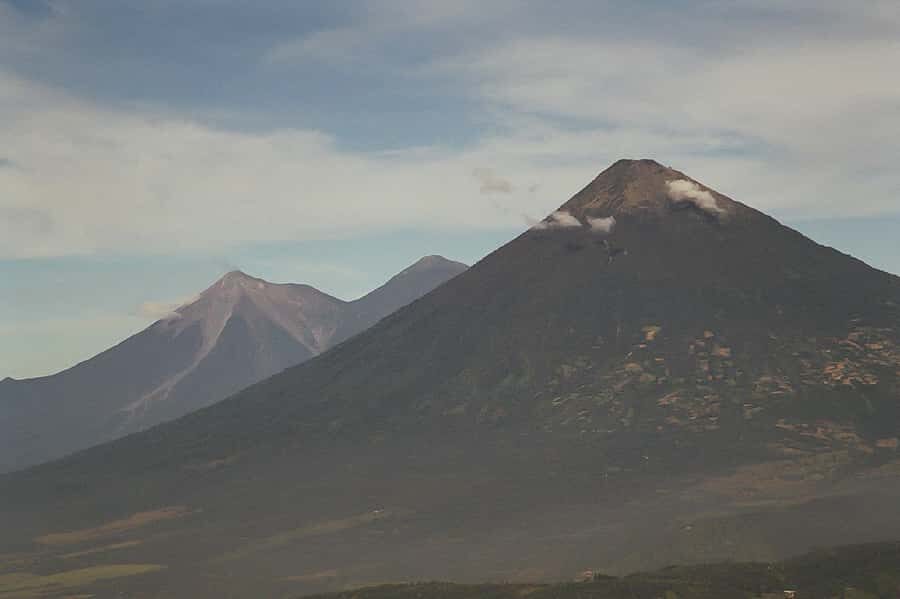
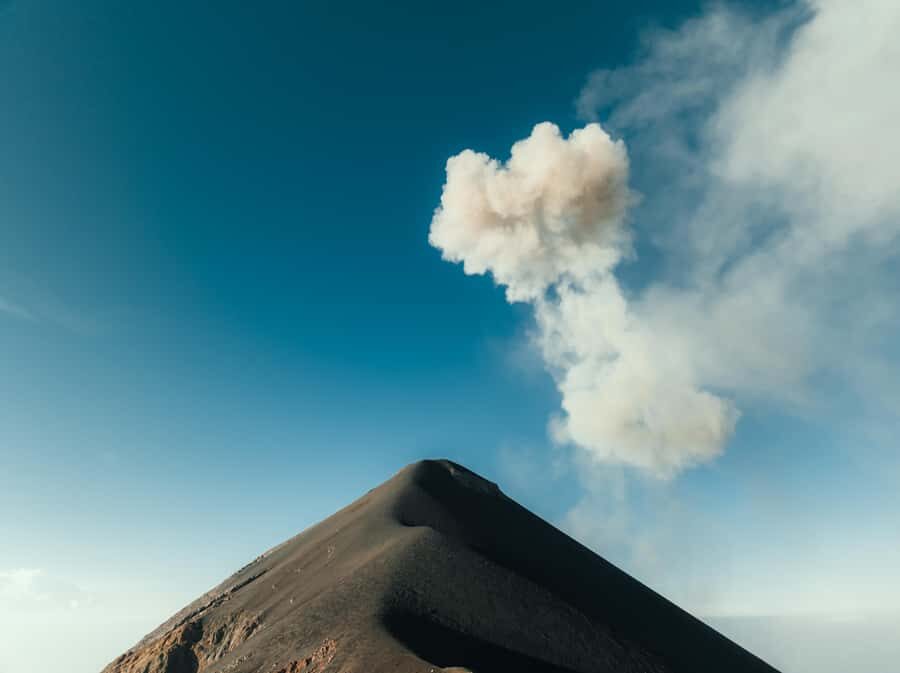
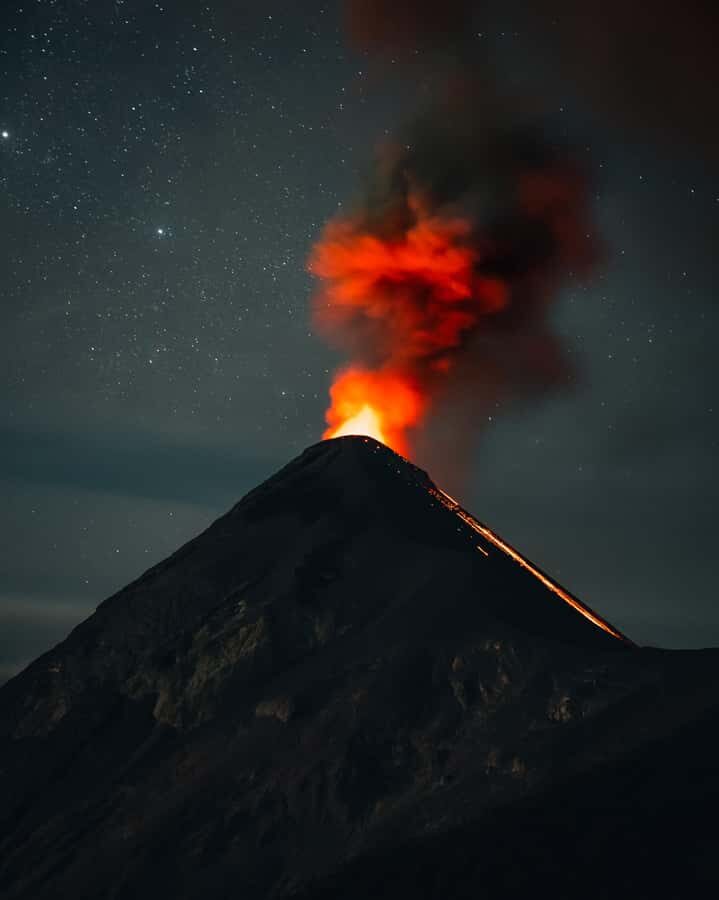
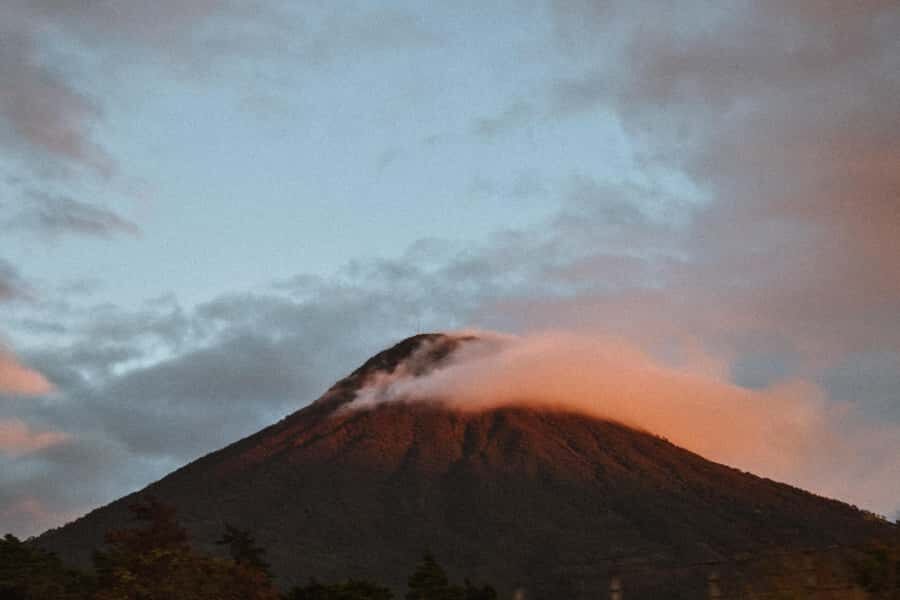
And then you wait for the night to settle. If you’re lucky, the mountain delivers Fuego’s glow and fumaroles. Even when the big eruption moment isn’t visible, there’s still something striking about seeing active volcanic activity from a safe distance.
Practical note: you’ll likely spend more time standing and looking than you expect once it’s dark. Keep your camera ready, but also remember: your body is working overtime at altitude, and cold makes it easier to get tired fast.
Day 2: Summit Sunrise, Then the Long Descent Back to Antigua
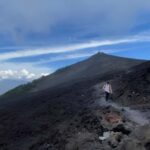
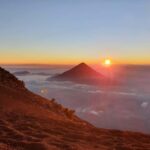
Day 2 is built around the sunrise. You wake early, then hike up to the summit area for the early light that brings the volcanic peaks into focus. It’s a classic mountain payoff: cold start, slow push upward, and then the sky opens into something you’ll remember long after your legs cool down.
After sunrise viewing, there’s breakfast with the panoramic views still working their magic. This is one of the best moments in the itinerary because you can finally breathe more normally. Your body is still at altitude, but you’re no longer in the hardest part of the climb.
Then it’s time to descend. Descents can feel easier than ascents in theory, but your knees and ankles do the work differently. You’ll want boots or trekking shoes with solid grip—no sandals. The tour asks you for hiking boots or trekking shoes, and that’s advice you’ll be glad you followed the moment the trail gets uneven.
Once you’re back at the base, you drive back toward Antigua and you’re dropped off at Café Condesa again. That makes the rest of your day easier: you can rest, shower, eat, and then continue exploring Antigua without needing extra transportation planning.
Fuego Volcano Viewing: What You Get Here (and What Costs Q300)
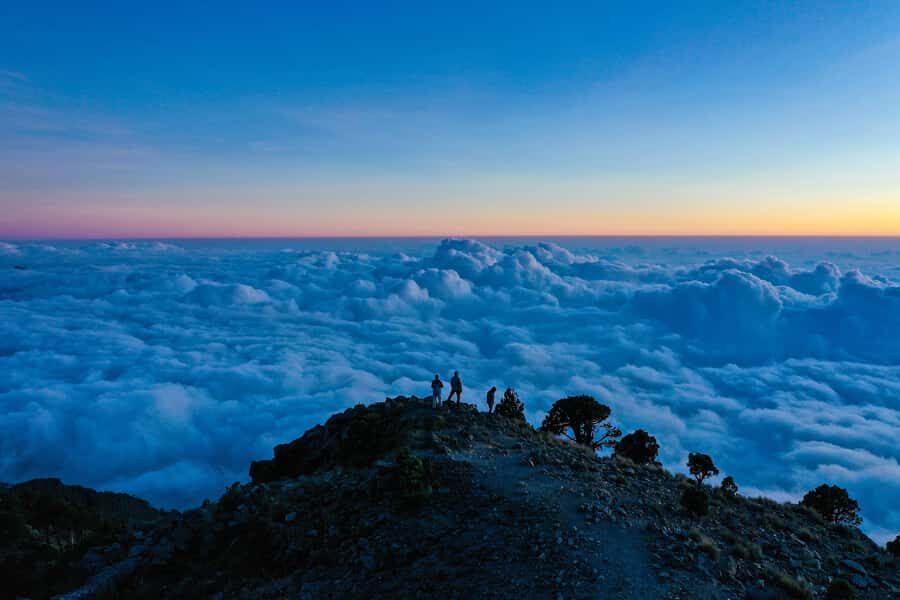
Here’s the clear breakdown. Your Acatenango hike includes the main overnight camping and the potential for seeing Fuego’s lava glow and fumaroles as part of the experience. But the specific visit to Fuego Volcano costs extra: Q300 per person, paid directly to the local guides.
That matters for two reasons. First, it keeps you from being surprised at the moment you want to budget. Second, it helps you decide your expectations. You can book for the Acatenango overnight and still get the signature volcano atmosphere. If you want to add the Fuego visit option, you should plan for the extra cost.
Also, timing matters. Volcanic viewing depends on conditions, visibility, and how the guides position the group. You can’t force the eruption to match your photo schedule—so it’s smart to travel with flexibility.
Camping Comfort on Acatenango: Gear That Makes or Breaks the Night
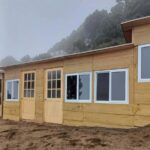
Overnight hikes are either miserable or memorable, and camping setup is the difference. This tour includes camping equipment: a sleeping bag, a comfortable mattress, and a dome-type cabin for sleeping. It also includes practical cold-weather support items like gloves, a hat, and a cold-weather jacket.
Those inclusions are meaningful because the night is where most people either bounce back or regret everything. Near-freezing temperatures take energy to manage, and the body doesn’t like being cold when it’s already working at altitude. If you arrive under-prepared, you’ll feel it quickly.
You’re also given a headlamp, which is a big deal for moving around after dark. Even if you’re not hiking at night, you’ll still be adjusting gear, using the wash setup if needed, and keeping your routine manageable.
Another helpful point: you only need to bring the personal items listed by the tour. The food, water bottles, and utensils are packed for you and prepared to go in your backpack while you’re at the base camp. That means less carrying for you on the ascent. You still need a big backpack—50L+ with a rain cover—so the system works, but you’re not stuck trying to improvise organization at the last second.
A few more Antigua Guatemala tours and experiences worth a look
Price and Logistics: Is $150 Good Value for Two Days?
At $150 per person for two days, the question isn’t whether it’s cheap. It’s whether you’re getting the main cost drivers.
Here’s what’s included:
- Meals: breakfast x1, lunch x1, dinner x1
- All volcano entrance fees
- Local guide
- Camping equipment (sleeping bag, mattress, dome cabin setup)
- Cold-weather add-ons (gloves, hat, jacket)
- Hot chocolate and coffee
- Headlamp
When you look at it like that, the price starts to feel more grounded. You’re paying for guide time, entrance access, and the fact that you don’t have to rent or buy the entire cold-weather camping system.
That said, you should be aware of one practical value concern that can come up in group tours. One person reported feeling that sharing a tent didn’t match the perceived pricing fairness, after noticing different costs among people in the same shared setup. You can’t control how other people booked, but you can reduce your stress by booking with clear expectations: group hikes can mean shared equipment arrangements and variable group dynamics.
Also, be ready for shared-tour timing. Pick-up may arrive 30 to 45 minutes later than scheduled. If you’re trying to catch a dinner reservation in Antigua right after, give yourself a buffer.
Packing Tips That Will Save You on the Trail (Not Just on Paper)
The packing list is solid, and you’ll use most of it. Here are the items I’d treat as non-negotiable:
- Water: Bring 4 liters minimum. Altitude plus exertion dries you out, and water becomes part of altitude management. If you’re unsure about where to refill, don’t gamble—carry enough.
- Footwear: Hiking boots or trekking shoes only. The tour specifically calls out no sandals. It’s not about style; it’s about grip on steep, rocky footing.
- Cold protection: Windbreaker plus a warm layer. Night temperatures at camp can be close to freezing.
- Rain protection: Rain jacket (weather can change fast).
- Headlamp: Included, but make sure it works and stays charged if you bring a spare battery.
- Backpack size: 50L+ with a rain cover. This matters because your gear system depends on it.
One practical “ask your guide” tip: make sure you know the last place to buy water or snacks on your schedule. One hiker found the last chance to stock up wasn’t clearly explained. A simple move helps: ask your guide when you’ll have the final stop for water or snacks, then pack enough that you can get through camp and the summit push without last-minute scrambling.
Snacks matter too. Even with lunch and breakfast/dinner included, extra bites help you keep your pace steady during the hardest stretches. Bring camera gear if you want photos, but also bring sunscreen and sunglasses—the sun at altitude can be rough.
Who This Hike Fits Best (and Who Should Skip It)
This tour fits best if you:
- have strong physical fitness
- are comfortable with early wake-ups and cold conditions
- want a guided, structured two-day adventure with camping support
- care most about the sunrise experience and the chance to see Fuego’s activity from Acatenango
It does not fit if you:
- are under 13
- are pregnant
- have a low fitness level
Also think honestly about logistics. If you’re sensitive to steep hikes or worried about altitude discomfort, don’t “test it” with this one. Choose a day hike or something lower for your first Guatemala volcano experience.
Should You Book This Acatenango Overnight?
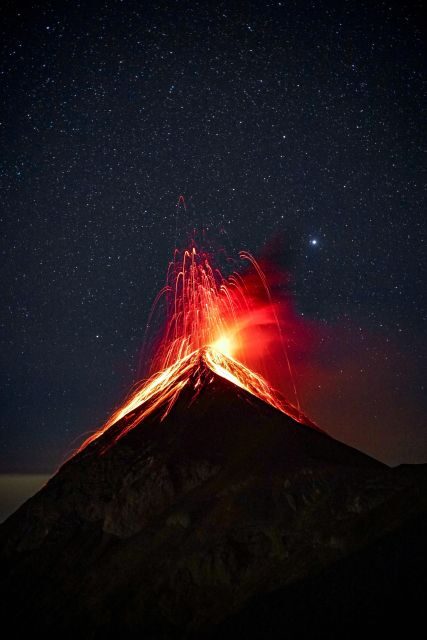
Book it if you want the classic Guatemala volcano package: overnight stars + sunrise + a guided climb + real volcano views, with camping comfort handled for you. The included gear and meals make it a smoother trip than doing it independently with rentals and unclear planning.
Skip or choose an easier alternative if you can’t commit to the fitness and cold. This itinerary asks your body to work hard, and the payoff depends on you being able to get up early and stay warm.
If you’re on the fence, here’s your deciding checklist:
- You can comfortably hike steep terrain for extended stretches.
- You’ll bring 4 liters of water minimum.
- You have proper hiking shoes and warm layers for near-freezing nights.
- You’re okay with possible extra cost for the Fuego visit (Q300 per person).
FAQ
FAQ
Is the Fuego Volcano visit included in the tour price?
No. The Acatenango overnight includes the chance to see Fuego’s activity from camp, but the actual visit to Fuego costs Q300 per person. You pay that directly to the local guides.
What food is included during the 2 days?
Breakfast is included once, lunch is included once, and dinner is included once across the two days.
What camping gear do I get?
Camping equipment is included, including a sleeping bag, a comfortable mattress, and dome-type cabin camping setup. You also get a headlamp.
What should I bring for the hike?
Bring passport or ID, a windbreaker, hat, and hiking shoes. You should also bring at least 4 liters of water, a rain jacket, warm layers for freezing nighttime temperatures, snacks, camera/sunglasses/sunscreen, toiletries or medications, and a large-capacity backpack (50L+) with a rain cover.
What is the meeting point in Antigua?
The meeting point is Café Condesa, near La Casa del Conde, Avenida Norte 5a, Antigua Guatemala. The tour staff will meet you there in the Central Park surroundings.
Who is this tour not suitable for?
It is not suitable for children under 13, pregnant women, or people with a low level of fitness.