REVIEW · ANTIGUA GUATEMALA
From Antigua: Pacaya Volcano Trek
Book on GetYourGuide →Operated by Marvelus Travel · Bookable on GetYourGuide
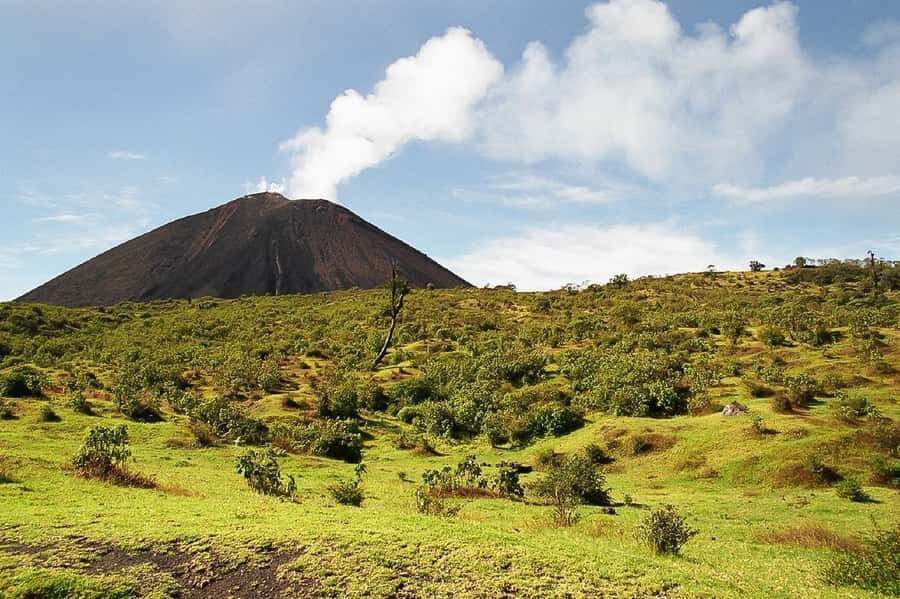
Pacaya has a way of making Guatemala feel real, fast. This hike from Antigua mixes an approachable walk with volcanic weirdness you can’t fake, including steam vents, red-hot lava views (when active), and that unmistakable sulfur cone scene.
I love the focus on the hike itself: you get guided pacing with regular breaks, plus the fun little ritual of roasting marshmallows using the volcano’s heat.
The one drawback to plan for is the steepness. This is an incline climb, and the road up can be bumpy, so motion sickness and knee strain are the main things to manage.
In This Review
- Key highlights you’ll actually notice
- Pacaya Volcano Trek From Antigua: the “worth it” kind of half-day
- Getting to the volcano: pickup and a shared van ride that sets the tone
- The hike to the summit: pine forests, steep effort, and guided pacing
- Red-hot lava views and steam baths: what Pacaya lets you see
- Summit panorama: Agua, Fuego, Acatenango, and far-off El Salvador
- Marshmallows and guide energy: small moments that land big
- Descent and optional horses: protecting knees on the way back
- Price and value: how $23 stacks up once you know the real costs
- What to bring for Pacaya: the simple list that prevents headaches
- Who should book this and who should skip it
- Should you book the Pacaya Volcano Trek from Antigua?
- FAQ
- How long is the Pacaya Volcano trek from Antigua?
- How far do you hike during the trek?
- Is the crater visit included?
- What’s included in the tour price?
- Do you need to pay an entrance fee?
- What should I bring?
- Is alcohol or pets allowed?
Key highlights you’ll actually notice
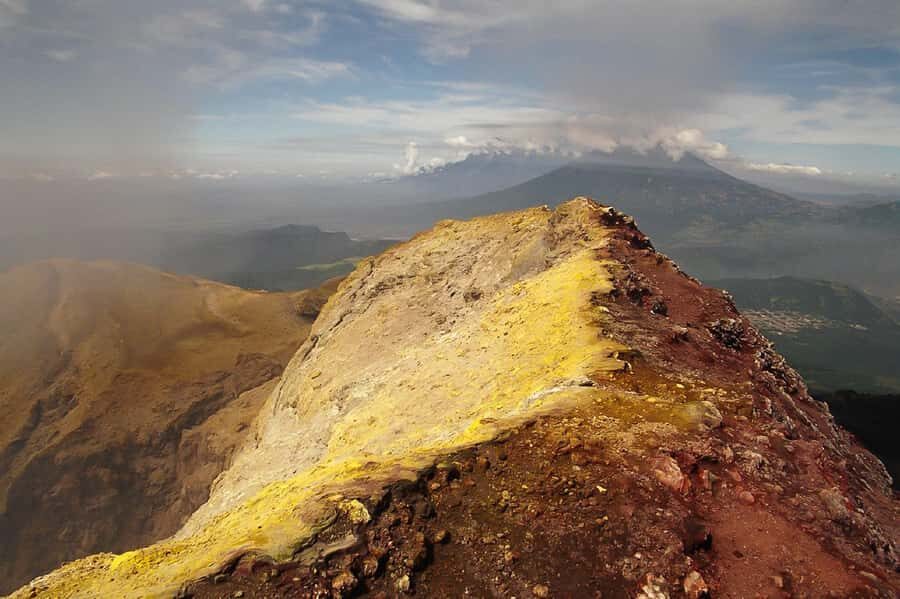
- Summit views of three volcanoes (Agua, Fuego, Acatenango) plus far-off El Salvador on clear days
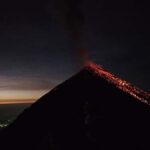
- Red-hot lava and steam baths if Pacaya is active that day
- Pine forest hiking with an ash-and-sulfur stretch that feels more volcanic than the brochures
- Guide-led safety and info stops so you’re not just walking in silence
- Roasted marshmallows made with heat from the ground
- Horse option for the tough parts when your legs say, nope
Pacaya Volcano Trek From Antigua: the “worth it” kind of half-day
If you’re using Antigua as your base, Pacaya is one of the best bang-for-your-day trips you can do. It’s long enough to feel like a true adventure (not a quick photo stop), but it’s short enough to still leave you energy for lunch back in town.
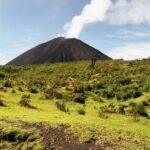
The reason I like this trek is that it’s not only about reaching the top. You’ll hike through different “moods” of terrain, from cooler pine shade to volcanic ash and steam, and you’ll end up looking out over an entire volcano system. On a clear morning, the summit can feel like standing on the edge of Guatemala’s map.
Just know this: the volcano doesn’t offer a crater walk. You’re there for big views and close-up heat, not for crawling inside. That keeps things safer and makes the experience more about what you can see from the route you’re allowed to take.
You can also read our reviews of more hiking tours in Antigua Guatemala
Getting to the volcano: pickup and a shared van ride that sets the tone
You’ll start with hotel pickup in Antigua. Your driver meets you at a scheduled time at your selected pickup spot, and the ride is in a shared minivan. Depending on where you’re staying, you might be picked up first or last.
Then comes the transfer: roughly one hour from Antigua to Pacaya’s area. This drive matters because it sets your whole experience. If you’re prone to motion sickness, the roads can feel rough and twisty. I’d rather you be prepared than miserable for the first hour of the day.
Also, keep your expectations simple at the pickup point. Shared vans and multiple operators can mean a bit of chaos with people and clipboards. Arrive a little early, confirm your name with the driver or guide group, and don’t wait until the last minute to get your hat and water ready.
The hike to the summit: pine forests, steep effort, and guided pacing
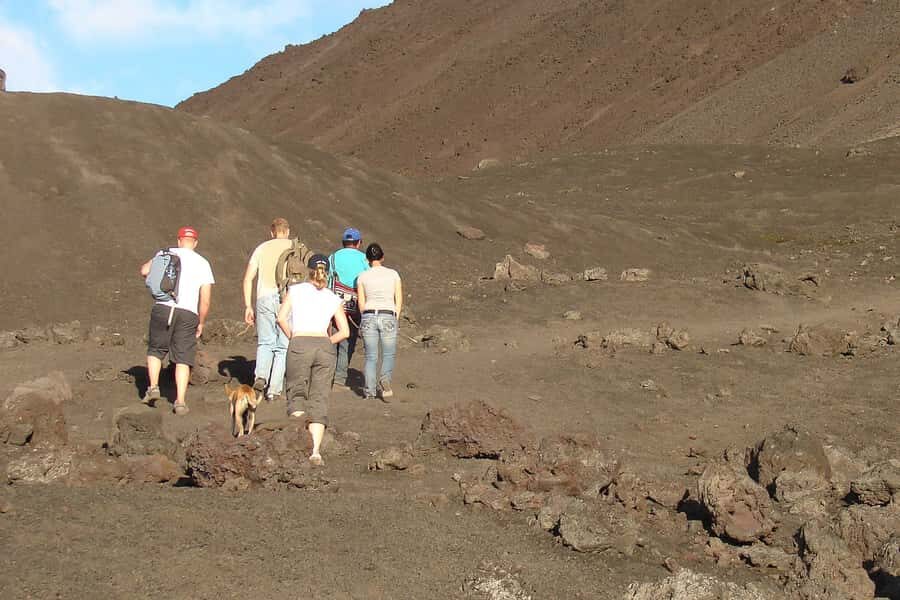
Once you arrive near the base, you immediately start hiking. The climb up is about two hours to the summit area, and it’s mostly uphill. The pace feels reasonable because you’re not just left to suffer alone. A local guide leads the group and keeps stops frequent enough that slower walkers aren’t left behind.
The route starts with a hike through pine forests, which is a nice change from the usual “volcano = bare rock” assumption. You get that shaded, forest smell first, and it helps your breathing while the elevation ramps up.
Then the trail shifts into more serious volcanic terrain. You’ll hit a trickier ash section, and it’s the kind of ground where your footing changes. Watch your steps, plant your shoes firmly, and use trekking poles if you have them. Downhill later will feel even more in your knees, so treat your stance carefully.
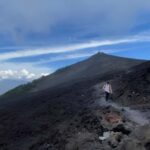
From there, you continue toward the sulfur-smelling summit cone area. The closer you get, the more the volcano vibe takes over: heat, steam, and the feeling that you’re walking on the edge of something alive.
Red-hot lava views and steam baths: what Pacaya lets you see
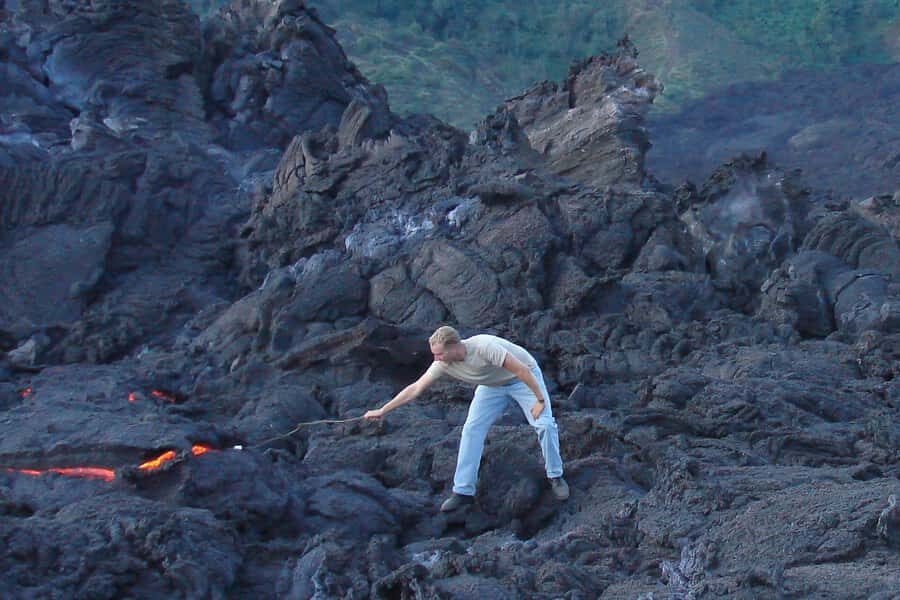
Pacaya can be active in different ways depending on the day, and your view depends on real-time conditions. When it’s showing off, you might see small eruptions and lava flowing from areas in the permitted viewing route.
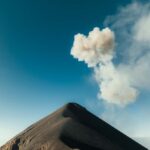
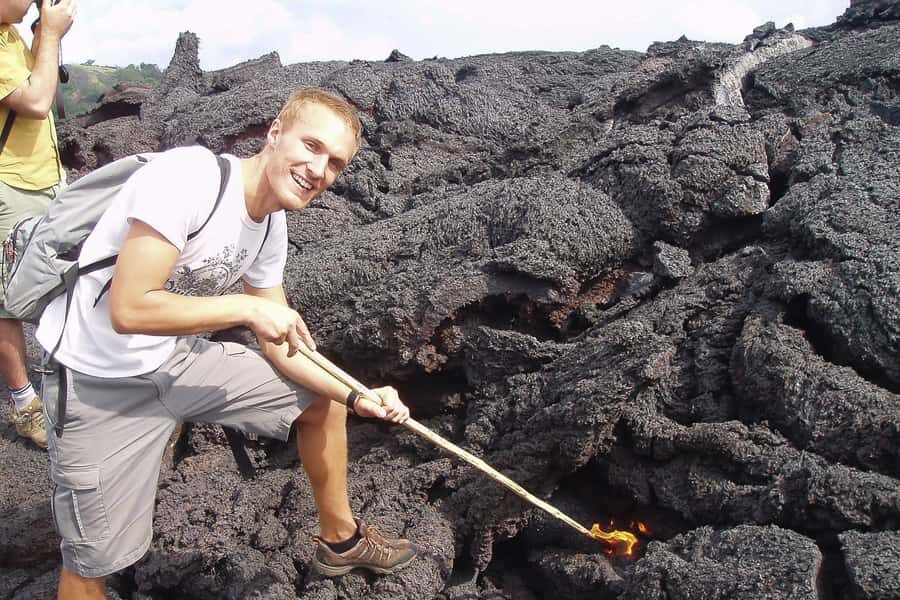
What’s consistent is the heat. Even when red lava isn’t visible, you’ll still get the feeling of working with a live system. That steam you’ll notice along the climb is part of what makes Pacaya memorable: it’s like the mountain is breathing.
One important limit: you won’t be allowed to go into the crater. That’s not a deal-breaker for most people, because your best payoff is the close-up heat experience plus the big summit panorama. Still, it helps to know the goal up front so you don’t hope for a crater-level look.
Summit panorama: Agua, Fuego, Acatenango, and far-off El Salvador
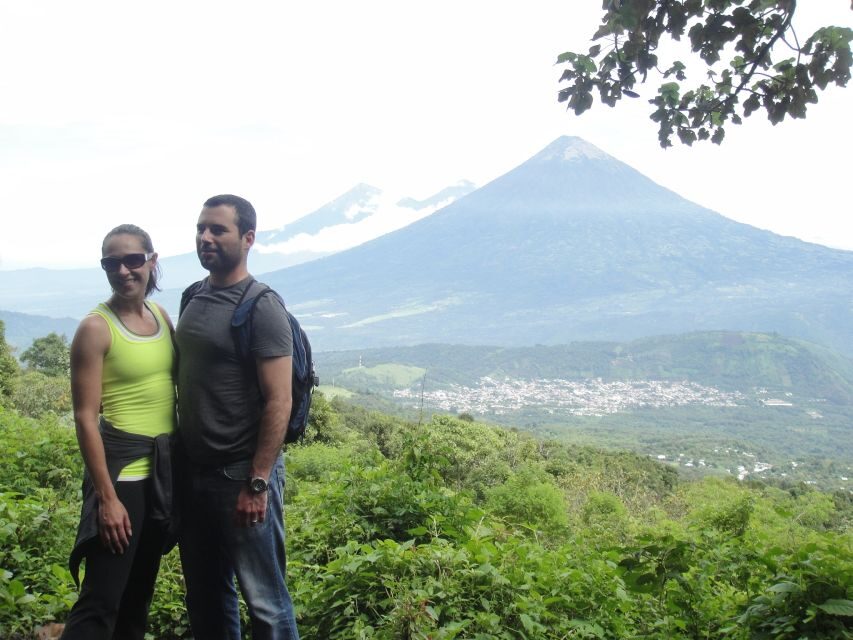
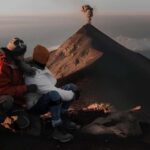
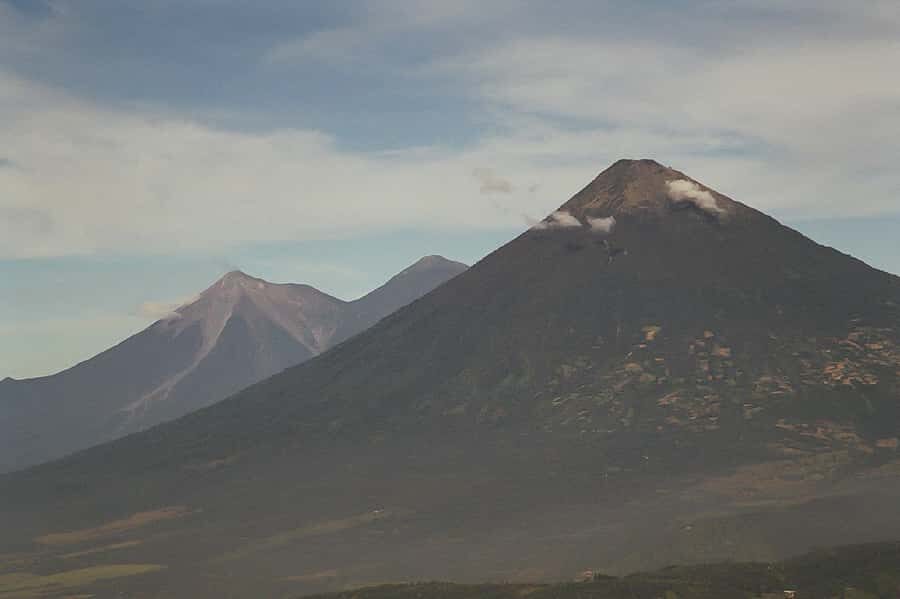
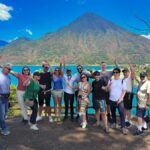
When you reach the summit area, the views are the headline. On a clear day, you can look out to nearby volcanoes including Agua, Fuego, and Acatenango. You can also see the Pacific lowlands, and in good visibility conditions, the view can extend toward El Salvador.
This is where timing and sky matter. If clouds roll in, you might get a partial view. But even then, the steam and volcanic features keep it interesting. I’d still recommend booking a time when you have the best odds of clarity, because the summit is the moment you’ll talk about later.
Also, pack for temperature swings. A hike that starts crisp can feel different once you’re working uphill and later when you’re descending. A light jacket can be worth it, especially if your pickup is early or your day gets cloudy.

Marshmallows and guide energy: small moments that land big
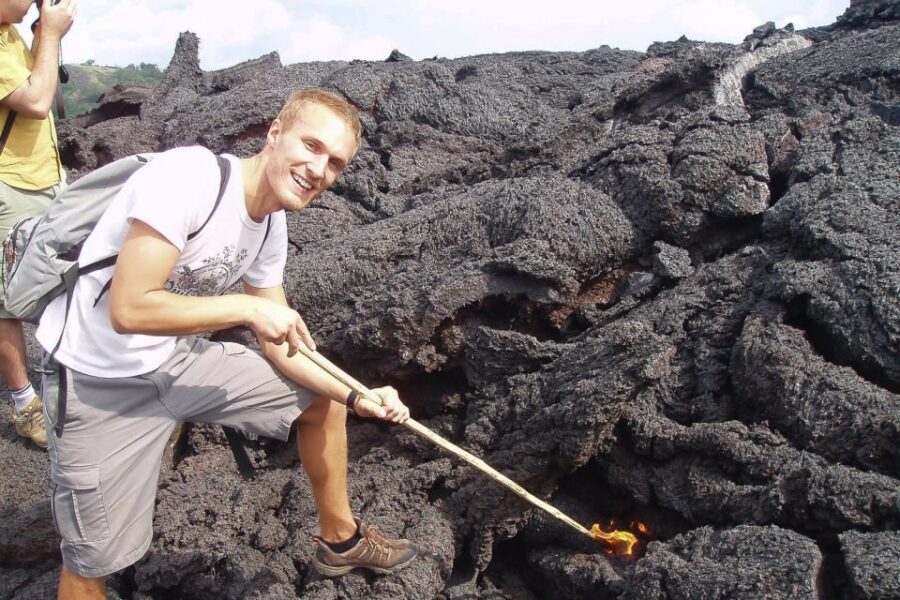
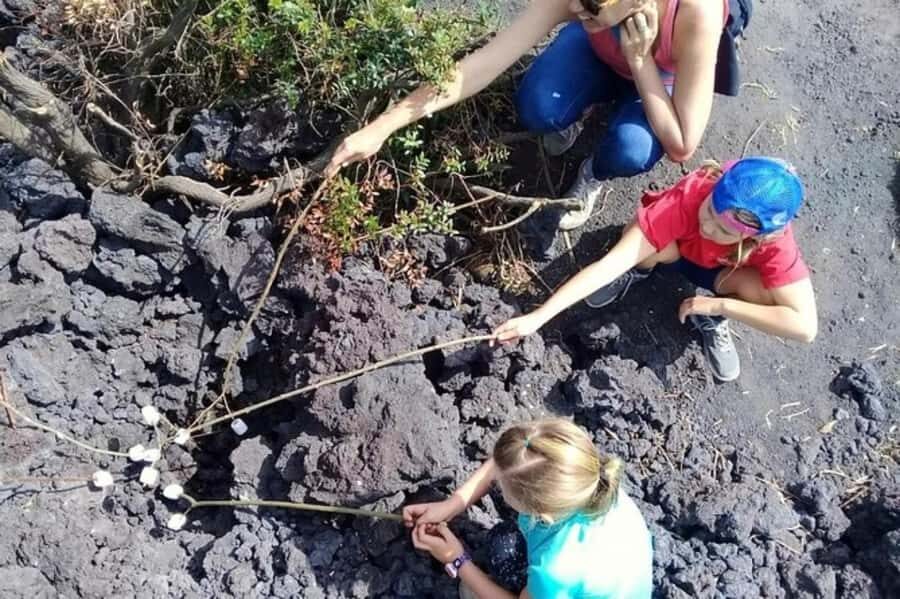
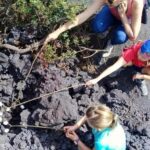
The tour includes roasted marshmallows on the volcano’s heat. It’s one of those “sounds silly” ideas that actually becomes a highlight. The heat from the ground warms and toasts the marshmallows in a way you can’t replicate elsewhere. It’s fun, it’s memorable, and it’s a great break point without making the day drag.
The other “small but big” element is the guide. You’ll have a local guide leading you, and the experience runs in English and Spanish. Some guides build the hike around teaching—plants, volcano behavior, and local context—while also keeping the group moving at a safe pace.
I’ve seen this tour work well with guides like Carlos, Leslie, and Roberto mentioned by different groups. That usually means two things: you get good control of the trail, and you’re not just pushed forward. Your questions get handled, and your group stays together.
Descent and optional horses: protecting knees on the way back
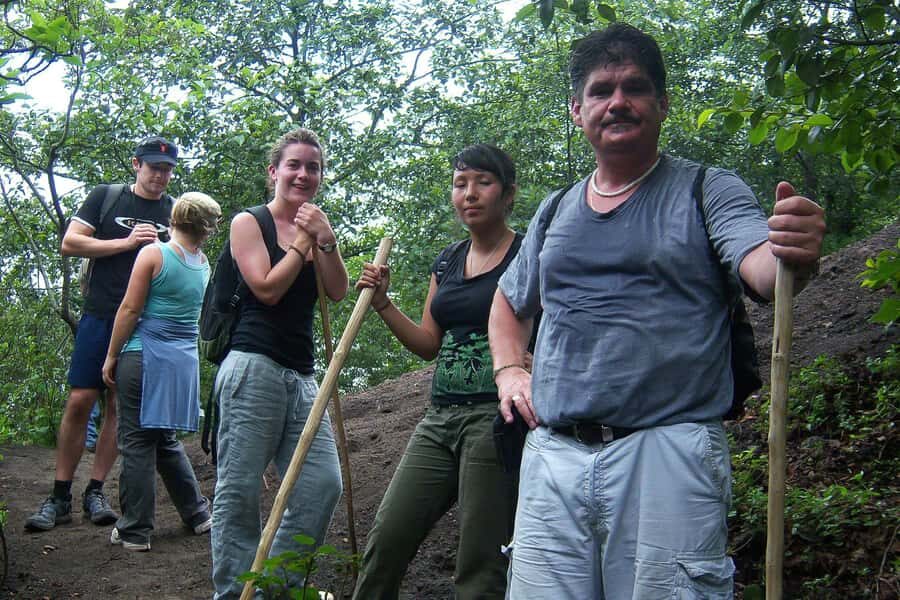
Going down is often harder on your body than the climb up. The downhill can jolt your knees, especially on rocky or uneven sections. You’ll feel this most if you’ve pushed hard uphill or if your shoes don’t have much grip.
This is also where the tour gets flexible. If your legs are cooked, you can often arrange a horse ride for the tough stretch(s) rather than forcing yourself to walk the whole way. Some travelers mention a rough one-way cost (for example, Q100 one way), so if you think you might need it, bring cash and don’t assume it’s free.
If you do walk down, take it slow on the ash and rougher bits. Short steps help. If you brought trekking poles, now’s the time to use them.
Price and value: how $23 stacks up once you know the real costs
The headline price is around $23 per person, and for a volcano hike with hotel pickup and a local guide, that’s strong value. The tour includes round-trip transport between Antigua and the volcano area, plus the guide and the marshmallows.
But don’t ignore the extra costs. There’s an entrance fee not included (listed as Q100 per person). Food isn’t included either, so plan to eat before you go or budget for lunch when you return to Antigua.
If you’re comparing options, this one makes sense if you want:
- guided hiking with a clear route,
- a real volcano view experience,
- and a day that still leaves you time to do other Antigua activities afterward.
If you’re trying to do the cheapest possible day with no extra guide or transport, then sure, you may find alternatives. But for most people, the guide-led pacing and the marshmallow heat moment push this into the practical sweet spot.
What to bring for Pacaya: the simple list that prevents headaches
This hike is basic in concept, but it rewards good prep. Bring:
- Comfortable shoes with good grip
- Sunglasses and a sun hat
- Camera (you’ll want the summit shots)
- Water (enough for the day)
- Cash (entrance fee and any optional add-ons)
A few smart add-ons based on how days can feel in the field:
- Bug spray, if you’re sensitive to bites around the route and stops
- Motion sickness help if you know the ride affects you
- A headlamp only if your schedule puts part of the descent back near darker conditions
Also, skip alcohol. The tour information lists alcohol and drugs as not allowed, and you’ll enjoy yourself more when you’re focused on the climb and views instead of fighting the basics.
Who should book this and who should skip it
This trek is best for people who can handle a steep, steady incline. It’s typically described as medium to hard by many hikers, largely because of the uphill angle and the altitude effect.
Not suitable for:
- pregnant women
- people with mobility impairments
- kids under 4 and adults over 80 (safety limits are stated)
And if you’re traveling with pets, leave them at home. Pets aren’t allowed.
If you fall in the “I walk regularly and I’m okay with a tough uphill” category, you’ll likely have a great day. If you’re unsure about your fitness for steep ground, bring the option of horses into your plan early.
Should you book the Pacaya Volcano Trek from Antigua?
I’d book this if you want a volcano hike that feels real but not endless. The mix of pine forest climbing, volcanic ash terrain, steam and lava viewing when conditions allow, and that marshmallow moment makes it a memorable Antigua day trip without turning into a full-day endurance test.
I’d think twice if you:
- have knee issues or need very gentle terrain,
- get motion sick on bumpy rides,
- or you’re hoping for crater access or an easy, flat walk.
If you’re on the fence, pick your time for better sky if you can, and show up ready to take your pace seriously. Pacaya rewards the people who slow down enough to notice what the mountain is doing.
FAQ
How long is the Pacaya Volcano trek from Antigua?
The activity is listed as 6 hours total.
How far do you hike during the trek?
The hike to the summit is described as about 2 hours of walking, followed by time at the top and then a hike back down.
Is the crater visit included?
No. You won’t be able to visit the crater, but you’ll still get major views and steam/heat experience.
What’s included in the tour price?
Included are hotel pickup and drop-off, round trip transport between Antigua and the volcano area, a local guide, and marshmallows to roast on the volcano.
Do you need to pay an entrance fee?
Yes. An entrance fee (Q. 100.00 per person) is not included.
What should I bring?
Bring comfortable shoes, sunglasses, a sun hat, a camera, water, and cash.
Is alcohol or pets allowed?
No. Alcohol and drugs are not allowed, and pets are not allowed.