REVIEW · ANTIGUA GUATEMALA
From Antigua: Pacaya Volcano Tour in English/Spanish
Book on GetYourGuide →Operated by Volcano Expeditions · Bookable on GetYourGuide
Pacaya is thunder you can feel. This is a guided hike up a real active volcano, with steam vents and big views of nearby peaks. You’ll also get a hands-on lava moment with toasted marshmallows warmed over volcanic heat.
I like that the route is guided and paced for real bodies, not just speed hikers. You’ll work through forest and then rocky, hardened lava paths toward the plateau, with a crater view and sweeping panoramas of Agua, Fuego, and Acatenango.
One thing to plan for: the hike is steeper and more tiring than it looks from Antigua, and the bus ride can mean tight seating when the group is big.
In This Review
- Key Things You’ll Notice on Pacaya
- From Antigua to Pacaya: What the Day Really Feels Like
- Pickup, Bus Ride, and Group Vibes (Plan for the Real World)
- The Hike Begins: Forest Steps to Volcanic Terrain
- At the Plateau: Crater View, Steam Baths, and Real Heat
- The Lava Field Marshmallows: Funny, Simple, and Actually Unique
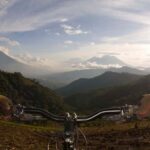
- The Views of Agua, Fuego, and Acatenango (When the Sky Plays Nice)
- Going Up One Way, Coming Down Another: Why the Descent Matters
- Difficulty Level: Not Long, But It Can Be Tough
- Horses and Walking Sticks: Optional Help, Not a Failure
- What You’ll Pay: Value Breakdown for This $23 Tour
- Bring List That Actually Helps (Not Just Checklist Stuff)
- Who This Tour Fits Best (And Who Should Skip)
- The Best Parts to Prioritize on the Day
- Should You Book Pacaya From Antigua?
- FAQ
- How long is the Pacaya Volcano tour from Antigua?
- Is hotel pickup and drop-off included?
- Do I need to pay an entrance fee?
- What language is the guide?
- Are marshmallows included?
- What should I bring for the hike?
- Is a horse ride allowed or optional?
- Is the tour suitable for wheelchair users or pregnant women?
- Are pets allowed?
Key Things You’ll Notice on Pacaya
- Guided pacing: Rest stops are built in, and guides like Carlos and Karina have a strong reputation for slowing the group down when needed.
- A true active-volcano feel: You’ll spot steam baths and heated vents across the lava field, not just a scenic lookout.
- Views that depend on clouds: When the sky clears, the volcano panorama hits hard; when it’s cloudy, you’ll still learn a lot and enjoy the terrain.
- Up one side, down another: The descent feels different from the climb, so it’s less of the same steep grind twice.
- Marshmallows are a science experiment: They may come out more warm and soft than perfectly toasted, and that’s still part of the fun.
From Antigua to Pacaya: What the Day Really Feels Like
This is a half-day mission with two major phases: bus time and hiking time. You start with pickup from a list of Antigua-area spots and then ride out toward Pacaya Volcano National Park, which takes about 1.5 hours.
Once you arrive, you get a short “reset” moment—stretch your legs, use the restroom, then meet your local guide for the climb. The whole point is to get you to the top area without turning it into a suffer-fest, while still keeping it real: you are hiking uphill beside volcanic terrain.
You can also read our reviews of more tours and experiences in Antigua Guatemala.
Pickup, Bus Ride, and Group Vibes (Plan for the Real World)
Pickup is handled at your hotel or sometimes at a nearby café or restaurant. It’s usually straightforward, but it can take a bit longer if the route collects lots of people.
The bus ride is long enough that comfort matters. Expect a full vehicle, and if the operation combines groups, some seats can feel less comfortable for the return drive. If you’re the type who gets cranky in tight seating, bring a small cushion or wear something that’s forgiving.
Also note the schedule rhythm: you’re not just driving, you’re driving plus coordinating. So even if everything is well-run, you might still feel a little waiting before the hike starts.
The Hike Begins: Forest Steps to Volcanic Terrain
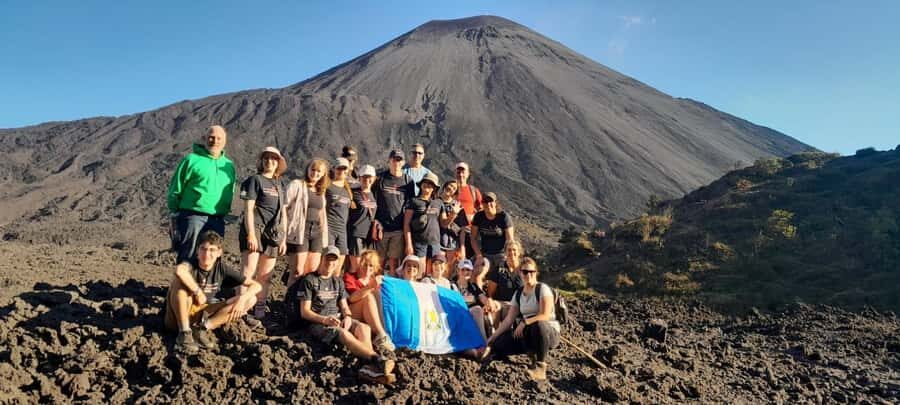
The hike starts in a forested area, which is a relief after the road trip. This is where you’ll warm up gradually, and it’s a good place to get your breathing under control early.
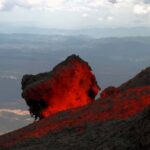
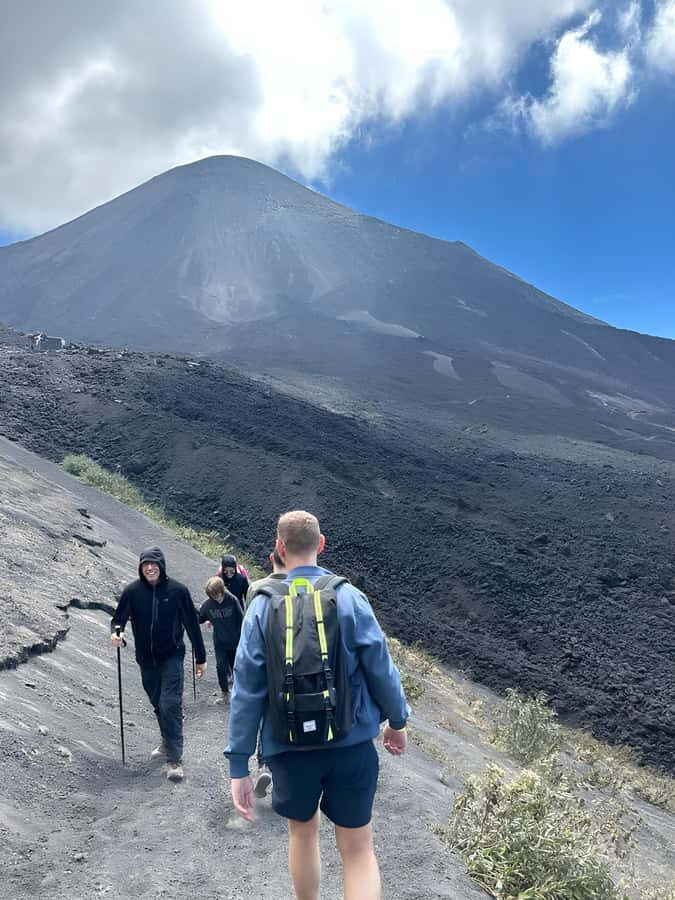
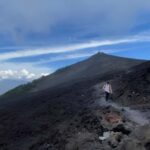
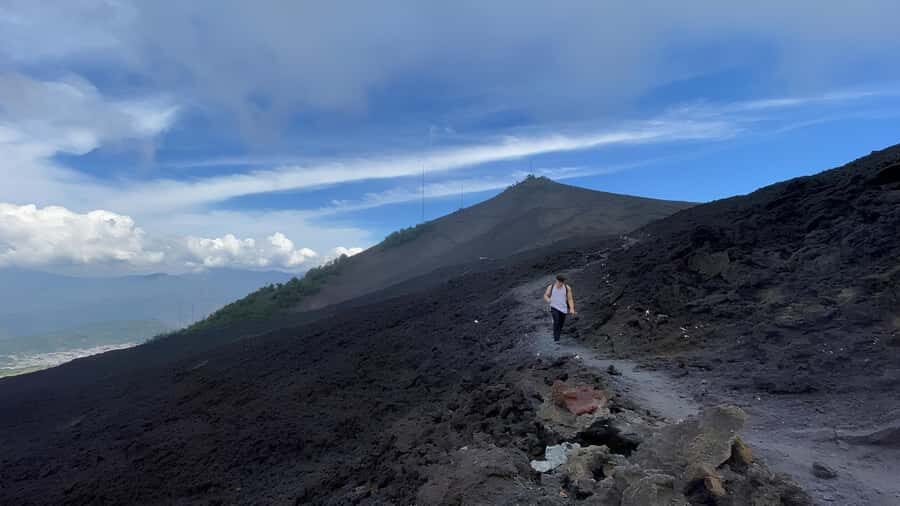
As you climb, the trail transitions into a rocky volcanic path carved between hardened lava walls. This is one of the most memorable parts because it feels other-worldly—like you’re stepping from normal hiking into something made by heat and time.
Your guide keeps the group moving and points out what you’re seeing. Some guides are naturally better at English (or Spanish), and a few past hikers noted that English quality can vary by guide. If you need clear English, ask for it when you meet the group so you’re not stuck straining the whole way.
At the Plateau: Crater View, Steam Baths, and Real Heat
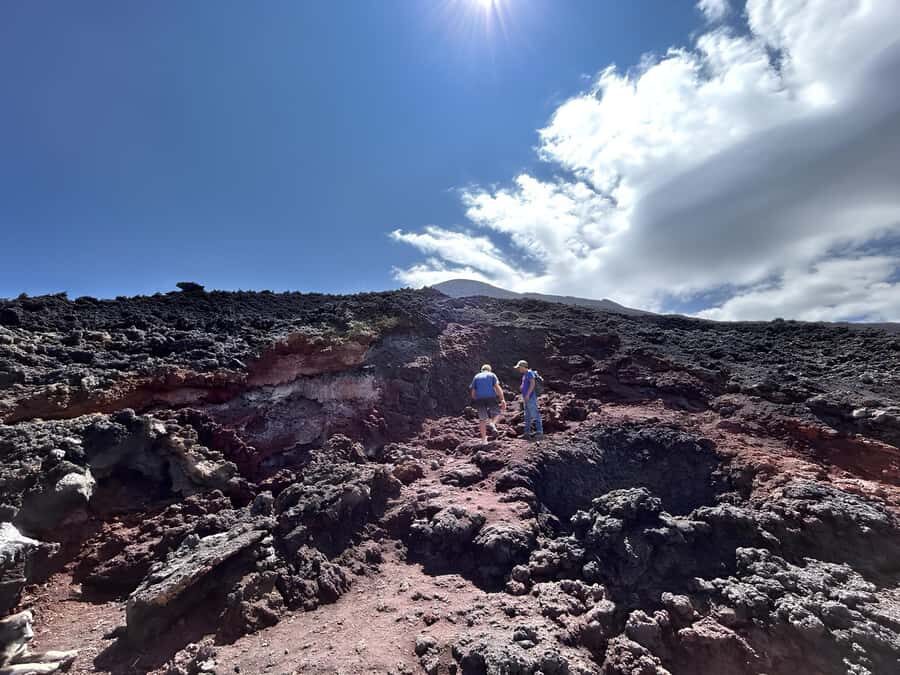
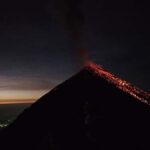
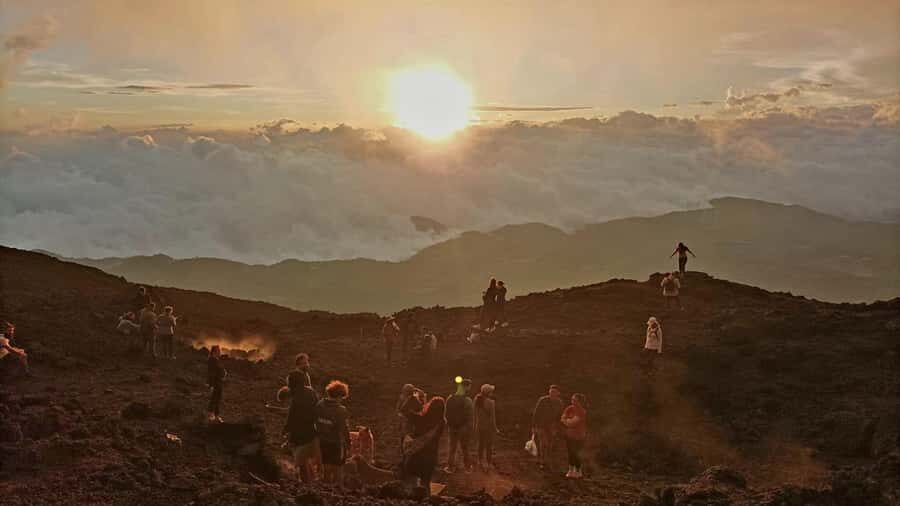
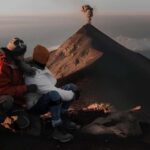
Near the top, you reach the plateau where the main crater comes into view in the distance. Even when the crater itself isn’t close enough to stare at forever, the viewpoint is enough to make Pacaya feel active in a visceral way.
Then comes the volcanic “wow” zone: observation of the lava flow and steam vents. Depending on current activity, you’ll see steam baths created by the volcano’s heat. This is the moment that separates Pacaya from the purely passive viewpoint hikes.
Pay attention here: the heat is not a single dramatic blast. It’s often patchy and subtle—steam, warm ground, and the way the terrain changes around vents. That’s why the tour is guided; it helps you connect the dots fast.
The Lava Field Marshmallows: Funny, Simple, and Actually Unique
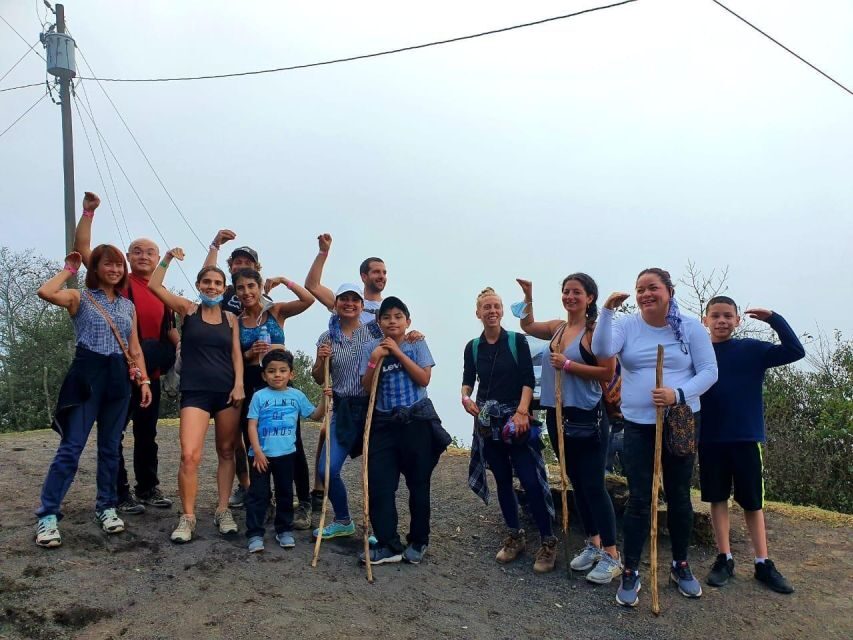
You’ll roast marshmallows on the volcanic heat around a steam vent on the lava field. It’s included, and it’s genuinely one of the tour’s best moments because it’s practical and hands-on.
A small heads-up: marshmallows may not come out as darkly toasted as you’d expect. Some hikers describe them as more warm and soft than perfectly browned, because the heat behaves differently in the field than in your kitchen.
Still, it’s a fun break. And it gives you time to stand still, look out across the volcano chain, and understand what you’re seeing instead of constantly walking.
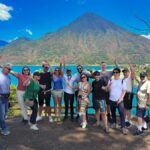
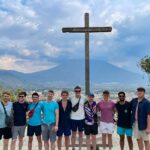
The Views of Agua, Fuego, and Acatenango (When the Sky Plays Nice)
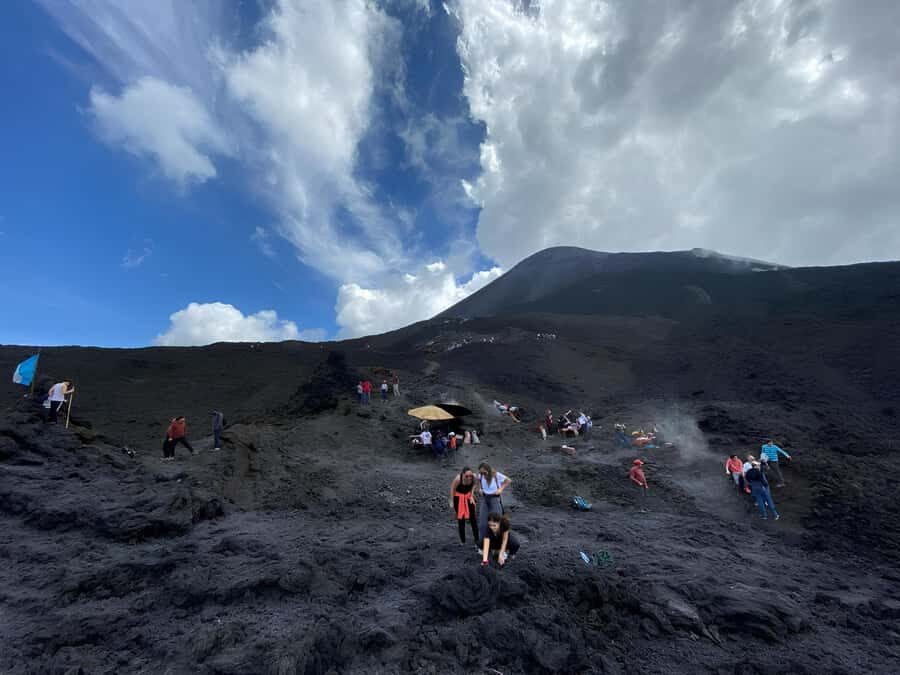
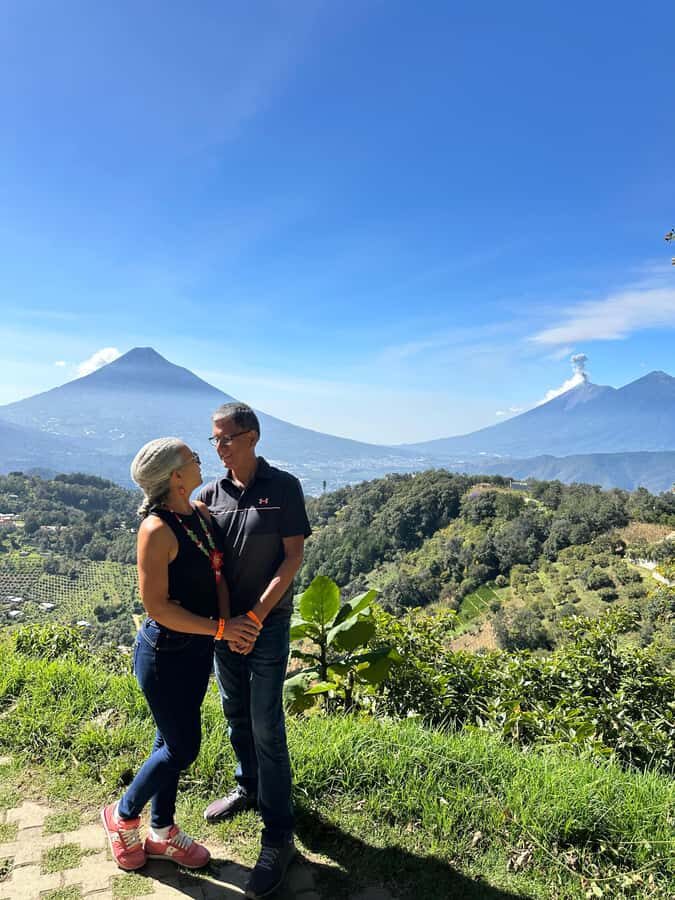
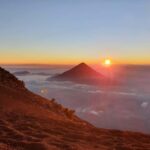
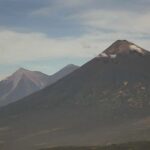
At the top, you’ll be looking out over Agua, Fuego, and Acatenango. Those names matter because they anchor the whole volcanic region into something bigger than one mountain.
But weather plays a huge role. If clouds roll in, you might miss some of the sharpest panorama moments. If clouds clear, the same viewpoint can feel shockingly dramatic.
A useful trick: don’t assume the first view is the only view. Some groups find the sky improves while they’re at the top doing the marshmallow/vent portion, which gives you a better payoff on that tough uphill effort.
Going Up One Way, Coming Down Another: Why the Descent Matters
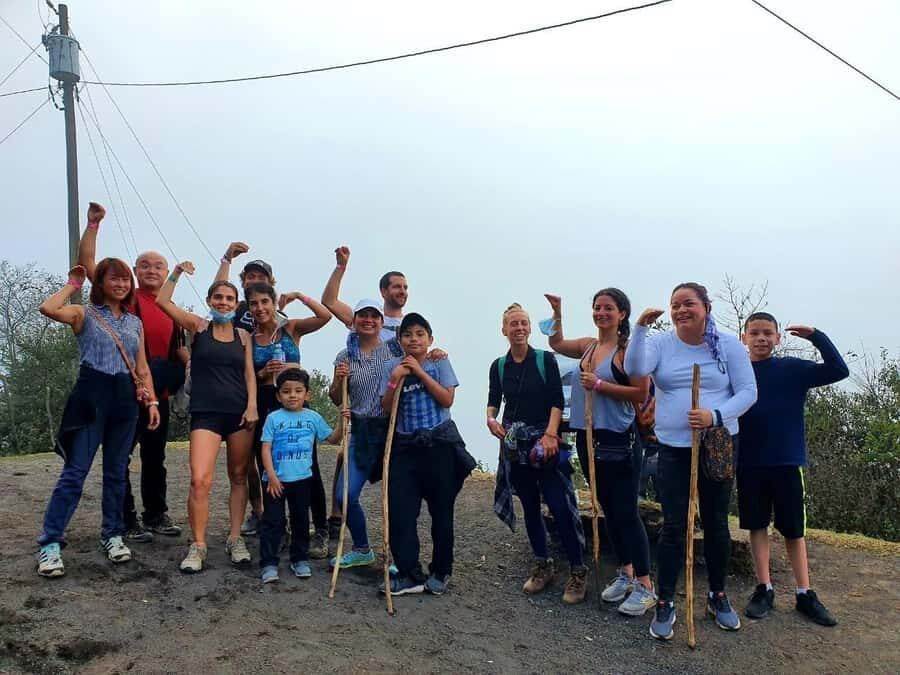
The descent isn’t just the climb reversed. You go back down to the base before boarding the bus, and multiple hikers noted the route feels different on the way down.
That matters because the uphill section is often steeper and more intense, especially if you’re not used to altitude plus irregular volcanic footing. Meanwhile, the descent can be easier on your heart but tricky on your feet.
Loose rocks and volcano sand can make the downhill slippery. Good grip shoes are not optional here. If you feel even a little unsure, slow down and let your feet find traction instead of matching anyone else’s pace.
Difficulty Level: Not Long, But It Can Be Tough
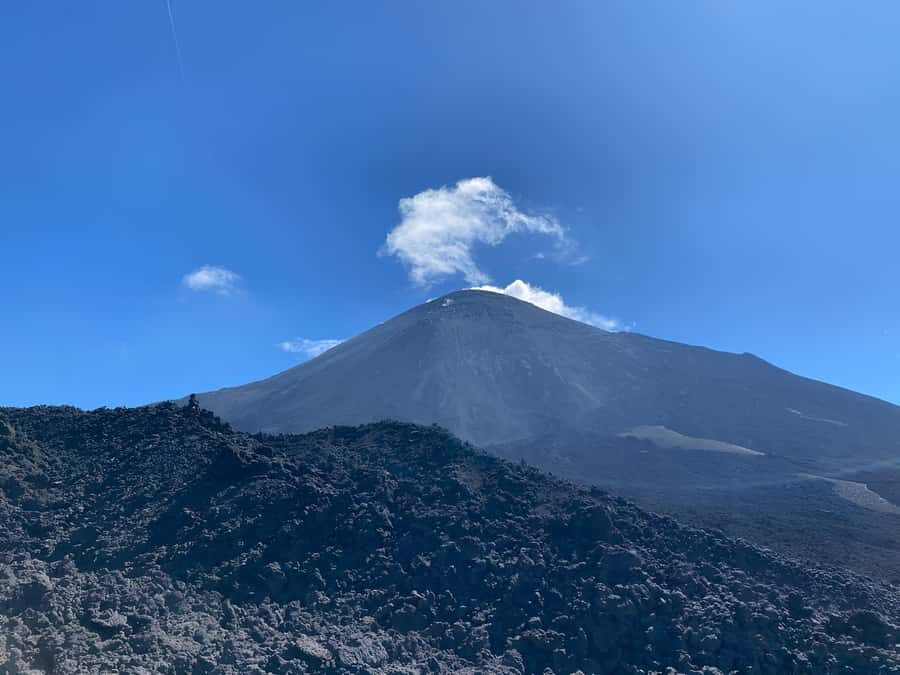
The hike is often described as manageable, but not easy. You’re looking at roughly 1.5 hours for the uphill climb (with rest stops), plus about 45 minutes downhill.
Altitude can turn a “short” climb into an honest workout. Even fit hikers sometimes report a heart-racing uphill stretch, while less experienced hikers find that taking breaks keeps it doable.
If you want the best odds of enjoying it:
- wear shoes with good grip
- drink water steadily (you bring your own)
- use rest stops without feeling embarrassed
Horses and Walking Sticks: Optional Help, Not a Failure
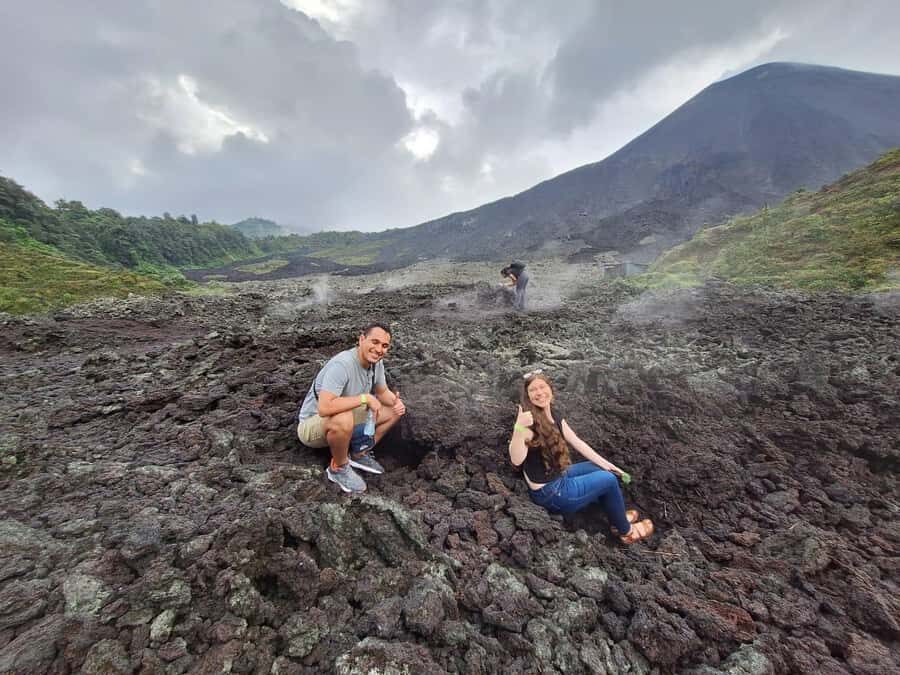
Horse rides are an option if you need assistance. You may see horseback taxis offered during the experience, especially around steep sections. Guides can also help arrange it if someone needs extra support.
The cost varies in the field (examples include Q250 and Q300 in past trips), so treat it as an additional expense and decide based on your energy level. Many hikers stress that you can choose horses without letting anyone pressure you, and you can still hike down on your own if you prefer.
A walking stick can also make a difference. Several hikers recommend renting or buying a wooden stick from local kids near the entrance area, with one tip mentioning Q10. It’s a simple tool for traction and stability—especially on rocky or sandy sections.
What You’ll Pay: Value Breakdown for This $23 Tour
The advertised price is low compared to many volcano day trips, and a big reason is that major costs are separated out.
Here’s the practical math:
- Tour price: $23 per person
- Entrance fee: $15 (Q100), not included
- Food: not included
- Optional horse ride: extra cost if you want it
- Marshmallows: included
So you’re not buying a full meal plan, and you’re also paying an entrance fee directly. But even when you add that fee, this often still lands as good value because you get guided hiking, roundtrip transport from Antigua, and the signature lava-heated marshmallow experience.
For me, the value comes from the format: you get a real volcano hike without needing a two-day trek. It’s the kind of trip you can do even if you want volcano drama but can’t commit to a longer hike.
Bring List That Actually Helps (Not Just Checklist Stuff)
Pacaya is an outdoor hike with sun, wind, and cooler top temperatures. What you pack changes how much you enjoy the day.
Bring:
- comfortable shoes with grip
- water
- sunscreen and a sun hat
- a light coat (it can be chilly at the top)
- a snack (food isn’t included)
If you’re doing the afternoon or sunset-focused option, plan for darker skies during the return drive. Some hikers mention it can get dark before the pickup point, so having a phone flashlight can help.
Who This Tour Fits Best (And Who Should Skip)
This tour fits best if you want:
- a guided volcano hike from Antigua
- big viewpoints of the volcanic region
- a unique active-volcano moment (steam vents and lava heat)
It may not be for you if:
- you’re pregnant (not suitable per tour guidance)
- you use a wheelchair (not suitable per tour guidance)
- you want a fully flat, easy walk (the terrain is steep and uneven)
It’s also worth knowing that children under 5 years old don’t pay entry to the volcano. That’s about entrance costs, not whether the hike will be comfortable for everyone—use your best judgment for fitness and footing.
The Best Parts to Prioritize on the Day
If you want the most satisfying experience, focus on the “high payoff” moments in this order:
1) the uphill rhythm early (you’ll find your pace faster)
2) the plateau vents and crater view (this is Pacaya’s personality)
3) the viewpoints of Agua, Fuego, and Acatenango (weather decides the drama level)
4) marshmallows near the steam vent (short break, big memory)
If your group feels rushed at any point, ask for extra pacing. Past hikers praised guides who check in often and make sure people aren’t getting left behind—this is where the guide matters.
Should You Book Pacaya From Antigua?
I’d book this if you’re craving an active-volcano experience without committing to a long, multi-day hike. The price is reasonable, pickup is built in, and the marshmallow/steam vent moment gives you a story you’ll still enjoy telling months later.
I’d skip it if you strongly dislike steep hikes or if you need an easy, totally level route. Also, if you’re sensitive to tight transport seating, consider that the bus can get packed and the return might feel less comfy.
If you go, you’ll have the best time by dressing for sun and chill, bringing water and snacks, and accepting that the uphill stretch is the hardest part—then the reward is the views, the vents, and the lava field atmosphere.
FAQ
How long is the Pacaya Volcano tour from Antigua?
The tour duration is 6 hours total.
Is hotel pickup and drop-off included?
Yes. Hotel pickup and drop-off are included, with pickup from various Antigua-area locations.
Do I need to pay an entrance fee?
Yes. The entrance fee is $15 (Q100) and is not included.
What language is the guide?
The tour offers a live bilingual guide in Spanish and English, though the exact level of English can vary by guide.
Are marshmallows included?
Yes. Marshmallows to roast on the volcano are included.
What should I bring for the hike?
Bring comfortable shoes with good grip, a sun hat, sunscreen, water, and something to snack on. A light coat can help, especially at the top.
Is a horse ride allowed or optional?
Horse rides are optional and are available if you need help on the hike. They cost extra.
Is the tour suitable for wheelchair users or pregnant women?
No. It is not suitable for wheelchair users or pregnant women.
Are pets allowed?
No, pets are not allowed.