REVIEW · ANTIGUA GUATEMALA
Antigua: Marshmallows Roasting at Pacaya Volcano 6-hour Tour
Book on GetYourGuide →Operated by Turisteando.net · Bookable on GetYourGuide
Marshmallows over active lava sounds wild. On Pacaya, the whole day clicks: a real hike from Antigua plus that one-of-a-kind moment of roasting marshmallows on volcanic heat. I also love the bilingual, government-certified local guide setup, which keeps the day clear and organized.
The main drawback? This is not a casual stroll. The trail can be steep and sometimes wet underfoot, and the pace can push you early on.
If you come prepared and set your expectations for a workout, you’ll leave with the best kind of Antigua souvenir: a story you’ll keep retelling.
In This Review
- Quick, high-value things to know
- Pacaya in half a day: how the 6-hour flow feels
- Pickup logistics in Antigua: be there by 5:55 or 1:55
- Entrance fee and starting the hike: warm-up, wet footing, and quick encouragement
- The climb to the summit: why the views feel worth the effort
- The marshmallow moment over volcanic heat
- What happens after photos: more hiking, then a smooth descent
- Horse rides: the steep-stretch escape hatch (and what it costs)
- What I’d pack for Pacaya (based on the tour rules)
- Price and value: what $29 really buys
- Who should go, and who should skip Pacaya
- My practical advice for the best experience
- Should you book the Antigua Pacaya marshmallow tour?
- FAQ
- How long is the Antigua to Pacaya marshmallows tour?
- What is the pickup like in Antigua?
- Do I have to pay the Pacaya entrance fee?
- Is marshmallow roasting included?
- What language are the guides?
- Is food or water included?
- Can I take a horse up the volcano?
Quick, high-value things to know
- A 6-hour half-day from Antigua with hotel pickup for central Antigua only
- Q100 park entrance fee is not included (plan for it)
- Marshmallows are included only if the rocks are hot enough
- Wet, uneven footing can make the first stretch feel tougher than expected
- Horse rides are an option for an extra cost, and people often end up choosing one on the steeper sections
- Your photo time is real, but it’s not a slow, leisurely photo safari
Pacaya in half a day: how the 6-hour flow feels
This is a classic Antigua excursion because it fits your schedule. You’ll leave Antigua by bus, spend most of the day on Pacaya, and return to town with enough daylight left to enjoy the downhill.
The tour runs about 6 hours total, built around one 1-hour drive each way. It’s early in the day or mid-afternoon depending on your chosen departure time, with pickups starting at 6:00 AM or 2:00 PM. That timing matters: you want cooler air for the hike and a better mood for photos, especially if you’re sensitive to heat.
What makes this day work is the rhythm. You’re not just hiking for hours in a straight line. You get a guided climb, a pause for photos and sightseeing, and then the descent. That structure helps you keep moving without feeling like you’re dropped into chaos.
You can also read our reviews of more tours and experiences in Antigua Guatemala.
Pickup logistics in Antigua: be there by 5:55 or 1:55
If you’re staying inside Antigua’s central area, pickup is included. That’s a big deal for value, because it saves you from arranging taxis at dawn.
Here’s the part to take seriously: the operation makes only one pickup attempt. You need to be at your chosen meeting point by 5:55 AM (morning departures) or 1:55 PM (afternoon departures). Pickups at the listed spots usually take 10 to 30 minutes to complete.
One more practical reality: pickup points aren’t one single location. You might feel some waiting while the bus loops through options, and some roads around Antigua can be bumpy. In the reviews, carsickness came up for a few people, and the simple fix was opening windows.
My advice: show up early, travel light, and bring something small for your morning nerves (a mint, gum, or water if you’ve got your own). If you’re prone to motion sickness, plan your seat and ask for open windows when possible.
Entrance fee and starting the hike: warm-up, wet footing, and quick encouragement
Once you arrive, there’s a Q100 per person entrance fee for Pacaya Park that is not included. You’ll pay that on-site, so bring cash.
Right at the start you’ll notice the local touch. People may offer items that make the hike easier—like handcrafted wooden trekking poles—and you might also find snacks available. If you want to walk with less grip fatigue, poles can help on uneven footing.
The first part of the hike can be the hardest mentally. The trail can be wet underfoot, and the early stretch is often what gets your heart rate up. The good news is that the guides build in stops. They don’t just tell you to keep going. They’ll pause so you can catch your breath and take in the views.
This is also where you learn whether your group pace fits you. In past climbs, guides like Carlos and Benjamin have been praised for keeping people moving while still making sure everyone is okay. That’s the sweet spot you want: steady effort, not panic.
The climb to the summit: why the views feel worth the effort
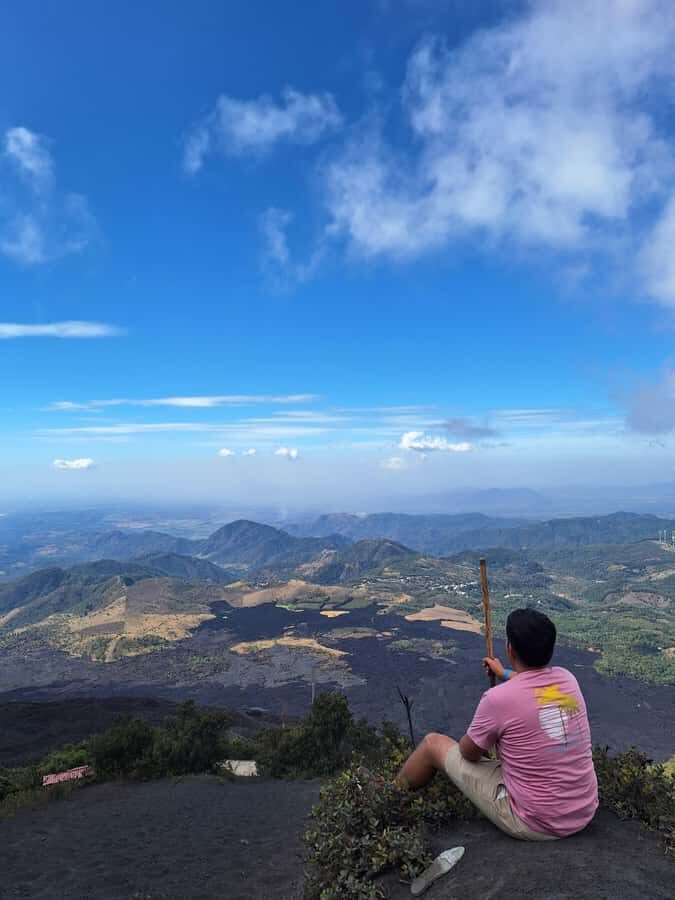
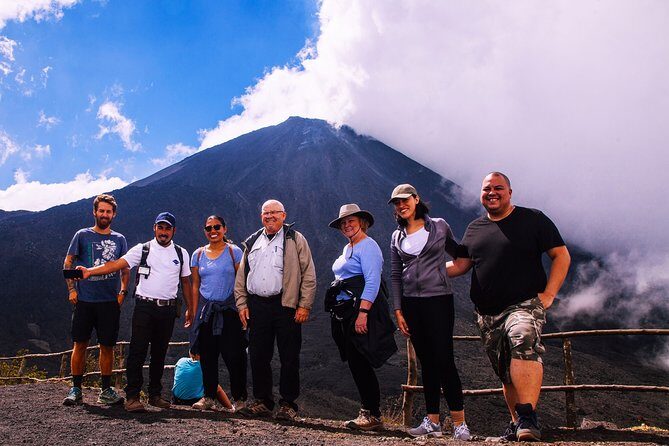
Your ascent takes about 2 hours, and it’s the heart of the whole experience. You’ll hike through changing scenery, with frequent spots to look out over the region. Even when footing is tricky, the sightlines keep you engaged.
You should also plan for the “volcano hike feeling” that can surprise you. It’s not just a trail with a view. It’s a physical climb, and the steep parts can make people feel like they’re working harder than they expected—especially if you’re used to flat walking.
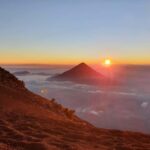
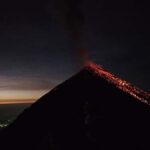
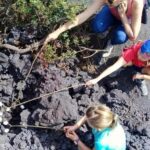
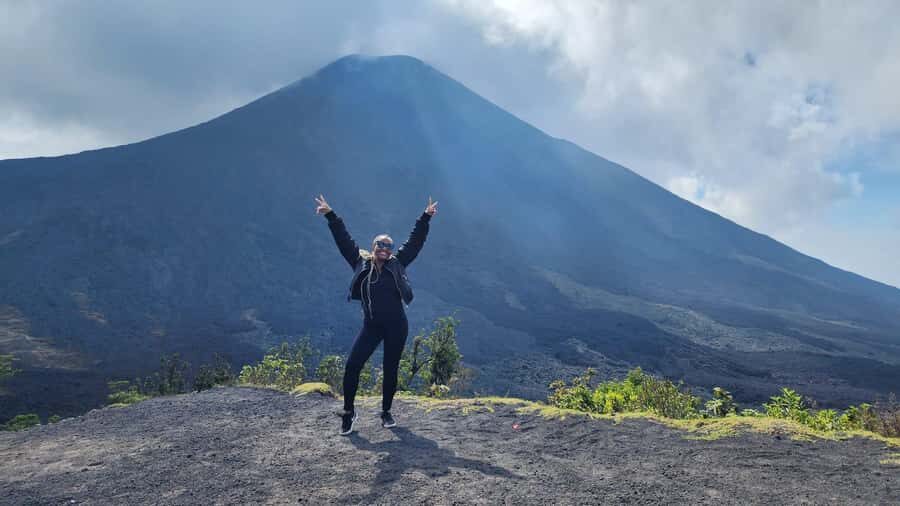
Still, the summit payoff is real. Near the top, the terrain shifts into a stark field of petrified lava. That sight is one of the reasons Pacaya is so popular: you go from lush surroundings into something that looks ancient and otherworldly.
The marshmallow moment over volcanic heat
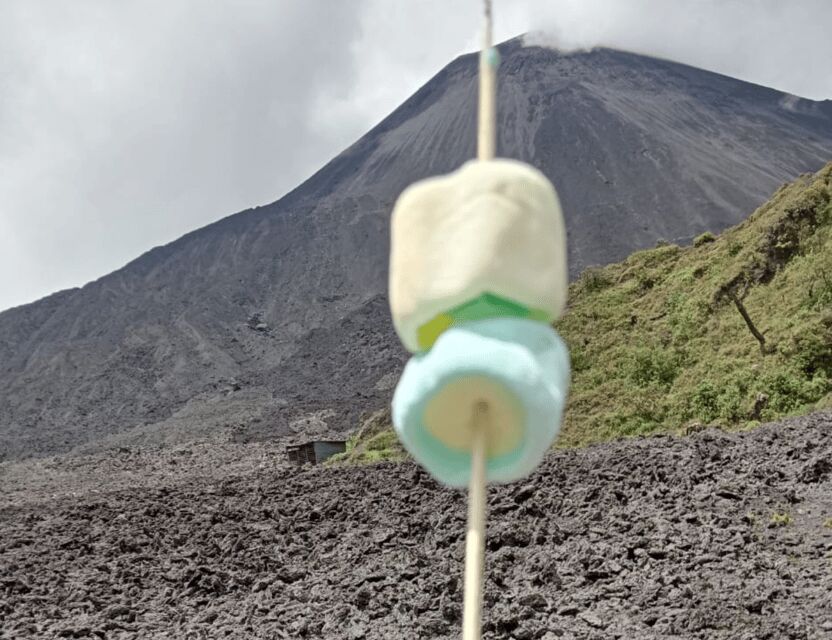
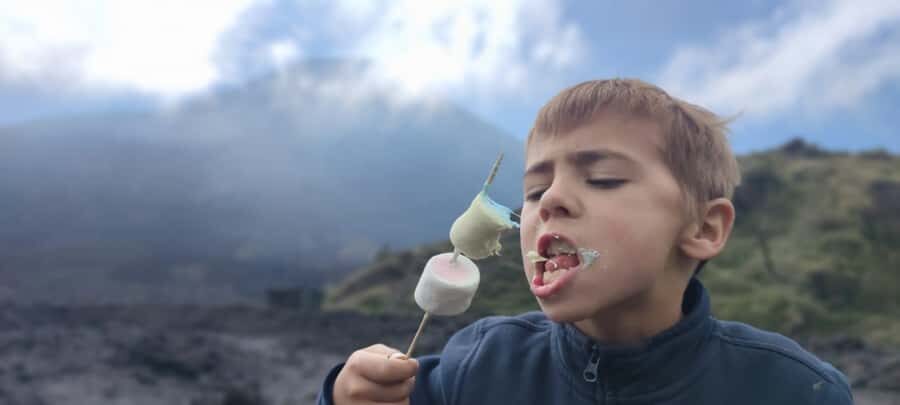
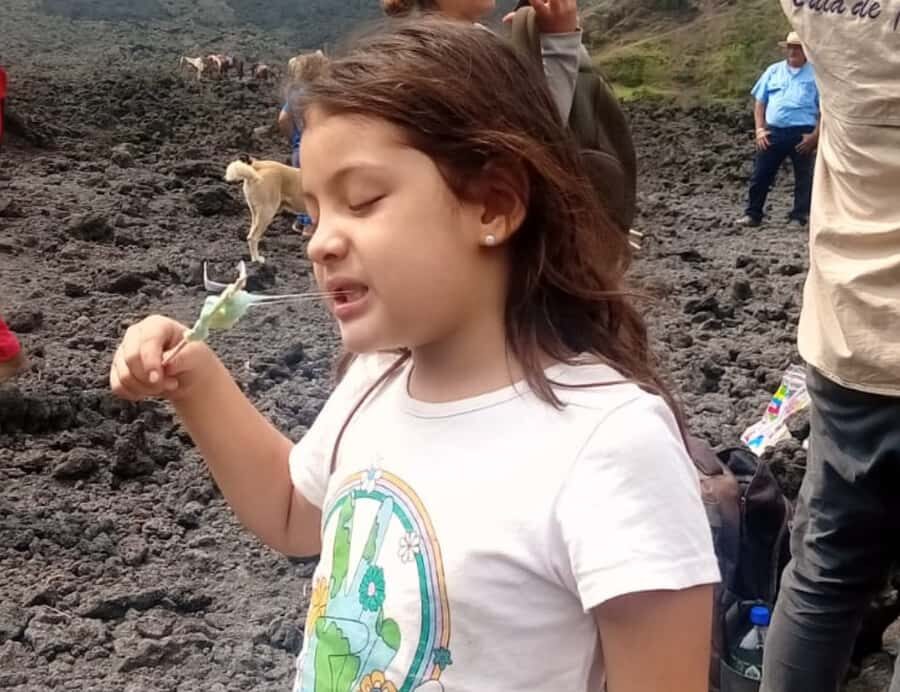
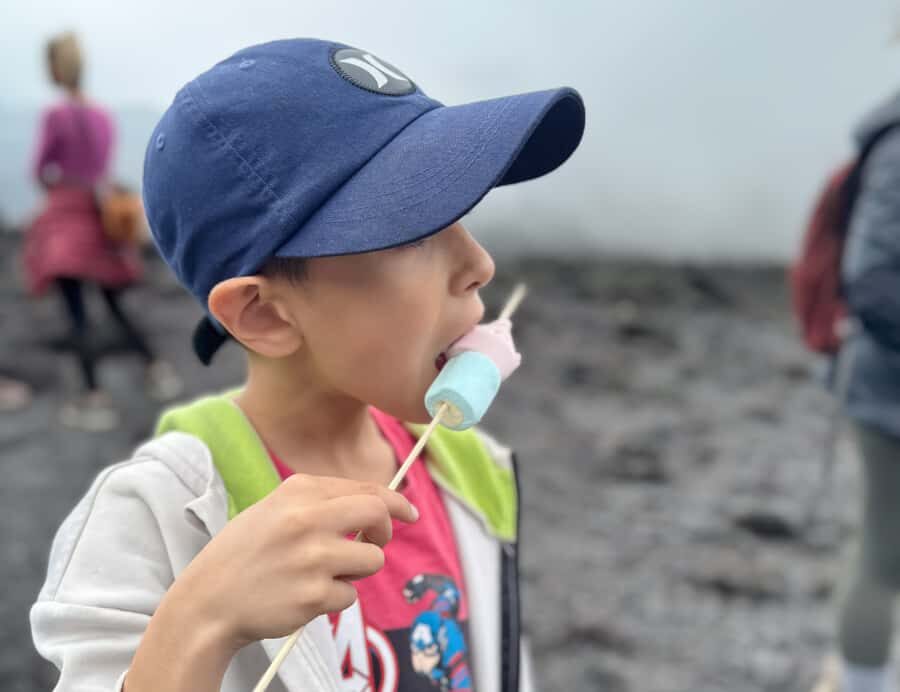
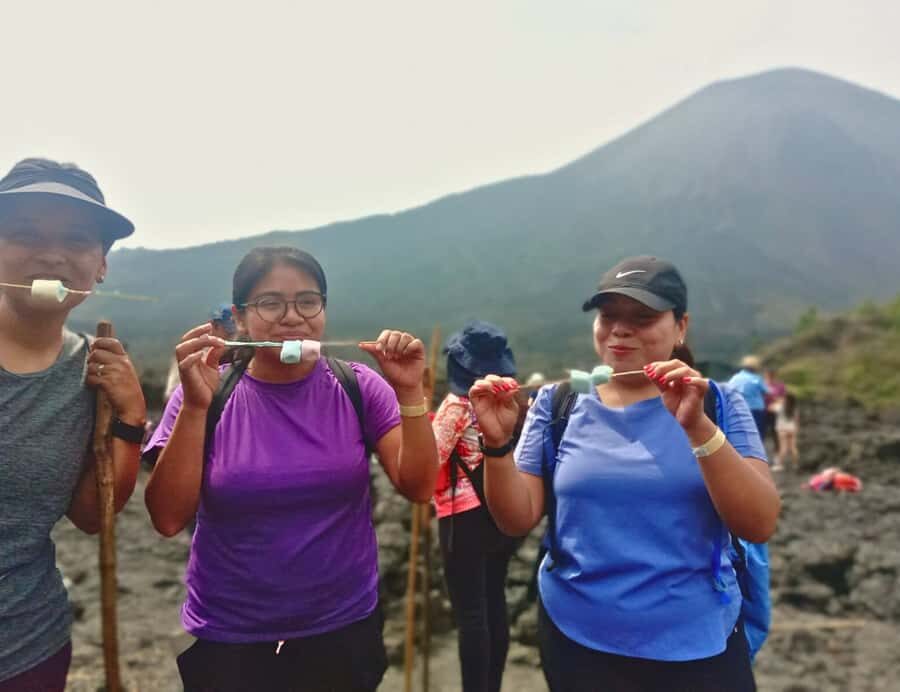
At the summit, you get the headline activity: roasting marshmallows over the heat of the active volcano.
Two important details:
- Marshmallows are included, but only if the rocks are hot enough.
- You’ll want to keep your camera ready, because this is one of the best photo situations of the whole day.
This is also when the tour slows just enough to feel special. You’ll get time for photos and sightseeing, and the vibe changes from “climb” to “take it in.” The tour schedule includes a break/photo time of about 30 minutes during the upper section, plus an additional hiking segment after that.
How much time you’ll actually spend on the peak can vary depending on pace and conditions. Either way, bring patience. The roasting itself is quick, but the visuals around you are the part you’ll remember later.
What happens after photos: more hiking, then a smooth descent
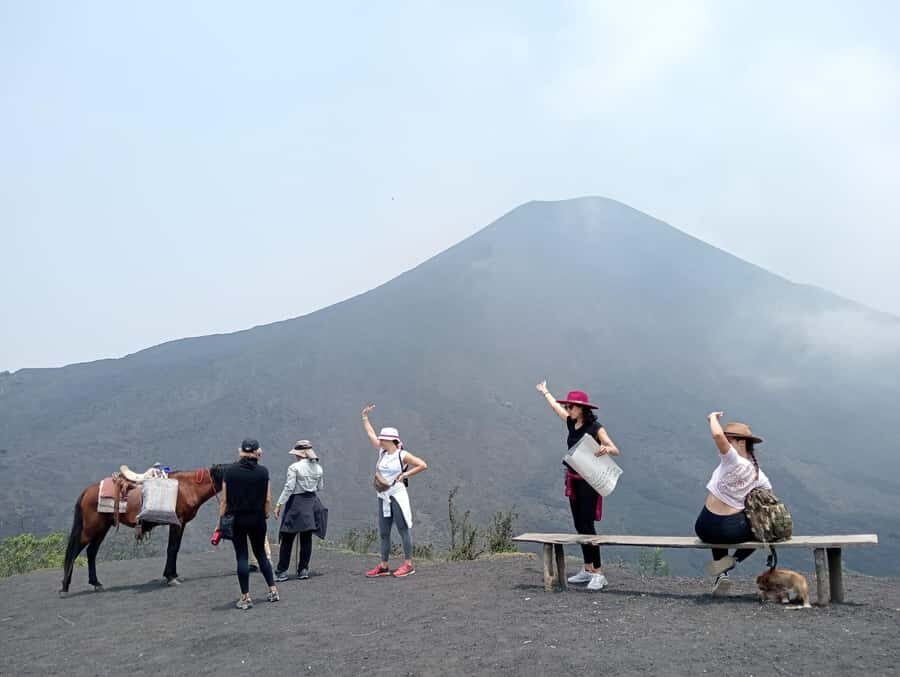
After the break, there’s another 1 hour of hiking before you head back. This part can feel like a continuation of the climb or a transition into the return route, but the key point is this: the day doesn’t turn into a walk-in-the-park after the summit moment.
Then you start descending. The descent is described as smooth, and the timing is set so you’re returning with light that can be pretty dramatic—especially when the sun hits the path and you look back toward where you came from.
One of the more human touches in the experience is support on the way down. In at least one case, a guide ran alongside a participant to help them stay steady when descending. That tells you something useful: you’ll be with a team that pays attention, not just someone counting steps.
Horse rides: the steep-stretch escape hatch (and what it costs)
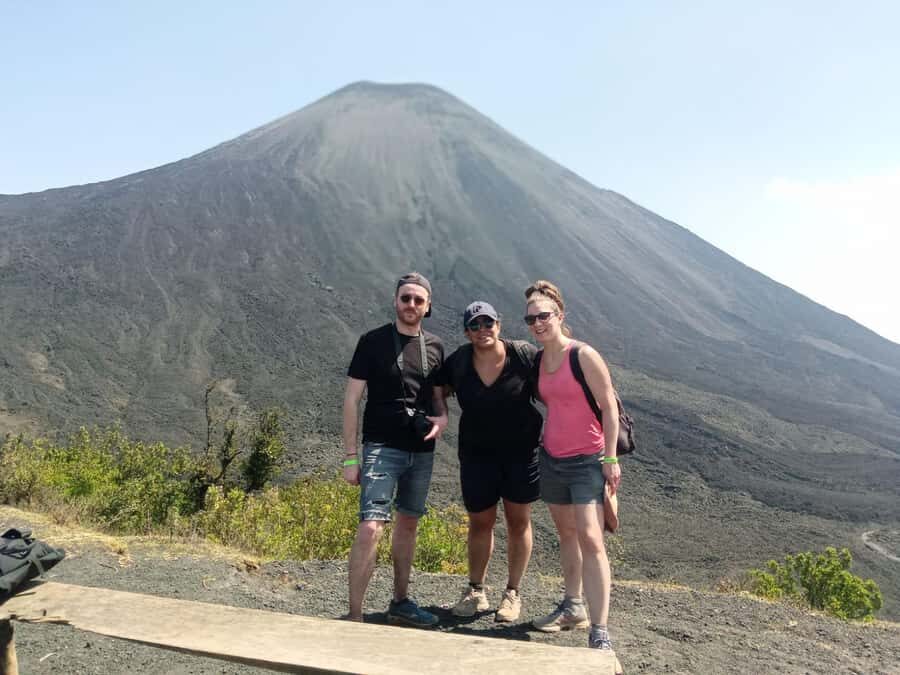
Let’s talk about the horse option, because it’s a big part of how people experience Pacaya.
You might hear pressure to take a horse instead of walking, especially on steeper segments. One practical tip from the reviews: don’t follow directly behind the people offering rides if you’re unsure. You want to make your decision based on your own pace, not the moment.
Costs are not fixed in the information you have here. You’ll see examples of extra pricing like 40 USD in one report, and 350 quetzales in another. What stays consistent is the idea: horses are available for an additional cost, and plenty of hikers eventually choose them.
If you want a strategy:
- Start walking and see how your first steep stretch feels.
- If you’re breathing hard or your legs feel like they’re about to lock up, you can switch.
- If you’re confident and comfortable on uneven ground, walking all the way can be done—but expect it to feel like a workout.
This is also why the tour is listed as not suitable for certain health issues. If you can’t handle steep climbs, it’s better to skip Pacaya than to gamble with your comfort level.
What I’d pack for Pacaya (based on the tour rules)
The tour gives a clear list of what to bring and what to avoid. Follow it and you’ll have a smoother hike.
Bring:
- Passport or ID card
- Comfortable shoes (sports shoes are recommended)
- Camera and charged smartphone
- Sunscreen
- Rain gear (the trail can be wet)
- Cash (especially for the Q100 entrance fee)
- Clothes that can get dirty
Also think about layers. Even in warm Guatemala, volcano hikes can feel cooler at elevation, and mornings can be chilly while you’re waiting.
Leave at home:
- Weapons or sharp objects
- Alcohol and drugs
- Fireworks
- Alcoholic drinks in the vehicle
- Party groups
- Nudity
If you’re thinking about comfort, shoes matter most. You’re on uneven ground, sometimes wet. The wrong soles turn a scenic hike into a slippery test.
Price and value: what $29 really buys
At $29 per person, this tour is budget-friendly for Antigua, especially because several costs and services are bundled in.
Included:
- Hotel pickup service (only hotels in central Antigua)
- Round-trip transfers from Antigua
- Local guide certified by the Guatemala government
- Guided hike with the group
- Free time to explore and take pictures (20–30 minutes)
- Marshmallow roasting if rocks are hot enough
Not included:
- Pacaya Park entrance fee: Q100 per person
- Food and water
- Hiking equipment
So the true cost is really $29 plus Q100 entrance, and then whatever you spend for food/water or optional trekking poles and horse rides. For many people, that still adds up to good value because you’re paying for a guided experience in an organized format, not just transportation to a trailhead.
If you’re trying to keep costs low, the best move is simple: come with your own basic hydration and a plan for food. That way, you’re not stuck paying whatever is available on the spot.
Who should go, and who should skip Pacaya
Pacaya is a hike. It’s also a volcano hike with steep sections and altitude. The tour notes it’s not suitable for:
- People with back problems
- People with heart problems
- People with altitude sickness
- People over 243 lbs (110 kg)
- People with pre-existing medical conditions
- People with kidney problems
If any of those apply to you, it’s better to choose a different Antigua day trip.
If you’re healthy and you like challenges, this tour can be a great fit. One thing I like here is that the guides will adjust pacing to keep you moving with your group, and encouragement is part of the job. Just remember: the hike can feel more difficult than you expect on the first stretch, especially if conditions are wet.
My practical advice for the best experience
Here’s how to make Pacaya smoother and more fun:
- Go in with realistic effort. The first 15 minutes can feel like the starter sprint, then it steadies.
- Bring rain gear. Wet footing is part of the deal.
- Take photos early. The schedule has break time, but don’t assume you’ll have long, unhurried picture sessions everywhere.
- Plan for carsickness if you’re sensitive. Windows open helped in at least one report.
- Decide on horses based on your legs. Don’t let pressure decide for you. If you need the option, use it sooner rather than later.
- If you can choose departure times, consider the idea of going in the afternoon for cooler air and sunset views. A sunset-focused descent is built into the experience, and people do notice the difference in comfort.
One more note: you’ll see locals offering services like trekking poles and snacks. If you want to avoid last-minute scrambling, bring a bit of cash and don’t wait until your energy is gone to think about comfort.
Should you book the Antigua Pacaya marshmallow tour?
I’d book it if you want a memorable Antigua excursion that mixes guided hiking, active-volcano atmosphere, and a genuinely different payoff than yet another viewpoint. The bilingual guide support and government-certified local guidance make it feel safer and more organized than DIY.
I wouldn’t book it if you know you’re uncomfortable with steep climbs, wet uneven footing, altitude effects, or if your medical situation is on the tour’s “not suitable” list. In that case, you’ll enjoy the day less, and you’ll be stressing instead of sightseeing.
If you do book, show up early at your meeting point, pack the basics, and keep a flexible mindset about pacing and optional horses. Pacaya rewards the prepared—and it turns marshmallows into the kind of story you’ll be telling long after the hike.
FAQ
How long is the Antigua to Pacaya marshmallows tour?
The tour lasts about 6 hours total, including hotel pickup, the drive to Pacaya, hiking time, and the return to Antigua.
What is the pickup like in Antigua?
Pickup is included for hotels in central Antigua. Pickup starts at 6:00 AM or 2:00 PM depending on your selected time, and you need to be at your meeting point by 5:55 AM or 1:55 PM. The tour makes only one pickup attempt.
Do I have to pay the Pacaya entrance fee?
Yes. The Pacaya Volcano Park entrance fee is Q100 per person and it is not included in the tour price.
Is marshmallow roasting included?
Yes, you can cook marshmallows during the tour, but it depends on whether the rocks are hot enough.
What language are the guides?
The live guide works in Spanish and English.
Is food or water included?
No. Food and water are not included, so you’ll need to plan for your own.
Can I take a horse up the volcano?
A horse ride is optional for an extra cost. The tour notes that you can request help arranging it privately, and horses are available for an additional fee.