REVIEW · FLORES
Tikal Private Day Tour Maya Adventure from Flores
Book on Viator →Operated by Maya Adventure Travel · Bookable on Viator
Tikal feels like stepping into a rainforest time machine. This private day tour from Flores gets you into Tikal at your own pace while a guide brings the ruins to life with rulers, building details, and clear explanations. I also love the hotel pickup and drop-off, because the day stays focused on Tikal instead of traffic and searching.
The main drawback is simple: it’s a full 8 to 9 hour day in warm, humid forest conditions. You’ll do trails, viewpoints, and some climbing, so pack smart and pace yourself—even if the guide adapts the schedule to your group.
In This Review
- Key things that make this Tikal day tour feel worth it
- Flores to Tikal: starting early beats the heat
- Getting oriented fast at Tikal National Park
- The Great Plaza walk: shade, monkeys, and your first iconic angles
- Temple I in the middle of the action
- Temple II: the best-photo viewpoint (and a quick win)
- Lost World: climb, look 360 degrees, and watch the sky story
- Temple IV: the tall climb with the Star Wars connection
- Lunch inside the park: fuel without the hassle
- Heading back to Flores: the AC ride you’ll actually enjoy
- Price and value: what you’re paying for (besides temples)
- Guides you might get: the human difference at Tikal
- What to bring and what to count on
- Should you book this private Tikal day tour?
Key things that make this Tikal day tour feel worth it
- Private timing: You’re not stuck behind a big group shuffle, and the guide adjusts the pace to your interests.
- Real guiding at the big monuments: Expect context about dynasties and what you’re seeing at places like Temple I, Temple II, Lost World, and Temple IV.
- Hands-on viewpoints, including climbs: You’ll have opportunities to climb key structures rather than only looking from far away.
- A comfortable drive from Flores: Air-conditioned transport helps a lot before and after the park.
- Lunch inside the park area: Hot local food and a cold drink choice make the middle of the day easier.
Flores to Tikal: starting early beats the heat
You start at 8:00 am with pickup from your hotel in Flores. That early push matters. Even with a comfortable schedule, Tikal is a big outdoor site, and the forest heat can turn “short walks” into “why did I wear these shoes?”
Once you leave Flores, you’re in for an hour-and-a-half drive to the Tikal National Park entrance area. The payoff is you reach the ruins while your energy is still intact—and you get more time in the park before the day feels pressed by the sun and humidity.
If you’re the kind of traveler who likes seeing places without a clock screaming in your ear, the private setup helps. You’re also not the one driving, so you can actually look out the window along the way.
You can also read our reviews of more private tours in Flores
Getting oriented fast at Tikal National Park
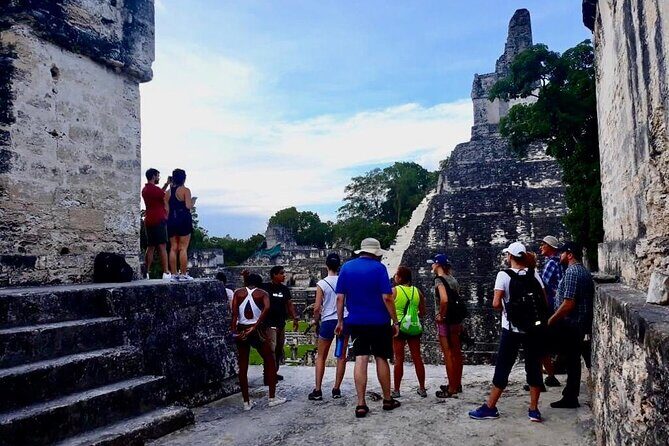
The first chunk of the day lands you inside Tikal National Park with a guide who doesn’t just point. They set the stage. You’ll visit the main highlights and get a chance to climb important structures.
Here’s what I like about this approach: you’re not walking through a pile of stones and guessing what era you’re looking at. The guide explains the dynastic story of the rulers of the city and describes what you’re seeing—so the temples feel connected instead of random.
The park layout is huge, and it’s easy to feel lost. A good start gives you bearings fast: where the major plazas are, which structures are the “anchor points,” and what to watch for as you go deeper.
Small note: the stop duration here is about 1 hour 30 minutes, so you’ll be moving. If you want to linger at the very first viewpoints, tell the guide early. They adapt the pace to your group.
The Great Plaza walk: shade, monkeys, and your first iconic angles
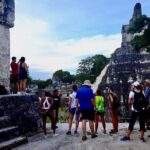
Next comes the Great Plaza area, and this is where Tikal really starts to feel alive. A lot of the route stays under the canopy, which helps with sun and makes the walk far more pleasant than you might expect.
While you’re moving through the greenery, you might catch sight of wildlife—like spider and howler monkeys—and birds that pop up around the ruins. It’s the kind of background soundtrack you can’t get from a museum photo.
Before you reach the Great Plaza itself, there are two stops that are both practical and exciting:
- Twin Pyramid Complex Q: your first opportunity to climb a pyramid plus your first carved monument connected to the 29th king of the ruling dynasty.
- Another Twin Pyramid Complex followed by an original causeway that takes you directly behind the Great Jaguar Temple for a powerful perspective.
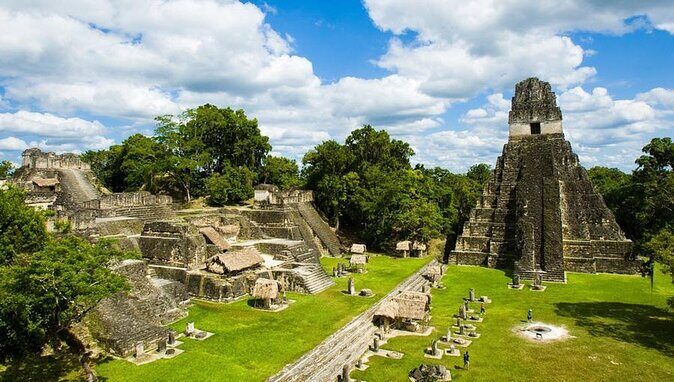
This “approach” matters. Getting behind the Great Jaguar Temple changes the feel of the monument. Instead of seeing it as a front-facing postcard, you see how the placement and causeway lines pull your eye through the plaza. It’s an instant upgrade in how the site reads.
Temple I in the middle of the action
Temple I is the big moment you’ll aim for after you move through the residential and royal areas. This tour doesn’t just do the “pretty temples.” It also gives you context for how people lived around the center.
There’s a detour through residential structures in the Central Acropolis, then a move to the North Acropolis, where royal tombs were found. That positioning puts you in front of Temple I, the Great Jaguar Temple, and right in the middle of the Great Plaza.
In plain terms: this is where you stop thinking of Tikal as a cemetery of monuments and start seeing it as a living city with power concentrated close to the plazas.
You’ll spend about 1 hour at this stop area, which is enough time to look upward, read the guide’s explanations, and still breathe without feeling rushed. If you’re a first-timer to Maya ruins, this is a smart place to slow down.
Temple II: the best-photo viewpoint (and a quick win)
Temple II is shorter—around 30 minutes—but that’s not a bad thing here. You’re perfectly positioned for the iconic Temple I photos from a specific angle, and you’ll get time to frame the shot without losing the day.
This is also a good moment to rest your legs for a bit. Your feet will thank you later when the day turns into “more stairs than I remember.”
Lost World: climb, look 360 degrees, and watch the sky story
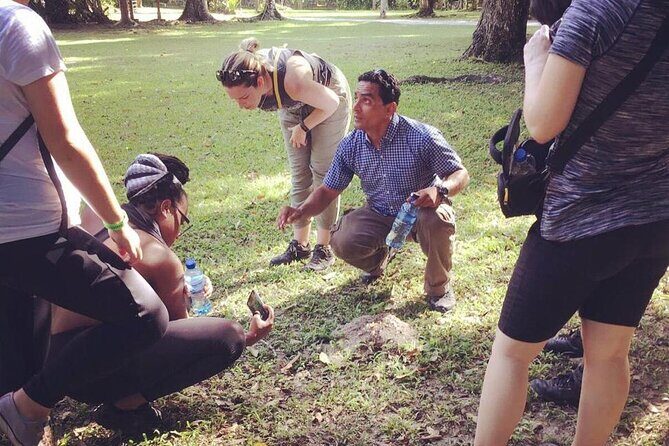
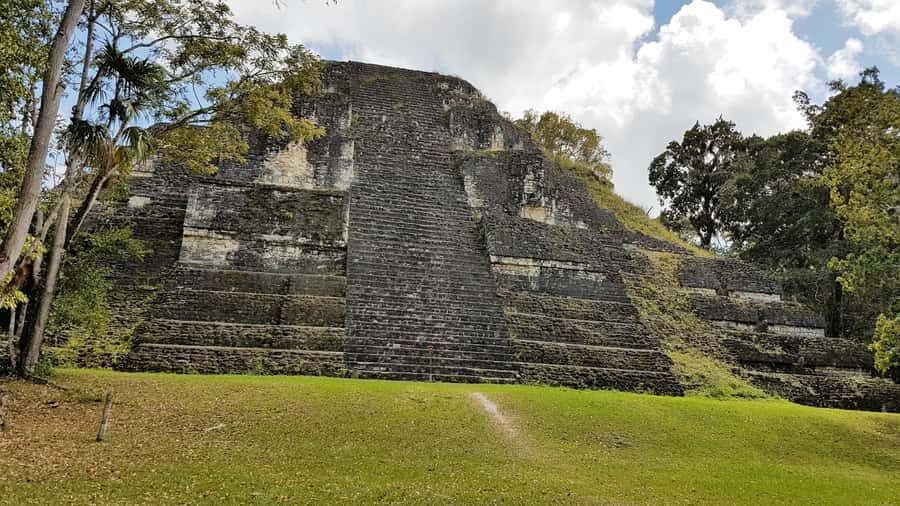
The Lost World complex is one of the most interesting stops in the day because it connects architecture to how the Mayas tracked the universe. Your guide leads you to the plaza with the earliest evidence of occupation at Tikal, and you also get an opportunity to climb the Great Pyramid here.
Then comes the payoff: the view. From this area, you get a 360-degree panorama over the canopy. The tallest structures sit close, which makes the scale of the site feel real instead of theoretical.
Lost World is also described as an astronomical observatory complex. Even if you don’t memorize the astronomy angle, you’ll feel what that means: this wasn’t only about ceremonies and rulers. It was also about time, sky observation, and using the landscape in a disciplined way.
One detail worth knowing: this is where you’d wait for sunset on later-timed tours. If your day doesn’t include sunset waiting, you can still catch the view and take your time with photographs.
Temple IV: the tall climb with the Star Wars connection
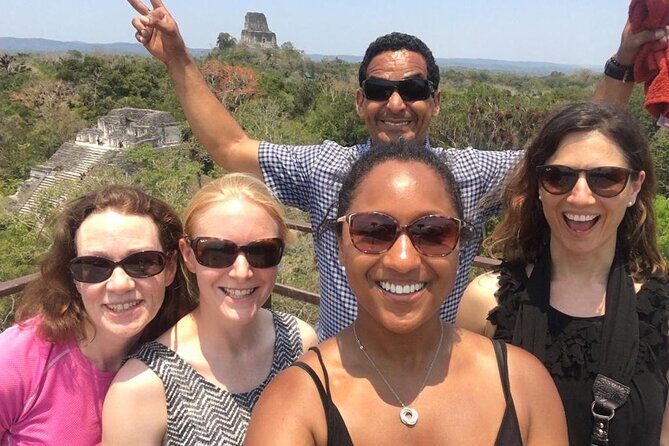
If Temple I is the headline, Temple IV is the “how do they even build that” moment. You’ll spend about 1 hour here, and a highlight is going up one of the tallest single constructions in the western hemisphere.
The guide also frames why that viewpoint mattered: in Tikal’s heyday, the ruler and the high priest had the privilege of seeing the panorama from this kind of height. That detail makes your climb feel less like a workout and more like stepping into a very specific social order.
There’s also a pop-culture footnote that adds fun to the moment. This viewpoint is sometimes called the Star Wars Temple because a producer included a scene here for Star Wars Episode IV: A New Hope. Even if you’re not chasing movie trivia, it’s a good conversation starter while you’re looking out over the canopy.
From the top, you can aim your gaze toward the tips of Temple I and Temple II. It’s the kind of sight that makes you understand why rulers cared about these buildings as more than religious structures.
Lunch inside the park: fuel without the hassle
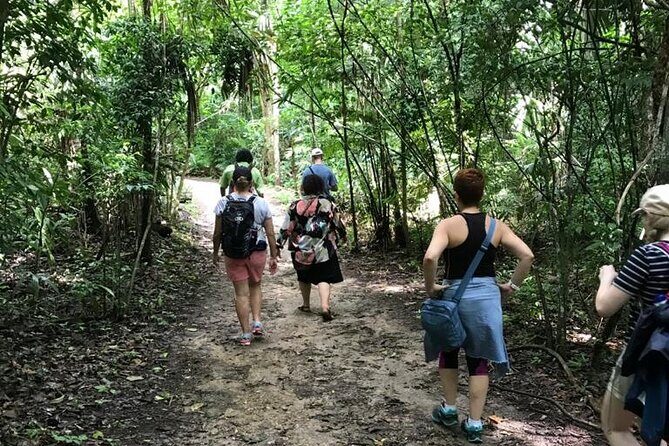
After Temple IV, you head down through forest trails toward the restaurant. The day shifts from temple climbing to refueling.
Lunch is included. It’s described as a hot, local dish plus a cold drink of your choice. In at least some cases, that meal has included soup and a grilled chicken with rice plate. It’s the kind of food that helps your afternoon stay smooth, not just “enough to survive.”
This is also a smart time to reapply mosquito repellent if you’ve been out in the damp green air. The tour includes mosquito repellent, and it’s still worth using it. Bugs are persistent. Like gravity.
Heading back to Flores: the AC ride you’ll actually enjoy
Once lunch and a breather are done, you drive back to Flores in an air-conditioned vehicle. The whole return segment takes about 1 hour 30 minutes, which usually means you’ll arrive back while you still feel human enough for dinner plans.
After a long day at Tikal, that A/C can feel like a spa. You’ll likely want a nap before you do anything else.
Price and value: what you’re paying for (besides temples)
At $209 per person, this is not a budget “hop on a bus” option. What you’re paying for is the private format plus the parts that usually add up separately: guide time at multiple key points, entrance fees and taxes, lunch, and air-conditioned private transportation.
If you’ve ever tried to stitch together a Tikal day yourself, you know how quickly it turns into uncertainty: where to meet, how to time it, what to prioritize, and whether you’ll miss the angles that make the ruins click. This tour aims to remove that friction and replace it with a structured route and a guide who can explain what you’re seeing as you’re standing there.
Also, the tour is described as adapting duration and pace to guests, which matters. A private experience is most valuable when it doesn’t treat you like a pinball.
Guides you might get: the human difference at Tikal
The tour is operated by Maya Adventure Travel, and guide assignments can vary. In the experiences I have on record here, guides have included Reyes de Leon, Mario, Ronald, Byron, and Salvador.
Across these guide stories, a few patterns show up:
- They’re careful about keeping things organized and not exhausting you with a nonstop march.
- They answer questions instead of handing you a script and walking away.
- They often help with practical comfort—like sunscreen/bug spray/water preparation—so you’re not scrambling mid-day.
One traveler even noted that the guide could read the group’s interests quickly. That’s a real advantage at Tikal, because your ideal route depends on whether you care most about hieroglyphs, royal history, plants and animals, or getting those specific photo angles.
What to bring and what to count on
The tour includes mosquito repellent and provides water bottles in some cases. Still, I strongly recommend bringing your own:
- Light long sleeves or a hat for the sun hours
- Comfortable walking shoes with grip
- A small daypack for water and snacks if you tend to get hungry between meals
- Sun protection you trust (even if the guide provides supplies sometimes)
Also, remember that Tikal includes walking on trails and multiple viewpoints. The park provides seated shared transportation on a truck from the entrance to the Main Plaza for people who have difficulty walking. If that’s you, mention it early so you can plan your route comfortably.
Should you book this private Tikal day tour?
Yes, if you want a Tikal day that feels like a guided conversation with the site—not a hurried photo sprint. This private format is especially good for first-time visitors because it connects the dots between temples, plazas, and Maya dynastic history. The combination of climbs, key viewpoints, and hotel pickup keeps the day smooth.
Book it sooner rather than later if your travel dates are set. It’s commonly reserved about two months in advance on average, and Tikal is one of those places where “we’ll figure it out later” can create last-minute stress.
Skip it only if you know you can’t handle a long day outdoors with walking and stairs. In that case, you might still enjoy Tikal, but you’d want a plan that reduces climbs and focuses on viewpoints you can reach comfortably.
If you’re game for a real day in the jungle among ancient stone—and you want it explained in a way that makes you understand what you’re seeing—this is a strong bet.