REVIEW · PANAJACHEL
From Antigua: 2-Day Acatenango Volcano Hiking with Guide
Book on GetYourGuide →Operated by Marvelus Travel · Bookable on GetYourGuide
Fire-lit nights on a volcano hike.
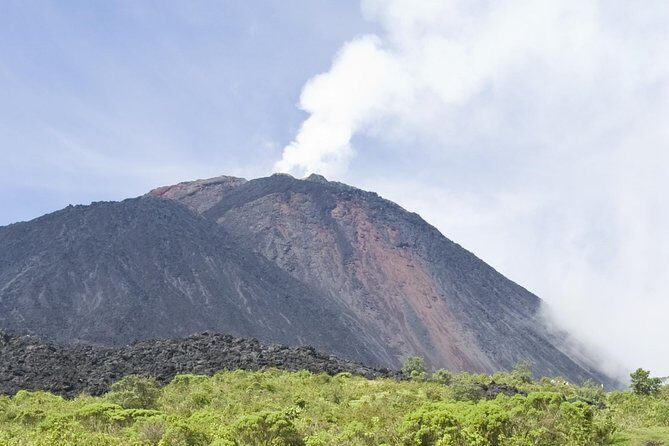
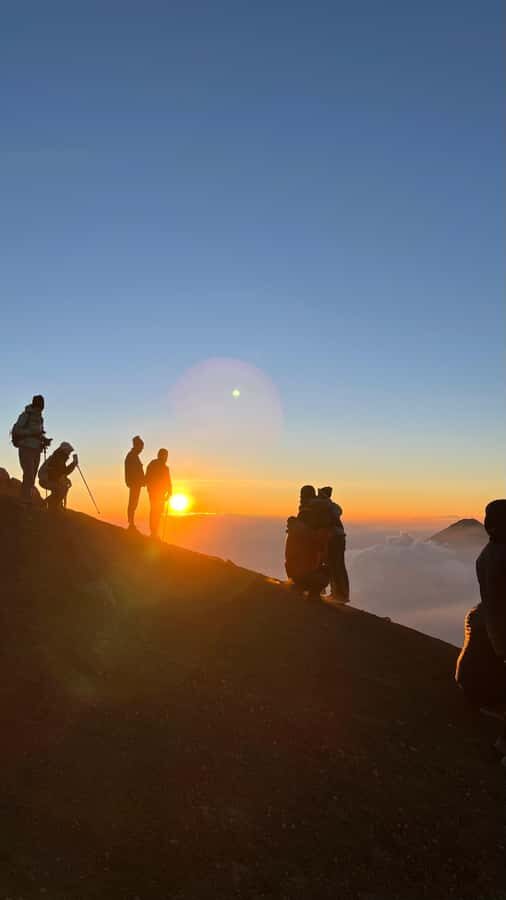
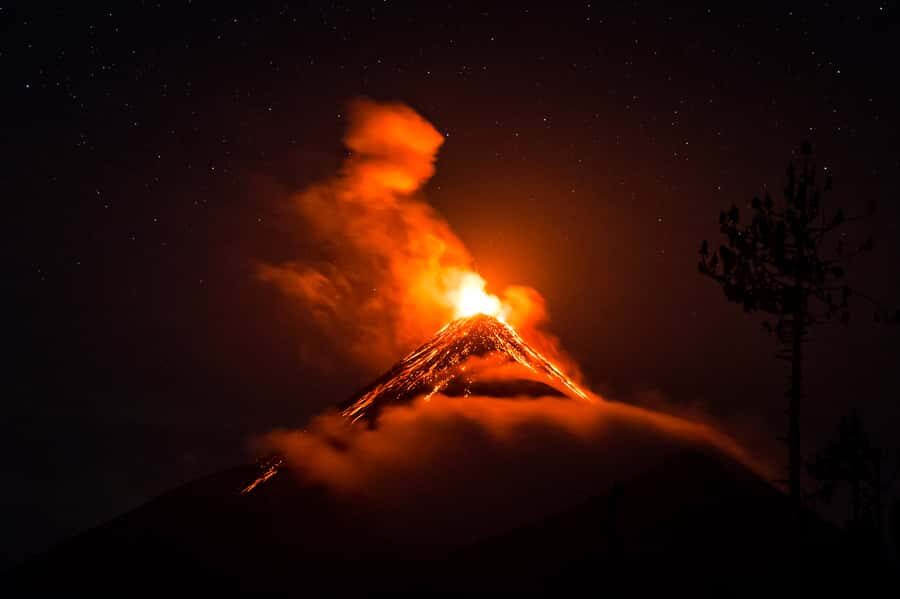
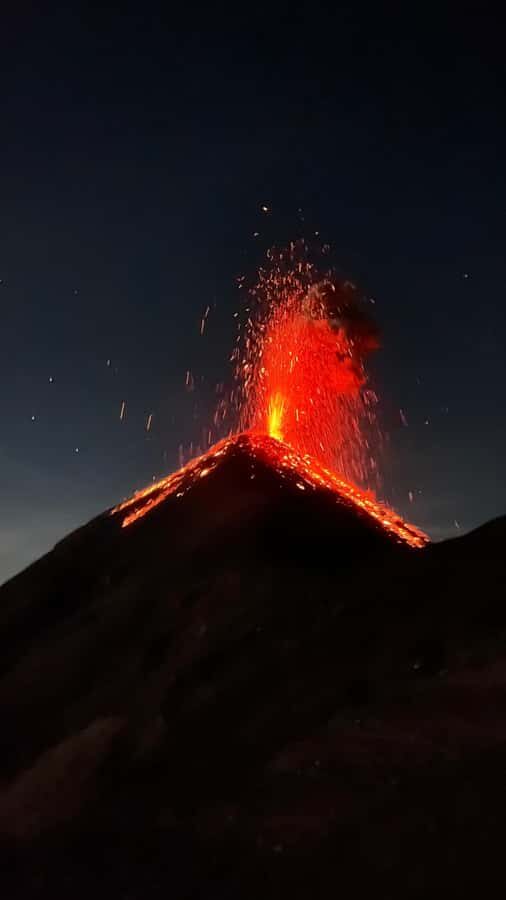
I love the sheer closeness you get to Volcán de Fuego—you’re camped near enough to watch eruptions through the night. I also love the pay-off of Acatenango sunrise views, when the whole highlands feel like one big panorama. One real consideration: the provided cold gear and sleeping setup may not feel warm enough for everyone, so bring extra layers if you run cold.
The best part of the experience is how it balances adventure with structure: a guided, steady pace up through forests and volcanic terrain, then a managed descent back toward Antigua. Guides like Abner, Marcelo, Felipe, Carlos, and Edgar show up repeatedly in people’s stories, and you can feel the emphasis on safety and keeping the group together.
In This Review
- Key things to know before you go
- Antigua to Acatenango: how the timing really feels
- Gear, cabins, and the “cold truth” you should plan for
- Day 1: the Acatenango ascent to base camp (and where Fuego comes in)
- Optional add-on: hike toward Fuego on Day 1
- Sleeping near Fuego: what “base camp” really means
- Day 2: the 4:00 a.m. summit push and sunrise payoff
- Price and value: what $53 covers, and what costs extra
- Guides and group safety: what to expect from the people leading you
- More than hiking: backstrap loom and why it matters
- Who this suits (and who should skip it)
- Should you book this Acatenango 2-day hike from Antigua?
- FAQ
- Where do I get picked up in Antigua?
- What’s the main hiking time on Day 1?
- Do I get food and water during the hike?
- Is the Fuego Volcano add-on hike included?
- Are entrance fees included in the price?
- What sleeping setup is provided for the overnight?
- Do I need my own flashlight or can I rent one?
- What should I bring for the cold and uneven ground?
- What language are the guides, and is this tour for kids?
Key things to know before you go
- Watch Fuego eruptions from camp during sunset into the night at base camp
- 5-hour climb to Acatenango with rest stops, steady group pacing, and a local guide leading the way
- Day 2 starts around 4:00 a.m. for an optional summit push and sunrise
- Shared cabins + zero-degree sleeping bag (still expect real cold at night)
- Extras cost extra: the Fuego add-on hike and entrance fees aren’t included
- You’ll learn more than hiking including the significance of the backstrap loom for weaving
Antigua to Acatenango: how the timing really feels
This is a two-day hike built around big vertical effort, early starts, and the kind of logistics that make sense once you’re in Guatemala’s highlands rhythm.
From Antigua, you meet at the Barco Expeditions office and get picked up between 8:30–9:00 a.m. (you might notice the day can run on island time, so don’t plan anything tight right after you return). Then you head out by shared minivan to a supply station for included food and water, plus cold-weather gear like a jacket, cap, and gloves.
After that, the trip continues toward the trailhead near La Soledad village. You meet your local guide there, get a safety briefing, and go over the plan so everyone knows what the day expects: steady pace, planned breaks, and staying together.
What you’ll like: the day is organized enough that your job is basically to hike, not to figure out timing or navigation.
What to watch: if you’re sensitive to delays, build buffer time into your Antigua schedule.
You can also read our reviews of more tours and experiences in Panajachel.
Gear, cabins, and the “cold truth” you should plan for
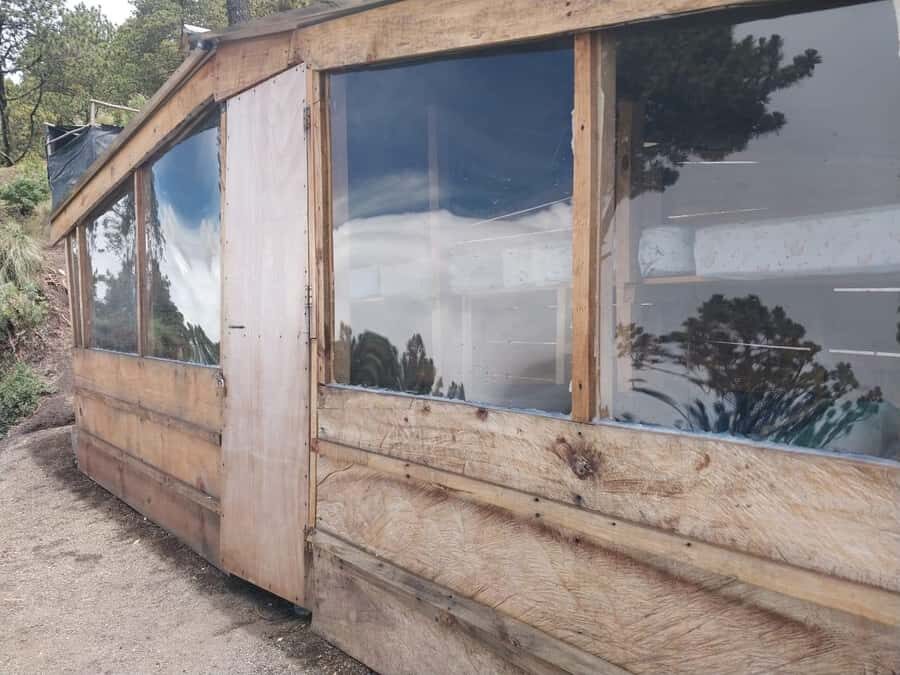
The tour includes a lot of useful winter-minded gear: a zero-degree sleeping bag, bed/mattress, plus gloves, cap, and jacket. You also get a massive hydration assist: 3 liters of water total (one bottle), plus coffee/tea/chocolate.
But here’s the honest part. More than one person noted the provided clothing and sleeping setup may not be thick enough for the cold. Nighttime can feel brutally cold—people have described sub-zero conditions—so the best move is simple: dress like you expect real winter, not like you expect “cool mountain air.”
I recommend packing:
- Warm layers you can actually wear while sitting still (not just for hiking)
- A proper hat and gloves you trust
- Hiking shoes with solid grip (it gets slippery)
- A headlamp/flashlight for moving around in the dark at camp (you may be offered flashlight rentals, but your own headlamp is more dependable)
Also: the tour rules say no smoking and no alcohol/drugs, and they don’t allow pets. Open-toed shoes are out. This is a trekking environment, not a casual stroll.
Day 1: the Acatenango ascent to base camp (and where Fuego comes in)
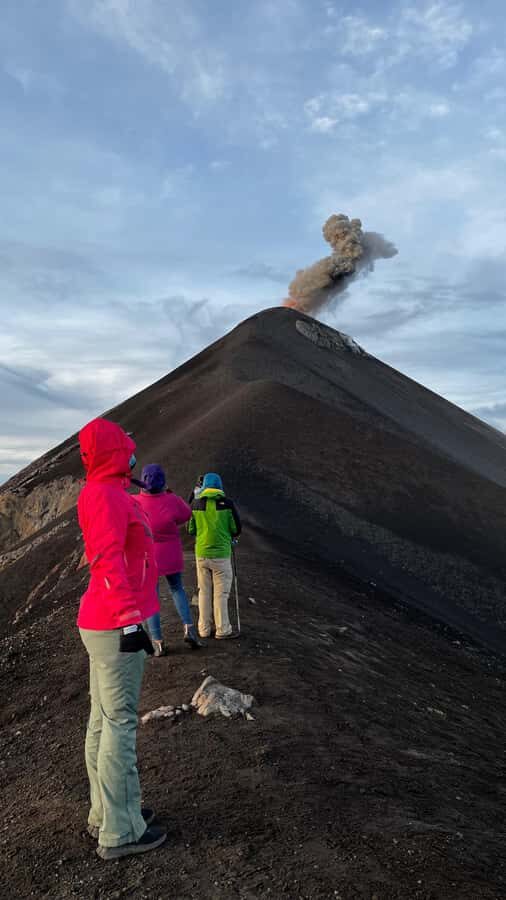
Day 1 is your main workout day. You start from the trailhead near La Soledad Village and climb for about 5 hours. The route moves through a mix of farmlands, cloud forest, and volcanic terrain, which is great because it keeps the hike interesting even when your legs are screaming.
The guide sets a steady pace and the group stays together. Rest stops are frequent enough that slower hikers aren’t left behind, but if you’re very fit, you may feel the pace is more “together” than “fast.” That’s part of the deal with a shared guided trek.
What makes this day special is what you’re building toward:
- By late afternoon, you reach base camp near the summit area.
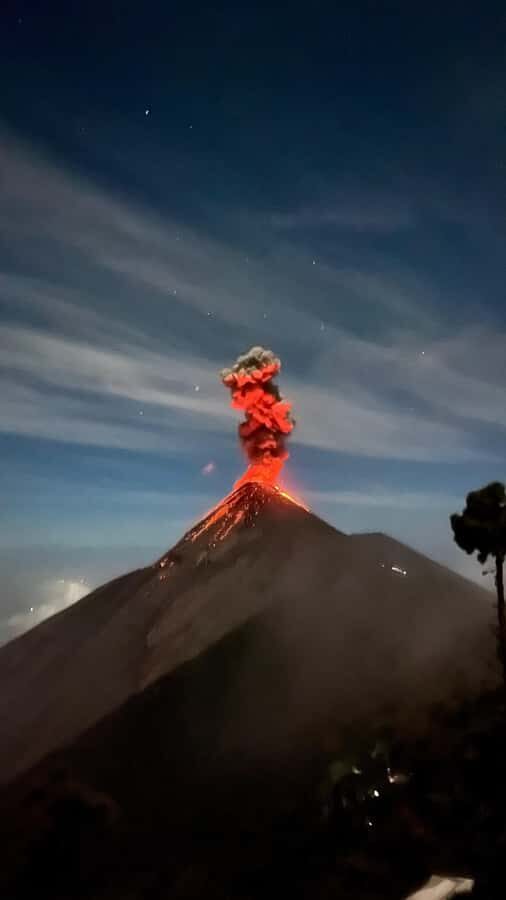
- Then comes sunset, and with it the chance to see Volcán de Fuego’s eruptions across the valley.
Dinner at camp comes after you’ve set up, and then you get the best soundtrack in the world: stars overhead and the constant volcanic glow from Fuego.
Optional add-on: hike toward Fuego on Day 1
If you want to get even closer, there’s an optional extra hike related to Fuego. It’s about 3 hours round trip, and you need to confirm directly with the local guide. The additional cost is Q200 per person.
This is not the kind of add-on you take lightly. You’re already climbing hard that day; this turns Day 1 into a longer, tougher endurance push.
Sleeping near Fuego: what “base camp” really means
Base camp is the reason this trip earns its reputation. You’re not just hiking a mountain. You’re camping close enough to see the other volcano’s activity as the night goes on.
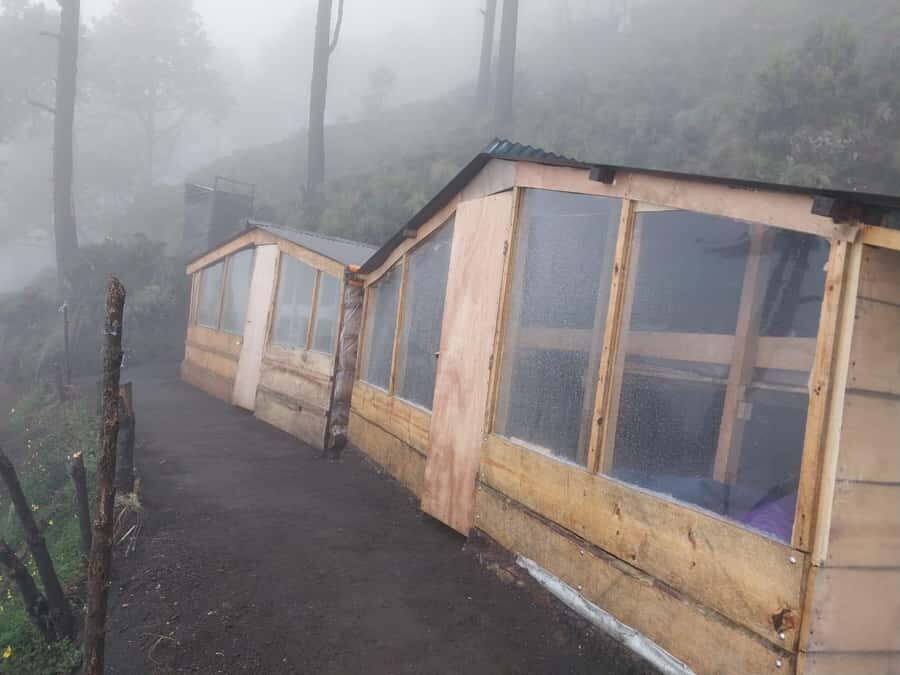
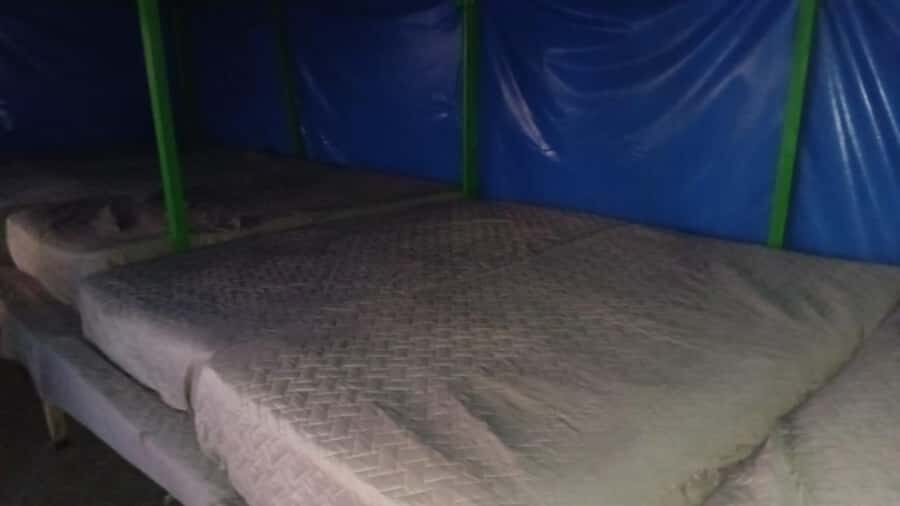
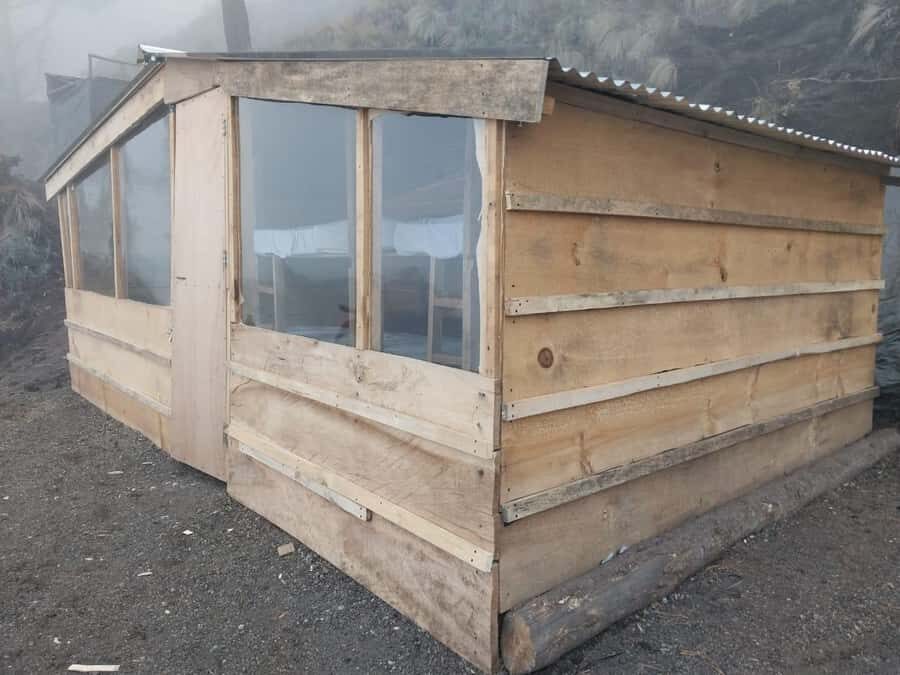
You’ll sleep in shared cabins with a small group (the info lists up to 10 people, and it also notes up to 18 passengers in the overnight setup). Either way, expect a basic backpacker setup: you’ll have a bed/mattress and a zero-degree sleeping bag, but it’s still rustic and still cold.
This is where your layering strategy pays off. If you only rely on what’s provided, you may feel miserable at night. If you pack warm socks, extra warmth layers, and a hat/gloves that you trust, you’ll be more comfortable staying outside briefly to watch the eruptions.
One more practical note: camp life can mean shared time and shared space. Be ready for close quarters and for cooperating with the group schedule—people who work as a unit tend to have the smoothest, least stressful night.
You can also read our reviews of more hiking tours in Panajachel
Day 2: the 4:00 a.m. summit push and sunrise payoff
Day 2 starts early. Around 4:00 a.m., you’ll get the chance to do an optional sunrise hike to the top of Acatenango. If you choose it, you’ll be rewarded with panoramic views over Guatemala’s valleys and volcanoes—and on clear days, views can reach as far as the Pacific Ocean.
This is the part of the trip where weather matters. If the sky is clear, sunrise looks like a reward you earned with every step. If clouds roll in, you’ll still get the experience, but the view may be less dramatic.
After returning to base camp, you’ll have breakfast, then pack up and begin the descent. You follow a similar route down, passing through the same mix of volcanic terrain and cloud forest, and then you reconnect with transport back toward Antigua, typically arriving late morning or early afternoon.
Price and value: what $53 covers, and what costs extra
Let’s do the math like a savvy traveler, because this hike has a “cheap on the headline, but read the fine print” vibe.
The base price (listed as $53 per person) includes a lot:
- Hotel pickup and drop-off in Antigua
- Round-trip transportation
- A Spanish-speaking local guide
- Meals: lunch and dinner on Day 1, breakfast on Day 2
- 3 liters of water
- Cabin sleeping setup: bed, mattress, zero-degree sleeping bag
- Coffee/tea/chocolate
- Cold-weather gear: jacket, cap, gloves
- Vegetarian/vegan/gluten-free menu options (so you can plan without guessing)
But you should budget for:
- Entrance fees: Q100
- Optional Fuego add-on hike: Q200 per person
- Luggage storage in Soledad village: Q15 each
- Optional rentals if you didn’t bring your own gear:
- Wood poles: Q15
- Backpack rental: Q50
- Optional support:
- Porter hire: Q250
- Horse hire one-way support: US $100
Here’s the value lesson: the $53 price makes sense if you show up prepared with good shoes and warm layers. If you arrive under-packed, rental and porter fees can add up quickly. You’ll feel this most on the “night cold” part—having your own layers usually beats paying for marginal warmth.
Guides and group safety: what to expect from the people leading you
The guides matter here because the terrain is steep, the pace is shared, and altitude can hit people even when they think they’re fine.
In the stories tied to this hike, guides like Marcelo, Abner, and teams such as Felipe, Carlos, and Edgar show up with the same themes:
- patience during the climb
- regular checks for hikers who are struggling
- keeping the group together at a steady pace
- responding quickly if someone develops altitude symptoms
You should go in with the right mindset: this hike works best when you don’t try to race ahead. If you keep moving with the group and let the guide manage the plan, you’ll reduce stress and keep everyone safer—especially during dawn darkness and the descent.
More than hiking: backstrap loom and why it matters
One of the highlights isn’t only about volcanoes. You’ll also experience the significance of the backstrap loom for weaving. That matters because it connects the highlands scenery to the people who live there and keep traditions alive.
Even if your main focus is the hike, this kind of cultural stop turns the trip from “I climbed a mountain” into “I learned something while climbing.” It’s a nice counterweight to the physical effort.
Who this suits (and who should skip it)
This is a challenging trek. It’s not ideal for everyone, and the tour info is clear about the limits.
Not suitable for:
- children under 10
- people with back problems, heart problems, respiratory issues, epilepsy
- people with diabetes and kidney problems
- people over 309 lbs (140 kg)
- people over 70 years
It’s also wise to think about altitude. Even fit hikers can get headaches or feel lightheaded. If you have any medical concerns, talk to a clinician before you go.
If you’re generally healthy, enjoy hiking, and can handle steep climbs in cold conditions, you’ll likely find the experience worth it—because the views and Fuego eruptions are the main event.
Should you book this Acatenango 2-day hike from Antigua?
Book it if you want:
- a guided, structured volcano adventure
- the chance to watch Volcán de Fuego eruptions from camp
- a serious sunrise reward from Acatenango
- included meals, gear basics, transport, and local guidance
Skip or think twice if:
- you run cold and don’t want to pack extra layers (you might need more warmth than the included gear)
- you prefer flexible timing and quiet solo travel
- you have any of the medical conditions listed in the tour’s not-suitable notes
- you want a light trek—this one is tough, and the night is cold
If you do book it, do one thing that changes everything: bring your own warm layers and a headlamp. That small prep lets you focus on what you came for—the volcano drama and that sunrise glow over the whole region.
FAQ
Where do I get picked up in Antigua?
You’ll meet at the meeting point in Antigua at the Barco Expeditions Office, with pickup typically between 8:30 am and 9:00 am.
What’s the main hiking time on Day 1?
Day 1’s main ascent to Acatenango takes about 5 hours.
Do I get food and water during the hike?
Yes. The tour includes lunch and dinner on Day 1, plus breakfast on Day 2, along with 3 liters of water. Coffee, tea, or chocolate is also included.
Is the Fuego Volcano add-on hike included?
No. The optional extra hike toward Fuego costs Q200 per person, and you confirm directly with your local guide.
Are entrance fees included in the price?
Entrance fees are not included. You should budget Q100.
What sleeping setup is provided for the overnight?
You’ll sleep in shared cabins with a bed/mattress and a zero-degree sleeping bag.
Do I need my own flashlight or can I rent one?
You can rent flashlights if needed before the tour begins, but your own headlamp/flashlight is usually a safer bet for night hiking and moving around.
What should I bring for the cold and uneven ground?
Bring warm clothing, long pants, good hiking shoes, and rain gear. The tour also recommends gloves, sunscreen, sunglasses, and biodegradable insect repellent.
What language are the guides, and is this tour for kids?
The guide language is Spanish. The tour is not suitable for children under 10.