REVIEW · PANAJACHEL
Lake Atitlan: Mayan Ceremony at the Sacred Caves
Book on GetYourGuide →Operated by Los Elementos Adventure Center · Bookable on GetYourGuide
Lake Atitlán has a way of making you pay attention. This small-group trip takes you up to four sacred Maya caves for a fire-cleansing and protection ceremony, with panoramic lake-and-caldera views that feel earned, not staged. It’s guided by local knowledge and ritual context, so you’re not just watching something cool—you’re learning what it means.
What I like most is the mix of spiritual focus and real sightseeing: you get the ceremony energy at the cave entrances and then the earth-drop views from Eagle Rock. The main drawback to plan around is practical: the cave ceremony can get smoky, and soot may land on skin and clothes, plus the hike is short but uneven and steep in spots.
In This Review
- Key highlights you’ll feel right away
- Getting to the sacred caves from Panajachel
- Nimajay, San Simón, Singing, and Colorado caves
- The smoke factor you should plan for
- Eagle Rock: views over the caldera and a cliff-edge moment
- Why your guide’s Mayan calendar explanations matter
- San Simón/Maximón shrine, colonial church, and the waterfall
- Price and what makes it feel like value at $108
- What to wear: smoky caves, soot, and muddy footsteps
- Group size, language, and how the day actually moves
- Who should book this ceremony-and-caves experience
- Should you book Lake Atitlán’s Sacred Caves ceremony?
- FAQ
- How long is the Lake Atitlán Mayan ceremony tour?
- Where do I meet for the tour?
- Is the shaman ceremony guaranteed?
- What’s included in the price?
- Are food and drinks included?
- Can I cancel and get a full refund?
Key highlights you’ll feel right away
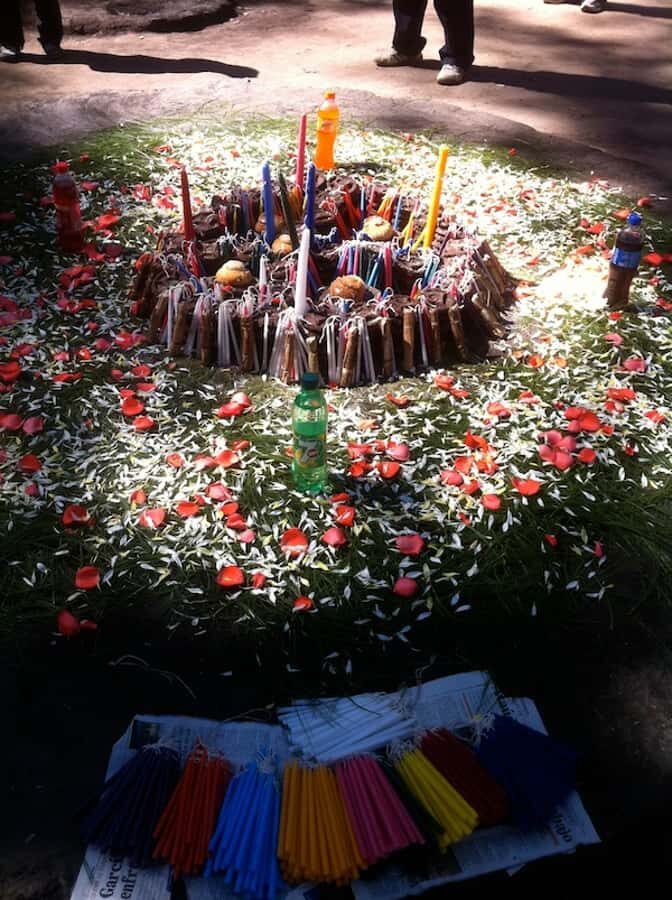
- Four named sacred caves used for fire cleansing and protection
- Ceremony context from your guide, including meanings of Mayan calendar days
- Eagle Rock panoramas over Lake Atitlán and the caldera, with real cliff-edge drama
- Smoke and soot are part of the experience, so dress for it
- Optional shrine stop for San Simón/Maximón plus a colonial church look
- A 200-foot waterfall visit rounds out the day beyond the caves
Getting to the sacred caves from Panajachel
Most people base themselves in Panajachel, and this tour makes that the easy starting point. You meet at Tzanyuyu docks on Calle del Embarcadero (at the Xocomil Travel office area), then you head out by vehicle toward the trail area.
On the ride, you might get a very local-feeling route (including a chicken bus moment described by guests), which is part of why the day doesn’t feel like a sealed-off excursion. The key point: you’re trading long, flat travel for a shorter transfer that gets you into the hills sooner.
Once you’re at the trailhead, the walking starts fast. The hike to the first cave is described as a maximum 20-minute hike. That doesn’t mean it’s easy. Expect a bit of elevation change, some uneven footing, and a trail that’s more “field hike” than “park walkway.” If you’re prone to aching knees, take it slow and trust your guide’s pace.
You can also read our reviews of more tours and experiences in Panajachel.
Nimajay, San Simón, Singing, and Colorado caves
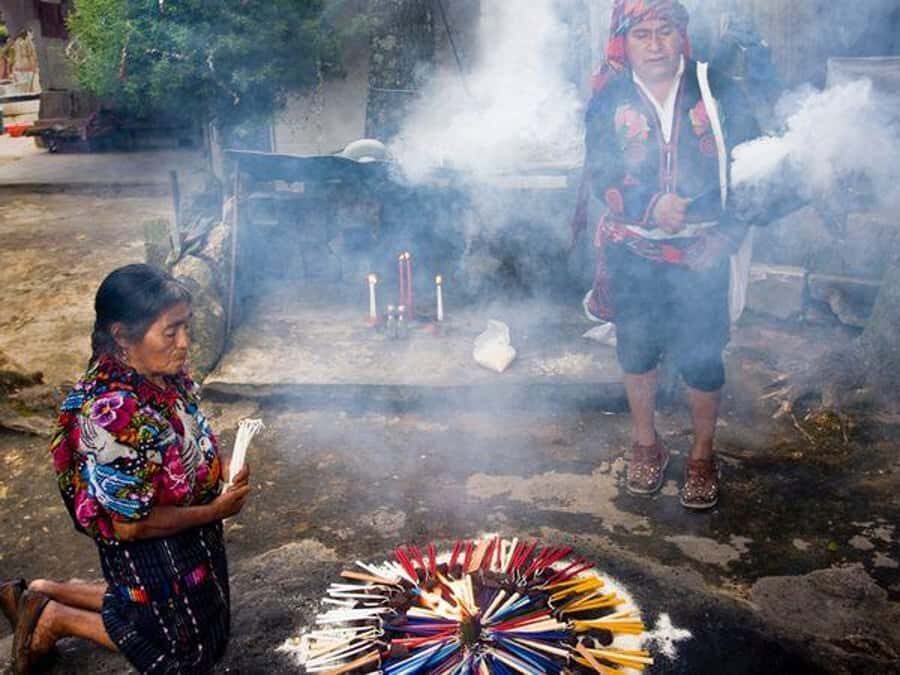
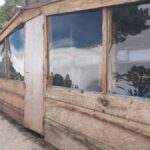
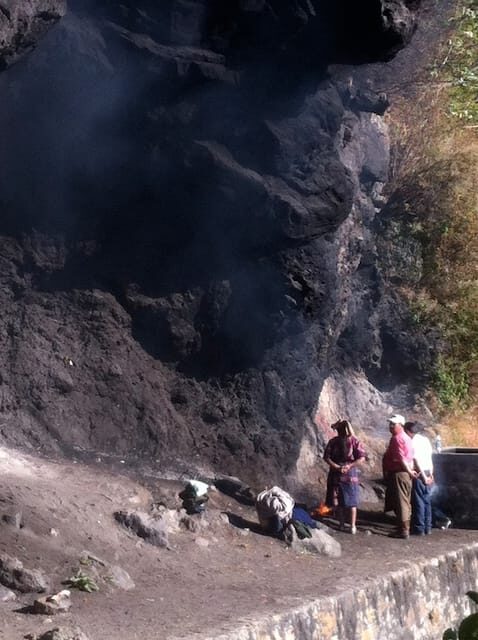
The heart of this experience is the four sacred caves used by the Mayans for centuries. As you approach, the day shifts from scenery to purpose, and you’ll notice how quickly the cave entrances become the main event.
The caves have specific names: Nimajay, San Simón, Singing, and Colorado. Your guide will help connect the ceremony to those spaces. You’ll also be told why the caves are considered holy for this Fire Cleansing and Protection Ceremony, and you’ll hear how highland tribes travel for hours to visit.
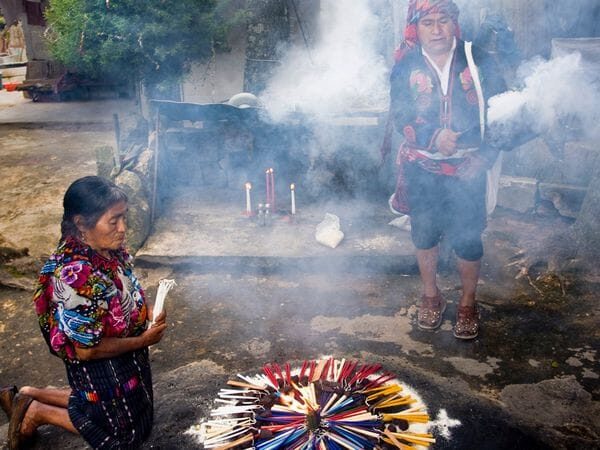
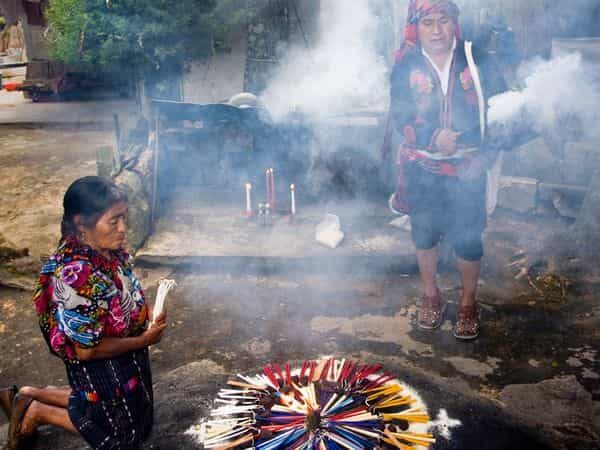
Here’s the practical reality: you may see the shamans perform the ceremony, but it’s not guaranteed. It can happen on most days, though. That’s why I’d treat this as an authentic cultural experience you’re hoping to witness, not a staged show with a guaranteed start time you can bank on.
The smoke factor you should plan for
This is the part you can’t ignore. When the fire and cleansing elements are underway, the cave area can become smoky, and soot may land on skin and clothes. Plan as if you’ll get dirty. Sturdy shoes matter, but so does wearing clothing you don’t mind washing later or at least living with for a day.
One more thing I like about this setup: your guide doesn’t just toss you into the ceremony. They explain what’s happening and what it’s for, which helps you avoid feeling like you’re in the dark while the ritual unfolds.
Eagle Rock: views over the caldera and a cliff-edge moment
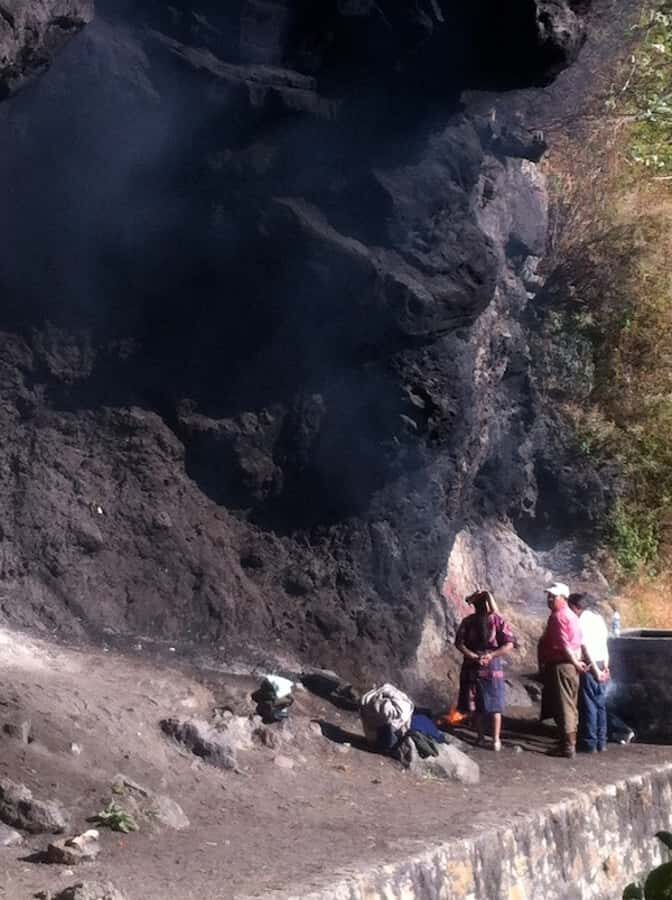
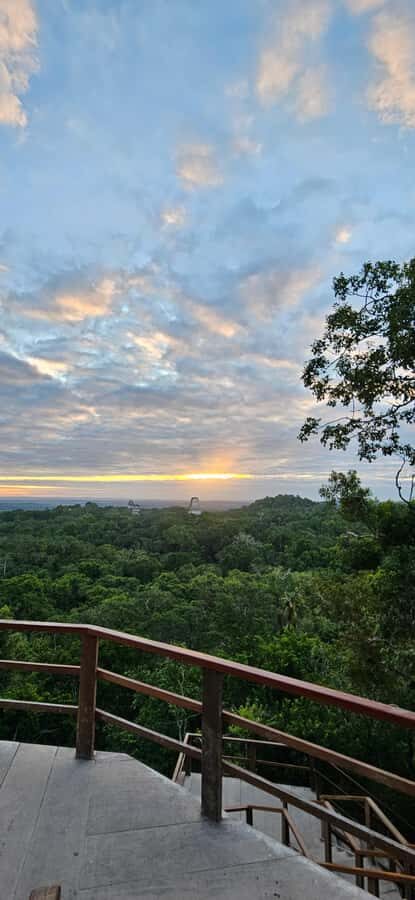
Between ceremony moments, you’ll get rewarded with some serious Lake Atitlán drama. The caves are about 1,200 feet above the lake, and that height shows up fast.
At Eagle Rock, you stand on a high vantage point where the earth drops hundreds of feet around you. It’s the kind of viewpoint where your body understands the scale even if your brain is trying to keep up. Looking out, you’ll see Lake Atitlán and the caldera around it in a way that helps you picture the geography behind the sacred sites.
This stop isn’t just for photos. It also changes how the day feels. After the cave intensity, the open air gives you space to breathe, reset, and actually take in the place you just learned about.
Why your guide’s Mayan calendar explanations matter
This isn’t only a scenic or spiritual stop. A big part of the value is the calendar teaching that happens during the day.
Your guide explains the unique meaning of each day of the Mayan calendar, and they connect that to why ceremonies are carried out when they are. Even if you’ve never studied the calendar before, this kind of explanation helps you understand what you’re seeing as something living and intentional, not random tradition.
The best sign you’re in good hands is whether questions feel welcome. The experience is described with guides who are patient and open, including guides such as Alex, who has been highlighted for being empathetic and deeply rooted in community. Another guide name that shows up is Lee, who has been described as doing a pre-call check-in before handing things over to Alex for the experience.
If you enjoy cultural context—why a ritual exists, how it’s timed, what the guide thinks you should notice—this is the portion that can turn a good outing into a memory that lasts.
San Simón/Maximón shrine, colonial church, and the waterfall
Not every sacred stop happens inside a cave. This tour also includes visits that help round out the cultural mix around Lake Atitlán.
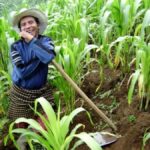
You can visit the shrine linked to San Simón / Maximon, and there’s also time to see the colonial church in the area. These stops matter because they show how layered belief and local practice can be in the region, where older Mayan traditions and later influences have interacted over time.
Then there’s the physical payoff: a hike to a 200-foot waterfall. That’s a nice change of pace after smoke and stones. It’s also a good sign that the day isn’t only about ritual. You’ll have natural scenery too, giving your body a different kind of satisfaction than sitting in ceremony space.
Price and what makes it feel like value at $108
At $108 per person for about 2 hours, it’s not a “cheap and cheerful” add-on. So the question isn’t just whether the tour is worth $108. It’s whether that price buys you something you can’t replicate on your own.
Here’s what you’re getting for the money:
- Round-trip transportation from Panajachel
- Entrance fees
- A small group capped at 8 participants
- A guide who explains the ceremony, the day meanings, and the significance of each cave space
That small-group number matters. In a ceremony setting, you want space to pay attention and time to ask questions. A big group can turn sacred moments into a loud line. A capped group is usually more respectful to the ritual and more comfortable for you.
Also, the tour is built around access. The caves and ceremony context aren’t the kind of thing you stumble into randomly from the street. You’re paying for a guided route to places you’d struggle to find and interpret alone.
If you’re on a tight budget, you might compare it to a basic Atitlán day tour. But if your priority is cultural meaning plus location access, the $108 pricing starts to make sense.
What to wear: smoky caves, soot, and muddy footsteps
This tour has a very clear “what to bring” personality. Based on what guests experience here, I’d plan like this:
- Sturdy shoes you can trust on uneven terrain
- Long clothes or something you don’t mind getting dirty
- Layers, because you can shift from open-air lake views to cave conditions
- Clothing that can handle smoke and soot (and the simple fact that you might not have a perfect way to clean immediately afterward)
Food and drinks aren’t included. So if you’re prone to getting hungry, plan ahead with snacks or plan to eat afterward. Water is also worth having, especially if you’re walking and sweating a bit on the short steep bits.
If the ceremony offers an optional blessing: that’s your choice. The tour notes an optional offering is not required but is available if you want to participate respectfully.
Group size, language, and how the day actually moves
This is a Spanish/English guided experience, and it’s structured for small groups. That means you’re not just floating from viewpoint to viewpoint—you’re moving with attention.
The pace fits into a 2-hour window. With a short hike and multiple stops, that time can feel “full,” not stretched. If you’re the type who wants lots of free time for slow wandering, you might find it compact. If you like a focused route with guide-led meaning, you’ll likely appreciate how quickly the day builds to ceremony, viewpoint, and waterfall.
One more note: pickup and logistics can sometimes be messy on Atitlán days because of local timing and communication. There has been mention of a minor transportation hiccup, but the guide handled it by adjusting and dropping people near a restaurant they wanted. Still, I’d set yourself up with a little patience. You’re in Guatemala, and you’re near water, roads, and human schedules.
Who should book this ceremony-and-caves experience
This tour suits best if:
- You want authentic living culture explained in plain language
- You’re comfortable with the idea that ceremonies can involve smoke and mess
- You like small groups and don’t want to compete with crowds for attention
- You’re curious about the Mayan calendar meaning, not just the dramatic setting
It may not be ideal if:
- You have breathing issues or strong discomfort with smoke exposure
- You dislike uneven footing, steep short climbs, or getting dirty
- You want a guaranteed performance at a specific minute every day
If you go in with respect—quiet attention at the caves and questions for your guide—you’ll get more out of it.
Should you book Lake Atitlán’s Sacred Caves ceremony?
Yes, if your goal is cultural meaning tied to real places, not a generic sightseeing sprint. The combination of four sacred caves, a chance to witness the fire cleansing and protection ceremony, and the payoff of Eagle Rock views makes this feel like a “do it right” outing.
Skip it only if smoke and soot would be a dealbreaker for you, or if you need a fully predictable, no-surprises show. When you’re prepared for the practical bits—sturdy shoes, clothes that can get dirty, and an open mind—this is one of the more memorable ways to experience Lake Atitlán beyond the lakeside cafes.
FAQ
How long is the Lake Atitlán Mayan ceremony tour?
The tour runs for about 2 hours.
Where do I meet for the tour?
You meet in Panajachel at the Tzanyuyu docks area, Calle del Embarcadero 4-86 (near the Xocomil Travel office).
Is the shaman ceremony guaranteed?
No. The shamans perform the ceremony on most days, but it is not guaranteed.
What’s included in the price?
Entrance fees and round-trip transportation from Panajachel are included.
Are food and drinks included?
No. Food and drinks are not included.
Can I cancel and get a full refund?
Yes. You can cancel up to 24 hours in advance for a full refund.