REVIEW · ANTIGUA GUATEMALA
Coffee Tour in Antigua Guatemala
Book on GetYourGuide →Operated by Via-Guate · Bookable on GetYourGuide
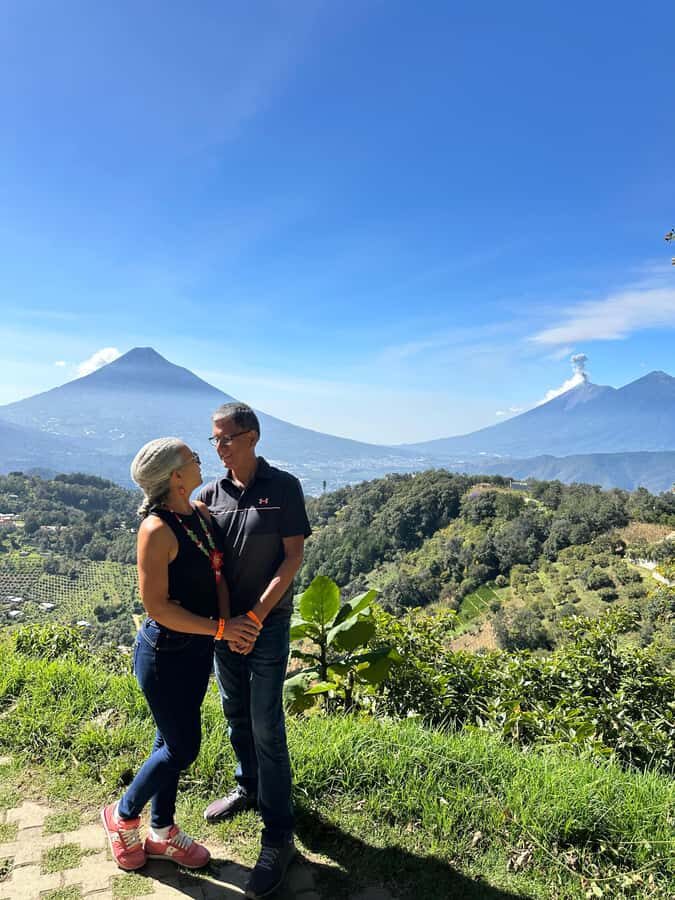
Coffee with a farm view beats any café. You get a hands-on look at the Guatemalan coffee process at a traditional farm near Antigua, then a farm-to-cup tasting that makes the whole drink feel personal. I also like the small group setup, because you can ask real questions and get straight answers from the people doing the work every day.
What I love most is how practical it all feels: you walk the fields, learn the stages from planting and cutting through processing, and hear how the coffee system connects to daily farm life. One possible drawback to consider: at $69 per person, the value depends on your priorities. If you are price-sensitive or you mainly want to buy coffee at the end, there’s a chance it may not line up with what you expect.
In This Review
- Key highlights worth knowing
- A Morning Start on Antigua’s Ruta del Café
- Ciudad Vieja Time: Your Guided Context Before the Fields
- Inside a Traditional Coffee Farm Near Antigua
- Planting to Processing: What the Stages Really Teach You
- The Coffee Map Lesson: Varieties and Eight Regions
- Farm Fresh Tasting: Turning Knowledge Into a Cup
- Price and Logistics: Is $69 Worth It?
- Who This Tour Fits Best in Your Antigua Plan
- Should You Book This Coffee Tour Near Antigua?
- FAQ
- What time does the tour start?
- How long is the coffee tour?
- Where does the tour start and end?
- Is this a small group tour?
- What languages are available for the tour guide?
- What’s included in the price?
- What do you do during the farm visit?
- Is there free cancellation or a pay-later option?
Key highlights worth knowing
- Working farm visit near Antigua on the Ruta del Café, not a demo-only experience
- Small group of up to 10 for better Q&A and a calmer pace
- Clear walkthrough of coffee stages from field work to processing
- Eight coffee regions and local varieties explained in plain terms
- Fresh tasting straight from the farm, with aromas you can actually notice
A Morning Start on Antigua’s Ruta del Café
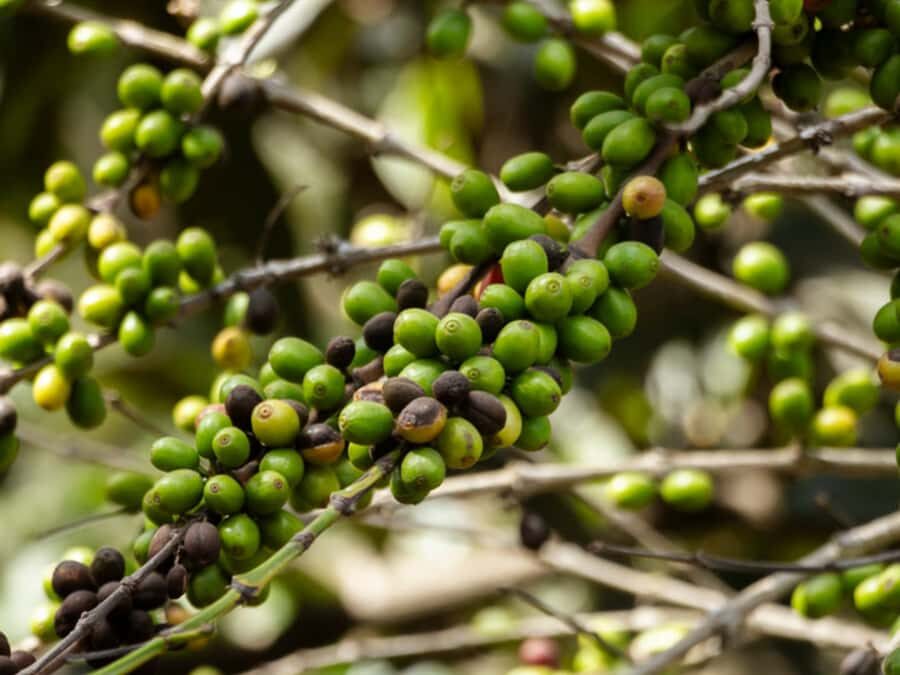
This tour runs in the first half of the day, starting with pickup in Antigua Guatemala at 9:00 AM. You’ll ride with the group from your lodging to a traditional coffee farm in the Sacatepéquez area. The timing matters here: coffee work is early, and you’re seeing the day’s rhythm rather than a staged performance.
The whole experience is 210 minutes, and you’re back in Antigua by about 12:30 PM. That’s a sweet spot if you want something focused without losing your afternoon to a long bus ride. It also makes it easier to pair with other Antigua plans, like a market morning or a relaxed lunch afterward.
You also get a live guide who speaks Spanish and English. In a good tour, language isn’t just for translation. Here, it’s for clarity. Coffee has a lot of jargon, and the best part is learning what words actually mean when you stand in front of the plants and the processing steps.
A few more Antigua Guatemala tours and experiences worth a look
Ciudad Vieja Time: Your Guided Context Before the Fields
Your route includes a guided stop in the Ciudad Vieja area for about two hours as part of the main experience. Think of this as your on-ramp. Instead of jumping straight into coffee facts, you get a sense of where this culture fits into everyday Guatemala.
This is also where the pace feels right. You’re not rushing through terms. You’re getting the story first, then stepping into the farm work with that context in your head. If you’ve ever tried to learn about coffee from a label or a menu, you know how confusing it can get. A guide helps connect the dots so you don’t walk away with random words.
A small note: if you’re the type who loves maximum photo time and minimal talking, plan to listen. This tour is built around explanations and questions, not silent wandering.
Inside a Traditional Coffee Farm Near Antigua
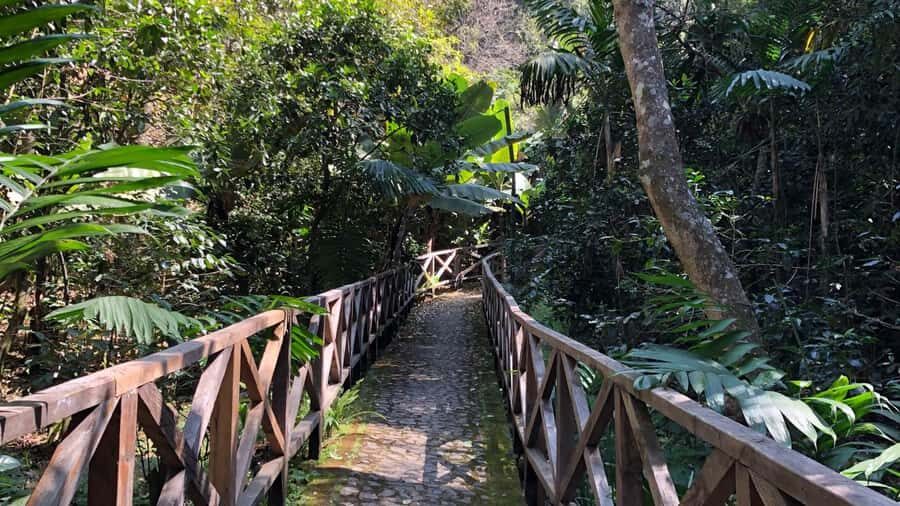
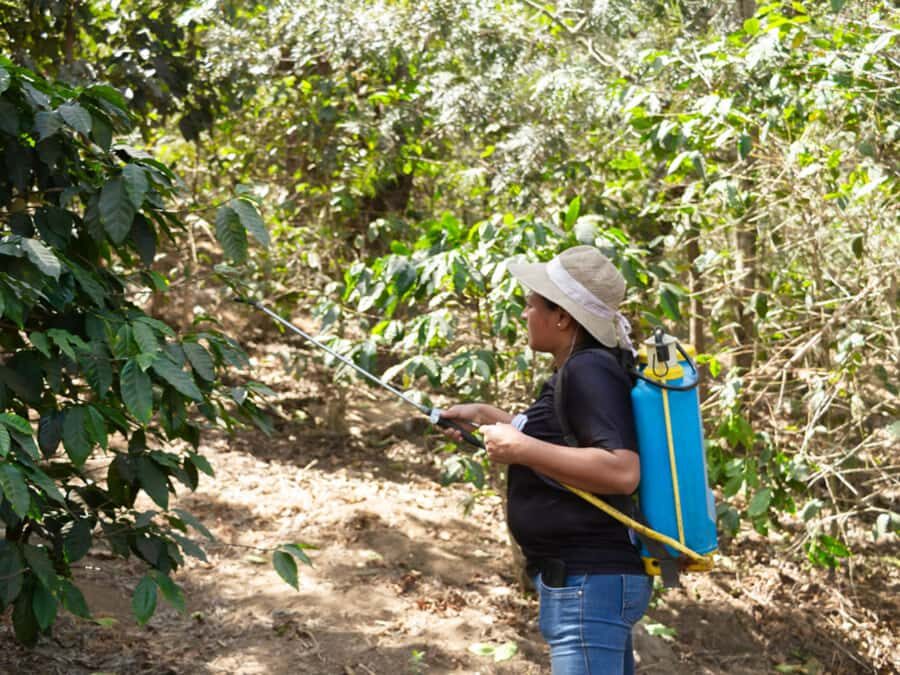
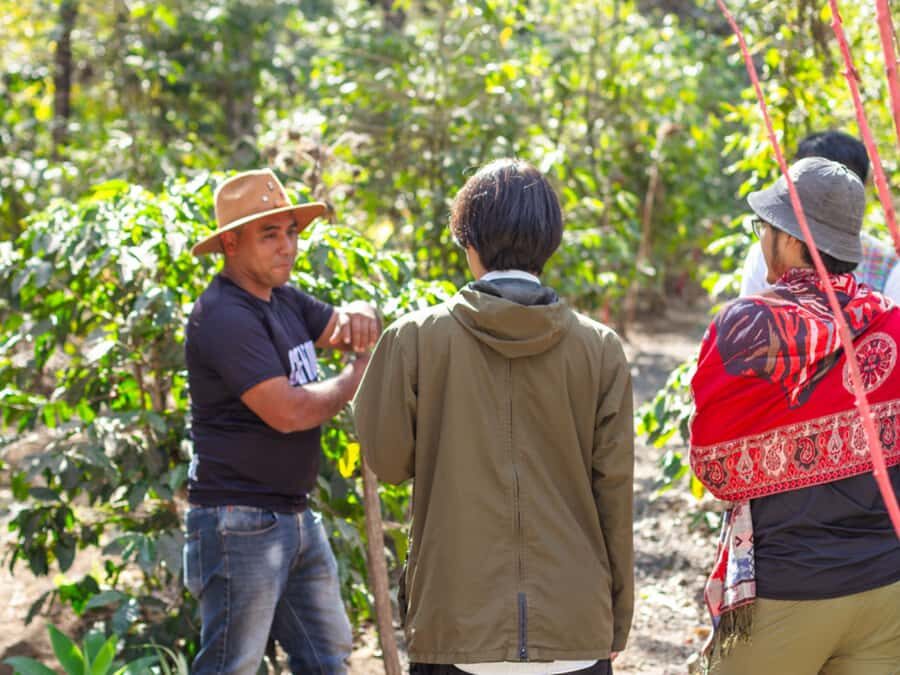
At around 9:30 AM, you begin the farm tour. The setting is a real, working place, tied to a local family’s coffee tradition. You’ll explore the fields and learn the stages of production, including planting and cutting, and then how the coffee moves into processing.
Here’s what makes this part special for you: the tour isn’t just about how coffee ends up in a cup. It’s about how coffee is managed like a long-term crop. Coffee isn’t a quick harvest crop, and the tour’s value is that you see the effort behind the timing—what gets done when, and why.
One thing I appreciate from accounts of this visit is that the farm isn’t coffee-only. The finca can include other crops—vegetables and fruit—helping the family support itself and time the harvests. That makes the experience feel grounded. You’re not seeing a themed set. You’re seeing how coffee fits into a broader agricultural life.
Also, this is where the guide quality really shows. Several guests highlighted how helpful the farmer and family were with explanations and questions. When the person teaching is the person working the land, you get practical answers instead of textbook lines.
Planting to Processing: What the Stages Really Teach You
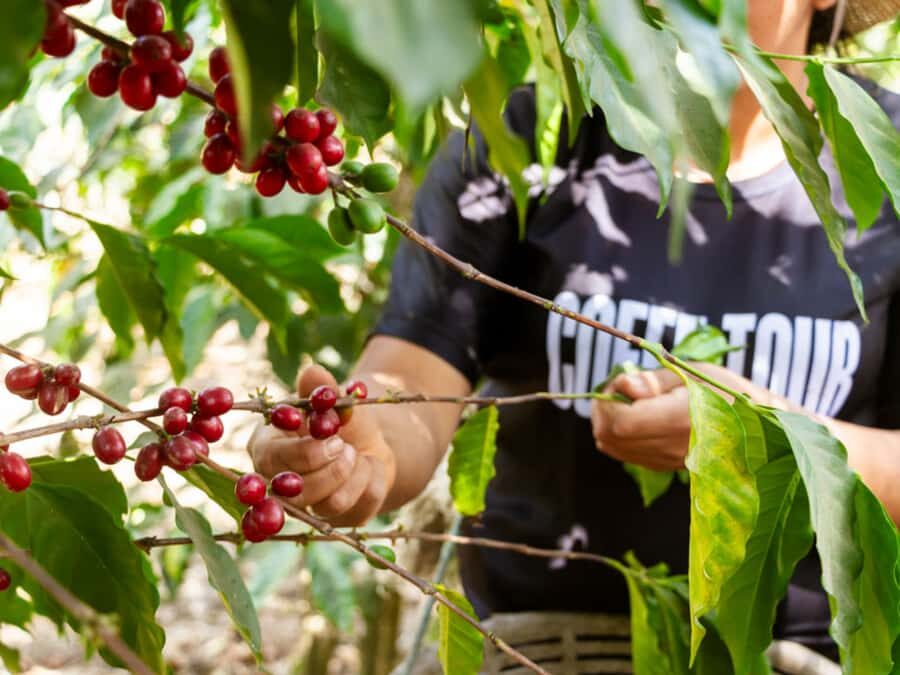
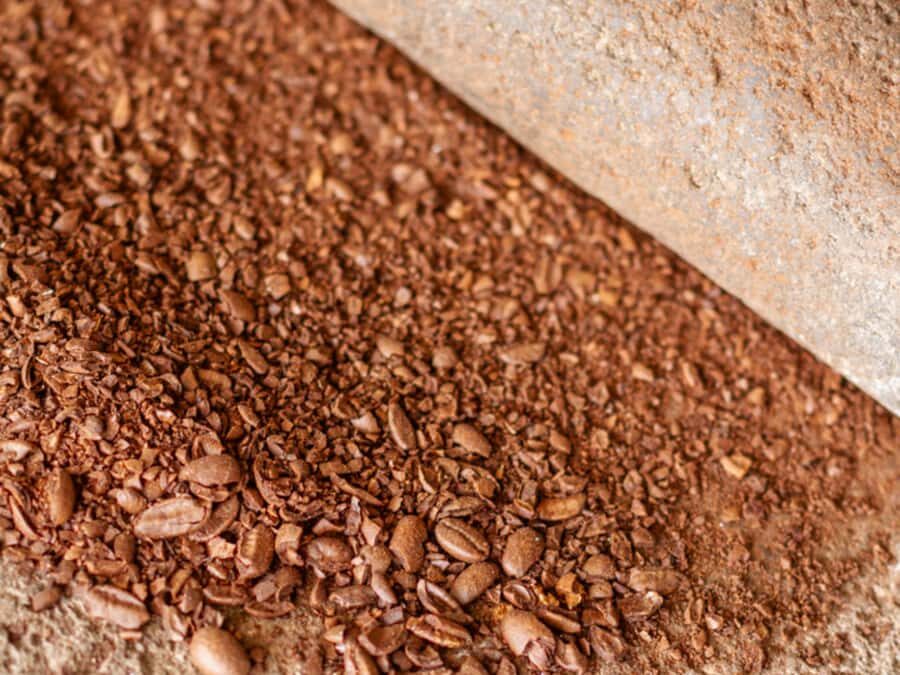
The heart of the tour is walking through the coffee production chain in sequence. You’ll learn about the stages, including the work in the fields (like planting and cutting) and then what happens during processing. The point isn’t memorizing every step forever. The point is understanding the logic behind each step.
When you see the stages in order, you start to connect cause and effect. For example, if processing methods change, the final cup can change too. If you’ve only ever tasted coffee and tried to guess why it tastes a certain way, this is the lesson that finally makes it click.
You’ll also get help interpreting what you’re seeing. Coffee farms use terms that sound complicated until someone explains them in real-life terms. Expect explanations focused on what the family does and what each stage contributes.
And yes, there’s a practical side to it. One guest noted that even making a cup of coffee takes more than pushing a button—there’s technique involved. That’s a theme worth remembering as you go deeper: coffee culture here isn’t just taste. It’s process.
The Coffee Map Lesson: Varieties and Eight Regions
One of the most interesting parts is the discussion of the eight coffee regions that contribute to Guatemala’s coffee character. You’ll learn how different regions relate to the varieties and what makes Guatemalan coffee unique.
This is valuable even if you are a casual coffee drinker, because it gives you a framework for how to think when you’re buying coffee later. Instead of saying, I like this, you start to notice patterns: different origins feel different in aroma and flavor.
The tour also emphasizes varieties and regions rather than treating coffee like one product with one story. That’s important for you if you’ve ever felt confused by origin labels. A good guide helps you understand what the origin label is trying to tell you.
No one will pretend the cup is a magic trick. What you’re getting is a structured way to appreciate differences, learned in a place where those differences are grown and processed—not just printed on a bag.
Farm Fresh Tasting: Turning Knowledge Into a Cup
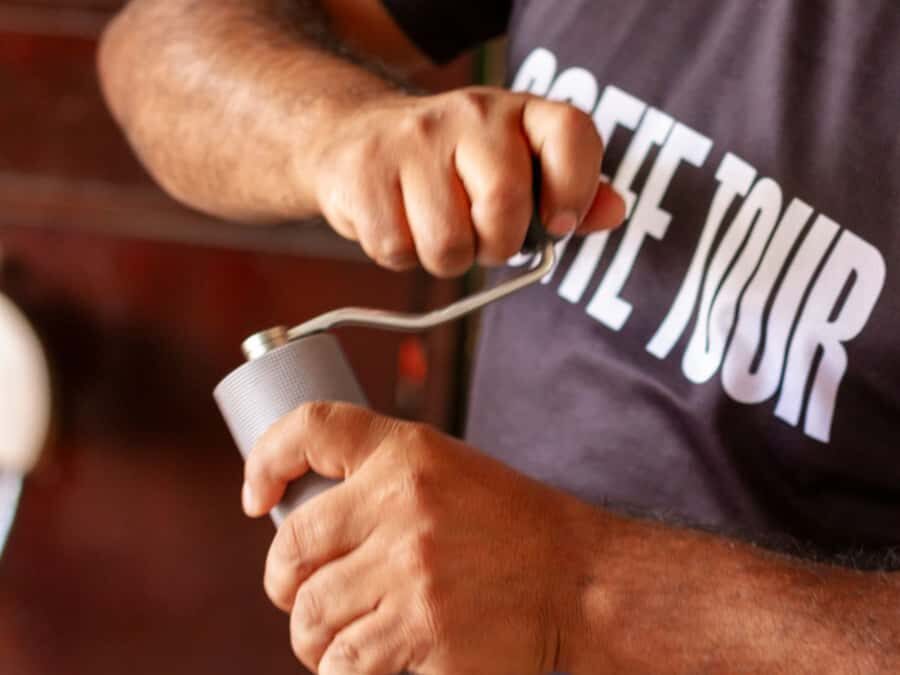
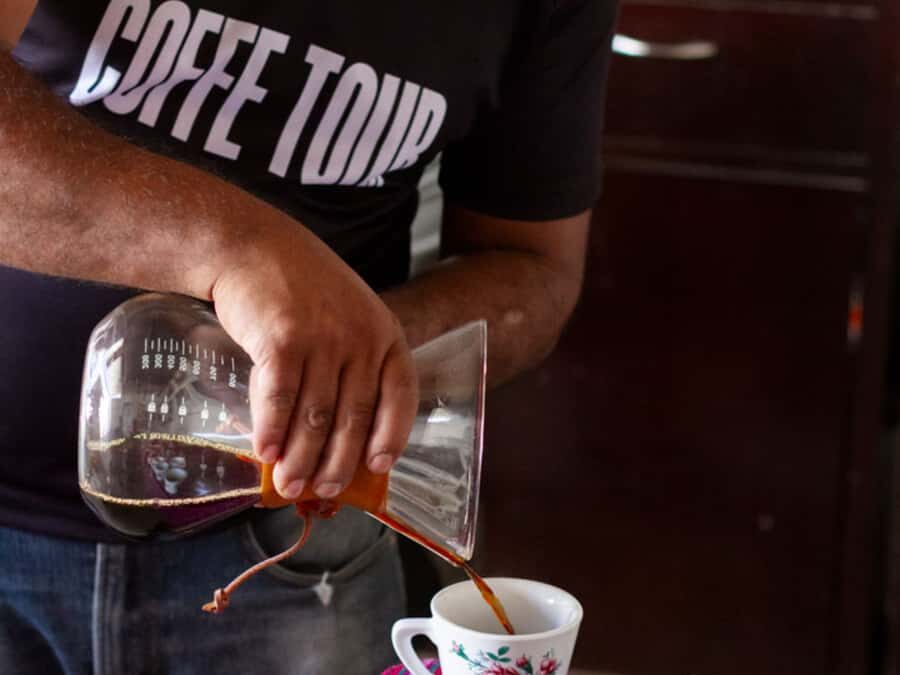
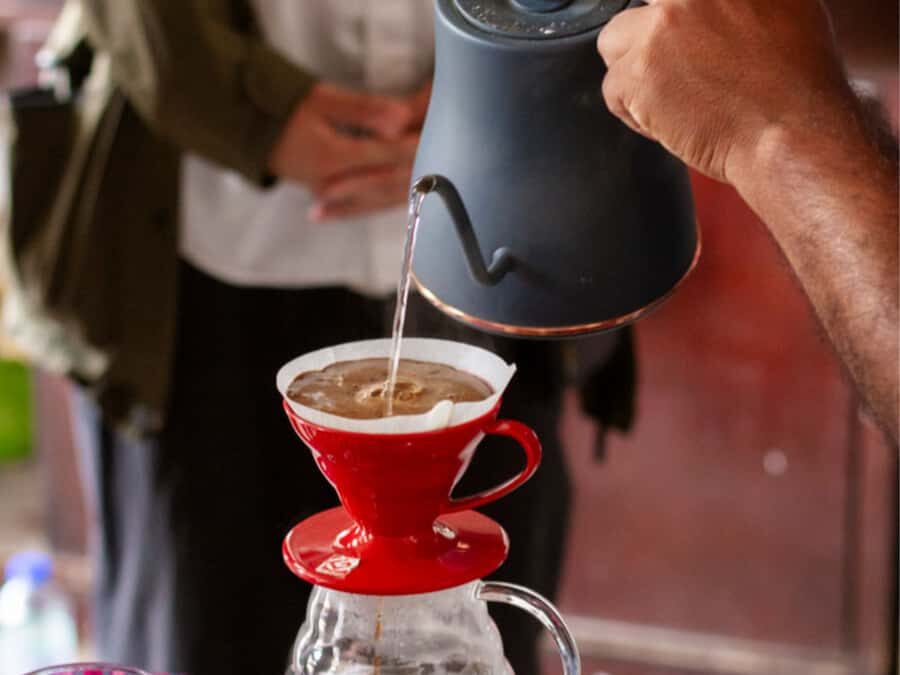
After the farm tour, you finish with a tasting of fresh coffee straight from the farm. This is where the experience stops being educational and turns into personal. You start to smell and notice what you learned.
Expect intense aromas, because you’re tasting something recently processed and connected to the farm’s work. That aroma hit is part science, part memory. Once you’ve walked the fields and heard the stages explained, your brain starts matching the story to the cup.
You’ll likely appreciate the work behind each drink in a new way. Multiple accounts point out that the cup isn’t just a quick pleasure; it’s the result of labor, timing, and processing decisions. That doesn’t mean the coffee will taste the same as every specialty café you’ve tried. It means you’ll taste it with context.
One consideration: some people were disappointed that they couldn’t buy coffee at the end because a small producer may sell out. The tour experience itself includes tasting, but retail availability can be unpredictable on a working farm.
Price and Logistics: Is $69 Worth It?
At $69 per person for 210 minutes, the price feels fair or steep depending on what you want from the morning. Here’s the practical breakdown of value:
You’re not just paying for a tasting. You’re paying for:
- Transportation from your lodging
- A live guide in Spanish and English
- Entrance
- A structured farm walkthrough
- Coffee tasting
For me, the best argument for the price is the farm relationship. A small-group setting limited to 10 participants means the guide can slow down when you ask questions. It also means you spend your time learning and tasting instead of waiting for a long line or a bus shuffle.
But there’s another side. One guest felt it was overpriced compared with other booking routes. That doesn’t automatically mean the tour is bad—it means you should compare value based on what’s included and how much you care about the guide-led experience versus just getting to a farm.
If you’re the kind of traveler who enjoys coffee as a hobby, this morning can pay off fast: you leave with knowledge you can use when you buy coffee next time.
Who This Tour Fits Best in Your Antigua Plan
This is a great match if you want an authentic culture-and-nature morning near Antigua. It’s also ideal if you care about coffee beyond taste—if you like learning how things are grown and processed.
You’ll probably enjoy it if:
- You love coffee and want a real farm process lesson
- You prefer small groups and real questions
- You want a meaningful half-day plan that fits into Antigua
You might reconsider if:
- You mainly want a relaxed, scenic walk with minimal instruction
- You are budget-focused and open to finding alternatives outside this structure
- You specifically want guaranteed time to shop for coffee afterward (availability can be limited)
Should You Book This Coffee Tour Near Antigua?
Yes—if coffee is one of your travel interests, book it. The combination of a working farm, a small group, and a tasting that follows a clear explanation makes this more than a one-note activity. You’ll come away with a better way to understand Guatemalan coffee: how the stages connect, and why regions and varieties matter.
Just go in with the right expectations. The price is part of the package, and it may feel high if you are comparing options purely by cost. Also, if buying coffee at the end is a priority, remember a small family farm may run out when supply is tight.
If you want a morning that mixes agriculture, culture, and a cup you’ll remember, this is one of those tours that actually justifies the time.
FAQ
What time does the tour start?
Pickup is in Antigua Guatemala at 9:00 AM.
How long is the coffee tour?
The duration is 210 minutes (about 3.5 hours).
Where does the tour start and end?
You’re picked up in Antigua Guatemala and return to Antigua Guatemala at the end of the experience.
Is this a small group tour?
Yes. The group is limited to 10 participants.
What languages are available for the tour guide?
The guide is available in Spanish and English.
What’s included in the price?
The experience includes a guide, transportation from your lodging, tasting, and entrance.
What do you do during the farm visit?
You explore the traditional farm and learn the Guatemalan coffee process, including stages like planting and cutting, processing, and coffee varieties and regions.
Is there free cancellation or a pay-later option?
Yes. You can cancel up to 24 hours in advance for a full refund, and you can reserve now & pay later (pay nothing today).