REVIEW · ANTIGUA GUATEMALA
Chichicastenango and Iximché One Day Tour
Book on GetYourGuide →Operated by Guatemalan Adventure · Bookable on GetYourGuide
Two capitals in one long day: Iximché and Chichicastenango. I love the guided look at Iximché, Guatemala’s first capital, and the way Indigenous visitors still show up there. I also like Chichicastenango market time, with real people trading and selling crafts and food. The main drawback to plan for is that the schedule can get tight if roads or crowds slow things down, especially on busier days.
You’re signing up for a 12-hour day with a professional English-speaking guide, plus entrances and taxes included. Lunch is on your own, so you’ll want to keep some cash ready and not count on a relaxed, sit-down meal for the whole group.
In This Review
- Key highlights worth your attention
- Iximché: Guatemala’s first capital, not just stones
- How the guide experience changes the day
- Chichicastenango market time: where to shop and how to not get stuck
- Santo Tomás church: the Popol Vuh link you’ll remember
- Timing and transportation: the real challenge on a 12-hour day
- Lunch reality: plan for an extra expense
- Price and value: what $108 includes (and what it doesn’t)
- Group dynamics: crowds, language mix, and how you’ll feel
- What to bring so the day feels comfortable
- Should you book the Chichicastenango and Iximché one-day tour?
- FAQ
- How long is the Chichicastenango and Iximché one-day tour?
- What does the tour cost?
- Where is pickup included?
- What’s included in the price?
- Are meals included?
- What languages are available for the host or greeter?
- What should I bring?
- Is cancellation free?
- Are there any entrance fees you need to pay separately?
Key highlights worth your attention
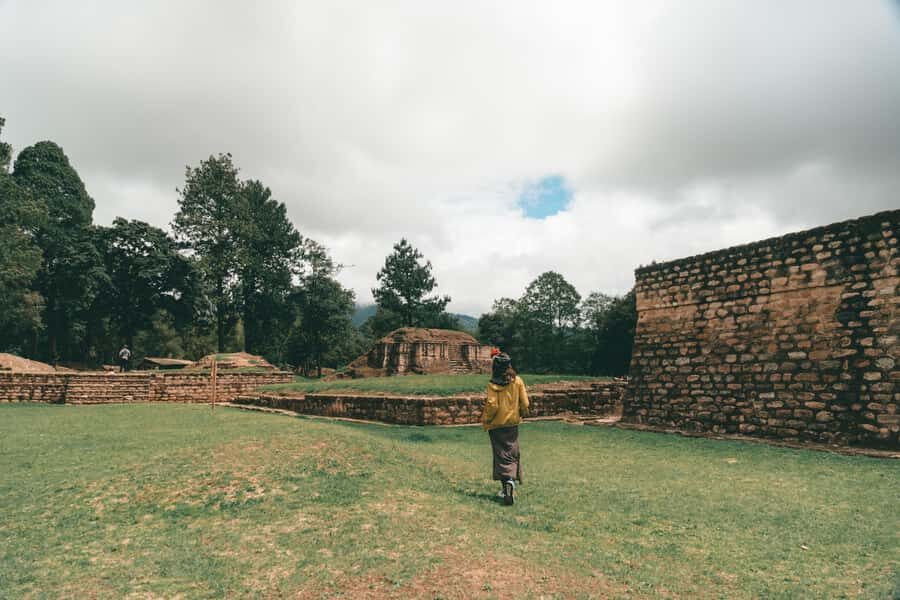
- Iximché ruins that still feel used: watch Indigenous community members visiting the site today.
- A chance at a Mayan ceremony: the day can include a real ritual if timing lines up.
- Chichicastenango market variety: fruits, veggies, textiles, and plenty of craft goods.
- Santo Tomás church and the Popol Vuh: see the religious site tied to the sacred book’s discovery.
- Crowds are part of the experience: expect lots of people and plan your pace and shopping strategy.
Iximché: Guatemala’s first capital, not just stones
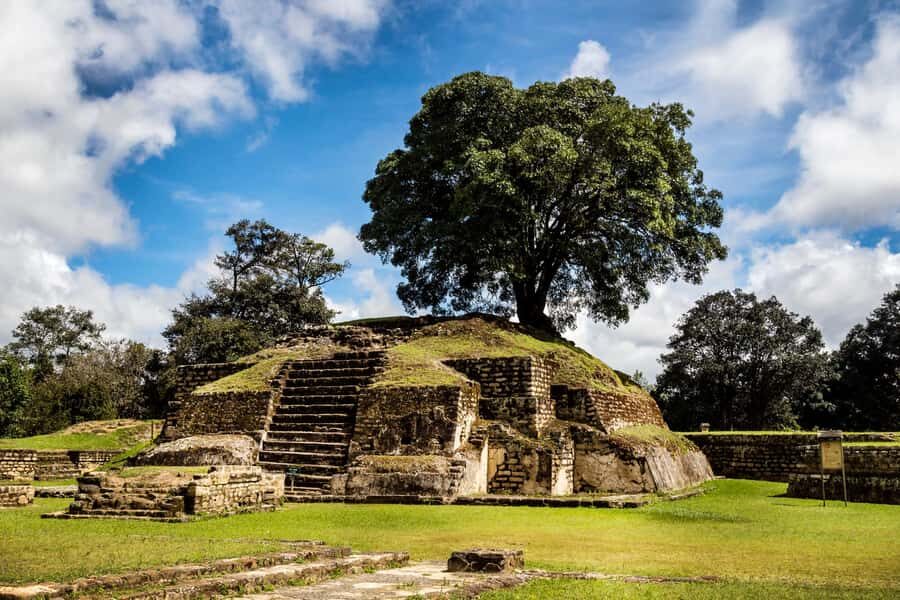
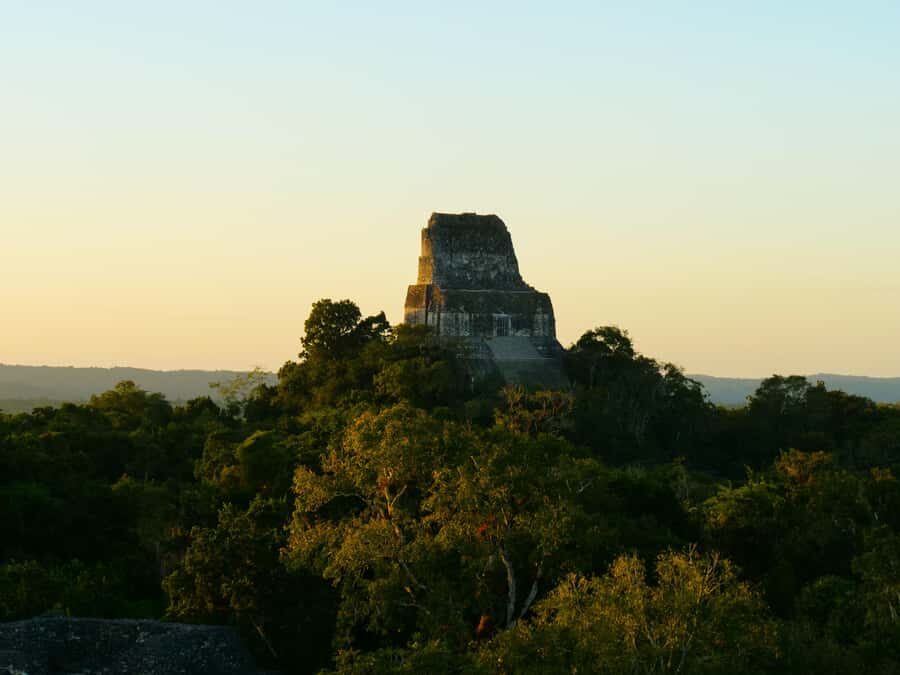
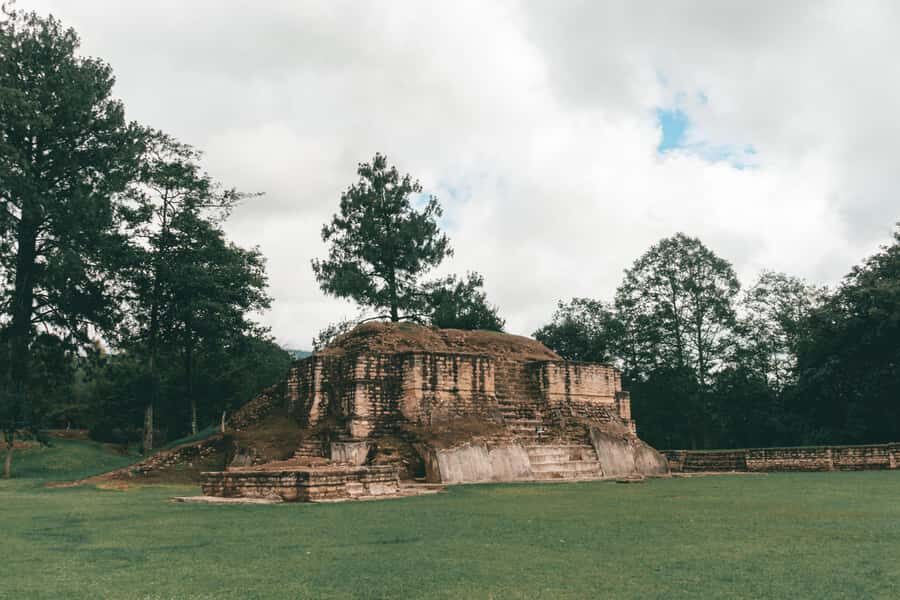
Iximché is the kind of place that makes history feel less like a textbook and more like a living setting. The ruins are tied to the Maya world, and what makes this stop special is that you’re not only learning from a guide—you’re also watching Indigenous visitors who still come to the site.
Your visit starts with a guided tour at Iximché, which matters because the complex can be hard to read on your own. A good guide helps you connect what you’re seeing with why it mattered, and that’s where the time feels worth it rather than just walking around.
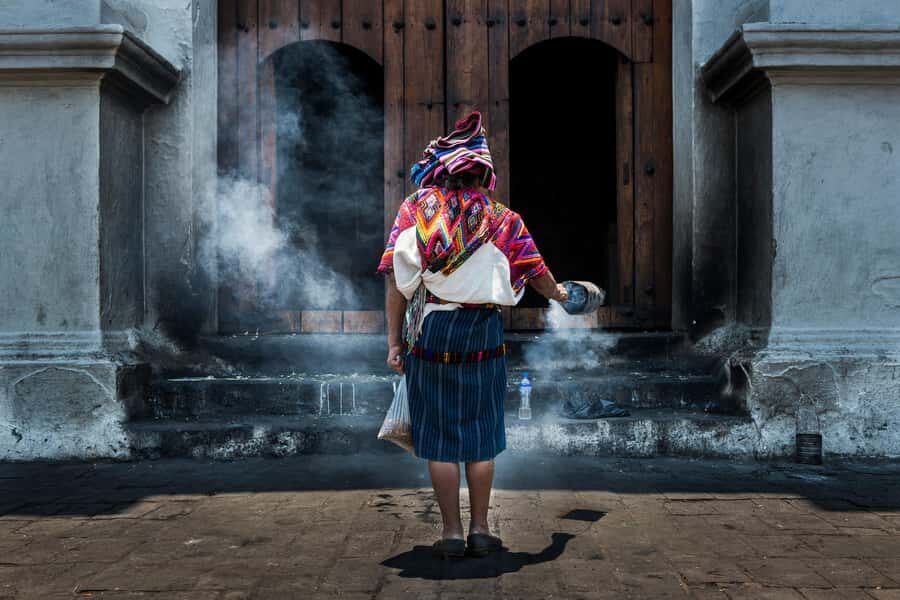
One practical note: the tour also mentions the possibility of a Mayan ceremony if you’re lucky. I’d treat that as a bonus, not a guarantee. If it happens, be respectful, stay where you’re directed, and don’t try to turn it into a photo safari.
A few more Antigua Guatemala tours and experiences worth a look

How the guide experience changes the day
This is a long tour, so the guide can make or break the feeling of the day. The tour includes a professional English-speaking guide, and the feedback I’ve seen highlights names like Oscar and Gustavo for being proactive, attentive, and good at answering questions.
If you’re the kind of traveler who likes context—why something was built, how people used a space, what a tradition means—this is the format that fits you. If you prefer silent strolls and minimal talking, the pace may feel structured.
Also pay attention to language balance in the group. One past experience flagged that mixed Spanish and English groups can mean descriptions take longer, so you might have less time for questions or extra wandering.
Chichicastenango market time: where to shop and how to not get stuck
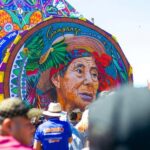
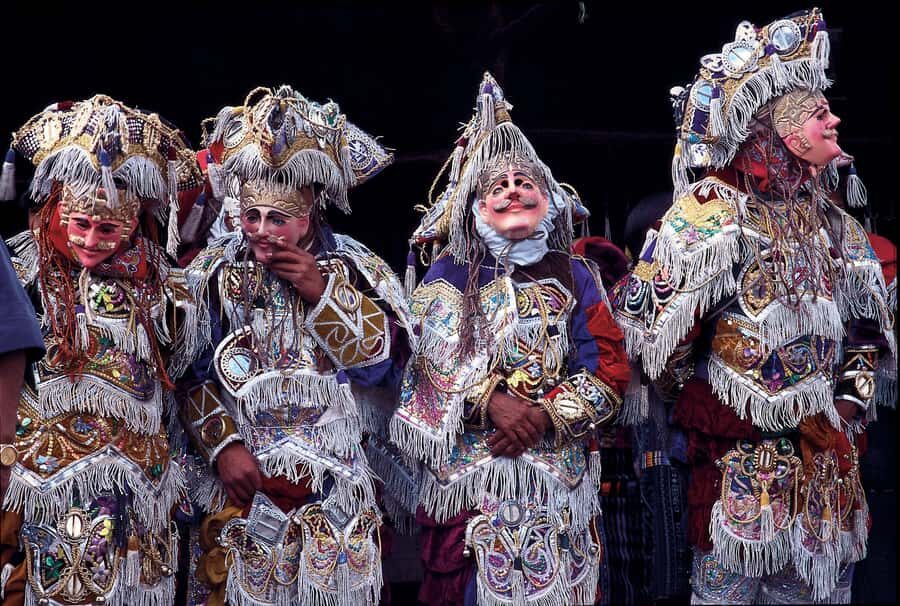
Chichicastenango is one of those markets where everything happens at once: exchanges, bargaining, sorting goods, and moving between stalls. The tour gives you time to explore an open market and see ongoing trade between Indigenous sellers and visitors.
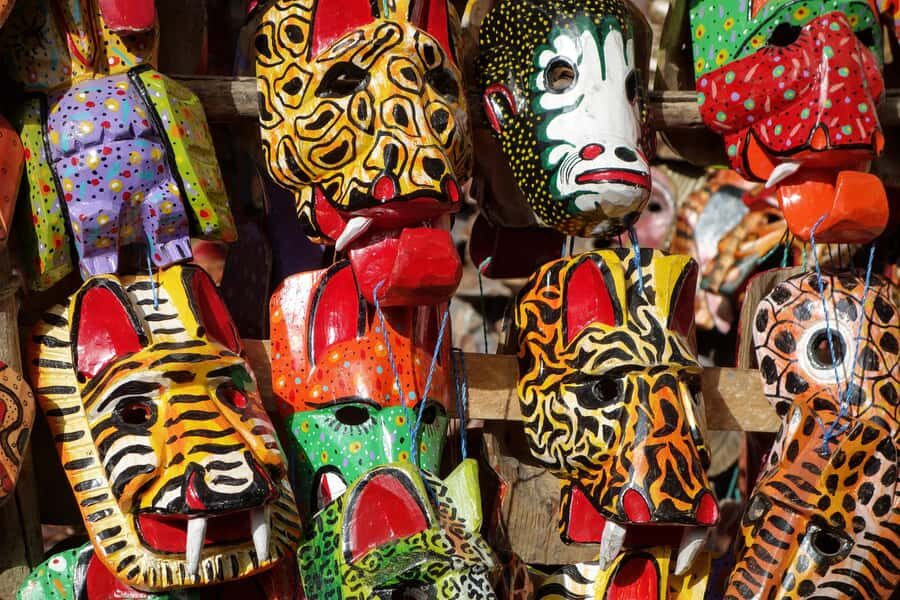
What I like about this stop is the range. You’re not just looking at one category of souvenir goods—you’re seeing fruits and vegetables, handicrafts, ceramics, and wood products. You can also buy things that connect to the offerings made for pre-Hispanic altars associated with Mayan priests, which gives your shopping more meaning than just buying a trinket.
Crowds can be heavy here. One comment pointed out that when there are many people, it’s harder to move around. For you, that means two things: wear comfortable shoes, and don’t expect to shop the way you would in a calmer market back home.
A smart approach: decide what you want before you get swept up in it. If you’re focused on textiles, keep an eye on sizing and quality. If you’re browsing ceramics or wood, compare a few stalls before buying so you don’t end up paying for the first thing that catches your eye.
Santo Tomás church: the Popol Vuh link you’ll remember
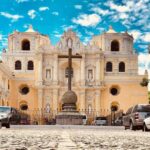
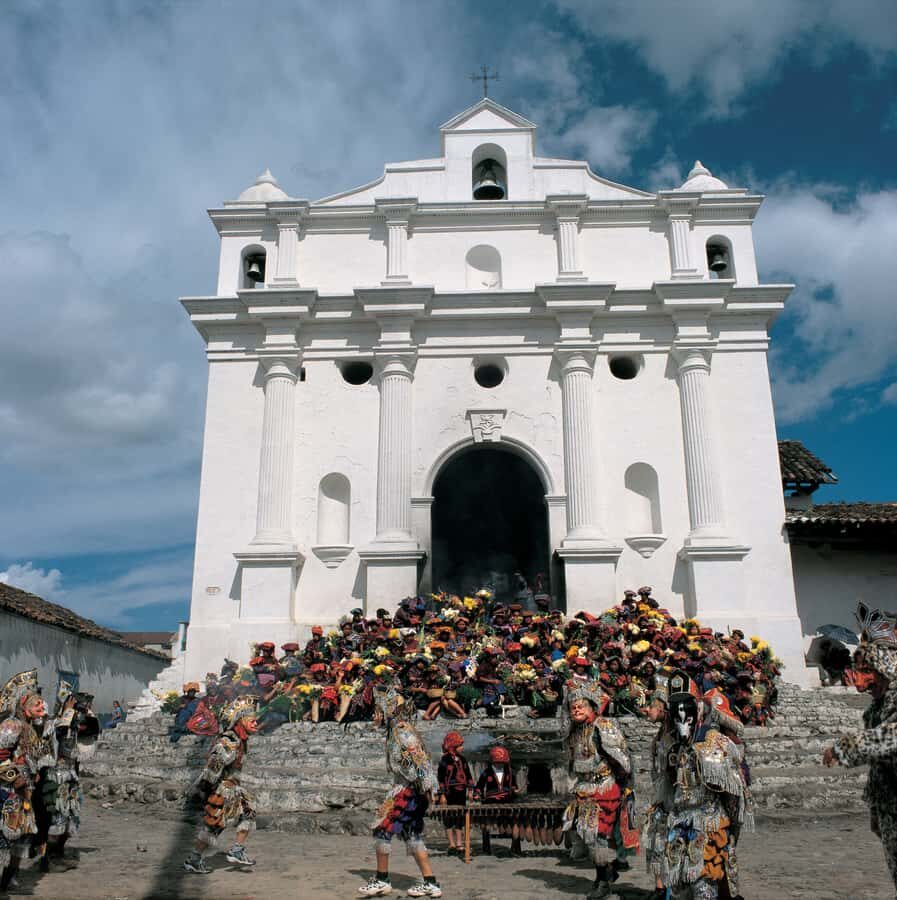
After the market, the tour visits Santo Tomás church. This is one of the stops that helps tie together faith, Indigenous traditions, and colonial-era storylines in a way you can actually see.
The key detail here is that the Popol Vuh—the sacred book of the Maya—was found in this church. Even if you don’t know the full background, having that connection in front of you changes how you read the building and the surrounding practices.
You’ll also likely feel the contrast between the market’s energy and the church’s mood. One past highlight noted that entering the church and seeing the nearby cemetery area in Chichicastenango stood out. If your day includes time for those extra areas, treat it as a chance to slow down for a moment and look carefully.
Tip for your visit: keep your phone ready, but don’t assume you’ll want endless photos inside. The most memorable part is often just noticing details and letting the site do the talking.
Timing and transportation: the real challenge on a 12-hour day
Let’s be honest: a 12-hour tour is a long stretch. You’ll spend part of your time in the van traveling from Guatemala City or Antigua Guatemala toward the archaeological site and then on to Chichicastenango.
The biggest risk isn’t the tour content—it’s the road. One experience highlighted terrible Sunday traffic that cut down sightseeing time and increased time sitting in transit. Another noted that a protest blockade affected whether Iximché was reachable.
So here’s how you can protect your experience:
- Bring patience for traffic, especially on Sundays.
- Don’t make firm plans for the exact moment you return to your hotel.
- Keep expectations flexible if access changes on the day.
Because Iximché and Chichicastenango are far enough apart to demand serious travel time, this tour rewards travelers who can handle “day-of adjustments.” If you hate the idea of delays under any circumstance, you might want a shorter, more local option instead.
Lunch reality: plan for an extra expense
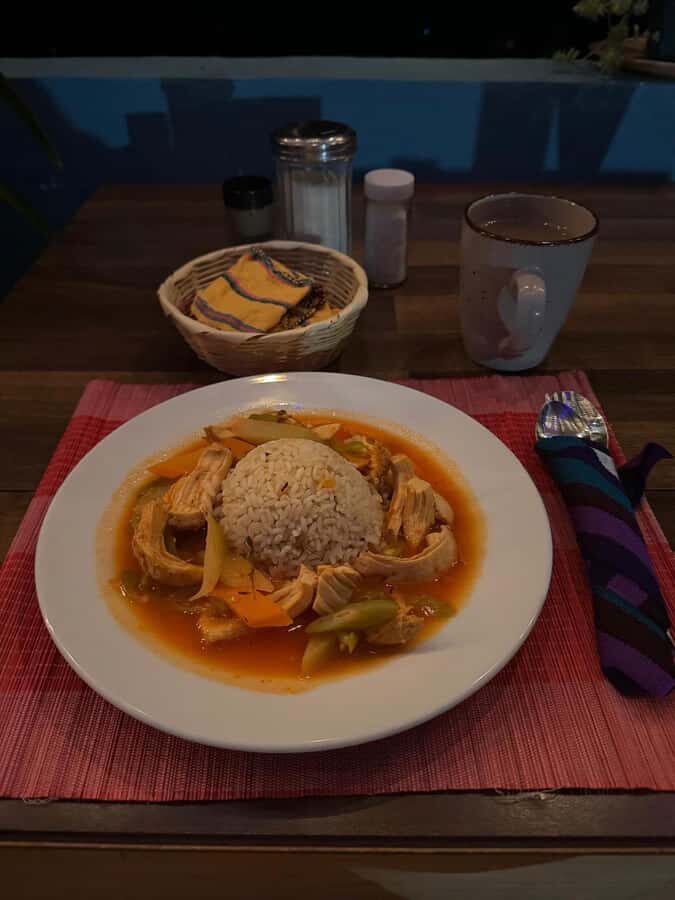
Lunch isn’t included. You’ll have time for lunch on your own after Santo Tomás.
In the price conversation, this matters. Yes, the tour price includes transportation, guide, and entrances, but it also means your meal cost is an additional factor you’ll need to budget. One unhappy note described a lunch stop feeling overpriced and rushed, with food availability affected by arriving late.
That doesn’t mean lunch will always disappoint. It does mean you should treat lunch as your job on this day, not the tour’s promise. If you’re traveling with dietary restrictions, ask what’s realistic for you before the meal decision. If you’re traveling with a group, decide in advance how strict you want to be about food choices.
A good practical move: carry a snack for the van. It keeps energy steady if you’re delayed, and it saves your appetite for when you finally get your lunch time.
Price and value: what $108 includes (and what it doesn’t)
At $108 per person for a 12-hour day, you’re paying for more than entry tickets. The tour includes ground transportation, a professional English-speaking guide, and all entrances and taxes.
That included portion is where the value shows up. Archaeology stops and church visits often come with fees, and guide time for explaining Maya context isn’t free either. If you tried to put this day together on your own, you’d still face transportation costs, entry fees, and the effort of arranging timing.
Where the price doesn’t cover everything: meals and personal spending. That’s not unusual for a day tour, but it changes the real total. If you like buying crafts and snacks, plan a budget that matches your shopping appetite.
So my take: this price makes sense if you want a structured day with transportation handled and you’ll use the guide’s knowledge. If you’re the kind of traveler who plans everything independently and hates group schedules, the value may feel lower.
Group dynamics: crowds, language mix, and how you’ll feel
This tour can include both Spanish and English in the same group. When that happens, it can slow down explanations if the guide repeats details in both languages. One note described that the group’s language mix meant descriptions took longer, and that the group felt like it missed some information.
You can still have a great experience, but you should go in knowing that group composition affects time. If you strongly prefer quick explanations, aim for days where you know you’ll share language with most of the group.
Crowds are another factor. Chichicastenango’s market can be packed, and you might feel squeezed between moving people. If you’re sensitive to tight spaces or you dislike negotiating your way through crowds, plan to slow down and focus on one or two shopping priorities.
What to bring so the day feels comfortable
The essentials are simple, but they matter on a long day. Bring comfortable shoes because you’ll be walking in ruins and moving through market areas. Add a sun hat since you’ll be outside more than you might expect.
Also think about your “small comforts” strategy. A light layer helps if mornings or van rides feel cool, and a snack helps if timing gets delayed. Carry water if you can, but check what’s practical for your day and what the tour plan allows.
If you plan to buy crafts, bring a way to carry purchases securely. Markets are hot and active, and you don’t want to juggle fragile ceramics on your lap for the ride back.
Should you book the Chichicastenango and Iximché one-day tour?
Book it if you want a day that hits both sides of Guatemala—archaeology and daily Indigenous life—without spending hours organizing transport. This tour is a good fit when you enjoy guided context, you’re curious about Indigenous traditions at sites that are still visited, and you like markets where you can shop with your eyes open.
Skip it or swap it for a different plan if you’re very time-sensitive or dislike road delays. A 12-hour schedule plus potential traffic and crowd pressure means you need a flexible mindset, especially on Sundays or during any local disruptions.
If you’re the kind of traveler who treats a long day as part of the adventure—then Iximché, Chichicastenango, and Santo Tomás make a strong combo.
FAQ
How long is the Chichicastenango and Iximché one-day tour?
The tour lasts 12 hours.
What does the tour cost?
It costs $108 per person.
Where is pickup included?
Pickup is included from centrally located hotels in Antigua Guatemala. The day begins with a transfer from hotels in Guatemala City or Antigua Guatemala.
What’s included in the price?
The price includes ground transportation, a professional English-speaking guide, and all entrances and taxes.
Are meals included?
No. Lunch time is available as an own-expense break, and meals are not included in the tour price.
What languages are available for the host or greeter?
The host or greeter is available in Spanish and English.
What should I bring?
You should bring comfortable shoes and a sun hat.
Is cancellation free?
Yes. You can cancel up to 24 hours in advance for a full refund.
Are there any entrance fees you need to pay separately?
No. All entrances and taxes are included.