REVIEW · ANTIGUA GUATEMALA
From Antigua to Sumpango Giant Kite Festival
Book on GetYourGuide →Operated by Columbus Guatemala · Bookable on GetYourGuide
Kites and candles share the same sky. On this Antigua to Sumpango day trip, you get Sumpango’s giant kite craft and the All Saints’ Day cemetery traditions that tie Mayan beliefs to Catholic practice. I love the hands-on feel of creating a kite with local guidance, then getting help launching it when the festival grounds fill with color.
One more reason I like this tour: the meal. You’ll stop for a traditional Fiambre lunch tied directly to November 1st and share the day’s stories over that unique, multi-ingredient salad. One possible drawback to keep in mind is time and flow: if the festival schedule compresses what happens at the field, you may not get as long in every step as you hoped.
Key points to know before you go
- All Saints’ Day cemetery visit: graves cleaned and decorated with marigolds, candles, and offerings.
- Hands-on giant kite workshop: learn the materials and symbolism behind the build.
- Your kite to fly: you’ll make one and get local help prepping it for launch.
- Group guidance on the ground: the team breaks you into smaller movements so you don’t get lost.
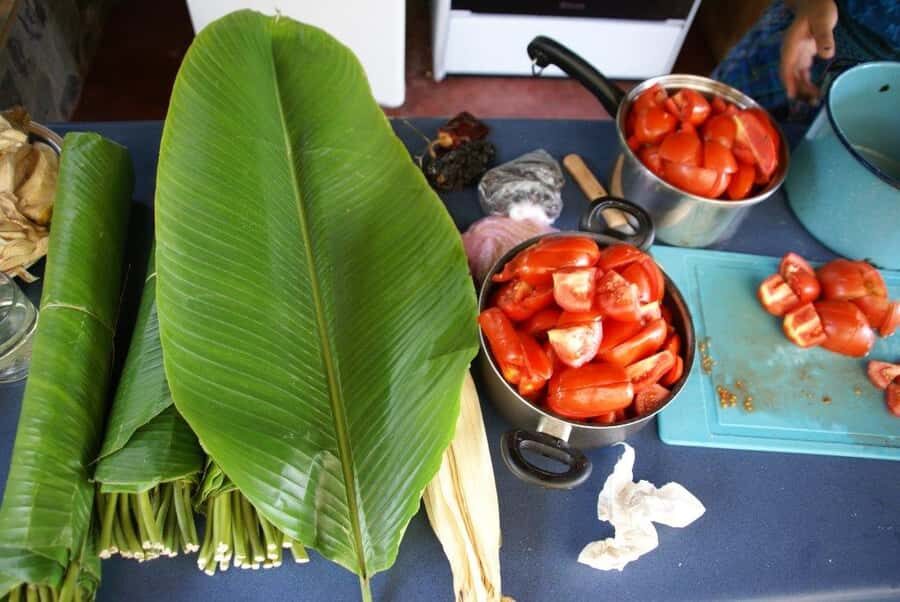
- Fiambre lunch: a November 1st tradition made of meats, cheeses, vegetables, and pickled delights.
- Early start from Antigua: plan for a full day and a finish back in Antigua by about 1:30 pm.
In This Review
- From Antigua to Sumpango: what your 7 hours starts with
- All Saints’ Day at the cemetery: marigolds, candles, and meaning
- The Campo Fútbol Sumpango: where giant kites become real
- Building your kite and launching it: the step that connects earth and sky
- Fiambre lunch with a local family: a dish that explains the holiday
- Price and logistics: what $75 buys you in the real world
- What to bring (and what not to bring) so the day runs smoothly
- Who should book this trip—and who should consider a different plan
- Should you book the Antigua to Sumpango Giant Kite Festival day trip?
- FAQ
- Where do we meet in Antigua?
- How long is the tour and what time does it start?
- How do we get from Antigua to Sumpango?
- What does the tour include besides transportation?
- What languages is the guide available in?
- What should I bring or wear?
- Is the tour okay for kids and older adults?
- Are there any restrictions on what to bring to the festival?
From Antigua to Sumpango: what your 7 hours starts with
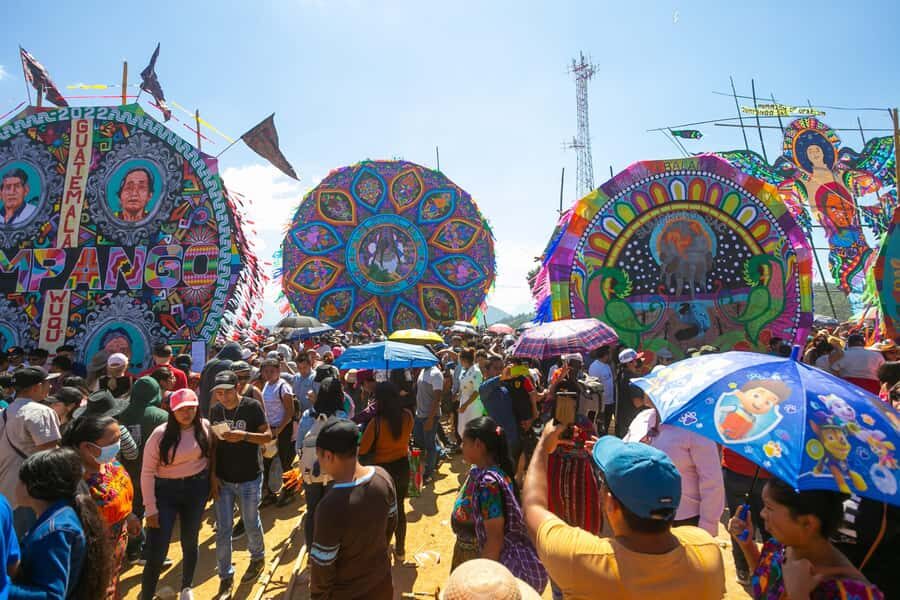
This is a classic Guatemala day trip: you leave Antigua early, then spend the whole morning and early afternoon in Sumpango for two sides of the same cultural coin—remembrance and celebration. The drive is about 40 to 50 minutes, and the day begins around 7:00 am from the Columbus Guatemala Travel office area on 2a Calle Poniente (meeting point listed as Casa Mandarina interior #8). Before you head out, you can grab fresh coffee or tea and use the restroom—small detail, big deal when you’re starting early.
The whole trip is designed around a tight rhythm: cemetery first, then the kite field, then lunch. That structure matters because All Saints’ Day has its own momentum. If you show up thinking this is just a photo stop, you’ll miss the point. The value here is participation—listening, asking, building, and then flying.
All Saints’ Day at the cemetery: marigolds, candles, and meaning
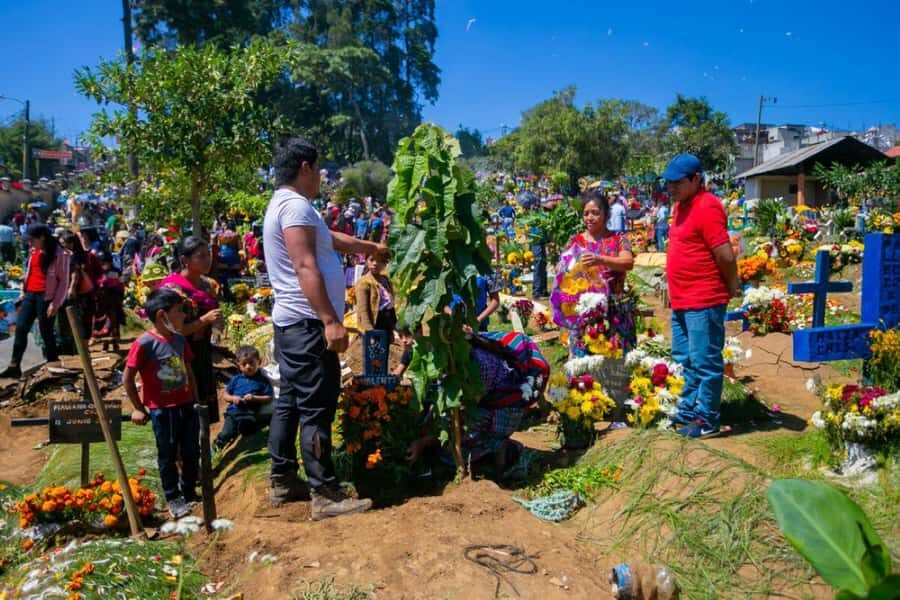
Your first major stop is the Municipal Cemetery in Sumpango. On November 1st, Guatemalans celebrate Día de Todos los Santos, and the cemetery becomes the center of family memory. The idea you’ll hear is simple and powerful: the spirits of the deceased return to visit, so families prepare carefully for that moment.
What that looks like on the ground is what you’ll remember after the tour. Graves get cleaned. Families decorate with colorful flowers (including marigolds) and candles, and they set out offerings of food and drinks. This is where you see the real blend of influences—indigenous ways of honoring the dead alongside Catholic practice layered into the same ritual space.
Practical note: cemeteries mean walking. Bring comfortable shoes and something for sun if you’re out in open areas. The tour includes a guided walk and even local snacks during this portion, so you’re not stuck hungry while you take it all in.
You can also read our reviews of more tours and experiences in Antigua Guatemala.

The Campo Fútbol Sumpango: where giant kites become real
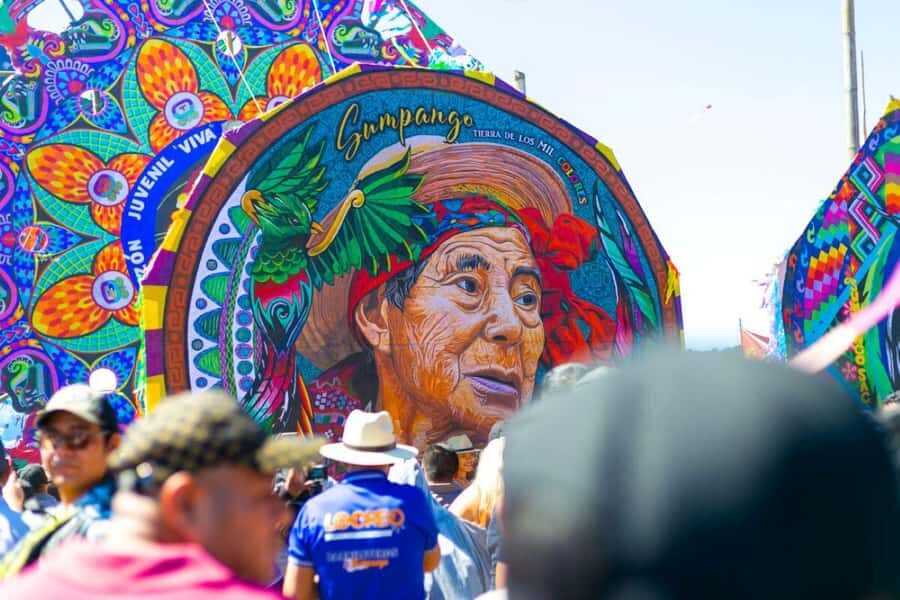
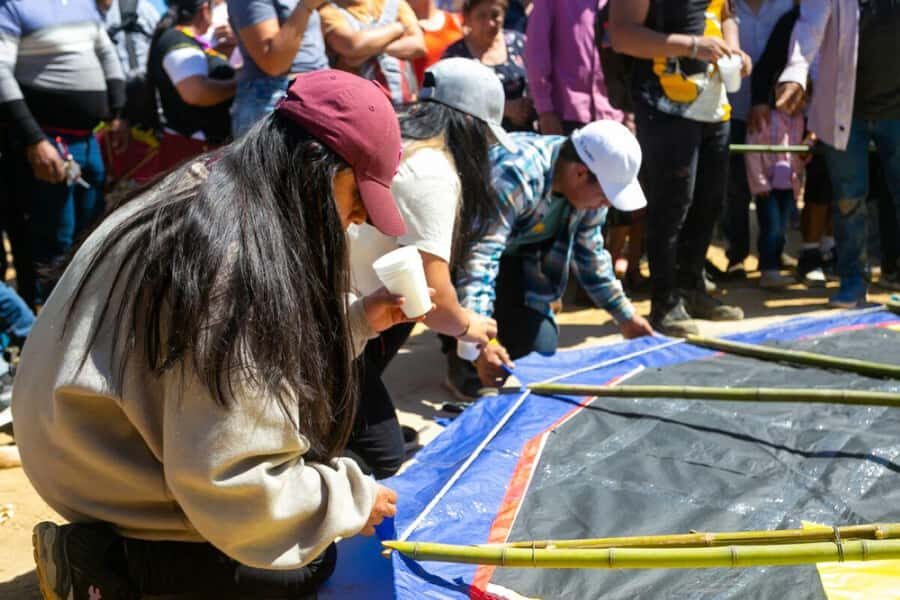
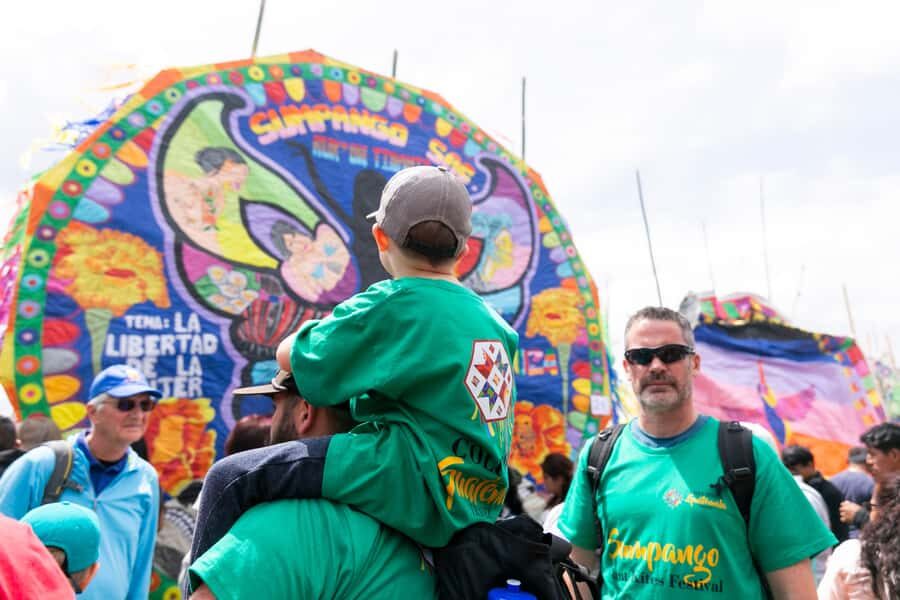
After the cemetery, you head to the festival field at Campo Fútbol Sumpango. This is the part most people picture when they hear about the Sumpango Giant Kite Festival, but it’s more than looking. The experience includes a giant kite workshop plus your personal kite to fly.
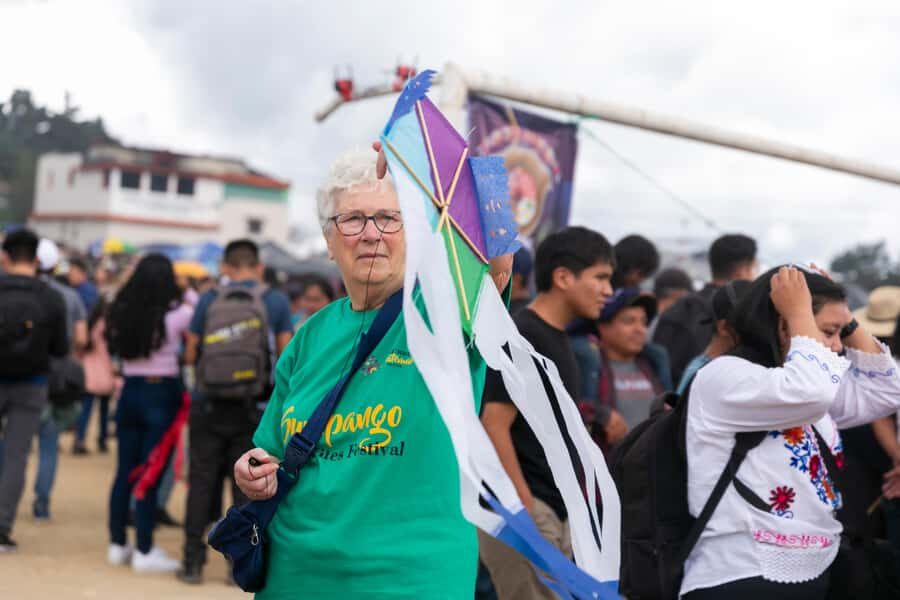
Here’s what you can expect to learn and do: local makers guide you through the process, including the materials and how they come together. You’ll work with things like colorful tissue paper, bamboo, and string, and you’ll get a sense that the kite parts aren’t random. They carry meaning, and you can usually ask about the symbolism as you build.
This part is also where the day stays friendly even though it’s a group. The tour runs with a live English/Spanish guide, and the team typically helps keep the group moving in manageable chunks—so you’re not fighting the crowd just to find your spot with the artisans.
Time reality check: you’ll have about one hour at the field. That’s enough for the core building and getting your kite ready, but it’s not the kind of workshop where you sit for hours perfecting details. If you’re the type who loves slow craftsmanship, bring that energy—and accept that the festival has its own schedule.
Building your kite and launching it: the step that connects earth and sky
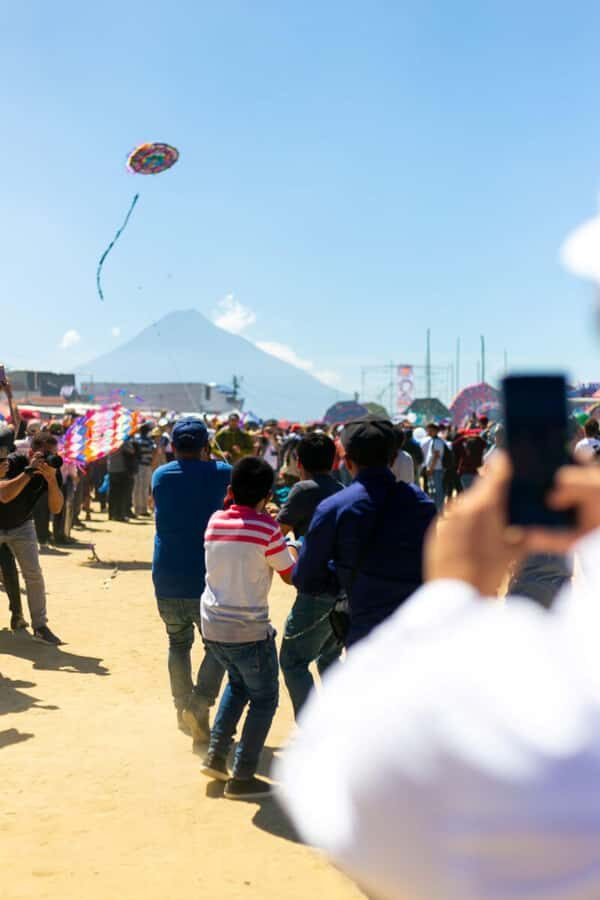
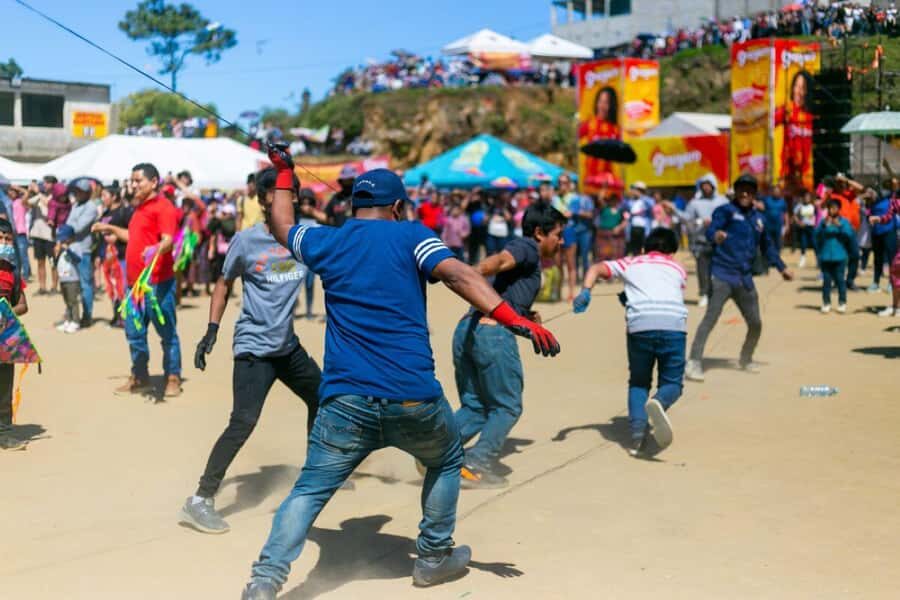
Once your kite is made, the tour shifts from crafting to the main event: flying your kite. Local experts help you get set up so you can launch it safely and confidently. The symbolism is part of the story you’ll hear: the kite links the earthly world to the heavens above. And when the wind catches, that idea becomes very physical.
This is the moment that people tend to talk about afterward—not because it’s flashy, but because it turns you from spectator into participant. You hold something you helped create, then you watch it rise among dozens of others with different designs and colors.
One thing to consider, based on how festival days can run: sometimes you might feel the timing is tighter than you expected. The tour aims to manage congestion and keep the field process organized, but if you’re hoping for maximum airtime and repeated flights, you may want to adjust expectations. The upside: you still get the workshop and the launch, and you’ll experience the collective energy as the sky fills.
Fiambre lunch with a local family: a dish that explains the holiday
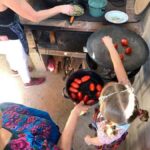
When kite flying is done, lunch is where the day settles into something slower and more satisfying. The tour includes lunch featuring Fiambre, a traditional dish associated with All Saints’ Day and All Souls’ Day.
Fiambre is famous for being a layered mix: you’ll see meats, cheeses, vegetables, and pickled elements all combined. It’s not a simple salad, either. The flavors and ingredients are part of the cultural idea—Guatemala’s celebrations bringing many influences into one shared table.
You’ll have lunch with a local family as part of the experience, and you’ll also get a food tasting component. In other words, the goal isn’t just to feed you and rush you out. The family-style meal gives you a natural way to talk about what the dish represents and how it fits into the November 1st rhythm.
Small warning: Fiambre can be a lot if you’re not used to pickles and mixed savory combinations. If you’re picky, take it slow and taste first. But if you like trying real food in real context, this is one of the best value parts of the day.
Price and logistics: what $75 buys you in the real world
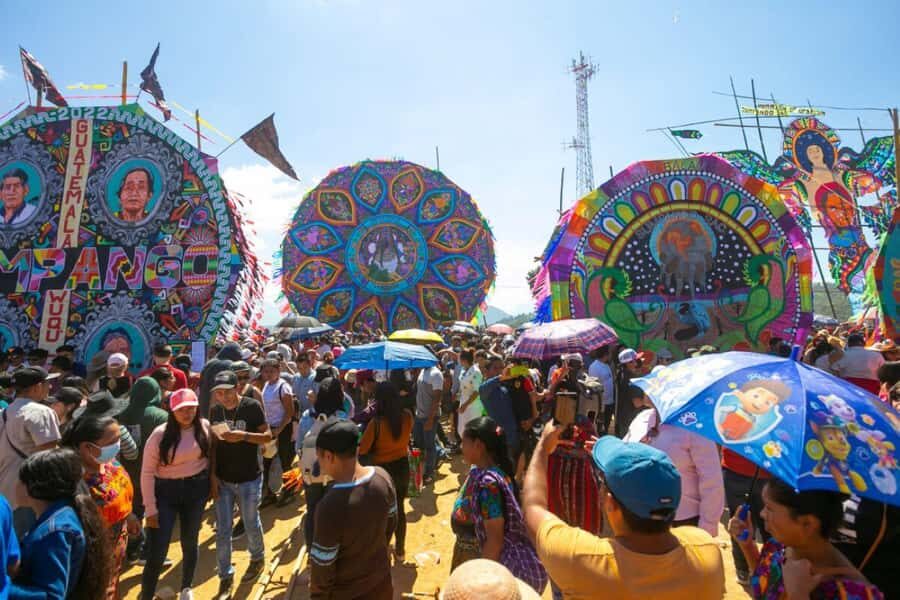
At $75 per person for a 7-hour trip, you’re paying for more than transport. You’re paying for guided cultural visits, the kite workshop, a kite to fly, and a traditional Fiambre lunch (plus water and snacks). That’s a bundle, and bundles matter when you’re traveling solo or with limited time.
Still, worth weighing: this is a set schedule. The drive is round trip, and the day is built around specific windows—cemetery time, then field time, then lunch. If you’re the type who wants total freedom to wander, you might find the structure a bit tight. If you want the reliable experience—planning done, locals guiding, cultural context explained—then the value is strong.
Also, group dynamics matter. The tour guide is live and runs in English and Spanish, and the day is organized so the group stays manageable on walks and in workshop movements. That’s exactly what you want in a festival setting.
What to bring (and what not to bring) so the day runs smoothly
This is one of those tours where small prep makes your day easier.
Bring
- Comfortable shoes (you’ll walk at both stops)
- Hat and sun protection
- Comfortable clothes
- Cash (recommended by the operator)
- Closed footwear (they’re explicitly advising this)
Know before you go
- It’s for all ages, so expect families and mixed energy levels.
- There are options to ask about wheelchair or alternative accessibility support and changes if you have back, knees, or other walking difficulties. If you need help, ask early.
Not allowed
- Fireworks and explosive substances. (This should be obvious, but it’s clearly part of the rules.)
One more practical tip: carry water even though the tour provides water and snacks. Festival mornings can start cool and end warm fast.
Who should book this trip—and who should consider a different plan
I think this tour is a strong fit if you:
- Want real participation, not just sightseeing.
- Like culture that’s lived and practiced—cemetery rituals in the morning and kites in the sky afterward.
- Enjoy hands-on making and then joining the community act of flying.
You might want a different plan if you:
- Are extremely time-sensitive and need lots of free hours at the festival field.
- Expect a very long, repeatable kite-flying session. The tour is organized around the day’s flow.
- Have very specific preferences about lunch format. The experience is designed around lunch with a local family, but in festival conditions, details can vary. If that’s important to you, ask the operator before you go.
Should you book the Antigua to Sumpango Giant Kite Festival day trip?
Yes—if you want a Guatemala day that mixes meaningful tradition with something you can hold in your hands. The best part is how the day connects to the calendar: All Saints’ Day in the cemetery, then that same sense of community and ritual showing up as giant kites in the wind. Add a workshop, a kite to fly, and Fiambre lunch, and you’ve got a full-value cultural day without the stress of planning it yourself.
If you like your days with no surprises, ask questions ahead of time about pacing and lunch setup. But if you’re up for a morning of remembrance and an afternoon of collective kite joy, this is a trip that’s hard to replace.
FAQ
Where do we meet in Antigua?
You meet on 2a Calle Poniente, at #2 Casa Mandarina interior #8. The group meets there for fresh coffee or tea and restroom access before departing.
How long is the tour and what time does it start?
The tour lasts about 7 hours and departs at around 7:00 am. The day trip concludes at about 1:30 pm with drop-off in Antigua.
How do we get from Antigua to Sumpango?
You’ll take round trip transportation by bus/coach. The drive one way is about 40 to 50 minutes.
What does the tour include besides transportation?
It includes a general tour guide, giant kite workshop, a personal kite to fly, lunch with Fiambre, plus water and snacks and taxes.
What languages is the guide available in?
The tour guide is available in English and Spanish.
What should I bring or wear?
Wear comfortable shoes and comfortable clothes. Bring a hat, use closed footwear, and consider having cash.
Is the tour okay for kids and older adults?
Yes. The activity is described as for all ages. If you have mobility concerns, you can ask about alternative wheelchair options and alternatives if you have back, knees, or other walking difficulties.
Are there any restrictions on what to bring to the festival?
Yes. Fireworks and explosive substances are not allowed.