REVIEW · ANTIGUA GUATEMALA
Antigua: Cooking Class with Local Family
Book on GetYourGuide →Operated by Columbus Guatemala · Bookable on GetYourGuide
Grind corn the old way. This Antigua Guatemala cooking class puts you at the pedernal stone—hand-crushing corn, seeds, and spices using a Mayan technique that is still alive today. What I like most is the local family connection, where you cook alongside your hosts and learn how they think about flavor, balance, and feeding people well.
There’s one practical consideration: expect real work. The class includes hand grinding, and while the format is friendly and guided, you’ll want to say up front if you have physical limits or medical restrictions so the team can adjust your experience.
In This Review
- Key reasons this cooking class works
- The pedernal-stone method: the part you’ll remember
- Maritza and the small-group setup in Antigua
- A heads-up on effort and comfort
- How the ingredient start shapes the whole meal
- At the family’s home: where the class becomes a meal
- Transportation notes that actually help
- What you’ll cook: Pepián, Jocón, Kak’ik, and vegetarian options
- The skill transfer: recipes you can recreate at home
- Price and value: is $75 worth it?
- Practical tips so your class goes smoothly
- Who should book this Antigua cooking class
- Should you book it?
- FAQ
- How long is the Antigua cooking class?
- How much does it cost?
- What dishes might I cook?
- Is alcohol included?
- What’s included in the price?
- Is the group small?
- What languages are available?
- Can they accommodate dietary restrictions or allergies?
- Can I take recipes home?
Key reasons this cooking class works
- Pedernal stone grinding: you do the prep by hand, not just watch it happen
- Local family meals: cooking and eating together, with heritage tools and techniques
- Real dishes with flexible menus: options can include Pepián, Jocón, Kak’ik, or a vegetarian dish
- Hands-on skills you can repeat: you’ll leave with recipes and the know-how to recreate flavors at home
- Small group energy: limited to 10, so you get time and attention rather than rushing through bites
The pedernal-stone method: the part you’ll remember
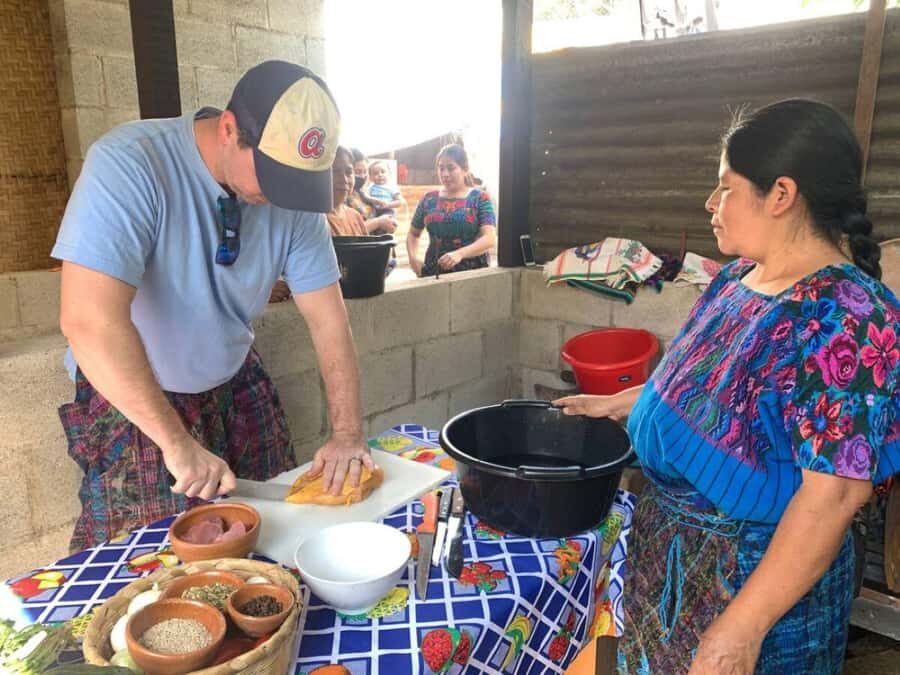
This isn’t a demo where someone else does the hard part. The centerpiece is that old-school pedernal stone mill. You grind corn, seeds, and spices by hand, the way Mayan communities did thousands of years ago. And because you’re physically doing it, you understand something you can’t get from a recipe card: texture matters.
Here’s why that’s valuable for you. Once you’ve felt the grind and watched how the mix changes as it goes from coarse to smoother, you’ll have a better instinct at home. Cooking gets less mysterious. You start thinking in stages, not shortcuts.
Also, the class uses heritage utensils. That means you get a sense of how tools shape food. A different grind, a different stir, even a different way of portioning can change the final taste. You’re not just learning what to cook—you’re learning how cooking feels in the hands.
You can also read our reviews of more tours and experiences in Antigua Guatemala.


Maritza and the small-group setup in Antigua
A big reason this class gets top marks is the people. The guide named Maritza comes across as attentive and warm in the way she helps you move through the experience without feeling rushed. In more than one account, she meets you outside your hotel, then steers you toward the ingredients and the kitchen.
The format is built for a calm, personal class:
- Small group size (up to 10)
- Private activity for your group only
- A live guide in Spanish or English
- Private transportation included, so you’re not hauling bags or timing public buses
For you, that means less waiting and more actual cooking time. It also makes it easier to ask questions—about ingredients, technique, and what to look for when you try this again back home.
A heads-up on effort and comfort
If you have limited grip strength, hand mobility issues, or any medical restrictions, tell the team in advance. The class description makes accommodation possible, but you don’t want surprises when it’s time to grind.
How the ingredient start shapes the whole meal
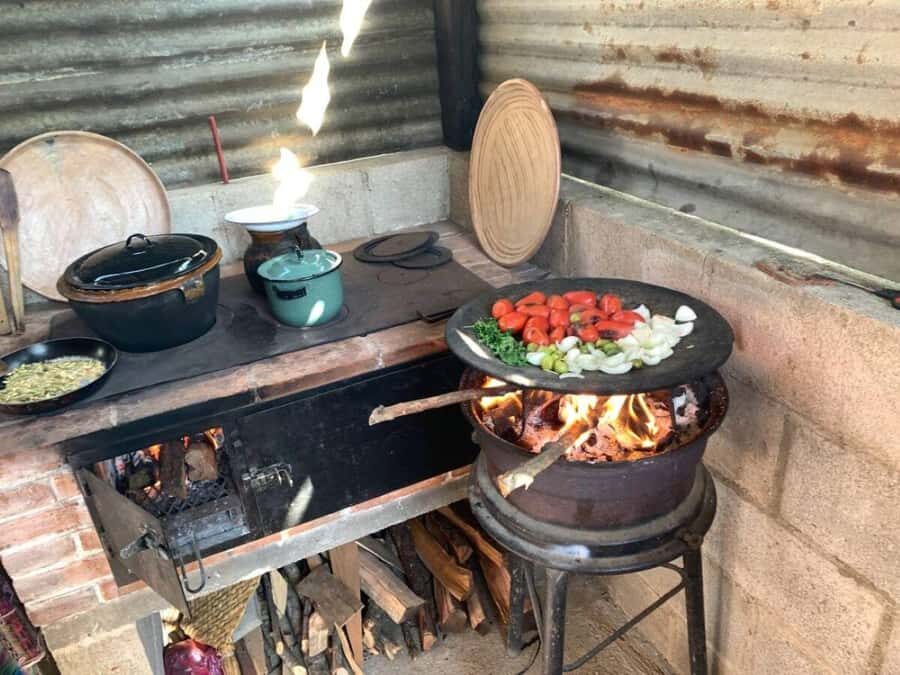
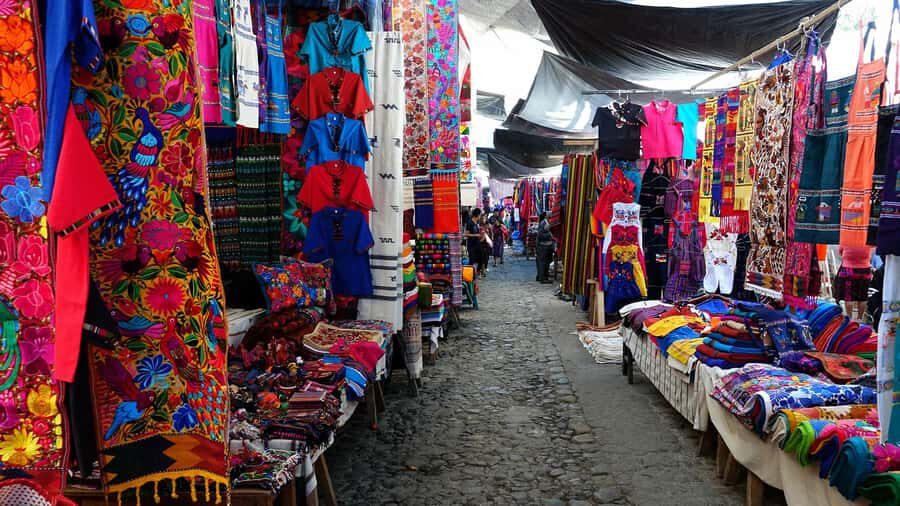
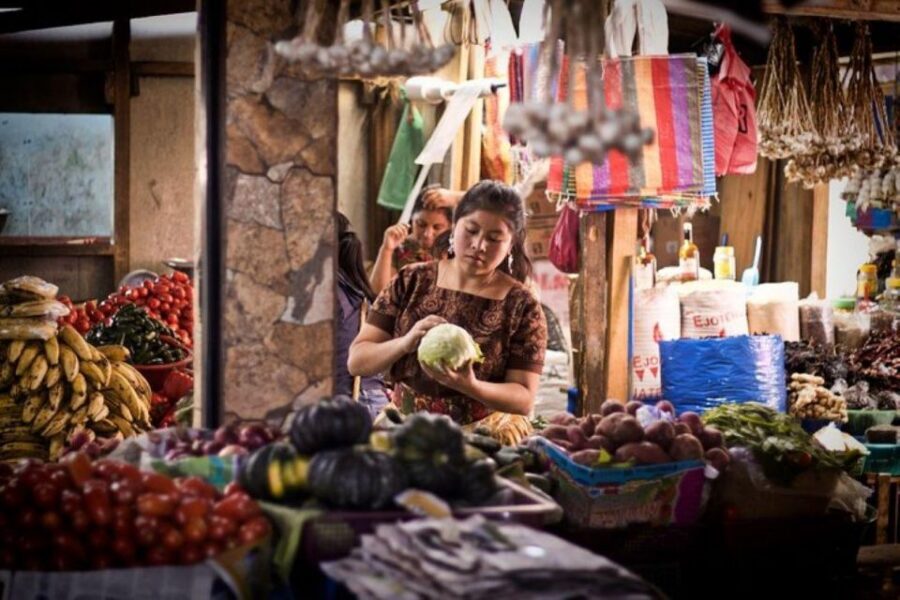
One of the best moments in this experience is getting the raw materials right. In practice, the flow often includes a market stop where you can select fresh products with your guide before heading to the host family’s home.
If that’s part of your day, show up ready to walk a bit and move at a local pace. Wear comfortable shoes. Markets reward curiosity, but they can be loud, crowded, and a little busy—so keep your energy for the cooking later.
This step matters more than it sounds. When you pick ingredients yourself (or at least choose alongside a guide), you’re paying attention to what’s fresh. Later, when you’re recreating recipes at home, you’ll remember the feel of the process and pick better equivalents.
It also helps explain why the food tastes like itself. These dishes aren’t built from abstract ideas. They’re built from what’s available, what tastes good right now, and what the family uses every day.
At the family’s home: where the class becomes a meal
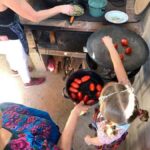
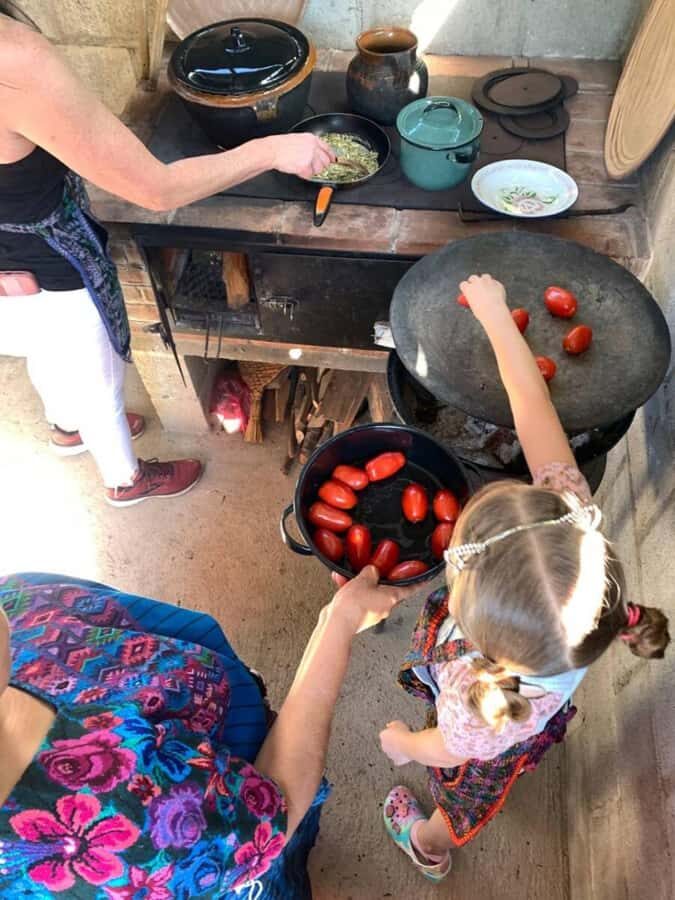
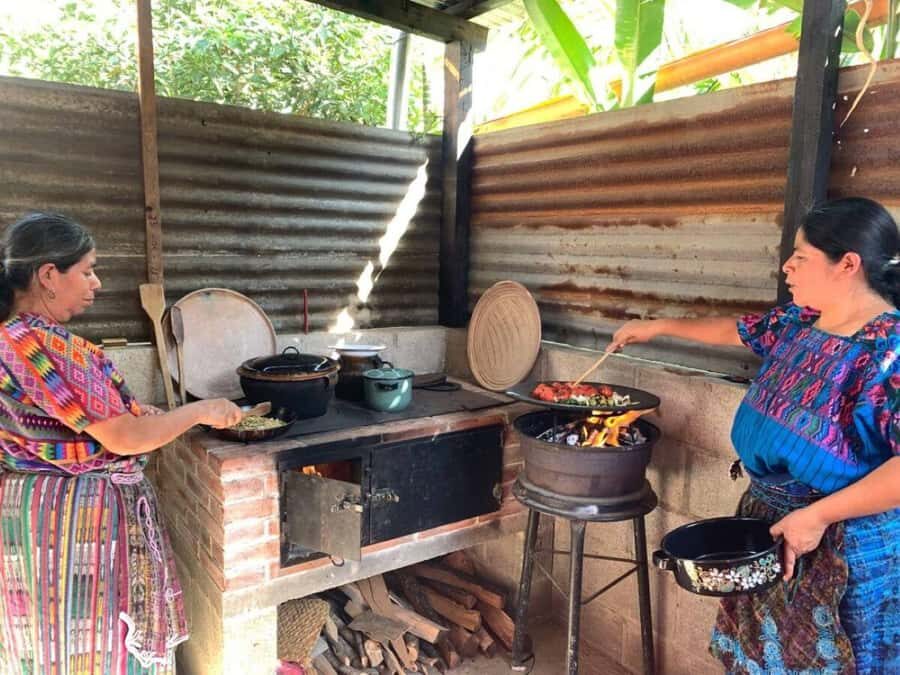
The kitchen part is the heart of it, and the setting is the difference. Instead of a cooking studio with numbered stations, you’re cooking in a family environment. That’s a key value here. You’re learning technique, yes—but you’re also seeing how people actually feed a household.
Expect a hands-on rhythm:
- You start with the grinding process using the pedernal stone
- You cook alongside your hosts, guided step-by-step
- You eat the results as a shared meal
- You may also get to help with making tortillas, since at least some groups include this as part of the hands-on experience
One thing I really like is the inclusion of snacks and water. That keeps energy up while the cooking timeline moves. One person’s write-up even highlights homemade chips and a beans-and-cheese accompaniment, plus a local Jamaica-style drink (often served chilled). Those details are small, but they make the start feel like you’re being welcomed, not processed.
A few more Antigua Guatemala tours and experiences worth a look
Transportation notes that actually help
Your class includes private transportation. In real-world terms, that usually means easier logistics from wherever you’re staying to the market area and then to the home. Some groups describe riding in tuk-tuk style transport or a local bus approach for the trip. Either way, plan for a bumpy ride. Antigua and its surroundings can be a little uneven underfoot.
What you’ll cook: Pepián, Jocón, Kak’ik, and vegetarian options
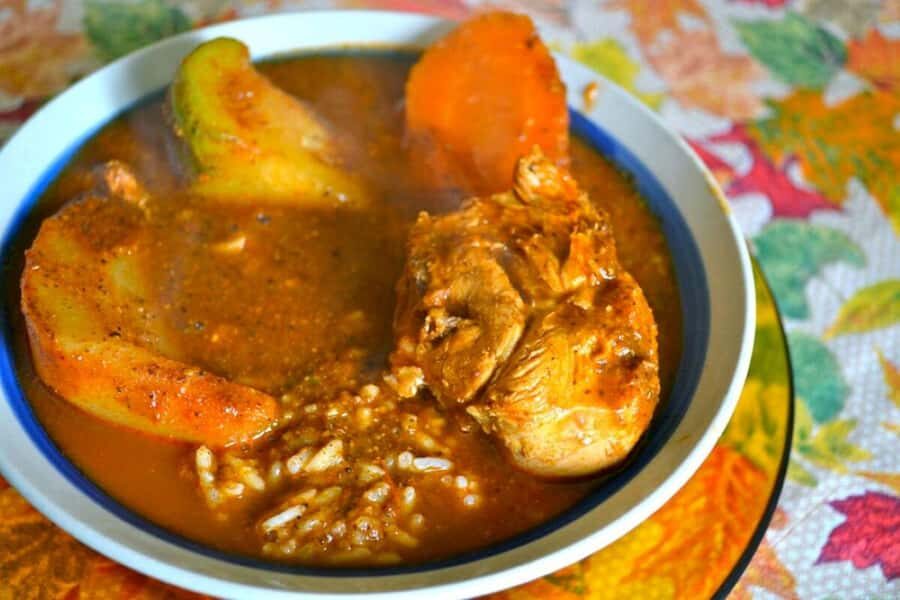
You’re not locked into one dish. The class is designed around traditional Guatemalan plates, and choices can include:
- Pepián
- Jocón
- Kak’ik
- A vegetarian option
Menus may vary by region, and the provider notes the menu can adapt for special seasonal cases. That’s good news for you because it keeps the experience aligned with what’s truly current in local kitchens, not just what’s convenient for a schedule.
Here’s the practical part: how do you benefit from learning dishes with different flavor profiles? Because once you learn the technique framework—grinding, combining spices and ingredients, cooking with timing—you can apply it to other Guatemalan-inspired recipes. You’re building a cooking skill, not only memorizing one meal.
Also, the vegetarian option is explicitly listed. If you’re not eating meat, you won’t be forced into a compromise side dish. Still, tell your dietary restrictions clearly in advance so the team can adjust.
The skill transfer: recipes you can recreate at home
The best cooking classes are the ones you can repeat. This one is built for that, with recipes and skills you can take home. That matters because the hardest part of international cooking isn’t buying ingredients. It’s knowing what stage you’re looking for—what the mixture should feel like, and what “done” means.
Because this class includes the grinding process (not just measuring), you get a stronger sense of how textures should develop. That gives your future self a fighting chance.
And yes, there’s even a playful prompt built in: send pictures of your creation after you try making it again. That kind of follow-up is a small detail, but it signals that the provider expects you to recreate the experience.
Price and value: is $75 worth it?
At $75 per person for a 4-hour experience, the value comes from what you’re actually getting, not just the headline price.
Included items matter here:
- All fees and taxes
- Bottled water
- Snacks
- Private transportation
- Local tour guide
- All ingredients in the recipe
Alcohol is not included, which is pretty standard for cultural classes focused on the meal itself. But the key is that ingredients are covered. That removes one of the biggest hidden costs of cooking experiences, especially if you’d otherwise have to buy spices or specialty items without knowing what you need.
For you, this class is a good deal if you want:
- A guided, hands-on cooking session
- A cultural interaction with local families
- A small group environment
- A meal you can recreate later
If you only want a quick tasting tour, or if you strongly dislike hands-on food prep, then the price may feel steep. But if you like cooking, this format justifies the cost quickly.
Practical tips so your class goes smoothly
A few small prep tips can make this easier and more fun:
- Let them know your dietary restrictions and any food allergies ahead of time. The menu can be adapted, but it needs your info.
- Wear comfortable shoes. Even short rides and market areas can add up in walking time.
- Bring a curious attitude. The guide can explain what you’re doing and why.
- Expect some physical effort from grinding. If that’s a concern, share it early.
- Have a phone ready for photos. Some parts of the experience are visual (grinding textures, tortillas, plated dishes), and it helps you later when you recreate the recipes.
And if you’re trying to be flexible with plans, the class offers free cancellation up to 24 hours in advance for a full refund. That’s useful in Antigua, where weather and timing can shift.
Who should book this Antigua cooking class
This class is a great fit if you:
- Want an authentic Guatemalan cooking experience with a local family setting
- Love hands-on learning more than watching
- Enjoy learning through food markets and ingredient choices
- Want recipes you can repeat at home
- Prefer a small group of up to 10 people
It’s also a good option for Spanish and English speakers since the guide provides both languages.
You might want to skip or choose something else if:
- You don’t want to do manual tasks (like grinding by hand)
- You’re looking only for a brief stop and not a full shared meal experience
- You have restrictions that require very specific medical accommodations and haven’t given the team details in advance
Should you book it?
I’d book this if your travel style includes learning through doing. The pedernal stone grinding plus the family cookery is the combo that makes it more than another activity. You leave with skills, not just photos.
Also, the consistent praise around kindness and attention—especially with guides like Maritza—is a strong sign you’ll be supported through the process. If you want to taste Antigua through the everyday act of making food, this is one of the most practical ways to do it.
FAQ
How long is the Antigua cooking class?
The class lasts 4 hours.
How much does it cost?
It costs $75 per person.
What dishes might I cook?
You may cook dishes like Pepián, Jocón, Kak’ik, or a vegetarian option. The exact menu can vary by region and season.
Is alcohol included?
No. Alcohol is not included.
What’s included in the price?
The price includes all fees and taxes, bottled water, snacks, private transportation, a local tour guide, and all ingredients in the recipe.
Is the group small?
Yes. It’s limited to 10 participants, and it’s a private activity for your group.
What languages are available?
The live guide speaks Spanish and English.
Can they accommodate dietary restrictions or allergies?
You should inform the provider of dietary restrictions in advance so they can adapt the menu. Food allergies should also be shared ahead of time.
Can I take recipes home?
Yes. You’ll be able to take the recipes and the skills home to recreate the flavors yourself.