REVIEW · ANTIGUA GUATEMALA
Chocolate workshop; gastronomic experience of cocoa.
Book on GetYourGuide →Operated by MAYA CACAO CHOCOLATES · Bookable on GetYourGuide
Chocolate starts here, not in a wrapper. In this cocoa workshop in Antigua Guatemala, you’ll learn how Guatemalan cocoa moves through different processes, guided by the Mayan connection and tested using your five senses. I especially like the hands-on flow (roast, shell, grind) and the careful tasting that focuses on aroma and flavor instead of guessing. One thing to consider: the instruction is in Spanish, so bring patience (and tools like your phone translation) if you’re not fluent.
You’re done in about a day, with the workshop taking around 1.5 hours, and you leave with a chocolate bar you made. At $32 per person, you’re paying for materials, guided degustations, and the finished product, not just a quick nibble. It’s also a private group format, which makes it easier to ask questions when something smells like one thing and tastes like another.
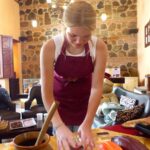
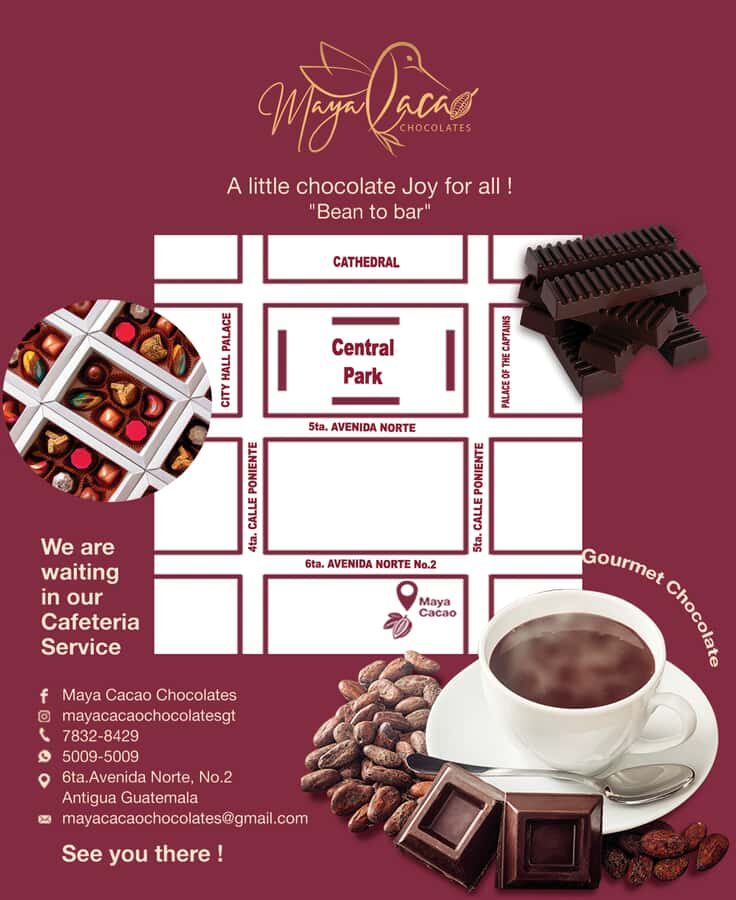
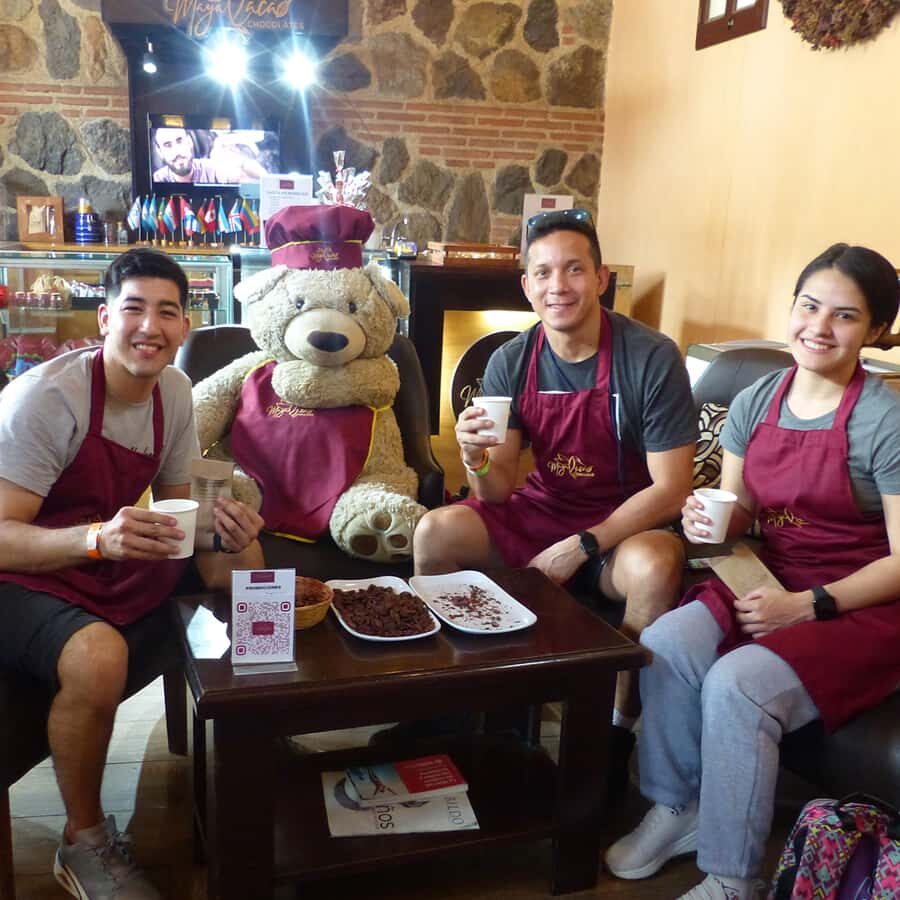
The meeting point is easy to spot: about a block from Parque Central on 6a Avenida Norte 6, in a mustard-yellow house. You’ll see the host at the door, a friendly teddy bear welcome. From there, the class turns cocoa into a clear, step-by-step experience you can actually remember.
In This Review
- Key Things I’d Prioritize Before You Go
- Entering The Workshop Near Parque Central
- From Mayan Cocoa Origins To Modern Guatemalan Chocolate
- Five Senses, Multiple Tastings, Real Flavor Notes
- Roasting, Shelling, and Grinding: Your Hands on the Beans
- The Finished Chocolate Bar You Take Home
- Price, Time, and Who This Workshop Fits Best
- Store Discount and Practical Extras
- Before You Book: Should You Do This?
- FAQ
- Where is the meeting point for the cocoa workshop?
- How long does the workshop take?
- What language is the instructor?
- Is the workshop wheelchair accessible?
- Is it suitable for children?
- What do I make and take home?
- Is there a discount at the store?
- Can I cancel or pay later?
Key Things I’d Prioritize Before You Go
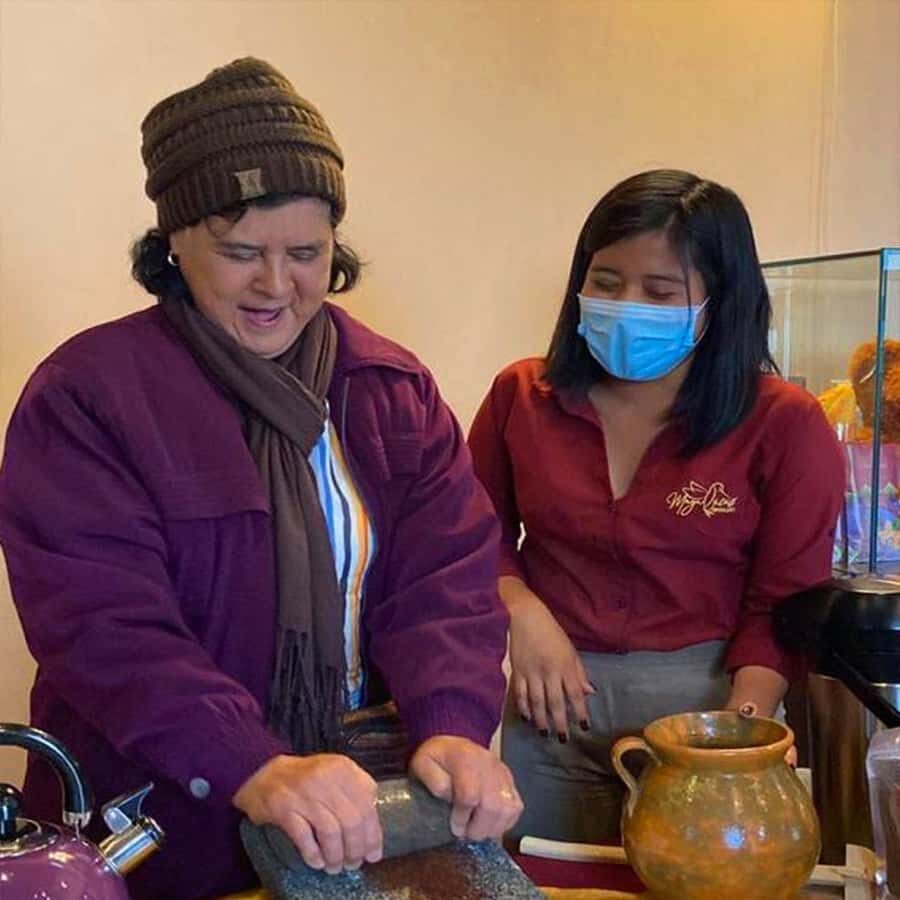
- Hands-on making: you roast, shell, and grind the cocoa yourself, then form your bar.
- Tasting by process, not just chocolate: you smell and taste how changing steps changes the outcome.
- Mayan cocoa context: you’ll learn about cocoa’s origin and importance in Mayan times, then connect it to today’s uses.
- Aroma-focused class: the experience is built around what you notice with your nose as much as your palate.
- Private group energy: fewer people means better attention and more room to ask questions.
- Take-home payoff: you don’t leave empty-handed; you take your own finished chocolate bar.
Entering The Workshop Near Parque Central
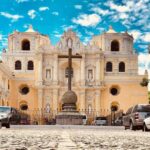
Antigua Guatemala is a great place for something this sensory. The streets give you that postcard feeling, but the real action is inside—where cocoa takes center stage and the workshop gets practical fast.
You’ll meet at 6a Avenida Norte 6, about one block from Parque Central. Look for a mustard-yellow house, and a plush teddy bear at the entrance acting as the friendly signpost. If you’re navigating on foot, give yourself a few extra minutes to get there calmly, especially if you’re threading through busy sidewalks.
Once you’re in, the vibe is straightforward: materials, tasting samples, and a focused instructor. Because it’s a private group, you’ll likely spend more time actually doing the steps rather than watching from the side.
One small note: since the workshop is taught in Spanish, arriving with a simple plan helps. If you don’t read much Spanish, save time by using quick translation prompts in your phone, and don’t be shy about pointing at what you’re tasting and asking what process you’re currently experiencing.
You can also read our reviews of more tours and experiences in Antigua Guatemala.
From Mayan Cocoa Origins To Modern Guatemalan Chocolate
This class doesn’t treat cocoa like a random ingredient. You start with cocoa’s role in Mayan times—where it came from, why it mattered, and how it was used.
That context matters because it changes how you taste. When you understand cocoa as more than dessert, you start paying attention to the “why” behind the flavors: roasting choices, processing steps, and the result in the cup (and then the bar).
The workshop guides you from the historical idea—cocoa’s importance in Mayan life—to the practical modern steps you’ll perform. It’s a nice structure: story first, then action. And because you’re doing the steps yourself, you can connect the story to something physical: bean texture, roast aroma, and the shift from whole cocoa to ground chocolate.
This is also where you’ll learn the big-picture logic of the processes you’ll taste later. Instead of only collecting facts, you’re building a mental map of how different stages can lead to noticeably different results.
Five Senses, Multiple Tastings, Real Flavor Notes
The heart of the experience is the guided tasting using all five senses, with aroma taking the lead. You won’t just eat a piece and move on. You’ll smell, notice, and compare as cocoa goes through different processes in Guatemala.
In practical terms, this trains your palate in a way typical chocolate shopping doesn’t. Chocolate can taste “sweet” or “bitter,” sure. But aroma is where the differences show up early: roasted notes, deeper cocoa scents, and changes tied to how the beans are treated.
Here’s what you’ll likely appreciate: the tasting is set up so you’re comparing stages. That means you’re not stuck trying to guess what you’re tasting; you’re matching what you notice to the process you’re learning about.
If you’re the kind of person who usually buys chocolate without thinking much, this part can actually change your habits. After you’ve smelled and tasted cocoa at several stages, you’ll start recognizing what “good” smells like—and you’ll get much better at understanding why one bar tastes different from another.
Roasting, Shelling, and Grinding: Your Hands on the Beans
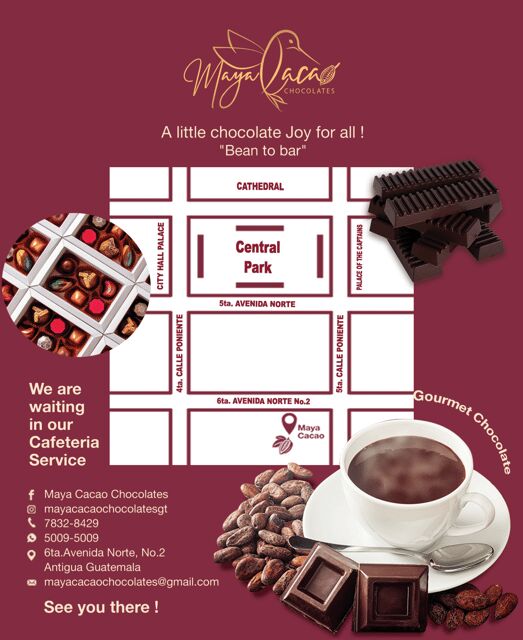
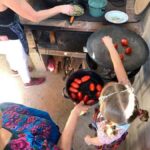
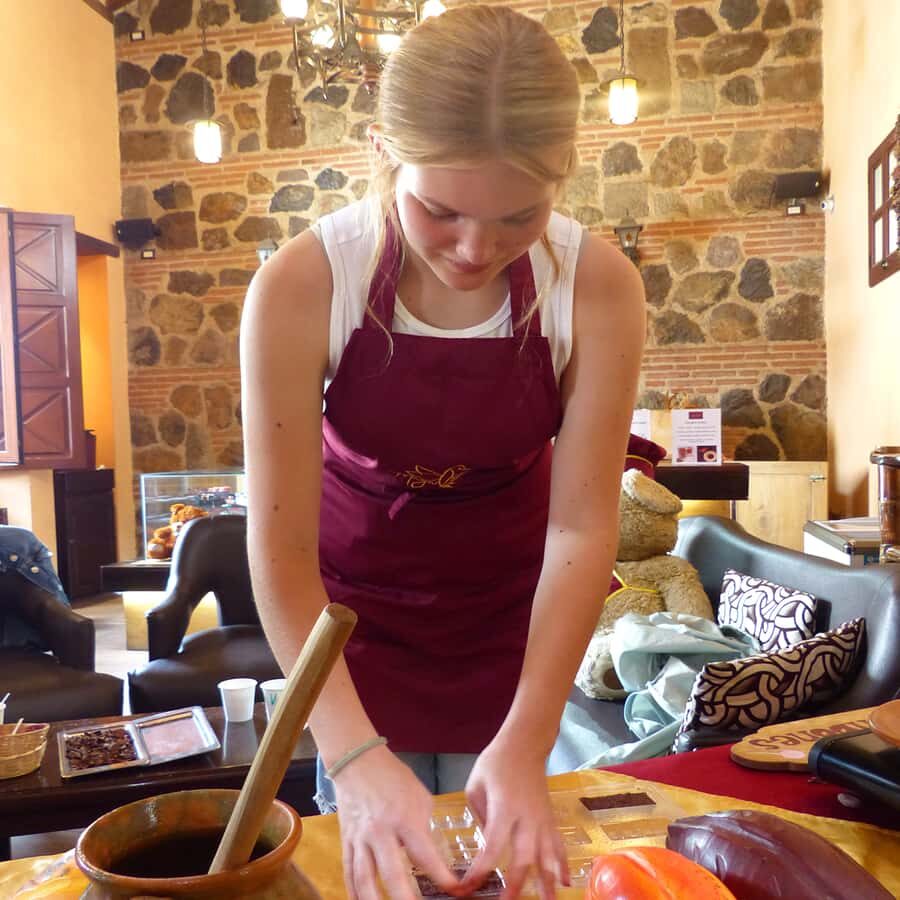
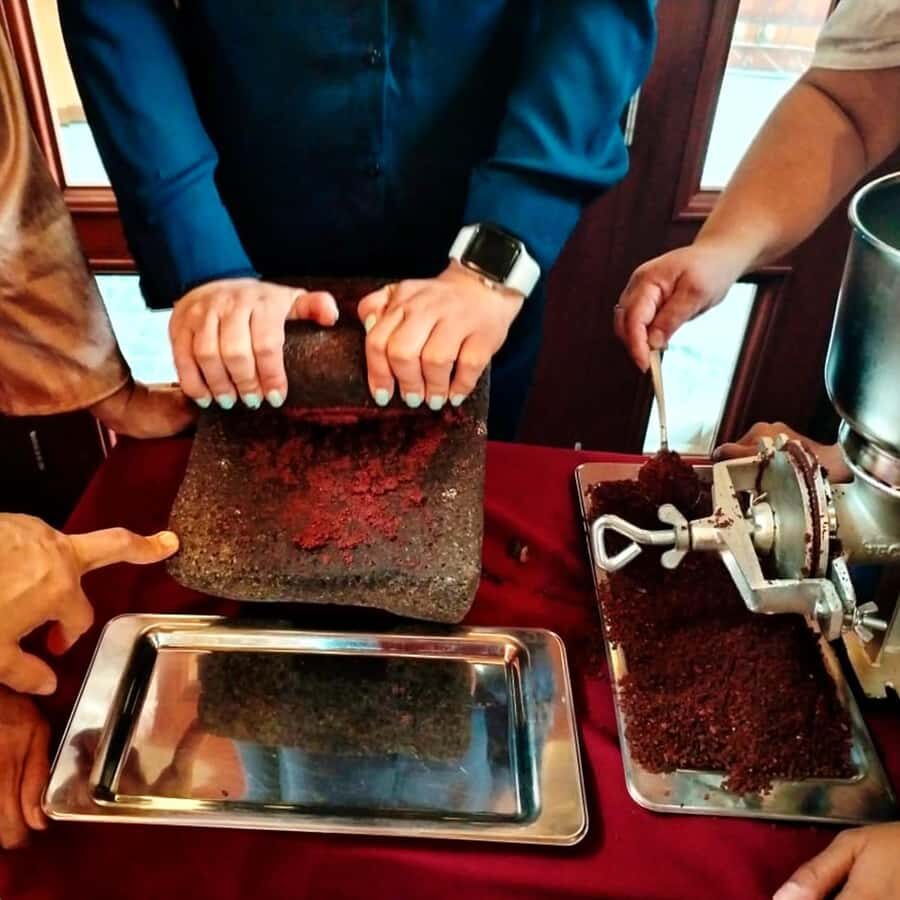
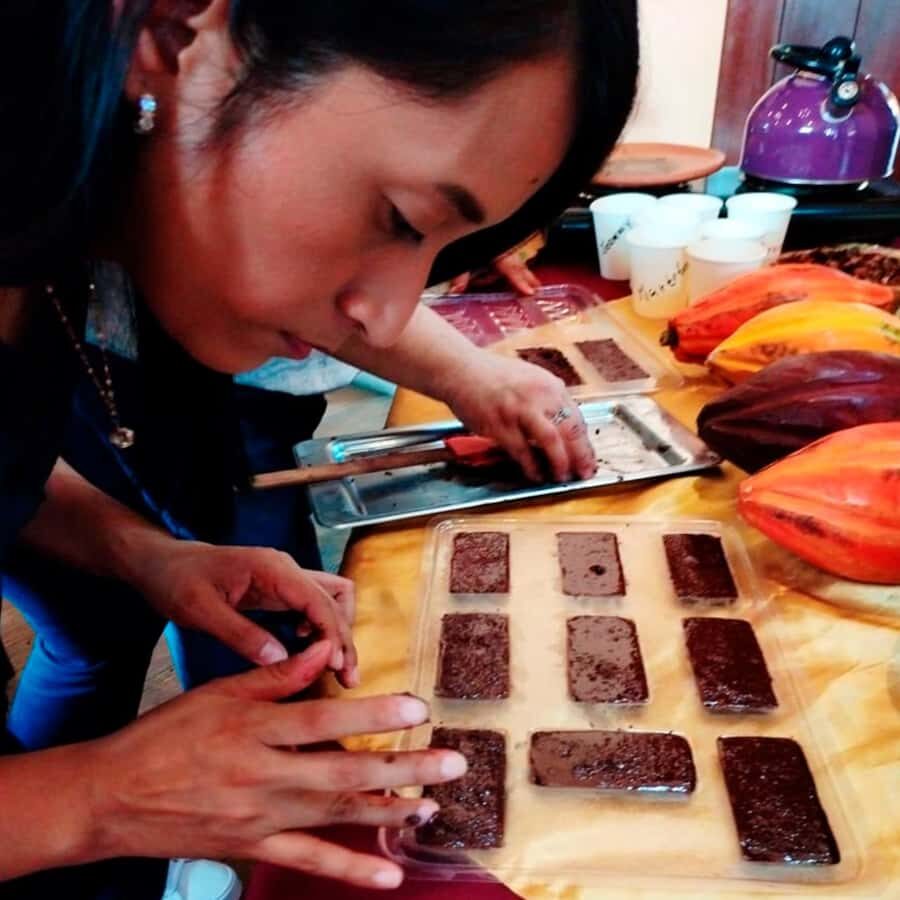
This is the part I’d call the main event. You learn how to roast, shell, and grind your own cocoa—not as a quick photo-op, but as a step-by-step process that ends with a bar you can take home.
Why this matters for value: you’re paying for an experience you can repeat mentally later. You’ll remember the smell when cocoa hits heat. You’ll feel the texture shift when you move from shells to usable nibs (shelling is part of the learning arc). And grinding helps you understand why chocolate’s flavor can intensify or change as the texture and processing change.
You don’t have to be a kitchen expert. The point is learning the sequence and noticing what changes at each stop. If you’re naturally curious, you’ll have a great time asking about what you’re seeing and smelling.
And because this is a private group, it’s easier to slow down. If something doesn’t make sense in Spanish, the instructor can adjust, and you can follow along using gestures, translated help, and written cues if they’re provided.
One more tip: go in ready to smell things. Cocoa roasting isn’t just food smell—it’s part of the learning. If you treat it like a side detail, you’ll miss the most useful skill this workshop teaches: recognizing aroma as a clue to flavor.
The Finished Chocolate Bar You Take Home
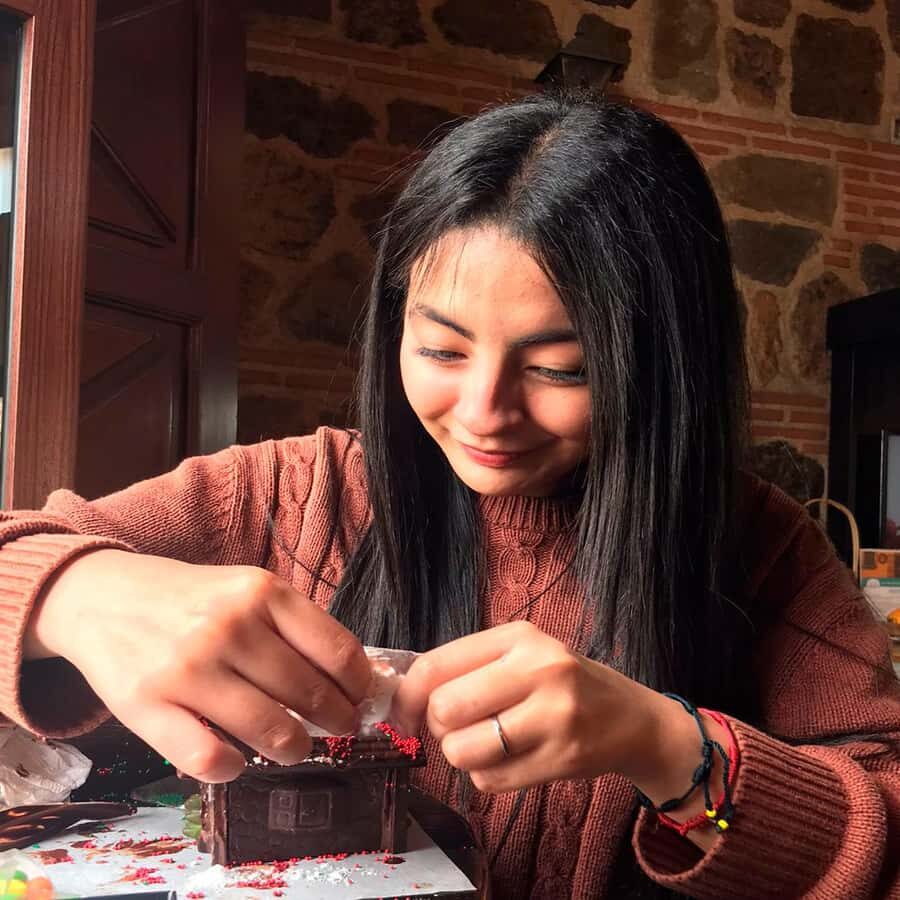
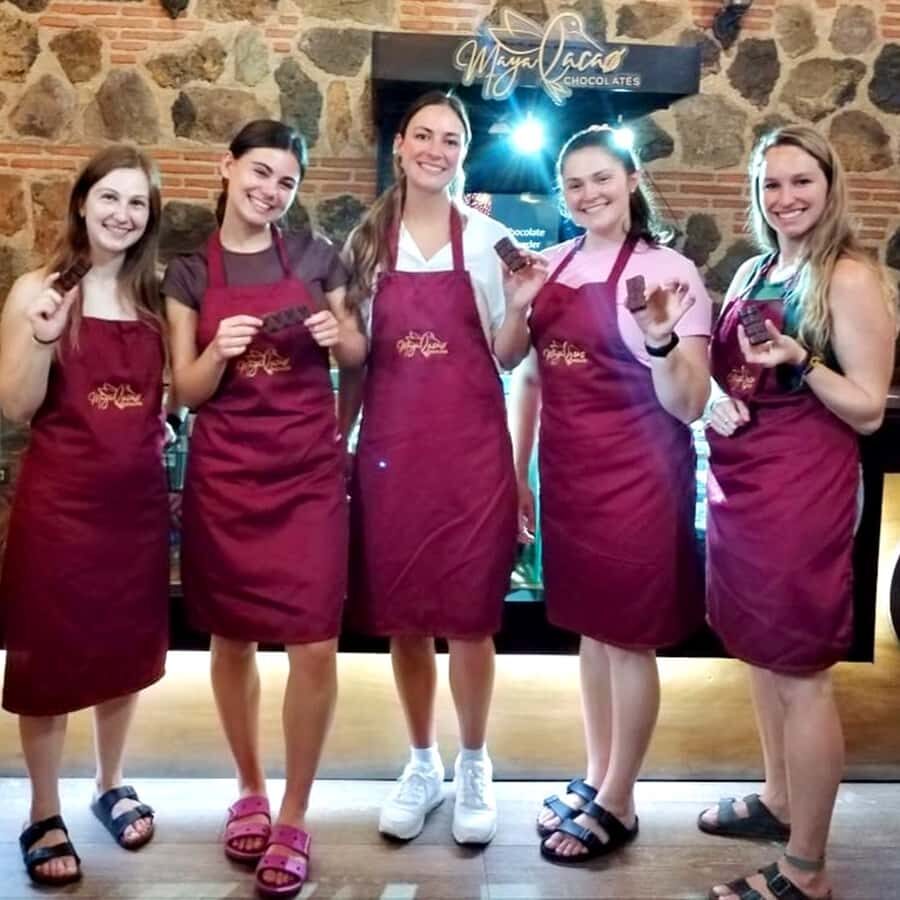
The final step is simple and satisfying: you take your chocolate bar made by you. That matters more than it sounds. When you create the end product, the earlier tastings and steps lock in as real memories, not just information you heard for an hour.
You’ll leave with a flavor and aroma you can connect back to the process. Later, when you open the bar at home, you can try to remember what roasted smells you noticed, what stage felt closer to bitterness, and which process produced the “wow” aroma you kept circling back to during the class.
There’s also a practical satisfaction factor. A lot of tours end with photos. This one ends with something you can eat slowly, share, and use as your own personal comparison later.
If you’re traveling with food-minded friends, this becomes a perfect souvenir. It’s not only edible; it’s educational in a way that holds up after the trip.
A few more Antigua Guatemala tours and experiences worth a look
Price, Time, and Who This Workshop Fits Best
At $32 per person for a cocoa workshop lasting about a day (with the workshop time around 1.5 hours), you’re getting a full process experience: materials, guided degustations, and the bar you make. The value comes from participation. You’re not just tasting—you’re practicing the steps that shape taste.
The private group format also adds value for most people. If you’re traveling with family, it’s easier to ask questions and stay engaged. If you’re traveling solo, you still benefit from more direct attention instead of merging into a crowd.
This workshop is taught in Spanish, and you should plan accordingly if you’re not comfortable with the language. Still, the class experience can be manageable with translation tools and a patient approach. I’d recommend you arrive with a couple of simple questions ready—like what difference they expect from each process—so you’re not stuck waiting for perfect grammar.
Not suitable for children under 7, so if you’re traveling with kids, this is more of a “later childhood” activity. For adults and older teens who like food, aroma, and hands-on learning, it’s a strong fit.
Wheelchair accessible, so mobility shouldn’t be a barrier for most needs—just confirm specifics with the provider if you have very particular requirements.
Store Discount and Practical Extras
You also get a 5% discount on the entire store. That’s a nice add-on if you want to turn the workshop into a mini chocolate haul based on what you learned.
This is also why going with intention helps. If you taste and take notes mentally during the class, you can shop smarter afterward. Instead of buying whatever looks pretty, you’ll have a better sense of what aromas and styles you liked.
Before You Book: Should You Do This?
I’d book this cocoa workshop if you want something more than a tasting. The best part is the step-by-step experience—learning Mayan context, using your senses to compare processes, and doing the roasting, shelling, and grinding so your final bar makes sense.
Skip it if you only want a quick, low-effort chocolate stop or if you hate anything hands-on. Also consider the Spanish instruction: if you don’t use translation tools and you strongly dislike language barriers, you might find the experience slower to follow.
If you’re a food lover, a curious traveler, or someone who likes practical experiences you can repeat later, this one is a solid choice in Antigua Guatemala. It turns cocoa into knowledge you can smell.
FAQ
Where is the meeting point for the cocoa workshop?
You’ll meet about one block from Parque Central, on 6a Avenida Norte 6. It’s a mustard-yellow house, and the host will welcome you at the door.
How long does the workshop take?
The workshop lasts about 1.5 hours, and the activity is valid for 1 day.
What language is the instructor?
The instructor speaks Spanish.
Is the workshop wheelchair accessible?
Yes, the activity is wheelchair accessible.
Is it suitable for children?
It’s not suitable for children under 7 years old.
What do I make and take home?
You make your own chocolate bar during the workshop and take it home.
Is there a discount at the store?
Yes. You get a 5% discount on the entire store.
Can I cancel or pay later?
Free cancellation is available up to 24 hours in advance for a full refund. You can also reserve now and pay later to keep plans flexible.