REVIEW · ANTIGUA GUATEMALA
Acatenango Volcano 2-Day Hike
Book on GetYourGuide →Operated by Old Town Outfitters · Bookable on GetYourGuide
Acatenango is the kind of hike that changes your breathing. You’ll hike through cloud forest, conifer and dry forests, and scree before sleeping just below the tree line with views of Volcán Fuego erupting only about 4 km away. The second big win is the top: Acatenango’s summit delivers 360-degree highland views that feel bigger than the map.
One thing to plan for: the night at camp is truly cold. The tour provides sleeping gear, but you still need to bring warm layers for near-freezing nighttime temperatures and expect early starts when everyone is still half-asleep.
In This Review
- Key things I’d circle before you go
- Why Acatenango + Fuego at Night Is the Main Event
- Price and What You Get for $245
- The First Morning in Antigua: Meet, Gear Up, Then Drive to La Soledad
- Day 1 Trail: Farm Fields to Cloud Forest to That Just-Below-Tree-Line Camp
- A realism check for Day 1
- Camp Night at 3,750m: Views, Warm Drinks, and the Cold You Must Respect
- Day 2 Summit: A Steep 45-Minute Scree Push to Acatenango’s 3,975 m
- My advice for the summit portion
- The Descent: Alternate Route, More Microclimates, and 3 Hours of Survival-But-Beautiful
- Gear Checklist: The Stuff That Saves You (and the Stuff You Can Skip)
- Guides, Pace, and Why This Feels Safe on a Hard Day
- Who This Hike Is For (and Who Might Struggle)
- Should You Book Acatenango Overnight? My Decision Guide
- FAQ
- What time do we meet in Antigua?
- What’s included in the $245 price?
- Do I need hiking boots?
- How cold is the camp night?
- Where is the summit altitude and what’s the ascent like?
- What should I bring for water and basics?
Key things I’d circle before you go
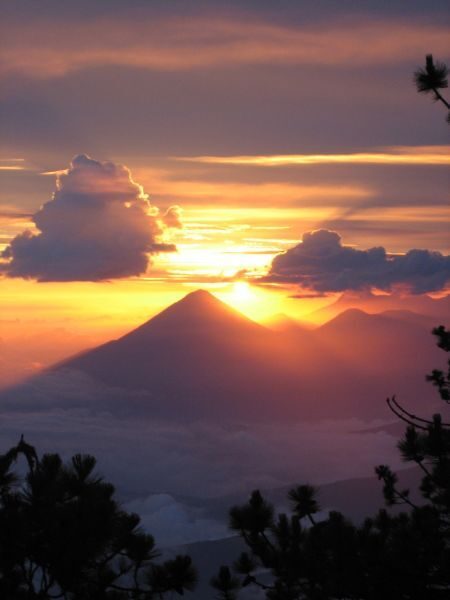
- Fuego eruptions from camp: You watch activity from your campsite, not just from a distance.
- Terrain switches fast: Corn/farm fields to cloud forest to dry forest to barren scree.
- Summit altitude is real: The summit sits at 3,975 m after a steep rocky scree push.
- 360° views across Guatemala: On a clear day you can look all the way toward the Mexican border.
- Food and hot drinks at altitude: Dinner and breakfast are handled for you, with coffee/tea/juice and snacks.
- Support-minded guides: Reviews specifically call out guides like David, Willy, and Rudy for pace, safety, and help when it gets tough.
Why Acatenango + Fuego at Night Is the Main Event
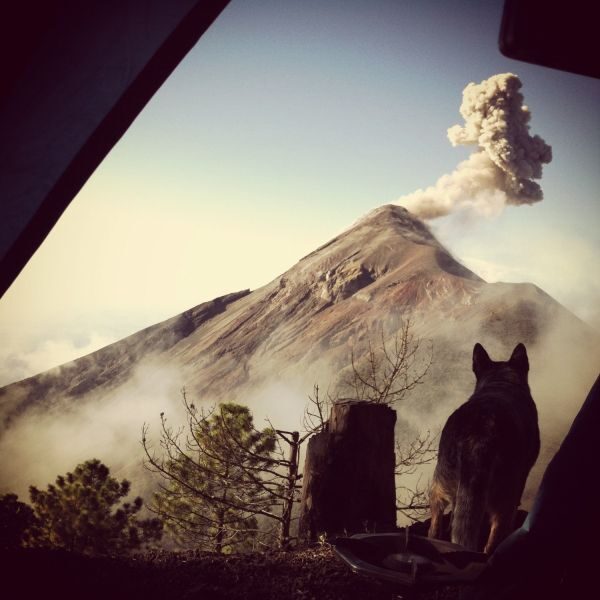
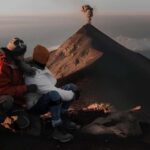
This hike is built around a simple idea: see one volcano up close while you climb another. Day 2 aims for Acatenango’s summit, but the unforgettable moment often comes the night before, when you’re camped on the mountain and watching Fuego erupting nearby.
What makes this itinerary special is the way it connects scenery with effort. You don’t just walk uphill and then call it a day. You work through changing ecosystems, so you’re earning the view by actually experiencing the altitude shifts as you climb.
You’ll also appreciate that the tour doesn’t treat the trip like a “bring everything and suffer” contest. Meals, camping setup, and guide support are included, so your brain can focus on moving, hydrating, and staying warm.
You can also read our reviews of more hiking tours in Antigua Guatemala
Price and What You Get for $245
At $245 per person, the cost can feel like a lot until you tally what’s actually included. You’re getting round-trip transportation from Antigua, park entrance fees, and a local community guide from La Soledad—plus a bilingual guide with certified first-aid training.
You’re also getting a full food setup and real camping support. The price includes a picnic lunch, dinner, and breakfast (with juice/coffee/tea and snacks), and it provides sleeping bags, sleeping pads, and comfortable tents for high-altitude camping.
That means you’re not paying extra to piece it all together yourself. If you already own the right hiking clothes and a solid water system, you can keep your expenses down. If you don’t, it’s worth budgeting a bit for what’s not included, especially footwear and cold-weather layers.
The First Morning in Antigua: Meet, Gear Up, Then Drive to La Soledad
The program starts in Antigua at the Old Town Outfitters shop on 5a. Avenida Sur #12. The meeting point info lists a 9:00am meet time, while the Day 1 description notes a morning departure around 8:00am from the same shop—so check your confirmation for the exact timing you should follow.
Once you’re collected, you’ll ride about an hour to La Soledad, where the hiking begins. This matters because Acatenango doesn’t start with a gentle warm-up; you’ll want legs ready and your layers sorted before you hit the steep sections.
Also, take advantage of the shop time. The shop is open daily 8am–6pm, and you can buy needed gear like warm layers, snacks, or other small essentials before your start.
Day 1 Trail: Farm Fields to Cloud Forest to That Just-Below-Tree-Line Camp
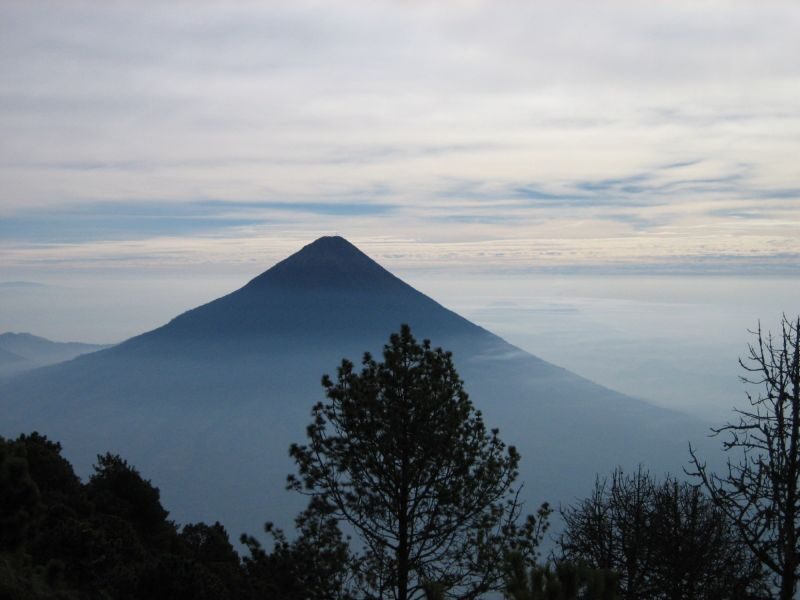
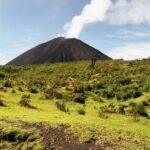
Day 1 is where the tour earns its reputation for variety. You start with a steep ascent through local farm fields to get the pace up fast, which helps you warm quickly. After that, the path turns into ancient tropical cloud forest, where biodiversity is noticeable and native birds can be part of what you spot.
Then the climb continues into temperate coniferous and tropical dry forests, and you’ll start seeing the landscape shift as you approach the tree line. That “microclimate change” is not just a nice phrase—your body feels it, and so does your camera roll.
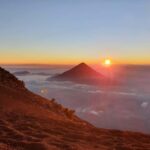
Eventually you reach the camp area at around 3,750m, just below the tree line, with views over the Antigua valley and Volcán Fuego. This is one of the best parts of the planning: camp isn’t hidden. It’s positioned so you can rest and still take in the show.
Dinner is freshly prepared, and the setup includes hot beverages. Reviews also point to practical add-ons like wet wipes and tissues, which make a big difference when you’re managing altitude and limited facilities.
A realism check for Day 1
If you’re not used to steep hiking, Day 1 can feel like the trip has already started hard. That’s normal here. The upside is that you have time to slow down, breathe, and get into the rhythm before the harder summit push.
A few more Antigua Guatemala tours and experiences worth a look
Camp Night at 3,750m: Views, Warm Drinks, and the Cold You Must Respect
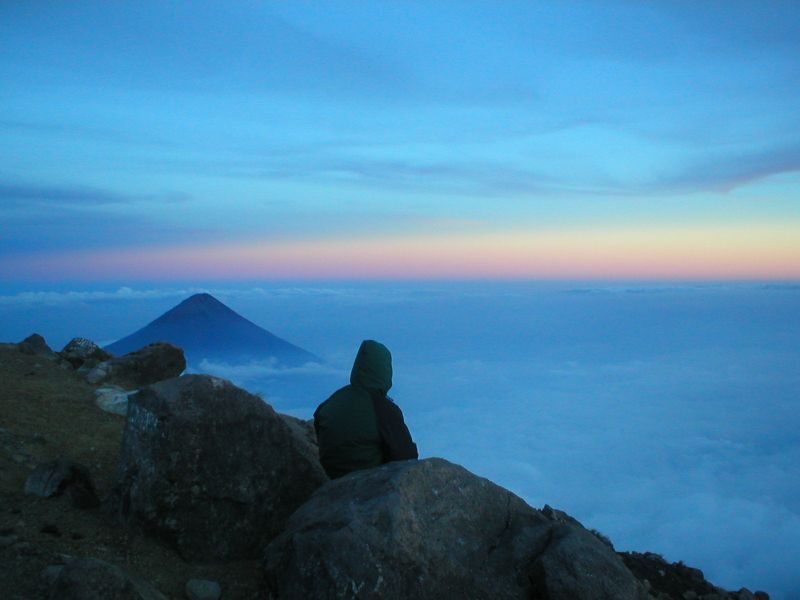
Camping on Acatenango isn’t a “cute overnight” experience. It’s a cold-at-altitude overnight where your job is to sleep safely and recover for the summit.
You’ll have a tent and sleeping bag/pad provided, which is a big deal. But you still need to bring the right clothing: the tour notes cold-weather layers for near-freezing nighttime temperatures, and it’s also not shy about recommending a warm layer and/or windbreaker.
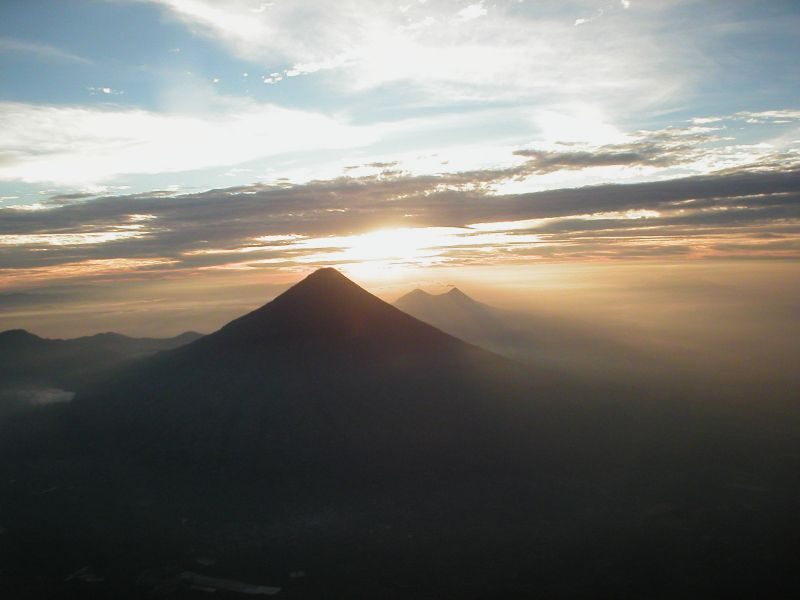
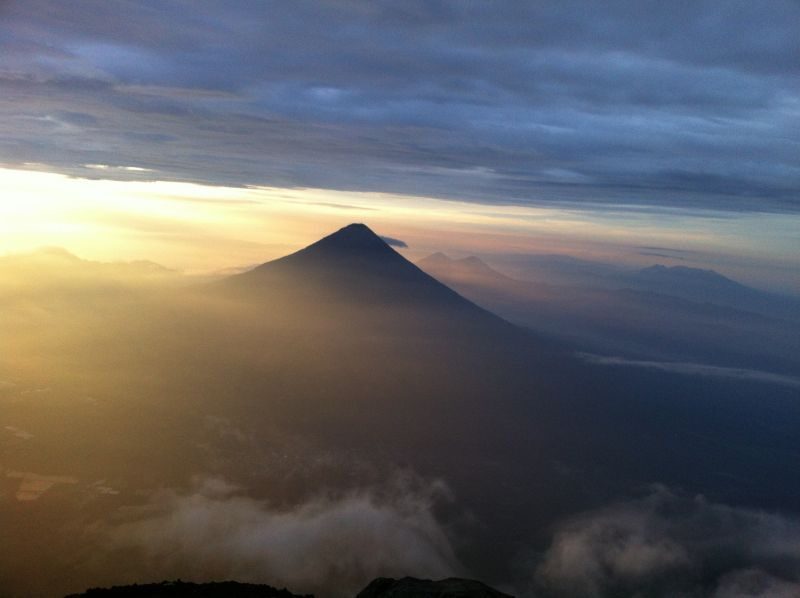
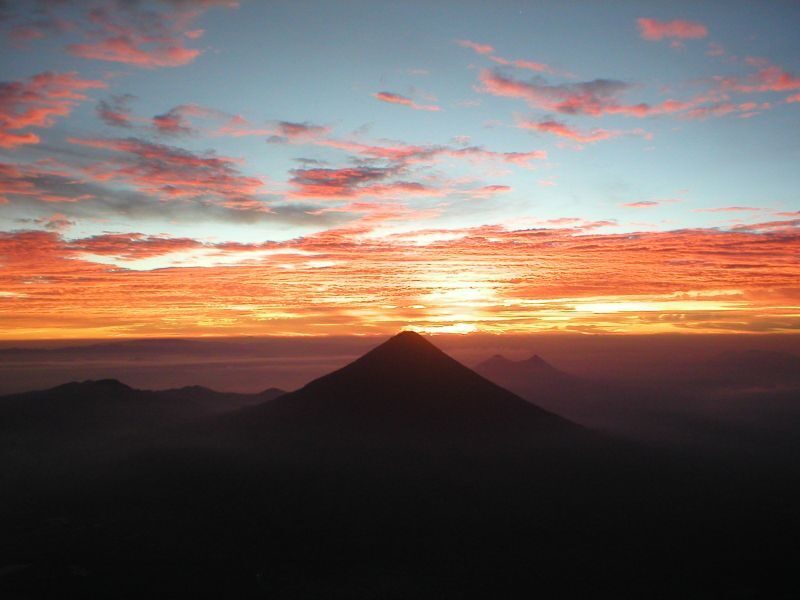
Once you settle, you’re in the zone where Fuego’s activity becomes the main atmosphere of the evening. The tour places the campsite with clear sight lines so you can watch the eruptions from about 4 km away, while you enjoy a calm night with dinner and hot drinks.
This is also where you’ll understand why people suggest simple comforts. Reviews mention a headlamp (or torch) for the early summit, plus planning for how cold your hands can get. If you’re thinking about gloves, bring them.
Day 2 Summit: A Steep 45-Minute Scree Push to Acatenango’s 3,975 m
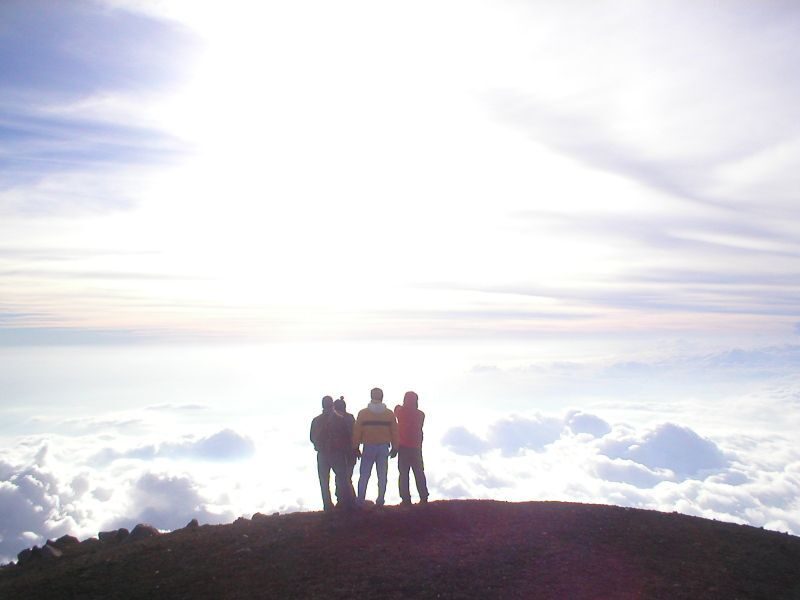
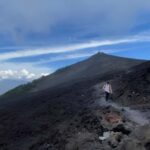
Day 2 starts with an early camp breakfast, then you head for the summit. The route includes a 45-minute ascent along steep, rocky scree, which means footing is everything. You’ll be moving on loose stone, so pace and stability matter more than speed.
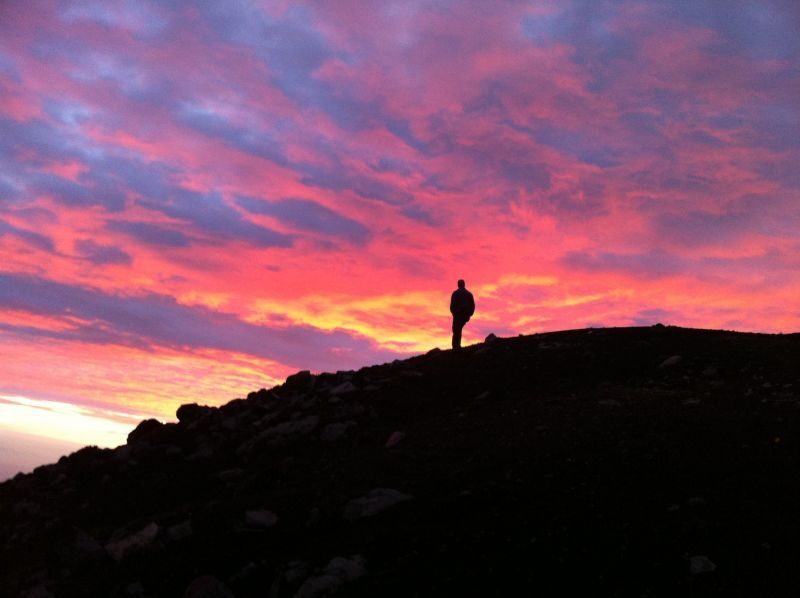
At the top, Acatenango sits at 3,975 m, and that height shows in two ways: your breath and the views. This is where the tour’s promise of 360° panoramas becomes real—across the Guatemalan highlands, up to the Mexican border on clear days.
It’s also the best time to watch the mood of the volcano system. Even if you’re not staring at Fuego every second, the entire area feels like an active volcanic bowl, with the eruptions giving scale to the landscape.
My advice for the summit portion
Go slow and keep your effort smooth. Rocky scree punishes rushed steps, and you want to save your legs for the descent that follows.
If you use hiking poles, bring them. Reviews specifically credit trekking poles for making a big difference on steep and uneven sections. A simple pole setup can reduce knee stress when you transition to the descent.
The Descent: Alternate Route, More Microclimates, and 3 Hours of Survival-But-Beautiful
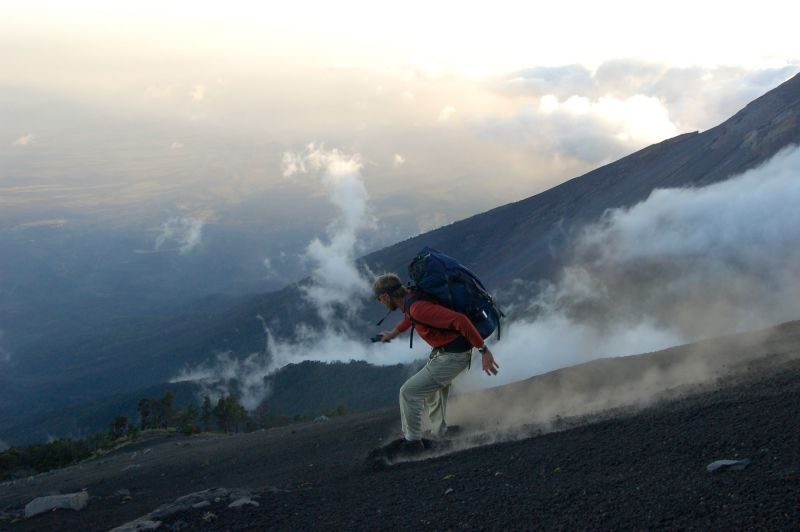
After time at the summit, the group descends for about 3 hours using an alternate route. This is not just “the way back down,” because the tour is designed to show more of the mountain’s changing ecosystems.
That means you may experience different textures and vegetation as you drop in altitude. The goal is to keep the hike from feeling monotonous, while also showing you that the volcano isn’t one uniform environment.
By the time you reach La Soledad, the day is positioned to end with an early afternoon return to Antigua, around 13:00hrs. That timing is helpful if you want to keep the rest of your day open for recovery, a shower, and a normal meal.
Gear Checklist: The Stuff That Saves You (and the Stuff You Can Skip)
Footwear is the first non-negotiable. The tour explicitly notes no sandals, and hiking boots/trekking shoes are not included. Closed-toe shoes matter here because you’ll be on steep scree and uneven trail.
Next: warmth. The camp night is cold enough that you’ll feel it in your sleep, and the tour points you toward thermal clothing and warm layers. Rain gear is also season-dependent: rain jacket is noted as needed May thru October and is not included.
You’ll also want to pack a daypack and plan on dirty clothes. The tour asks for clothes that can get dirty and breathable layers. Add sunglasses and sun hat too, because altitude sun can be brutal even when you feel cool.
For small-but-smart items, I’d listen to the practical advice from real hikers:
- Headlamp/torch for early morning visibility
- Wet wipes and tissues for comfort
- Trekking poles for stability on steep sections
Water planning is another key point. The tour lists 4 liters (minimum) as a target and does not include water. If you hate carrying that much, you’ll still want a strategy—bottle system, refill plan, and enough capacity to avoid running low on steep stretches.
Finally, watch the luggage rules. Oversize luggage and large bags aren’t allowed, and the tour discourages open-toed shoes. Keep your load tight and functional.
Guides, Pace, and Why This Feels Safe on a Hard Day
One reason this hike gets top ratings is the way guides manage the human side of altitude. The program uses bilingual guidance—Spanish, English, and French—and it includes a guide with certified first-aid training.
Reviews highlight that guides walked at the group’s pace and supported people when the track got tough. Names that came up include David and Willy, with praise for English skills and even teaching Spanish phrases during stops. Another named guide in reviews is Rudy, praised for being attentive and for cooking a big part of why the food tasted good at altitude.
Food and camp setup also matter more than you’d think. Reviews mention Lukas carrying and preparing meals, while a staff member like Giovanni handled base-camp setup quickly. When camp is ready fast and food shows up warm, you get real recovery instead of just “survived the night.”
This is also where private group format helps. The tour is listed as a private group, so your hike pace can be adjusted to you rather than everyone being forced into one standard tempo.
Who This Hike Is For (and Who Might Struggle)
This tour fits best if you’re comfortable with a multi-stage mountain day. You’ll face steep sections, scree, and big altitude changes over two days, plus a cold night. If you’re new to hiking, plan to go slow and use poles if you have them.
It’s also a good match if you want scenery that changes often. The trail moves through corn and farm fields, into cloud forest, then through conifer and dry forest, before finishing on barren scree. If you get bored by repetitive trails, this one breaks that pattern.
If you hate cold and you don’t like planning for it, think twice. Sleeping at around 3,750m in near-freezing conditions is part of the deal, and the summit isn’t a gentle stroll.
Should You Book Acatenango Overnight? My Decision Guide
Book it if you want the full package: a real volcano hike, a cold-weather camping night, and direct viewing of Fuego while you rest. The value is strong because you’re not only paying for the views—you’re paying for transportation, guide expertise, park fees, camping gear, and meals.
Skip or reconsider if your budget would be stretched by buying trekking shoes, warm layers, and water capacity. This tour assumes you’ll handle the key personal items—especially footwear, warmth, and enough water—and it’s not the kind of trip where you can show up under-packed.
If you can prepare well and hike steadily, this is one of those experiences that stays in your head for the right reasons: ecosystems changing every few hours, a summit view that feels like it goes forever, and a nearby volcano that puts on a show while you eat dinner.
FAQ
What time do we meet in Antigua?
You meet at the Old Town Outfitters shop at 9:00am at 5a. Avenida Sur #12, Antigua. The hike plan also notes a morning departure around 8:00am from the same shop, so check your booking confirmation for the exact timing.
What’s included in the $245 price?
The tour includes round-trip transportation from Antigua, park entrance fees, a local community guide from La Soledad, meals (picnic lunch, dinner, breakfast, plus juice/coffee/tea and snacks), sleeping bags/pads and tents, and a bilingual guide with certified first-aid training.
Do I need hiking boots?
Yes. The tour notes that hiking boots or trekking shoes are not included, and no sandals are allowed. You’ll want closed-toe footwear for steep, rocky terrain.
How cold is the camp night?
Camp is around 3,750m, and the tour lists that you’ll need cold-weather clothing for near-freezing nighttime temperatures.
Where is the summit altitude and what’s the ascent like?
The summit is at 3,975m. The final climb includes a steep, rocky scree ascent of about 45 minutes.
What should I bring for water and basics?
The tour recommends 4 liters of water (minimum) and specifies that water is not included. It also lists personal essentials like a warm layer/windbreaker, sunscreen, sun hat, sunglasses, and it notes flashlight is not included.