REVIEW · ANTIGUA
Experience: Organic Coffee, Avocados, Honey & More!
Book on Viator →Operated by The Little Green Farm GT · Bookable on Viator
If you like your food stories with dirt on the shoes, this is for you. This organic coffee and honey farm walk from Antigua turns agriculture into hands-on fun, from grinding and brewing your own cup to tasting honey straight from the hives.
Two things I really like: the make-it-yourself coffee and roasting process, and the way you also learn about avocados, bees, and compost as one connected system. One thing to consider: it’s a working farm, so expect real walking and farm-pace stops, and some steps depend on season and good weather.
In This Review
- Key highlights at a glance
- From Antigua to San Pedro Las Huertas: the easy ride into farm life
- Coffee plantation walk to your own cup: the bean-to-brew routine
- Avocado plantation + guacamole in season, plus corn tortillas
- Bees, honey, and the farm’s pollinator tech
- Compost systems: four different ways organic soil gets made
- Learning what organic means on a working farm
- Timing, walking pace, group size, and what to bring
- Price and value: what $59 buys you at Little Green Farm GT
- Who should book this eco-farm experience near Antigua
- Should you book this Antigua organic coffee and honey tour?
- FAQ
- What is the tour location?
- What time does the experience start?
- How long does the tour last?
- How many people are in a group?
- What activities are included on the farm?
- Is the tour focused only on coffee?
- Will guacamole be available on every date?
- Does the tour include transportation?
- What kind of weather do I need for this experience?
- What is the cancellation option?
Key highlights at a glance
- Small-group farm tour (max 10): relaxed pace with plenty of time to ask questions
- Hands-on coffee: grind, brew, and taste what you helped prepare
- Avocado + guacamole + tortillas: you walk the trees and then make the snack (guacamole is in season)
- Bees and honey tech: you learn why pollinators matter and taste the results
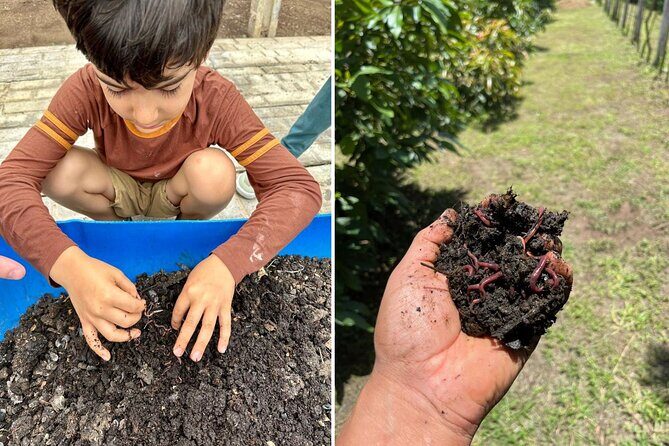
- Four compost systems: see different organic compost-making methods and how to copy them
From Antigua to San Pedro Las Huertas: the easy ride into farm life
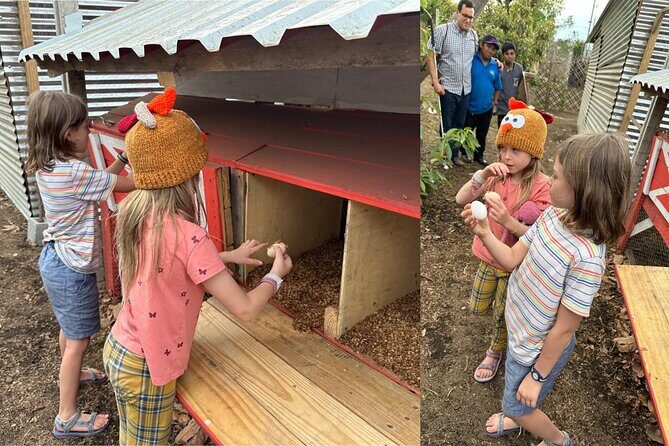
This tour is built for people staying in Antigua who want to get out of the city rhythm without a complicated day. You meet at Casa del Jade, Edificio El Jaulón, 4a Calle Ote. 10 at 9:30 am, then you ride out to a family eco-farm area near San Pedro Las Huertas. Along the way, you drive past the town as the day shifts from streets to fields.
Once you arrive, the experience becomes a walking tour. That matters: you’re not bouncing between far-apart stops. You’re moving through the farm at an unhurried pace, seeing the same ecosystem from multiple angles—coffee on one side, avocado trees nearby, and the compost and bee side of the operation happening in plain view. It’s a practical way to understand sustainable agriculture without needing a lecture-heavy tour.
A nice bonus of the format is how much of the time is spent doing, not just watching. You’re tasting, rolling tortillas, learning by asking, and getting hands-on with the food steps—exactly what you want when you’re paying to experience real local work.
A few more Antigua tours and experiences worth a look
Coffee plantation walk to your own cup: the bean-to-brew routine
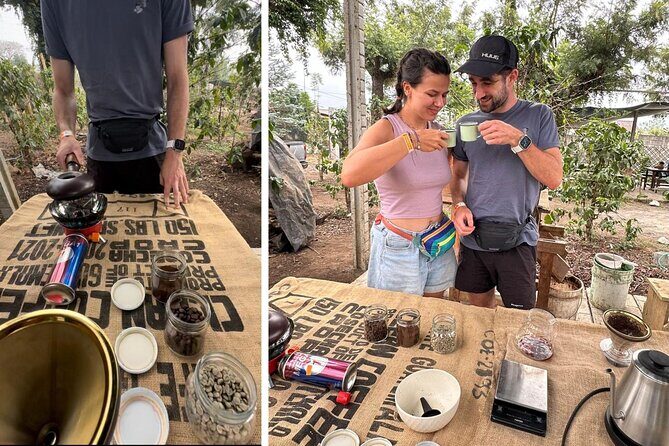
Coffee is the star of the show, and the tour doesn’t treat it like a museum artifact. You start by going through the coffee plantation and tasting coffee there. Then you move into the steps that explain why good coffee takes effort, not shortcuts.
Here’s what you can expect from the coffee portion:
- you see the coffee plantation firsthand
- you taste coffee during the farm walk
- you get to grind and brew coffee (the experience is set up so you can taste what you made)
What makes this more valuable than a standard tasting is the practical sequence. Instead of just asking whether coffee is good, you learn how flavor and quality connect to process—picking/handling, preparation, grinding, and brewing. And because this is an eco-farm environment, the coffee lesson fits into the bigger theme: healthy soil, pollinators, and careful organic-style practices.
If you’re the kind of traveler who keeps a coffee ritual at home, this tour gives you a memory anchor you can use. You’ll leave with a clearer idea of what the farm cares about, so when you order coffee later, you’ll understand what you’re tasting and why.
Avocado plantation + guacamole in season, plus corn tortillas
After coffee, you walk by the avocado plantation. This isn’t just a photo stop. You’re learning how the farm supports its trees and what’s happening in the background—especially the role of compost and the general ecosystem work.
Then the tour shifts into the food you can actually eat right away. The plan includes:
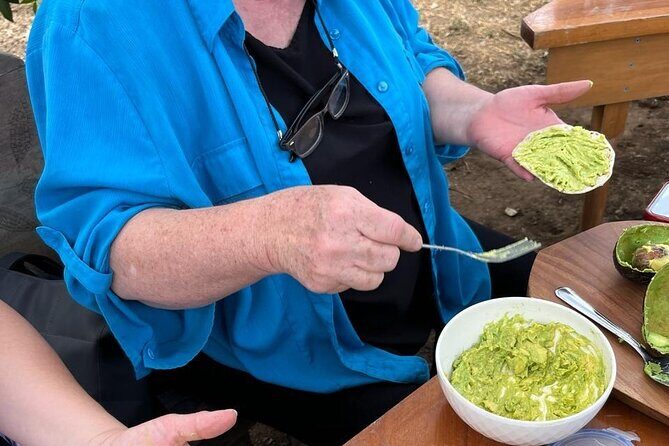
- making guacamole (it’s noted as in season)
- making corn tortillas
That combination is simple but smart. Guacamole alone can feel like a snack demo. Add fresh tortillas and the activity becomes more meaningful: you see how a farm product becomes a meal with basic ingredients and real technique. Tortilla-making also gives you a chance to slow down and connect with the local rhythm of cooking, not just tasting.
Season note: guacamole is listed as in season, so if your timing lands outside that window, you still get the avocado and tortilla components, but the guacamole step may vary. It’s worth going into the tour with flexibility and enjoying what’s available that day.
Also keep in mind the tour is hands-on. You’ll be rolling, preparing, and eating as you go. If you love food that feels like it came from a real kitchen (not a staged serving table), you’ll fit right in.
Bees, honey, and the farm’s pollinator tech
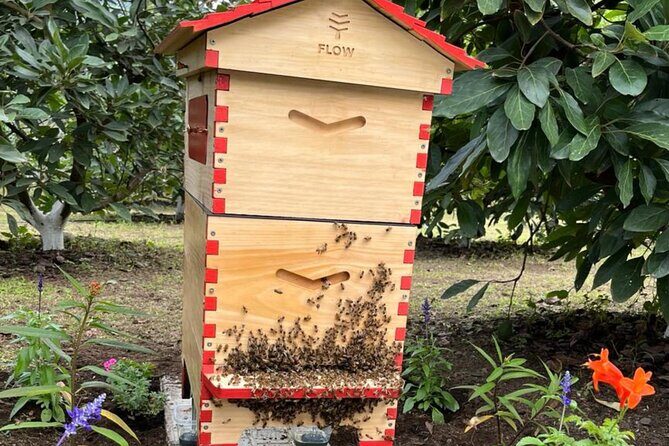
Bees aren’t an add-on detail here. They’re part of the reason the whole system works. You’ll learn about the importance of bees, see new technology used to obtain honey, and then taste the honey.
This is one of those lessons that sounds basic until you see it in action. On a farm, pollinators aren’t just nature trivia. They connect directly to plant health and fruit set, which loops you back to avocados and coffee ecosystem care. And honey adds a delicious, immediate payoff for all that learning.
The honey portion is especially good if you’re the type who likes food science without the lab jargon. You get a quick education on how the farm approaches beekeeping, how they gather honey using their setup, and then you taste the result. It’s education that ends with flavor, not paperwork.
And yes, if you’re a dog person, you might get a friendly farm-welcome from the animals mentioned on the farm experience—people have called out dogs like Bingo and Gunner as part of the day’s charm.
Compost systems: four different ways organic soil gets made
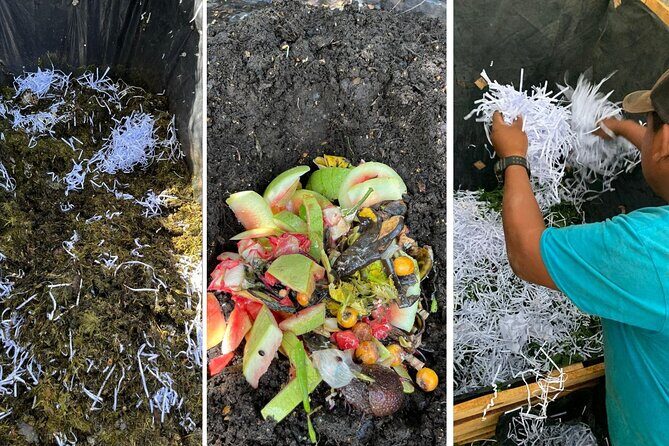
Soil is the quiet backbone of this tour. You’ll see 4 different organic compost making setups and learn how the farm produces it. You also hear how they’re working toward organic standards.
Why this part matters for you: compost is one of the most practical entry points into sustainability. It’s also where many farms either build resilience or burn out soil long-term. Watching multiple compost methods helps you understand that there isn’t only one compost recipe—it’s about matching the approach to the farm’s needs and resources.
When you hear the farm explain compost, you’ll notice the message stays consistent: healthy soil supports healthier plants, which supports better food, which supports a system that doesn’t rely on constant external fixes. Even if you’re not starting a garden at home, compost understanding changes the way you think about what “organic” means.





Learning what organic means on a working farm
This isn’t an abstract sustainability talk. You’ll get the farm’s view of why their approach supports the path toward organic. The tour includes learning how they’re making it to be organic, not just saying the word.
Also, several parts of the experience connect directly to organic living without the heavy marketing tone:
- organic-style compost making (and seeing multiple approaches)
- caring for pollinators (bees and beneficial ecosystem support)
- using the farm ecosystem as the base for plant health
If you’ve ever felt like eco tours say sustainability but never show the nuts and bolts, this one is aimed at the opposite. You’re walking through systems and then tasting or using the products that those systems support.
If you’re into gardening, farming, or simply want to understand why good food can come from good processes, you’ll get a lot out of this segment.
Timing, walking pace, group size, and what to bring
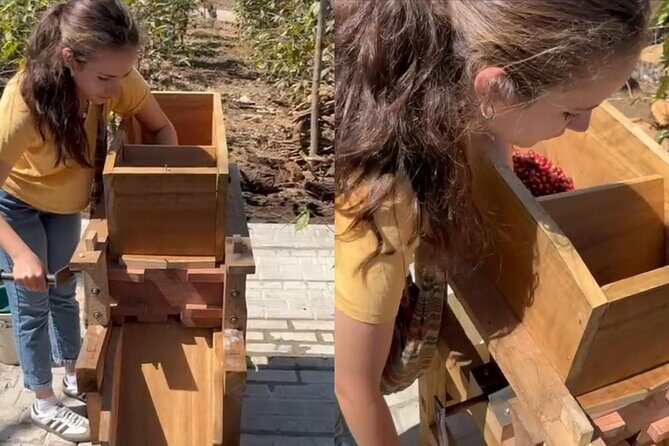
This is scheduled for about 2 to 3 hours total. The on-farm walking and activities take about 1 hour 30 minutes, with transfer time included in the overall plan.
Group size stays small—maximum 10 travelers. That’s a big deal for a hands-on tour. With fewer people, you’re more likely to get personal attention, ask follow-up questions, and actually participate instead of waiting your turn.
Because it’s a walking tour on a farm, plan around the physical reality:
- wear shoes you don’t mind getting a little dusty
- bring a light layer if mornings feel cool
- expect uneven ground in an active farm environment
Weather matters. The tour notes that it requires good weather. If it’s poor outside, the experience may be canceled and you’d be offered a different date or a full refund, so check the forecast close to your day.
Price and value: what $59 buys you at Little Green Farm GT
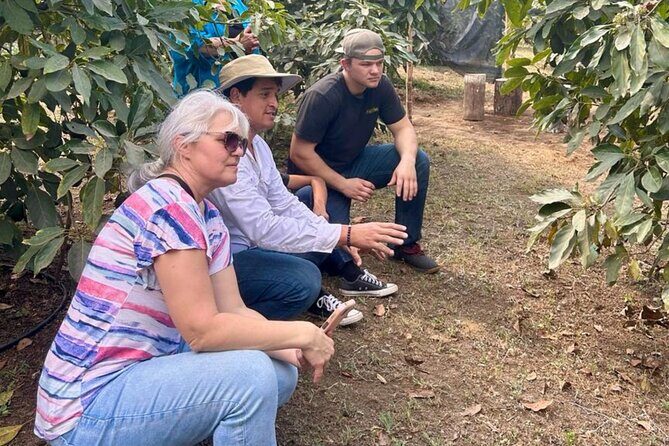
At $59 per person, this isn’t a budget-only option. But it’s also not priced like a big-city show. The value is in three places:
1) Hands-on food steps
You don’t just sample. You grind, brew, and make (tortillas and sometimes guacamole). That’s the core of why the tour feels worth it.
2) A connected education
Coffee, avocados, honey, bees, and compost all fit together. When these systems are explained as one farm ecosystem, it sticks. You leave with a more complete picture than you’d get from a single-ingredient tour.
3) Small-group, owner-run style
The experience is run by the farm team, with people describing it as personal and interactive. A small group keeps the vibe relaxed and makes it easier for the guide to adapt explanations on the spot.
One more practical angle: the tour is often booked about 28 days in advance, so if you’re traveling in a busy month, you’ll want to reserve early rather than waiting for the last minute.
Who should book this eco-farm experience near Antigua
I think this tour is a strong fit if you want:
- a break from Antigua’s typical sightseeing loop
- hands-on food experiences (coffee, tortillas, guacamole when in season)
- a sustainability lesson tied to real farm tasks: compost and bees
- something that works for mixed ages, since the format is interactive and not just lecture-based
It may be less ideal if you want a fully seated, fast-paced city-style tour. This is slower, outdoors, and built around farm walking and participation.
Should you book this Antigua organic coffee and honey tour?
If your travel style is part food, part learning, and part “show me how it works,” I’d book it. The standout promise here is simple: you get coffee you help prepare, plus avocado and honey tied to the farm’s organic approach. The small group and walking format keep it from feeling like a mass-production excursion.
Before you go, do two things:
- check whether your dates might fall in the guacamole season window
- pack for outdoor walking and good morning weather
If that’s fine, this is an easy yes for your Antigua plans—especially if you’d like your souvenirs to be edible, and your lessons to be practical.
FAQ
What is the tour location?
The tour starts at Casa del Jade, Edificio El Jaulón, 4a Calle Ote. 10, Antigua Guatemala, and it takes you to a family eco-farm near San Pedro Las Huertas.
What time does the experience start?
The start time listed is 9:30 am.
How long does the tour last?
It’s approximately 2 to 3 hours total.
How many people are in a group?
The tour has a maximum of 10 travelers.
What activities are included on the farm?
You go through the coffee plantation, taste coffee, walk by the avocado plantation, make guacamole in season and corn tortillas, learn about bees and honey (including tasting), see four different organic compost making methods, and learn how the farm is working toward organic.
Is the tour focused only on coffee?
No. It’s an organic agriculture experience that also covers avocados, honey, bees, and compost, with hands-on food steps.
Will guacamole be available on every date?
Guacamole is listed as in season, so it may vary depending on timing.
Does the tour include transportation?
Yes. Return transport is included, and the activity ends back at the meeting point.
What kind of weather do I need for this experience?
The experience requires good weather.
What is the cancellation option?
Free cancellation is available up to 24 hours before the experience’s start time for a full refund.