Volcano nights are a different kind of quiet. This Acatenango overnight hike starts at 8:00 am in Antigua and turns a long day of climbing into a camp-on-the-slope night under real dark skies, with gear to keep you warm and moving.
I love that you’re not hiking empty-handed: sleeping bags and mats are included, plus gloves and sweaters help on the cooler rise. I also like the thoughtful hot-drink rhythm, where you give water so the guide can prep hot chocolate on the first night and coffee or tea the next morning.
The main thing to watch is how organized your group feels. The tour is capped at 15, but some departures can run larger, which can mean less instruction and a less comfortable start when everyone is trying to get moving.
In This Review
- Key highlights before you lace up
- The Acatenango night: why this tour feels worth it
- 8:00 am Antigua departure and the climb you’ll actually feel
- What’s included vs what costs extra (and how to budget smart)
- Camping on the slopes: what the night is really like
- Food on the hike: expect simple, bring your own backup
- Guides and group size: the difference between a hike and a scramble
- Price and value: where your money goes
- Who this trip suits best (and who should think twice)
- Should you book Overnight Adventure Hike Acatenango Volcano?
- FAQ
- What is the tour price?
- How long is the Acatenango overnight hike?
- What time does the tour start?
- Where does the tour start and end?
- What is included in the price?
- Is breakfast included on the first day?
- Do I need to pay for Acatenango Park entrance?
- Are backpacks, walking sticks, or flashlights included?
- What fitness level do I need?
- Is free cancellation available?
Key highlights before you lace up
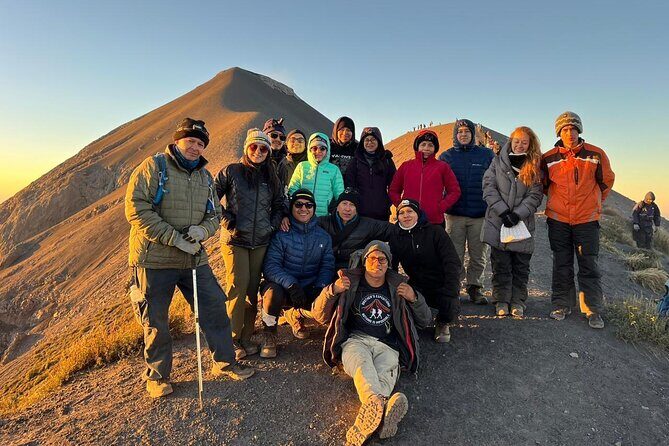
- A true overnight camp on the slopes, built for starry skies and that volcano-at-your-feet feeling
- Included warm items like gloves and sweaters, plus sleeping bags and mats for base camp nights
- Hot drinks timed into the trip, with water set aside so you get something warm (not just cold air)
- Serious fitness requirement, so you’ll get more out of it if you hike regularly
- Guides can make a big difference, and people specifically praise guides like Angell and Rogelio for keeping things friendly and supportive
The Acatenango night: why this tour feels worth it
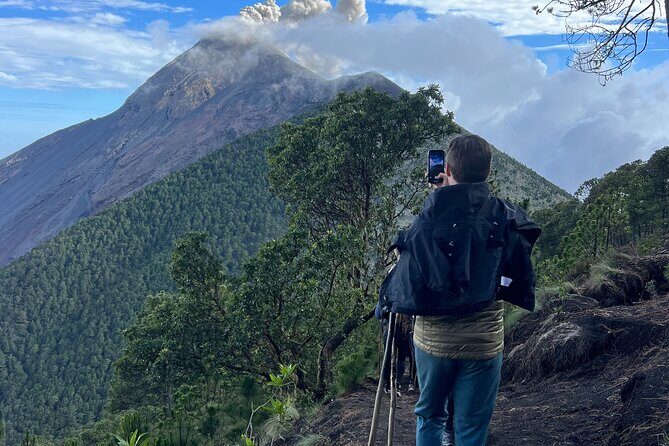
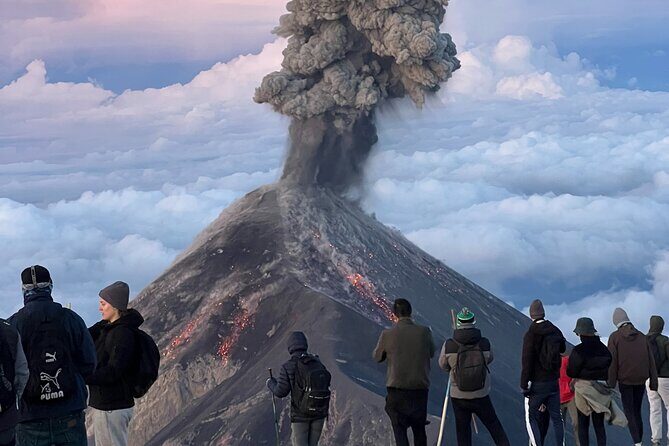
Most volcano trips are just a viewpoint. This one gives you time to live inside the experience. You start with a climb that gradually swaps humid, warmer air for cooler mountain air and bigger views. Then you hit the part people remember: night camp on the volcano slopes, where darkness and silence do most of the storytelling.
The best value here is that you’re not only collecting photos. You’re doing the slower thing that makes volcanoes feel real. You’ll hear and feel how active weather and temperature changes move across the mountain. If you’ve ever wanted your travel to include more than a checkmark, this is one of those rare chances.
Just keep expectations grounded: this is still a hike. You should be ready for aching legs, cold moments, and the simple reality of camping. Comfort is not the headline. The view and the night sky are.
You can also read our reviews of more hiking tours in Antigua
8:00 am Antigua departure and the climb you’ll actually feel
The tour begins in Antigua Guatemala at 8:00 am, and it ends back at the meeting point. That sounds simple, but you should plan your day around the fact that this hike isn’t a casual walk. You’re moving from greener lower slopes upward into thinner, cooler air, and it adds up.
What helps is understanding the shape of the day:
- The morning portion focuses on ascending through changing vegetation and air temperature.
- You’re working upward while the scenery keeps widening, so pace matters.
- As the altitude and chill build, your body will feel the climb more than you expected.
This is a tour for people with strong physical fitness. If you’re confident on long uphill walks with an overnight stake in your schedule, you’re in the right place. If you’re hoping for mostly flat time with good views, you’ll likely get frustrated.
What’s included vs what costs extra (and how to budget smart)
The headline inclusions are solid for an overnight: you get sleeping bags and mats, plus gloves and sweaters. Those warm layers matter because the overnight part is where most people get cold fast.
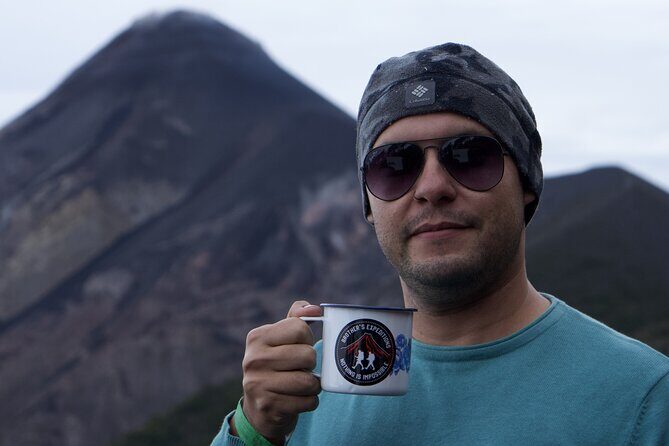
You also get help with hot drinks. The setup is simple: you give a cup of water so the guide can make hot chocolate on the first night, and then you give water again the next day for coffee or tea. Even if you’re not a coffee person, this is one of the small comfort wins that makes camping feel survivable.
Now for the extra costs. These items can add up, so budget for them early:
- Acatenango Park entrance: $14 per person
- Backpacks: $14 per person
- Walking sticks: $14 per person
- Flashlights: $7 per person
Also note meals: breakfast is not included on day one, but it is included on day two. That means you’ll either want to eat before you start or carry some plan for the first-day hunger gap.
Value check: at $84 per person, the base price is attractive, especially because key camping gear is provided. But your real all-in cost depends on whether you rent the park-related items (entrance) and whether you prefer using rented hiking support like sticks or a flashlight.
Camping on the slopes: what the night is really like
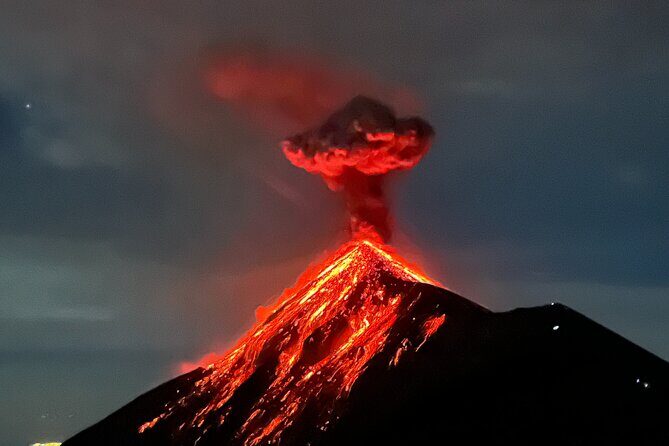
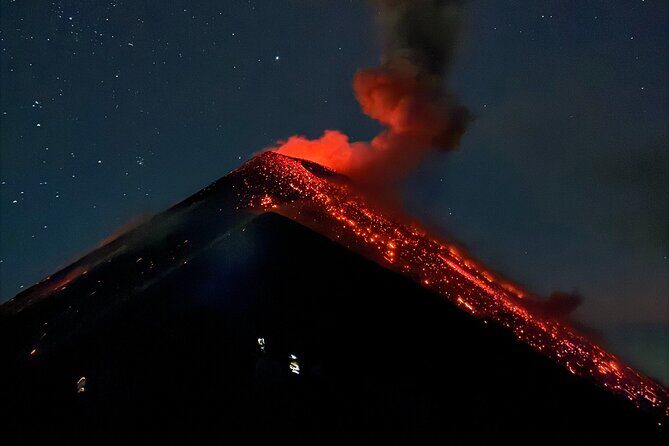
The overnight setup is the heart of the trip. You’ll camp on the volcano slopes and spend the night under the stars. The energy of the place comes through when you’re not just passing through—when the mountain becomes the backdrop to everything: wind, temperature, and the feeling of being close to something powerful.
In practical terms, the night can be a mix of magical and uncomfortable:
- Cold is likely, even with the included sweaters and gloves.
- You’ll sleep in a camp setting, not a hotel setup.
- You’ll want your night lighting strategy sorted (flashlight is offered for $7, but it’s not automatically included).
This is also where group dynamics matter. When numbers run large, it can feel harder to get quiet, settle, and get organized for the next morning. When things run smoothly, the night feels calm and focused—exactly what you came for.
Food on the hike: expect simple, bring your own backup
This is the one area where the experience can swing. Some people love the overall adventure but say the included food can be underwhelming—things like a thick, hard loaf of bread with a small filling, served cold with no clear way to heat it up. Others found the included meal portions more bland than what they expected.
There’s also a clear structural clue: breakfast isn’t included on the first day, and the second day’s breakfast is included. That means day one can feel like you need fuel sooner, and the tour meal plan might not match your taste.
So here’s my practical advice: treat the provided food as a minimum. Pack or plan for extra snacks if you know you get cranky when energy dips. Even a small stash can turn the food situation from annoying to totally fine.

Guides and group size: the difference between a hike and a scramble
The tour’s maximum group size is listed at 15. That matters because a small group makes it easier for guides to explain pacing, keep watch, and help if someone’s moving slower or struggling.
Some departures, though, can run much larger than that, which can feel chaotic at the start and can reduce how much personal attention you get. When you’re climbing at a steady effort, you don’t need complicated talk—but you do need clear guidance and some sense of order.
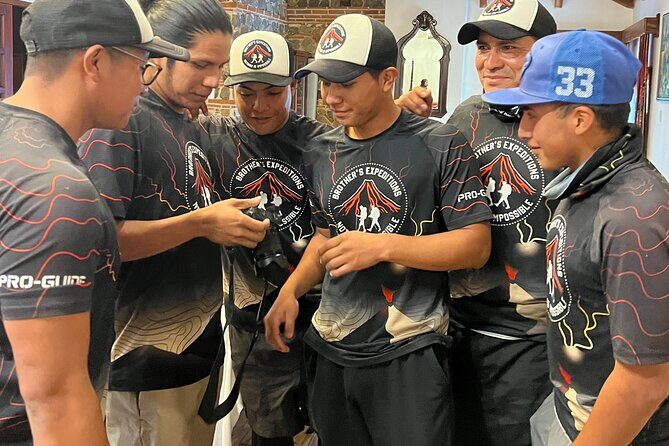
On the plus side, the human element can still be excellent. People specifically highlight guides like Angell and Rogelio for being helpful and friendly, which can turn the experience from just surviving into actually enjoying the day.
My recommendation: if you’re considering booking, show up early and be ready to adapt. If the lineup looks bigger than expected, you’ll want to focus on safety, not comfort, and keep your own pacing steady.
Price and value: where your money goes
Let’s break down the price in real-world terms. The tour costs $84 per person for an approx. two-day experience with overnight camping gear included (sleeping bag and mat) and warm extras like gloves and sweaters.
Then add the common extras:
- Park entrance: $14
- Backpack rental: $14 (if you don’t bring your own)
- Walking stick rental: $14 (if you prefer it)
- Flashlight rental: $7
Even if you only pay the park entrance, you’re already closer to $98. If you choose all the optional rentals, the total can rise quickly. That doesn’t automatically make it bad value—it just means this is a trip where you should decide early what kind of comfort and support you want.
For me, the value is strongest if you:
- don’t want to source camping gear yourself,
- are happy with basic food,
- and really want the overnight night-sky part.
If you already hike comfortably and you bring your own flashlight and sticks, the base price can feel like a bargain. If you need multiple rentals and you’re sensitive to cold or food, it can start to feel pricey compared to a simpler day hike.
Who this trip suits best (and who should think twice)
This is best for hikers with strong fitness. You’ll be going uphill for a long stretch, and the overnight portion makes it feel even more demanding because you’re also sleeping in cold conditions.
You’ll likely enjoy it most if you:
- hike regularly or do frequent uphill walks,
- like being outdoors at night,
- and want the Acatenango experience rather than a quick photo stop.
Think twice if you:
- need lots of comfort, warmth, and personal instruction,
- dislike camping setups,
- or know you struggle when group pace is inconsistent.
It’s also worth saying: this tour can still be a great time even if you’re not into long speeches from guides. You mostly need steadiness, guidance, and gear that works.
Should you book Overnight Adventure Hike Acatenango Volcano?
Book it if your goal is the full package: an overnight camp, a challenging climb, and a night under stars that feels close to the volcano rather than distant from it. The included sleeping setup and warm gear are genuine wins, and guides like Angell and Rogelio show that good support is possible.
Consider booking a different option if you want guaranteed small-group calm or you’re expecting hearty, hot meals as part of the price. Also, if you know you’ll struggle with uphill effort, this will test you.
If you do book, go in with the right mindset: wear layers, plan for cold, budget for park entrance and potential rentals, and bring a small food backup for day one. That’s how you turn this from a tough trip into a memorable one.
FAQ
What is the tour price?
The price is $84.00 per person.
How long is the Acatenango overnight hike?
It runs for 2 days (approx.).
What time does the tour start?
It starts at 8:00 am in Antigua Guatemala.
Where does the tour start and end?
It starts in Antigua, Guatemala and ends back at the meeting point.
What is included in the price?
Included items are sleeping bags, mats, gloves, sweaters, and coffee and/or tea. Breakfast is included on the second day (but not the first day).
Is breakfast included on the first day?
No. Breakfast is not included on the first day.
Do I need to pay for Acatenango Park entrance?
Yes. Acatenango Park entrance is $14.00 per person and is not included.
Are backpacks, walking sticks, or flashlights included?
No. Backpacks are $14.00 per person, walking sticks are $14.00 per person, and flashlights are $7.00 per person.
What fitness level do I need?
You should have a strong physical fitness level.
Is free cancellation available?
Yes. You can cancel for a full refund up to 24 hours in advance of the experience start time.