REVIEW · ANTIGUA
Hike to Pacaya Volcano from Antigua
Book on Viator →Operated by Voyageur Tours · Bookable on Viator
Pacaya feels alive, even from the trail. This half-day hike from Antigua takes you up one of Guatemala’s most active volcanoes to a lava-field plateau steaming with heat vents and perfect places for a quick snack moment. I like that you’re not just looking at volcano stuff from afar—you’re walking through it with a local guide. The main thing to watch is that this climb is steeper than it looks, and you should plan on extra cash on top of the tour price.
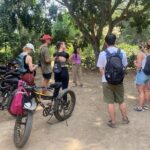
I especially like the value of the “small group + pickup” setup. A guide meets you, gets you to Pacaya National Park (about an hour away), then keeps the day moving at a pace that works for most people. I also love the hands-on details: seeing volcanic terrain up close and roasting marshmallows using the heat from vents in the lava field.
Here’s the consideration: the hike demands real effort, and a lot of the “extra” stuff (entrance fees, horses, snacks, add-ons) is paid directly in cash. If you’re expecting a relaxed stroll, you’ll get surprised fast.
In This Review
- Key things I’d pin on your map before you go
- Why Pacaya From Antigua Hits the Sweet Spot
- The Cost Breakdown: $35 Tour Price vs Real On-the-Ground Fees
- Getting There Smoothly: Pickup, Timing, and Where the Day Ends
- The Hike Up: What “Moderate” Feels Like on a Volcano
- Staying With the Group: A Practical Safety Tip
- Lava Vents and Marshmallows: The Moment You Came For
- Views, Fog, and When to Go
- Guides and the Language Gap: Expect Basic English
- Horse Rentals: When They Help and When They Can Distract
- What to Wear and Bring (So Your Feet Don’t Complain)
- Optional Extras: Sticks, Pizza, and Trail Stops
- Who This Pacaya Hike Is Best For
- Should You Book This Pacaya Hike?
- FAQ
- How long does the Pacaya hike from Antigua take?
- Where do we meet for the tour?
- What does the tour price include?
- What entrance fee is required for Pacaya?
- Can I ride a horse instead of hiking the whole way?
- Is it possible to get close to the volcano crater?
- Does the tour run in rain?
- What should I wear and bring?
Key things I’d pin on your map before you go
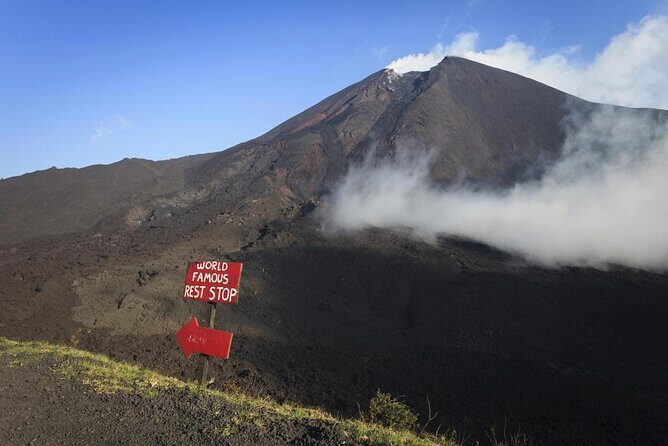
- Lava vents + marshmallows: you’ll roast treats using the volcanic heat in the lava field.
- A real summit view, without going to the crater: you can’t approach the crater, but you’ll still get stunning perspectives.
- Optional horseback rides: usually the steepest sections are where horses make the most sense.
- Morning or afternoon matters: fog can roll in, so timing affects what you actually see.
- Bring cash: the park entrance fee is mandatory and paid on-site in quetzales.
- Plan for dark on sunset departures: a flashlight helps if you’re hiking later in the day.
Why Pacaya From Antigua Hits the Sweet Spot
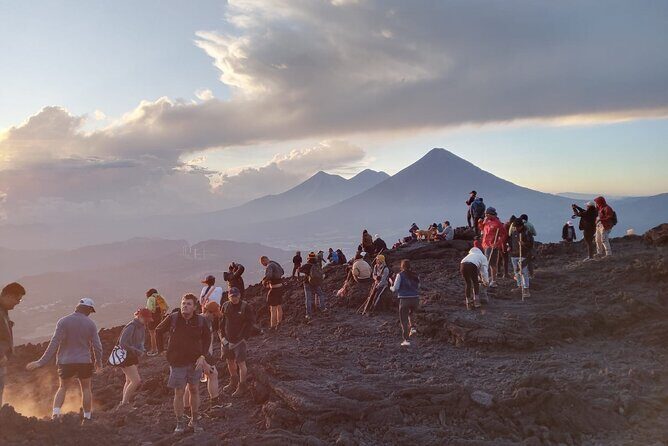
Pacaya is one of those places where you can learn fast without a classroom. From Antigua, you get that rare combo: active-volcano terrain plus a short, guided hike that fits into a half-day schedule. The walk doesn’t feel like a museum trip. It feels like you’re on the edge of a living system.
The day is built around a straightforward idea: get you to the high-altitude plateau where the ground is warm and the vents steam. Even though you can’t get near the crater for safety, you still feel the volcano underfoot and see the results of eruptions all around you.
This is also a great “first active volcano” choice. You’re not signing up for a long multi-day trek. You’re going for a focused dose of geology, viewpoints, and that weird, memorable moment of cooking food with heat from the earth.
You can also read our reviews of more hiking tours in Antigua
The Cost Breakdown: $35 Tour Price vs Real On-the-Ground Fees
The tour price is $35 per person, and it includes key pieces that make the day easy: round-trip shared transportation from Antigua and a trail guide (Spanish-English with basic English). You’re also covered for the guided hike experience itself and the pickup from selected hotels.
But you will need extra money. The Pacaya National Park entrance fee is Q100 per person, paid in cash at the park entrance (quetzales). Plan for this as non-negotiable if you want to hike at all.
Then there are optional add-ons:
- Horse rental (optional): commonly quoted around Q300 per horse, and pricing can vary depending on how you ride (up only vs up and down). You pay the provider directly at the park.
- Wooden walking stick (optional): about Q10 if you want one.
- Pizza and other trail stops: not included. Some departures may offer a pizza-style experience cooked over very hot rocks, but you shouldn’t count on it as part of the base package.
Value-wise, I’d say this tour is a win if you like guided nature trips and you want the logistics handled. It’s less of a win if you’re hoping for a true “all-in-one price” day with zero cash surprises.
Getting There Smoothly: Pickup, Timing, and Where the Day Ends
The day starts with pickup from your Antigua hotel for selected hotels, then a transfer to the national park area, about an hour away. Once you arrive, there’s time to use the restroom and stretch at the park entrance before you start hiking.
Your exact pickup/drop-off can shift slightly in Antigua, especially around busy periods. The tour may also switch where people meet to avoid traffic delays that could affect the whole group. The good news is that the start location is clearly tied to Café La Parada, 6a Avenida Norte No. 42 (in front of Iglesia de la Merced), and that’s also listed as the meeting point if needed.
Expect the whole experience to run about 6 hours total (with the hiking time around 3 hours, depending on pace and how long you stop). This timing is a big part of why Pacaya is so popular: you can do it without burning your entire day.
The Hike Up: What “Moderate” Feels Like on a Volcano
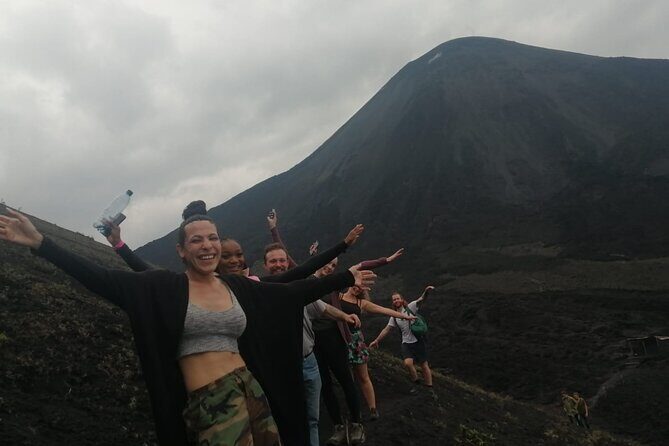
On paper, this is a moderate hike. On the ground, it can feel steep quickly—especially if you’re not used to climbing on uneven, dusty volcanic terrain. Many people report the uphill portion is the hard part, with an intense climb at the beginning and again in the middle.
The route takes you through a mix of forest and volcanic landscape until you reach the lava-field area near the plateau. You’ll pause along the way for viewpoints and to catch your breath. If you’re planning your energy, think of the hike as “steady effort with breaks,” not “power-walk and done.”
Here’s the reality check: you can absolutely do this hike without being a mountain athlete. But you should dress and prepare like you will work. People who show up in the wrong shoes tend to regret it once the ground gets slick with dust and rocks.
If you’re even a little worried about steepness or altitude, consider the horse option early rather than waiting until you’re exhausted. Once you’re wiped out, the “one more push” can get mentally annoying fast.
Staying With the Group: A Practical Safety Tip
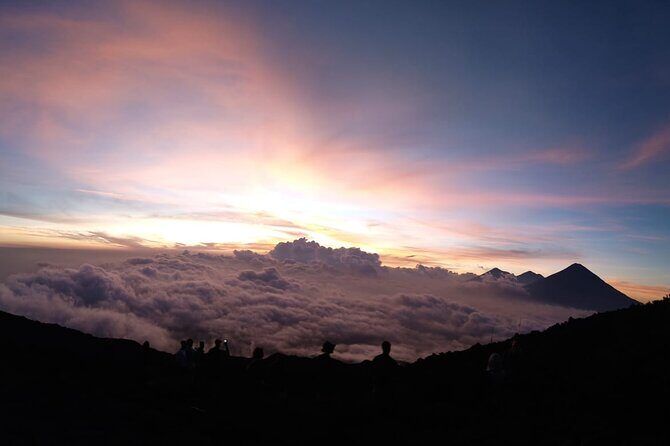
The hike runs as a guided group route, and there’s a clear structure—pickup, guide, hike, plateau time, then descent. That said, volcano trails can have forks and distractions.
One rough scenario that comes up in feedback is losing the group when a checkpoint isn’t handled well. The takeaway for you is simple: stay where your guide is working, and don’t drift forward just because you feel strong. If you stop to take photos, take them within sight range and check back before you move.
Also, if you’re doing a later departure (like sunset or afternoon hikes), use a little common sense: keep track of timing and bring a flashlight if you think you’ll be walking back in the dark. A later return can make the descent section feel longer.

Lava Vents and Marshmallows: The Moment You Came For
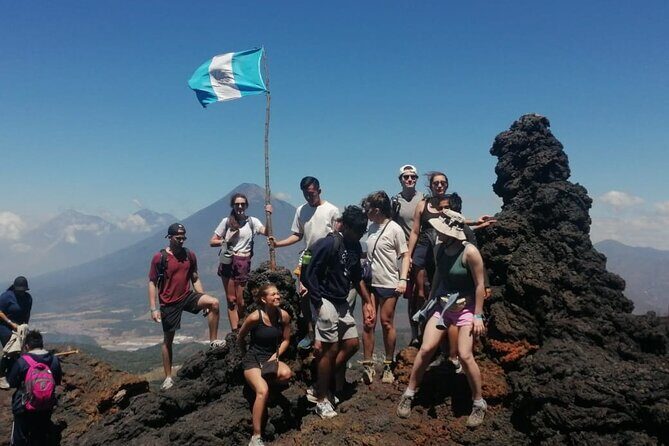
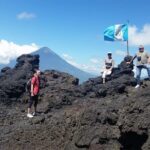
The best part of Pacaya is that the volcano isn’t a background feature. It’s an active presence. As you reach the plateau overlooking the crater area, the ground and vents tell the story: steaming heat vents across the lava field.
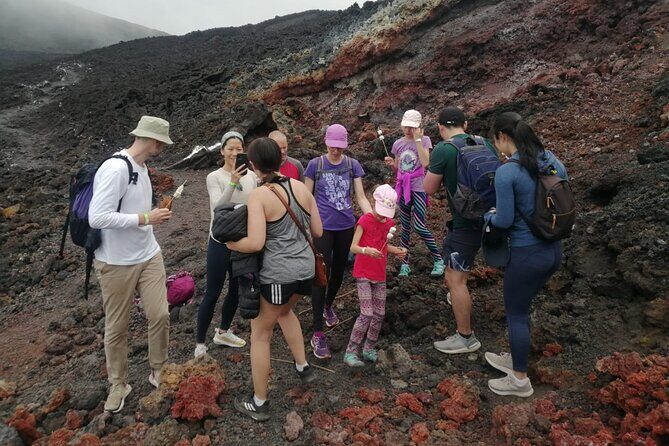
This is where the experience becomes memorable in a hands-on way. You’re set up to roast marshmallows using the heat from the vents. It’s simple and fun, but it’s also the kind of “only here” moment that sticks in your mind longer than another viewpoint photo.
The platform time matters too. You’re not rushed through it. You get time to explore the lava field area, take in the scenery, and feel the temperature differences as you move around.
And remember the boundary: even though the crater itself is off-limits, the heat, terrain, and steam are still a direct encounter with an active volcano. You’ll understand why people call Pacaya one of Guatemala’s most active volcano experiences.
Views, Fog, and When to Go
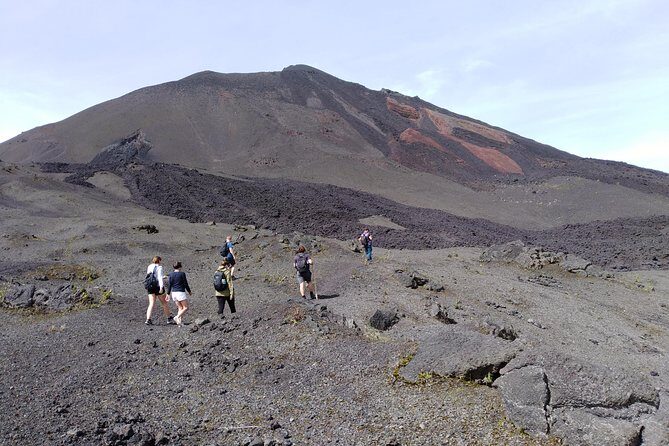
The views are a major payoff, but weather plays a role. Several people report fog can reduce summit visibility, especially during certain departures. If you want the best chance at clearer views, think about hiking when conditions are most likely to give you a wide panorama.
You’ll also feel the altitude more than you expect. One review described climbing from around 5,000 feet up roughly another 1,500 feet higher. Even if your exact height on the day varies, you can treat this as a cold-morning reality: mornings can be much colder and windier than Antigua street life suggests.
If you want a quick planning rule: layers beat one thick jacket. You’ll likely warm up while climbing, then get chilly on windy plateau stops and on the descent.
Guides and the Language Gap: Expect Basic English
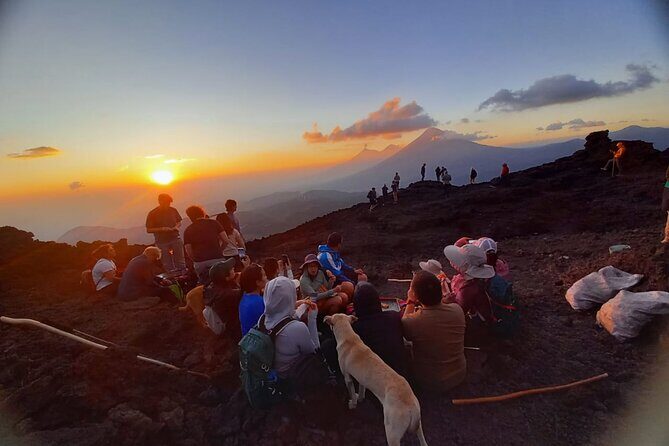
This is a guided hike with a local trail guide who’s listed as Spanish-English, with basic English. The vibe depends on your specific guide, but the overall goal is the same: keep you safe, get you to the good spots, and explain what you’re seeing.
In positive feedback, names like Ervin and Irving show up often, and guide Mono is also mentioned as fun and engaging. People describe guides who pause often, share local customs and facts about the area, and keep the group comfortable.
The flip side: some people report there was little to no English during their trip. If that matters to you, come with a flexible mindset. You’ll still get the practical value—pace, safety, and the route—and you can use gestures and photos to fill in the gaps. A phone translation app can also help if your Spanish is rusty.
Horse Rentals: When They Help and When They Can Distract
The horse option is a real pressure point on Pacaya days. People can want horses for steep sections or fatigue, and that’s totally understandable. The price is usually discussed around Q300, but some feedback points to different totals depending on whether you ride up only or also down.
One thing to know before you arrive: you may encounter persistent offers from locals when you start moving through the park area. Some people find it annoying or distracting—especially if you’ve already said no.
My advice:
- Decide your plan early, so you’re not negotiating while you’re huffing uphill.
- If you might need a horse, tell your guide early and make it clear what you want.
- If you’re walking the whole way, keep your focus on footing and don’t let sales pressure yank your attention away from the trail.
Also, if you do ride, remember the goal is still the same: you’re going for the plateau experience and views. The horse can buy you legs, not the whole adventure.
What to Wear and Bring (So Your Feet Don’t Complain)
For Pacaya, your clothing and shoes matter more than you think. The trail can get dusty and rocky, and footing can be uneven. Bring hiking boots with traction and toe protection if you can. Tennis shoes can work for some people, but rocky dust is the stuff that makes you wish you’d chosen better.
Pack for temperature swings:
- Warm layers for the morning or windy plateau sections.
- Sun protection for midday exposure.
- A light jacket that you can actually keep on while you hike.
If you’re going on a later departure, bring a flashlight. Even if the tour is timed, a dark finish can happen, and it changes the descent feel.
Water helps too. You’ll be climbing, and the air can get dry and cool at altitude. A liter or more is a reasonable target for most people, especially if you run warm.
Optional Extras: Sticks, Pizza, and Trail Stops
There’s a lot to buy along the way, and the experience can turn into a mini food adventure. People mention lava-related shops and pizza stops near the base area. Pizza at the end can be pricey, so I’d treat it like a fun bonus rather than an essential.
Walking sticks are also common. You can buy an optional wooden stick (around Q10) locally. If you’re prone to knee fatigue, a stick can help you manage the downhill portion.
As for pizza cooked using volcanic heat: some departures may arrange a pizza-over-hot-rocks experience when conditions allow. Since it’s not guaranteed, keep it in the “fun if it happens” category.
Who This Pacaya Hike Is Best For
This hike fits best if you like:
- Guided nature trips with real geology
- Short-but-leggy workouts
- Hands-on moments like marshmallows over steam
It’s also a good pick for families with older kids, since the minimum age is 4, with children accompanied by an adult. The group size is capped at 24 travelers, which usually keeps things from feeling like a parade.
You might want a different plan if you:
- Want an easy stroll with no steep segments
- Hate paying multiple cash add-ons during the day
- Need a fully English-led guide and explanation style (because English can be basic or limited depending on the guide)
Should You Book This Pacaya Hike?
Yes, I’d book it if you’re the type who likes earning your view. Pacaya is one of those rare outings where the volcano isn’t just scenery—it’s the main character, and you’ll actually feel it through steaming vents and that roasted marshmallow moment.
Just go in prepared. Bring the right footwear, bring layers, and carry the mandatory Q100 entrance fee in cash. If you’re doing an afternoon or sunset departure, bring a flashlight and plan on a slower, colder finish.
If you do that, you’ll leave with the kind of memory that’s hard to replicate anywhere else: warm lava ground, a guided climb from Antigua, and a panoramic view you earned with real effort.
FAQ
How long does the Pacaya hike from Antigua take?
The total experience is listed at about 6 hours, with the hike portion around 3 hours.
Where do we meet for the tour?
The meeting point is Café La Parada, 6a Avenida Norte No. 42, in front of Iglesia de la Merced in Antigua. It can also be used as the end point for certain departures and peak times.
What does the tour price include?
The price includes hotel pickup (selected hotels), shared round-trip transportation from Antigua, and a trail guide in Spanish-English (basic English).
What entrance fee is required for Pacaya?
You must pay an entrance fee of Q100 per person in cash (quetzales) at the park entrance.
Can I ride a horse instead of hiking the whole way?
Yes. Horse rental is optional and arranged directly with authorized local providers at the park, with a typical cost quoted around Q300 per horse (paid on-site).
Is it possible to get close to the volcano crater?
No. For safety reasons, visitors can’t approach the crater, but you can still feel the heat and explore the plateau area.
Does the tour run in rain?
Yes. The tour runs rain or shine, and it will only be canceled in the event of a dangerous storm or if local authorities restrict access.
What should I wear and bring?
Bring hiking boots with good traction, comfortable pants, sun protection, and layers. In rainy season, waterproof boots and a raincoat or poncho are recommended. For later departures, bring a flashlight.