REVIEW · EL REMATE
Tikal Sunrise, Archeological focus and Wildlife Spotting
Book on GetYourGuide →Operated by Gem Trips · Bookable on GetYourGuide
A dawn hike at Tikal changes the whole day. I love the photo-focused ruin route and the way your guide brings each monument to life, from Temple IV up to Temple I. The second big win is the wildlife timing—birds and howler monkeys are more active early. One thing to plan for: the sunrise itself is only seen about 20% of the time because fog and clouds are common.
What makes this tour feel premium isn’t just that you visit the famous temples. It’s that you start in the dark, you climb the right spots before the crowds, and you spend enough time at each viewpoint to actually take photos instead of just rushing through. If you hate early mornings, expect a long walk and a bit of climbing—this is active travel, not a sit-down sightseeing loop.
In This Review
- Why This Tikal Sunrise Walk Feels Worth It
- Temple IV at Sunrise: The Jungle Wakes Up First
- Temple IV’s Star Wars Story (And Why It Matters)
- North Acropolis: Royal Cemeteries and Rain God Masks
- Great Plaza: Where the Energy—and Restoration—Show
- Central Acropolis: How Royal Life Was Set Up
- Temple II: The Best View Angle for Temple I and the Plaza
- Temple I: Great Jaguar Views from Multiple Angles
- Wildlife, Timing, and What You Should Watch For
- Meals and Comfort Stops That Keep You Going
- Price, Entry Fees, and the Real Value Equation
- Best for Who: Couples, Families, and Bird-and-Plant Fans
- Photo Tips and Packing Checklist That Actually Help
- Quick Logistics You’ll Want to Know
- Should You Book This Tikal Sunrise and Ruins Tour?
- FAQ
- How long is the Tikal Sunrise tour?
- What’s included in the price?
- Are Tikal entry fees included?
- Does the tour run for small groups or solo travelers?
- What time does the walking tour end at Tikal?
- What should I bring?
- Is the tour wheelchair accessible?
- How does pickup work for San Miguel?
Why This Tikal Sunrise Walk Feels Worth It
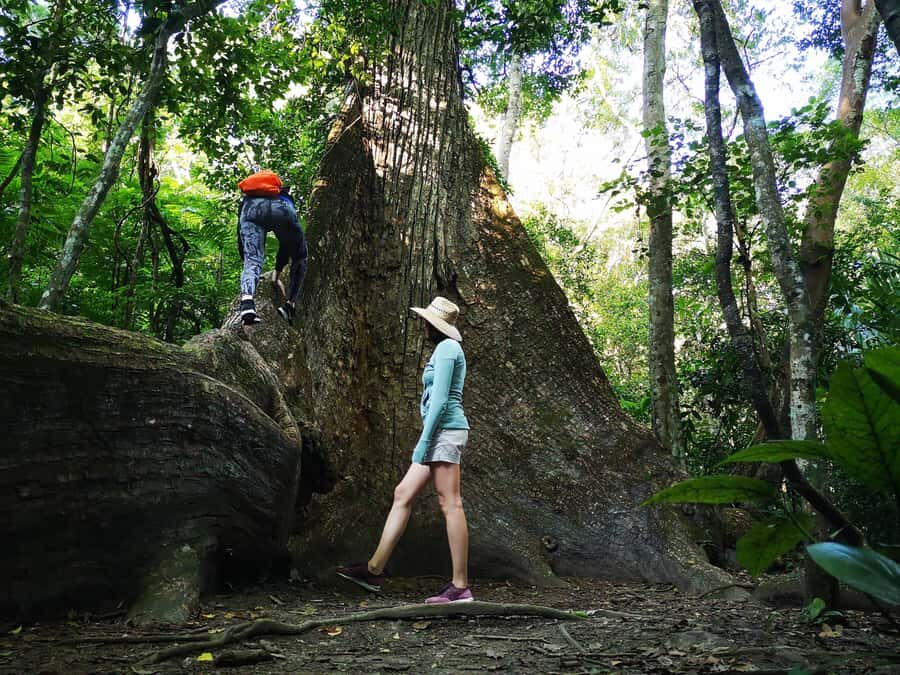
This tour is built around the idea that Tikal is two experiences in one: sunrise in the jungle plus a guided archaeological walk through the core monuments. You’re picked up from many hotels in the Petén area (especially Flores and Tikal), then you head to the park trail gate and start walking before most of the site wakes up.
The best part is how the route lines up with both wildlife and architecture. Early morning means more animal calls in the canopy, while the timing later in the walk gives you the light you need for clear photos at the plazas and temple fronts. And yes, you’ll hear howler monkeys—loud, territorial, and part of the soundtrack that makes Tikal feel alive.
Temple IV at Sunrise: The Jungle Wakes Up First
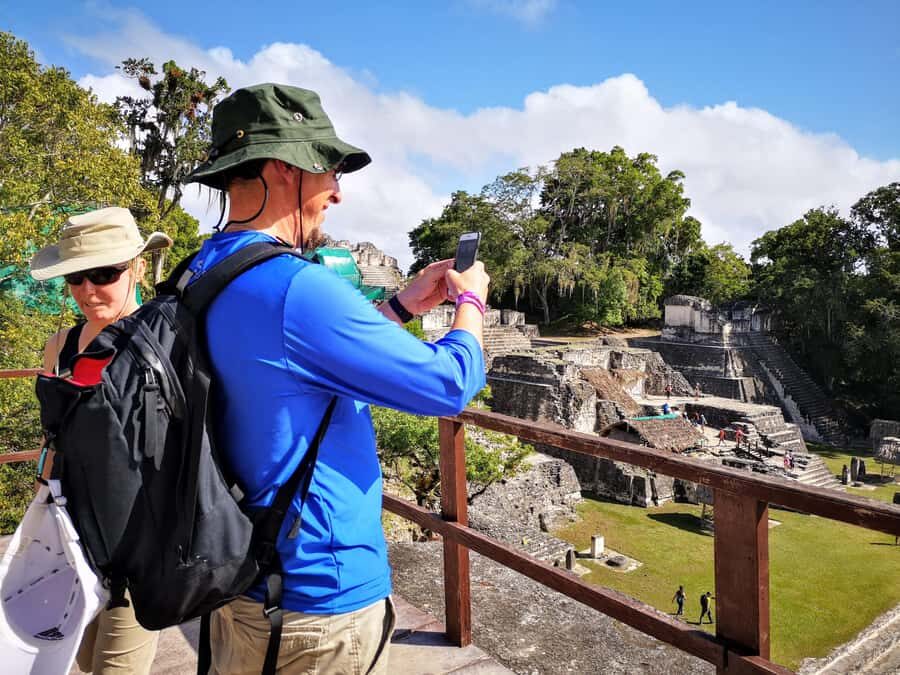
The day starts on the trail gate of Tikal National Park, where the walking begins in the dark. You’ll follow nature trails with a high chance of spotting wildlife, and the goal isn’t just to see ruins—it’s to hear and notice the jungle as it changes hour by hour.
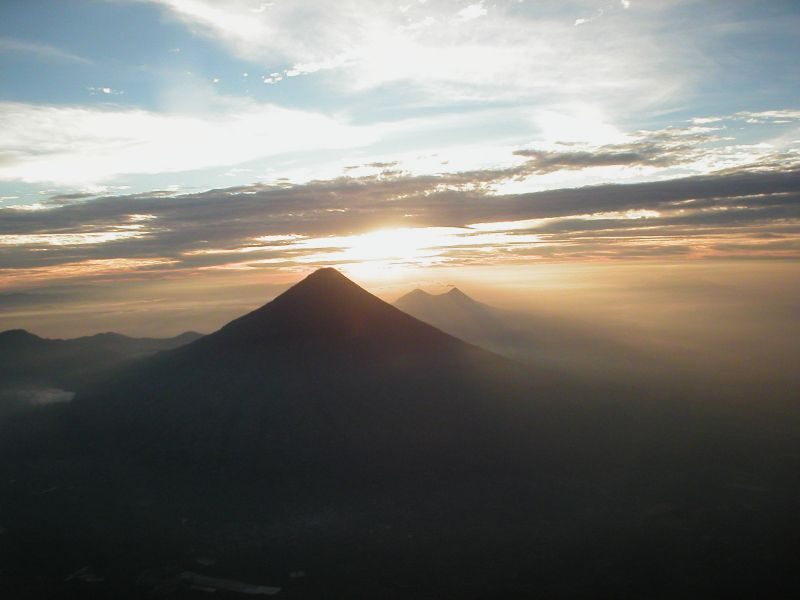
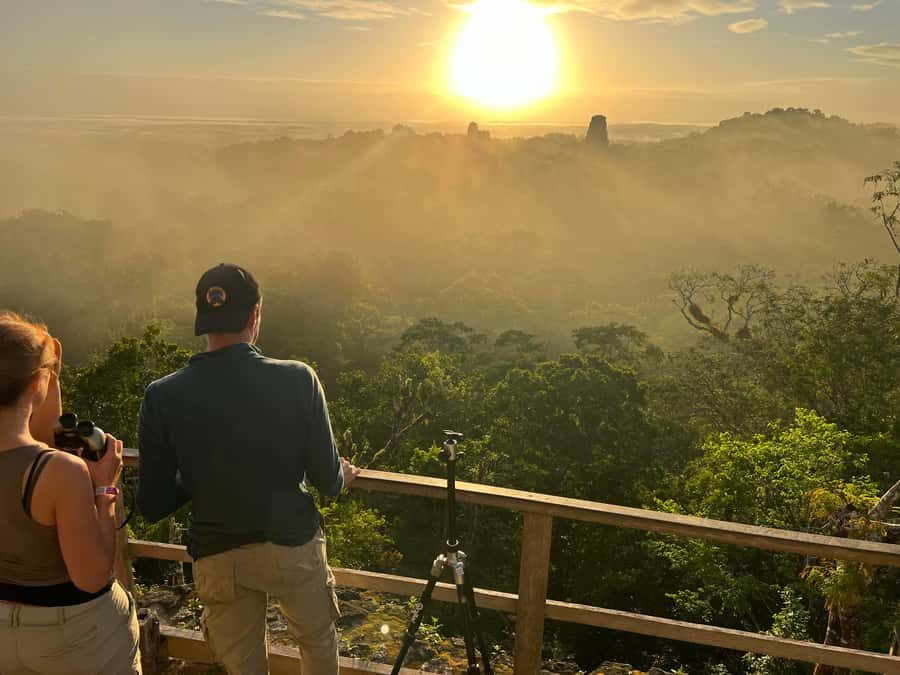
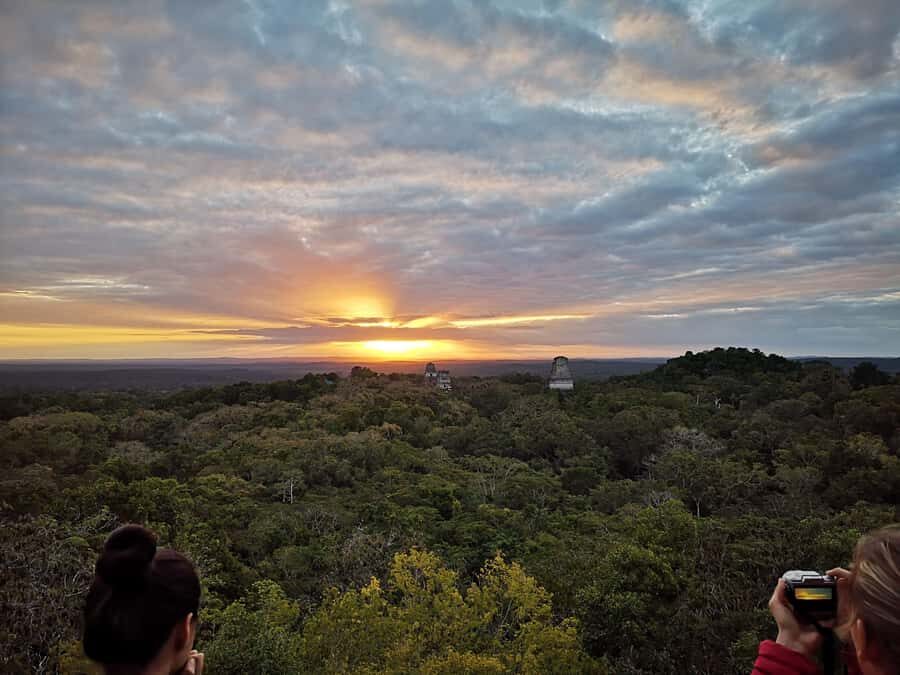
Then you climb to Temple IV to wait for sunrise. From the top, you get one of the best chances to catch the moment the sky opens over the canopy, plus the sounds of birds and howler monkeys warming up. Breakfast happens up there too, which is a smart move: you’re not trekking back down and losing the magic while your group tries to eat.
A key reality check: sunrise is not guaranteed. The tour runs this way because it’s the best odds, but actual sunrise is only seen about 20% of the time, since clouds and fog roll in frequently. What you still get, even on cloudy mornings, is a still-more-quiet Tikal experience and a wildlife rhythm that later in the day won’t match.
A few more El Remate tours and experiences worth a look
Temple IV’s Star Wars Story (And Why It Matters)
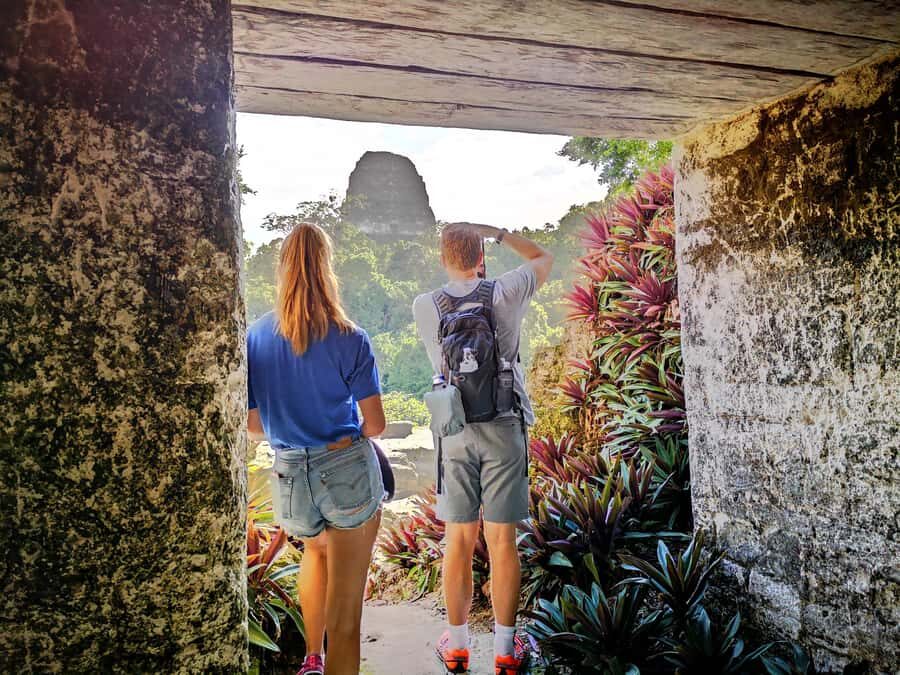
Temple IV has a famous nickname: the Temple of Star Wars. In 1977, George Lucas came to Tikal to film part of the original Star Wars movie, Episode IV: A New Hope.
You might think a movie connection is just a fun fact. But on this tour, it’s used to help you read the architecture and the way Tikal’s temples sit in the forest. Once you notice alignment, height, and vantage points, those “set-piece” views start to make more sense. It turns Temple IV from a photo subject into a landmark with a story.
North Acropolis: Royal Cemeteries and Rain God Masks
After Temple IV, you move into the heart of the site. Next up is the North Acropolis, a complex that was used as a Royal Cemetery for the kings and queens of Tikal. Here, you’re not just walking past stones—you’re learning how layers of construction reveal different moments in Tikal’s rule.
The guide compares it to an onion: multiple layers of architecture that each show something different. And in some of those layers, you can see carved masks associated with major Mesoamerican powers—especially the rain god and the sun god.
Why this stop is worth your time: the North Acropolis is a reminder that Tikal wasn’t built in one go. It was built, adapted, and reinterpreted across generations. When you understand that, the site stops feeling like “ruins in a park” and starts feeling like lived history.
Great Plaza: Where the Energy—and Restoration—Show
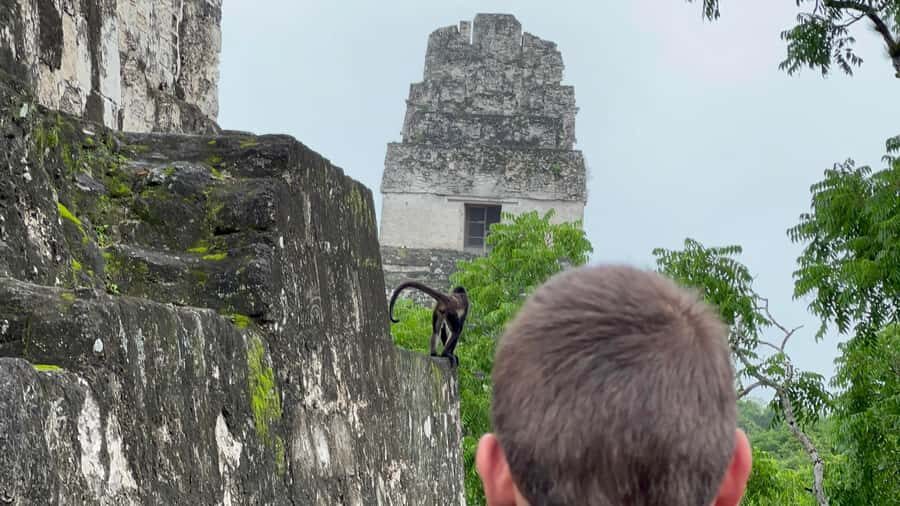
Your route then heads to the Great Plaza, described as the place in Tikal with the largest amount of energy. It’s also one of the more restored areas of the site, so you get a strong sense of layout and monumental scale.
This plaza includes multiple stelae with carvings showing portraits of kings of the city. You’ll also learn that the Great Plaza was excavated back in the 1960s by the University of Pennsylvania. That matters because it explains why certain areas are easier to read today: archaeology work shaped how we understand what’s underneath and how structures connect.
If you care about photos, this is a key moment. The Great Plaza helps you “get your bearings” fast—where the sightlines are, where the temple fronts sit, and how the monuments relate to one another.
Central Acropolis: How Royal Life Was Set Up
Next comes the Central Acropolis, the residential area of Tikal’s royal family. The key detail I like here is that it has six courtyards, and three of them have been restored—so you can actually see how space was organized, not just guess.
This complex also likely served as a place to host royal visitors who arrived from other Mesoamerican cities for diplomatic reasons. That gives the acropolis a “social architecture” feel: it’s not only where rulers lived; it’s where relationships were negotiated and performed.
One standout feature is a palace with five floors. Some door lintels are still original wooden elements, which is a big deal because it helps you picture what the site once looked like before centuries of weathering.
Temple II: The Best View Angle for Temple I and the Plaza
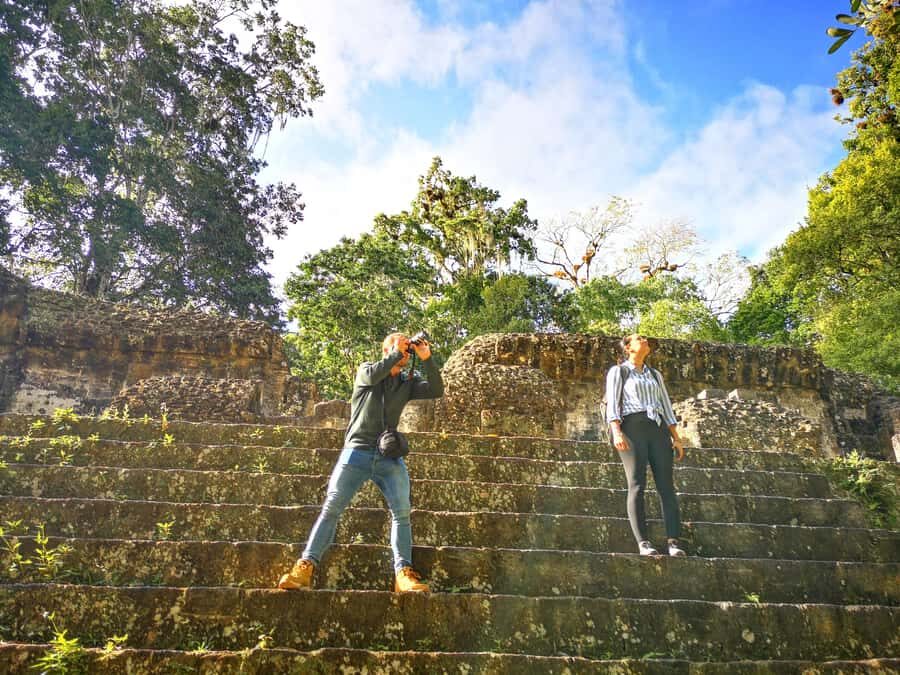
Then you climb Temple II, which is one of the best spots to look out over the Great Plaza. The top is where you’ll also see the masks carved into the temple crown.
From this vantage point, you get a powerful photo chance: looking back toward Temple I, toward the North Acropolis, and across the Great Plaza. This stop is basically your “photo strategy” moment. After you see how the lines connect from above, the next stop—Temple I—feels more intentional and less like random temple hunting.
Temple I: Great Jaguar Views from Multiple Angles
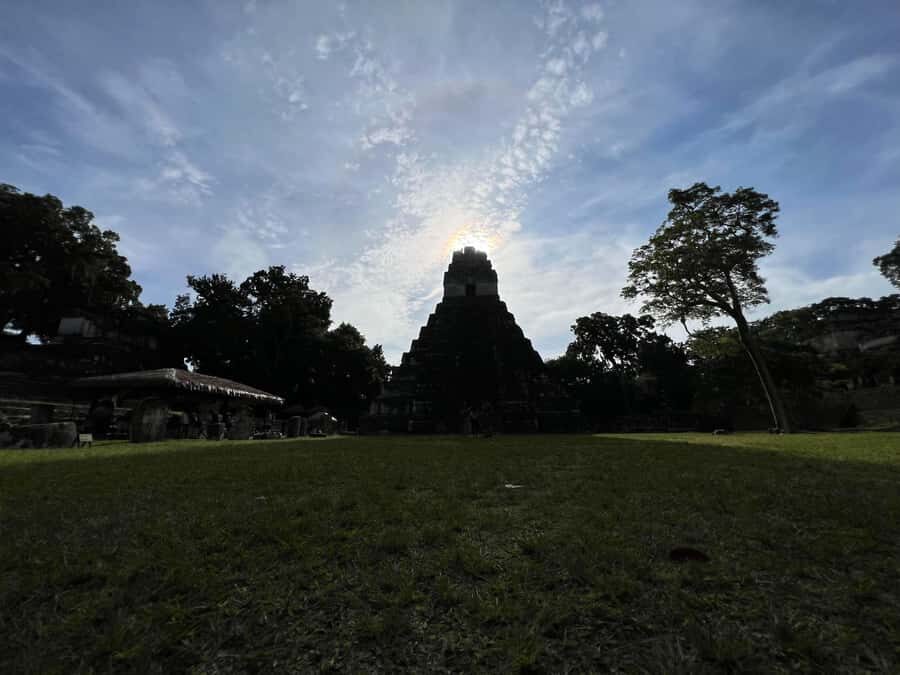
Finally, you reach Temple I, the most iconic monument in Tikal. Its official name is the Temple of the Great Jaguar because when the temple was discovered, an original wooden lintel had a great jaguar carved on it. That carving is now in a famous museum.
This is the temple where your guide earns their fee. You won’t just stand and take one picture. You’ll walk around the temple and take photos from different angles, so you see how the design reads from various sides and levels.
If you’ve ever visited ruins and felt like you needed a cheat sheet, Temple I solves that. The combination of scale, carvings, and sightlines makes it one of the easiest places to truly understand why people traveled to Tikal and why rulers used temples as political theater.
Wildlife, Timing, and What You Should Watch For
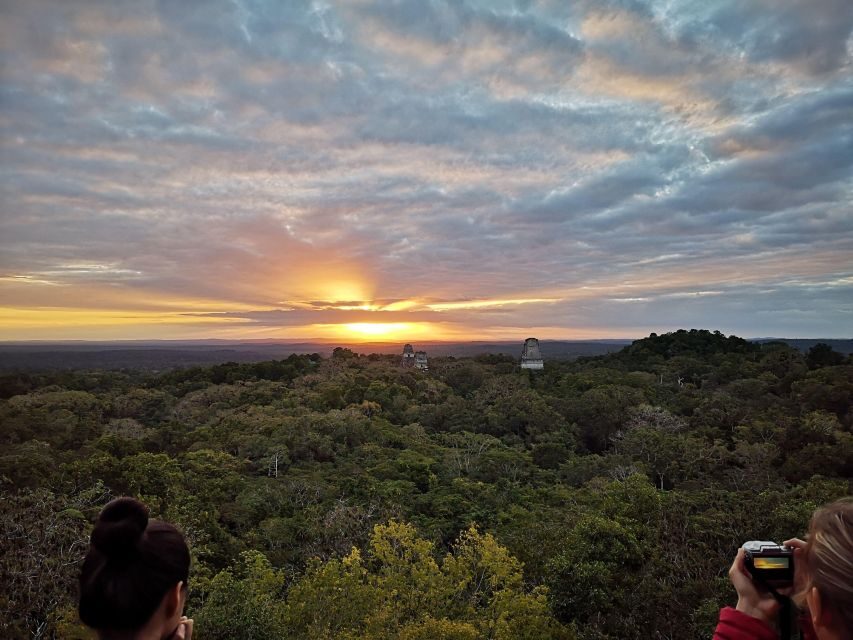
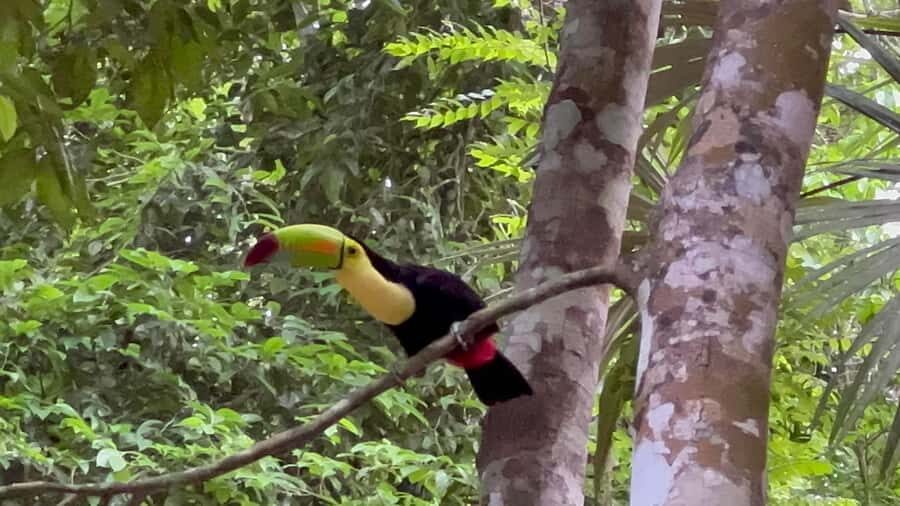
This tour is an archaeology experience powered by a wildlife schedule. Early in the morning, wildlife is more active, and you’ll hear the jungle wake up: birds at first, then the deep calls that come from howler monkeys.
You should also expect that the jungle can be fast-changing. Sound carries differently at dawn than midday. That’s why the tour’s structure is smart: it doesn’t force you to stay rigid on a timed checklist. You’re in motion, but you pause where the sounds and the views make sense.
Bring binoculars if you have them. Even if you don’t get a “wildlife reveal” on every attempt, binoculars help you turn quick sightings into real memories. Also, you’ll get mosquito repellent application, which is genuinely useful when you’re walking outdoors for hours.
Meals and Comfort Stops That Keep You Going
Long walks in Tikal can drain you fast. The tour’s meal plan is designed to keep energy stable and avoid the end-of-day crash.
You start with breakfast to go: an apple, a banana, a guatemalan champurrada (thin round cookie), a tayuyo (corn tortilla with refried beans inside), plus coffee and water refills. Then you have breakfast again during the Temple IV segment, so you’re not relying on one meal to carry you through the climbs.
Lunch is served at Jaguar Inn Restaurant with five main options, including gluten-free and vegan choices. And after you finish the walking tour at the trail gate around 10:30 am, you get a hot meal.
One practical note: you’ll be walking a lot and climbing temple steps. Comfortable shoes are non-negotiable, and rain gear helps even if the forecast seems calm.
Price, Entry Fees, and the Real Value Equation
The price is listed at $129 per person for the full sunrise-and-archaeology experience (7–11 hours, depending on conditions). That number matters because it includes more than “a guide and a bus.”
You’re getting:
- air-conditioned vehicle pickup and drop
- a professional English-Spanish speaking guide
- a Tikal map
- mosquito repellent application
- water refill on the vehicle
- pre-sunrise breakfast to go and a breakfast at Temple IV
- lunch at Jaguar Inn Restaurant with multiple dietary options
Tikal entry fees are not included. The total is US$34 payable only for guests 10 years old and on. If you ask in advance, the tour can help you get the entry fees arranged.
Here’s the value angle: many day tours are cheap on paper because they exclude park fees and then surprise you at the counter. This one is clearer—yes, entry fees are extra, but the rest of your day is handled with meals, transportation, and a route that’s clearly designed for both photography and wildlife.
Also, the tour has a guaranteed departure style: it operates with as few as one guest without extra charge. If you’re traveling solo and hate shared-group chaos, that’s a real plus.
Best for Who: Couples, Families, and Bird-and-Plant Fans
This tour is especially good if you want Tikal in a way that feels explained, not just visited. It’s built for people who appreciate:
- early wildlife chances
- guided ruin reading (meaning behind each monument)
- photography time at the right angles
- a day paced for movement but not panic
The small-group feel is also helpful. In past departures, guides like Marlon have tailored the hike to interests such as birdwatching and plant curiosity, and other guides like Jose have supported the dawn walking segment.
If you’re traveling with parents or you’re not used to lots of climbing, be honest with yourself. This route includes temple climbs—Temple IV and Temple II—so it’s not a flat “easy stroll.” The payoff is huge, but the physical effort is real.
Photo Tips and Packing Checklist That Actually Help
You’ll get the most out of this morning if you plan for the conditions.
Bring:
- comfortable shoes for steps and uneven ground
- a sun hat (sun comes fast once fog breaks)
- your camera
- rain gear (fog and mist happen; bring something you’ll actually wear)
- binoculars if you like wildlife spotting
- ID card (a copy is accepted)
Also consider packing a reusable water bottle, even if you’ll have water refills during the day.
One more tip: if you care about photos, keep your hands free for the climb. A strap camera or small daypack helps so you don’t juggle everything on temple steps.
Quick Logistics You’ll Want to Know
Pickup is included from many hotels and areas in Petén (Flores, Tikal, El Remate, Santa Elena, San Benito, San Andrés, and San José). If you’re staying in San Miguel, you’ll need to come by boat to Raices Restaurant in Flores Island for pickup.
If you’re flying out the same day, this tour can work well. It’s designed to end early enough for an afternoon flight from Flores Airport (FRS), including one scheduled example leaving for Guatemala City at 14:15.
Also, the tour is listed as wheelchair accessible. If you have mobility concerns, it’s smart to ask directly how the climbs and temple steps will work for your specific situation before you commit.
Should You Book This Tikal Sunrise and Ruins Tour?
Book it if you want Tikal with context and timing—sunrise jungle energy plus the key monuments on a route that’s set up for photos. The best signs are:
- you care about wildlife early morning (birds and howler monkeys)
- you want more than “look at the temple” explanations
- you prefer small-group quality, including the single-guest departure option
- you’re ready for a long walk and climbs
Skip it (or ask lots of questions first) if you’re hoping for a relaxed, mostly flat sightseeing day, or if temple stairs would be a problem for your body.
In my view, this is one of the most practical ways to experience Tikal’s core highlights in a single long morning-to-lunch window—especially if you like your travel days with a plan, not just a list.
FAQ
How long is the Tikal Sunrise tour?
It runs about 7 to 11 hours, depending on starting times and conditions.
What’s included in the price?
Pickup and drop by air-conditioned vehicle, a professional English-Spanish speaking guide, breakfast to go (apple, banana, champurrada, tayuyo, coffee, and water refills), lunch at Jaguar Inn Restaurant with options, a Tikal map, mosquito repellent application, and water refills in the vehicle.
Are Tikal entry fees included?
No. Sunrise and day entry fees are not included. The total is US$34 payable for guests 10 years old and on.
Does the tour run for small groups or solo travelers?
Yes. It offers guaranteed departure and can operate with 1 guest with no extra charge.
What time does the walking tour end at Tikal?
The walking tour ends at the Tikal National Park trail gate at about 10:30 am, and a hot meal is offered.
What should I bring?
Bring comfortable shoes, a sun hat, a camera, rain gear, comfortable clothes, binoculars (if you have them), and an ID card (a copy is accepted). A reusable water bottle is also recommended.
Is the tour wheelchair accessible?
It is listed as wheelchair accessible.
How does pickup work for San Miguel?
For guests staying in San Miguel, pickup is by boat to Raices Restaurant in Flores Island.