REVIEW · EL PAREDON
El Paredón: Traditional Cooking Class with a Local Family
Book on GetYourGuide →Operated by Guatemala Travel Guide · Bookable on GetYourGuide
A home kitchen in El Paredón is the real deal. I love that this class teaches you corn tortillas and empanadas step by step, using methods a family has practiced for generations. You’ll also get a true window into everyday life—food, conversation, and local habits—right where it happens.
My favorite part is the hands-on format. You’re not just watching; you’re chopping, mixing, and learning what to look for as you shape the dough and assemble the empanadas. One thing to consider: the class is in Spanish and there’s no English translator, so plan to lean on gestures, basic food words, and the fact that cooking is universal.
If you want a short, meaningful experience that feels personal (not staged), this is an excellent fit. Just know there’s no transport provided, so you’ll want to handle your own way to the meeting point in El Paredón.
In This Review
- Key moments that make this cooking class worth it
- Where this happens: Aura and Adelso’s kitchen in El Paredón
- The welcome and intro: more than a quick hello
- Cooking corn tortillas the traditional way
- Making empanadas: where technique meets patience
- A traditional salad that completes the plate
- The shared meal: eating what you made with the people who taught you
- Price and value: why $58 can make sense here
- Timing and what to bring (based on what’s actually included)
- Who this fits best (and who should skip it)
- The practical reality: comfort, group size, and expectations
- Should you book this cooking class in El Paredón?
- FAQ
- Is the cooking class in El Paredón private?
- What dishes will I learn to make?
- How long is the experience?
- What language is the instruction?
- Where is the meeting point?
- Is transportation included?
- Are alcohol or drugs allowed?
- Is dessert included?
Key moments that make this cooking class worth it
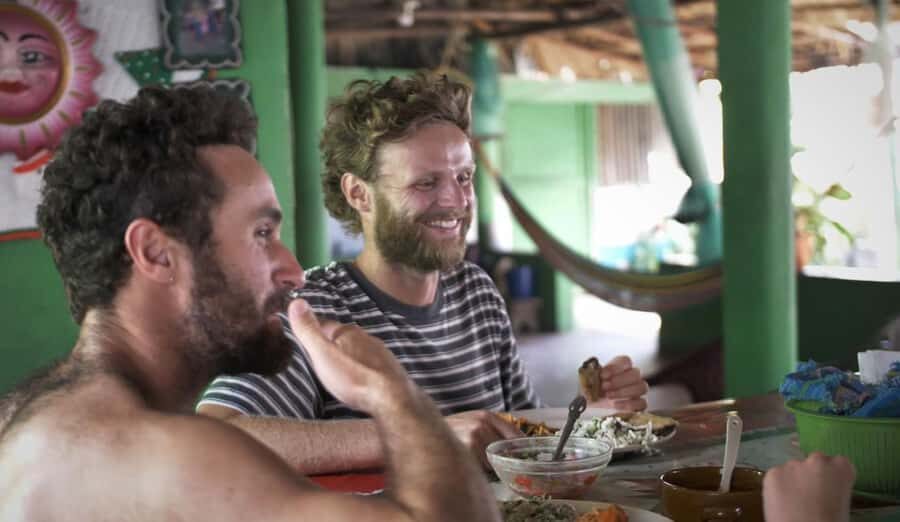
- You cook in a family home in the heart of El Paredón, not a classroom
- Corn tortillas from scratch, taught with traditional technique
- Empanadas step by step, including prep and assembly guidance
- A traditional salad rounds out the meal so you taste more than one dish
- Small, private-group feel, so questions stay easy and natural
- The hosts teach in Spanish, which you’ll feel—plan for it
Where this happens: Aura and Adelso’s kitchen in El Paredón
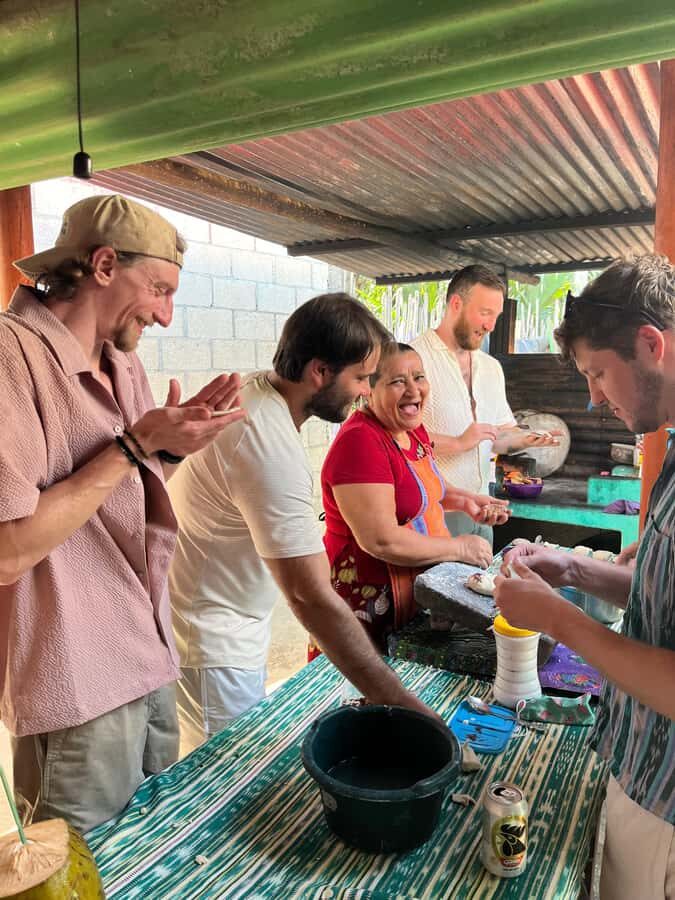
This experience starts and ends at the family’s home, which keeps everything grounded and relaxed. You arrive at 1:30 PM, settle in with the family, and get right into the rhythm of their day. Since it’s in the center of El Paredón, you’re not bouncing around town for stops—you’re staying where the real cooking happens.
The meeting point is practical: go to Hotel Ola Beach House (El Paredon), then walk about 100 meters west. From there, you ask outside the home of the family of Aura and Adelso for your cooking class. If you’re the type who hates last-minute confusion, arrive a few minutes early and you’ll get oriented fast.
One small heads-up: there’s no English translator and the instructor is Spanish. If you don’t speak Spanish, don’t panic—this is still hands-on, and you can learn a lot just by watching, tasting, and asking simple questions. The trade-off is that the conversation might be slower and more gesture-driven than you’re used to.
You can also read our reviews of more tours and experiences in El Paredon.
The welcome and intro: more than a quick hello
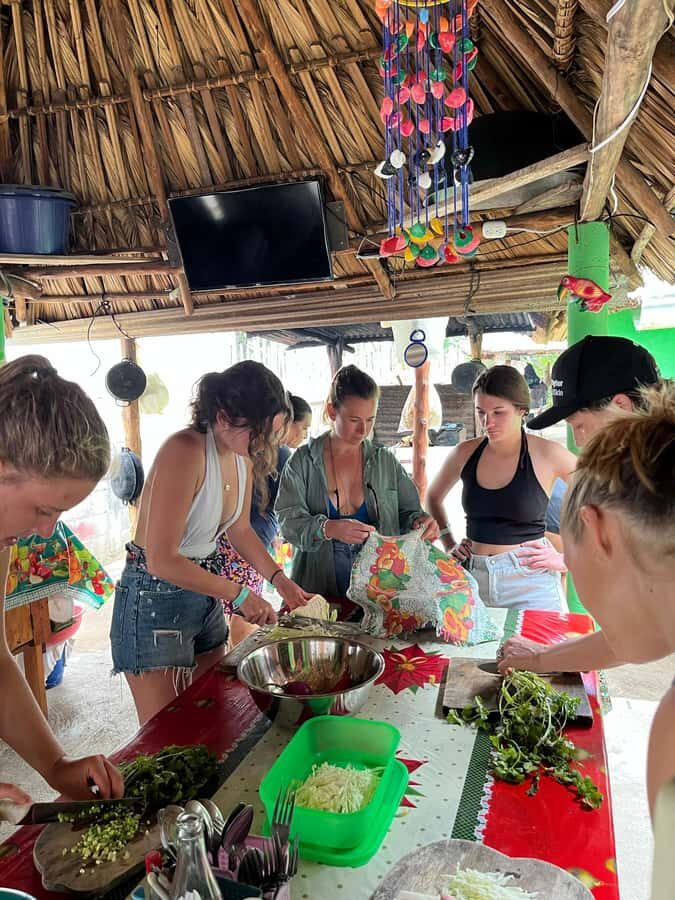
The class begins with a warm welcome and a brief introduction to the family’s lifestyle and local traditions. This isn’t just polite small talk. It sets the tone for how the cooking will work—what ingredients matter, how they think about everyday meals, and how their food ties into daily life in El Paredón.
After that, you start prepping ingredients. Expect real participation: chopping, slicing, and mixing. You’re encouraged to ask questions as you work, whether that’s about the local area, their routines, or the cooking traditions behind the dishes.
This part matters because it turns the meal into a story you can taste. When you understand why something is made a certain way—rather than just how to make it—you remember it longer and you’re more likely to cook it again later at home.
Cooking corn tortillas the traditional way
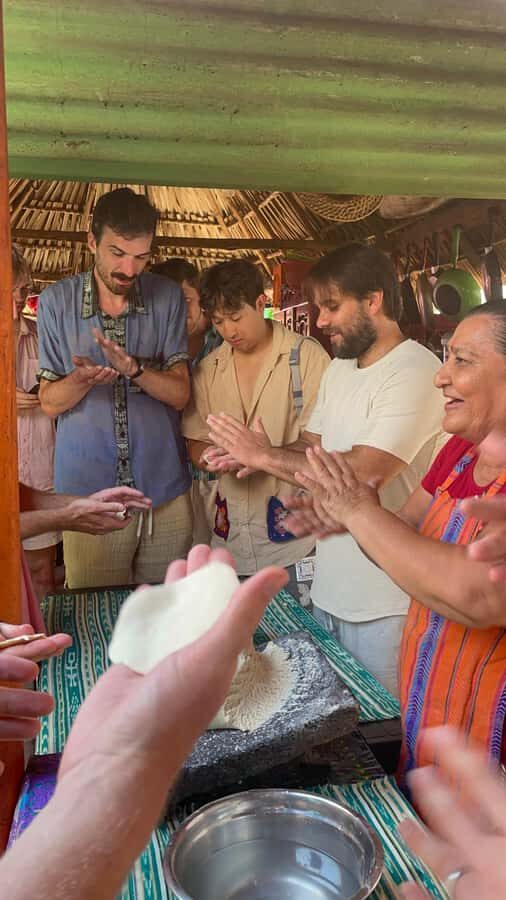
Corn tortillas are the backbone of the meal, and this class treats them that way. You’ll learn to make them from scratch, guided by the family’s expert hands. The focus is on traditional method—techniques passed down through generations—so you’re not learning a shortcut.
Since tortilla-making is hands-on by nature, your learning happens through doing. You’ll follow along while you work, and you’ll get direction as needed. Even if your Spanish is limited, watching how the dough is handled and seeing the right texture in action will help you understand what the family means.
What I like about this is the skill you take home. Tortillas aren’t just a side dish here; they’re a base you can master and then use for other meals. Once you’ve shaped and cooked them in this kind of setting, you’ll stop thinking of tortillas as something you buy and start thinking of them as something you can make.
Making empanadas: where technique meets patience
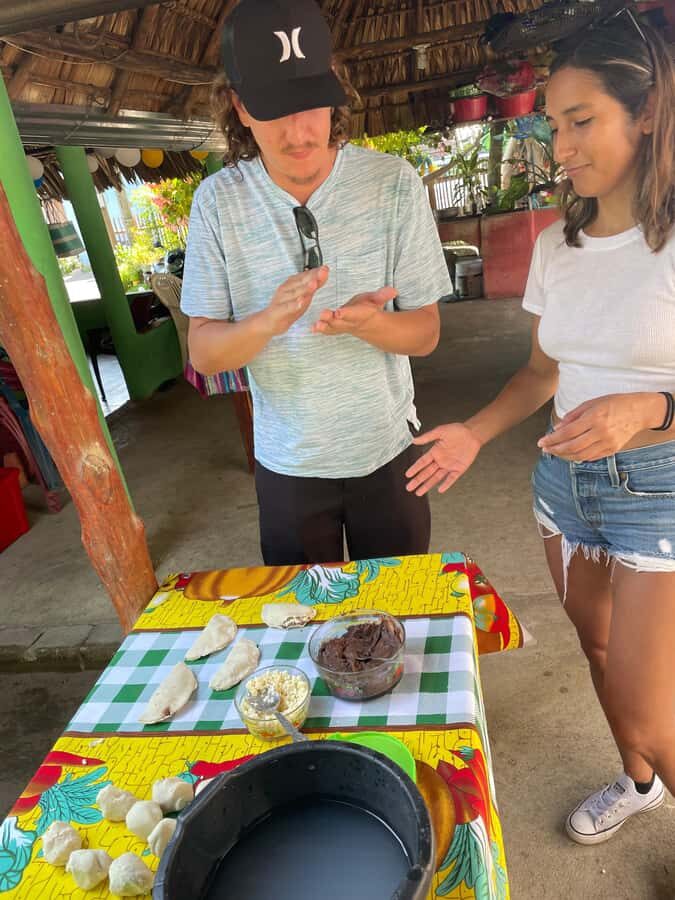
Next up are empanadas, also made from scratch. The hosts guide you through each step of the process, from preparation to assembly. You’ll get instruction on the traditional approach the family uses, and that “little details” feeling is part of why this class works.
This is the portion where having a private group format helps. When you’re in a normal classroom, questions can get lost. Here, you can ask and adjust while you’re working. Since cooking is physical, the teaching sticks: you’ll feel the dough consistency and learn what to do if something seems off.
And yes, this kind of class does a good job at keeping the mood friendly. In past bookings, people highlighted how welcoming the hosts are and how comfortable they made everyone feel. That’s important. Learning to cook something new goes smoother when the atmosphere is warm and the instruction is clear.
A traditional salad that completes the plate
You won’t leave only with tortillas and empanadas. You’ll also make a traditional Guatemalan salad with the family. That detail is a big value-add, because it gives you a fuller picture of what a meal like this feels like, not just what it looks like.
The hosts also share insight into local ingredients as you cook. While you’re working, you’ll get practical guidance tied to what they use at home. Even if you’re mainly here for the skills, the salad teaches you how locals balance flavor and texture alongside the main breads and fillings.
If you’re the type who likes to understand a cuisine as a system—how components work together—this extra dish helps you connect the dots.
The shared meal: eating what you made with the people who taught you
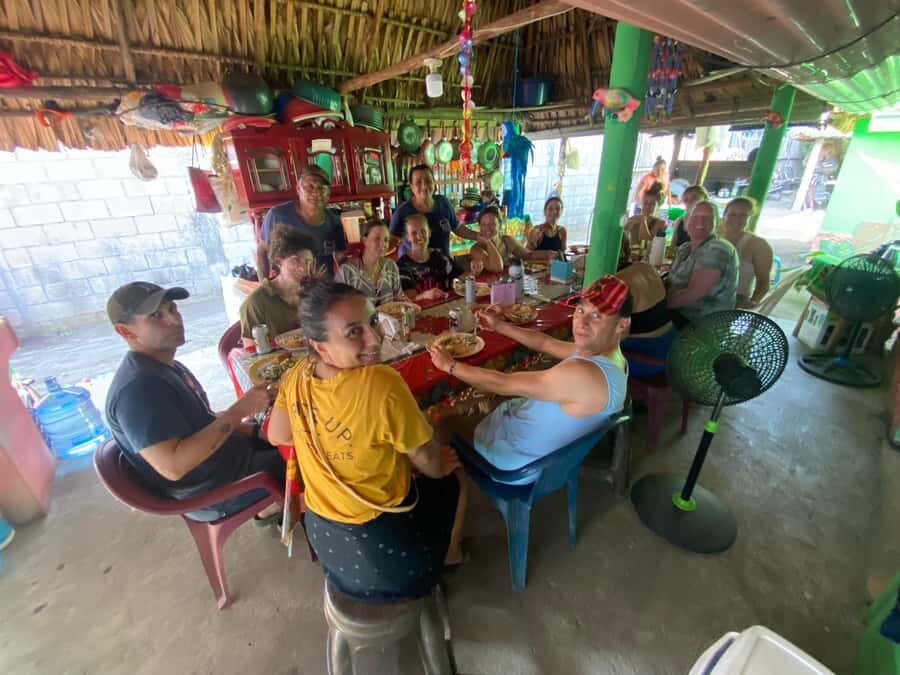
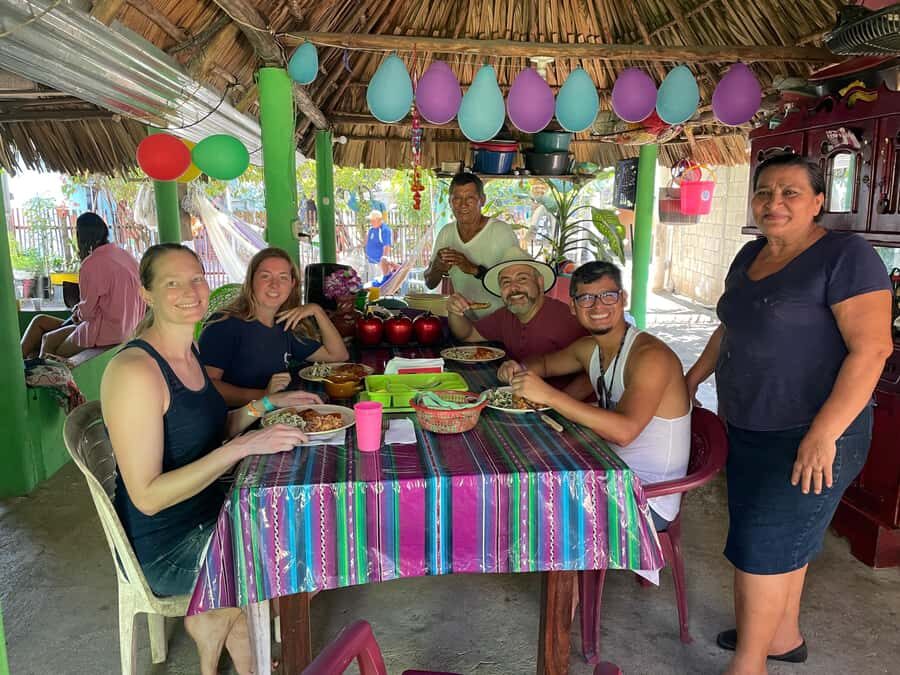
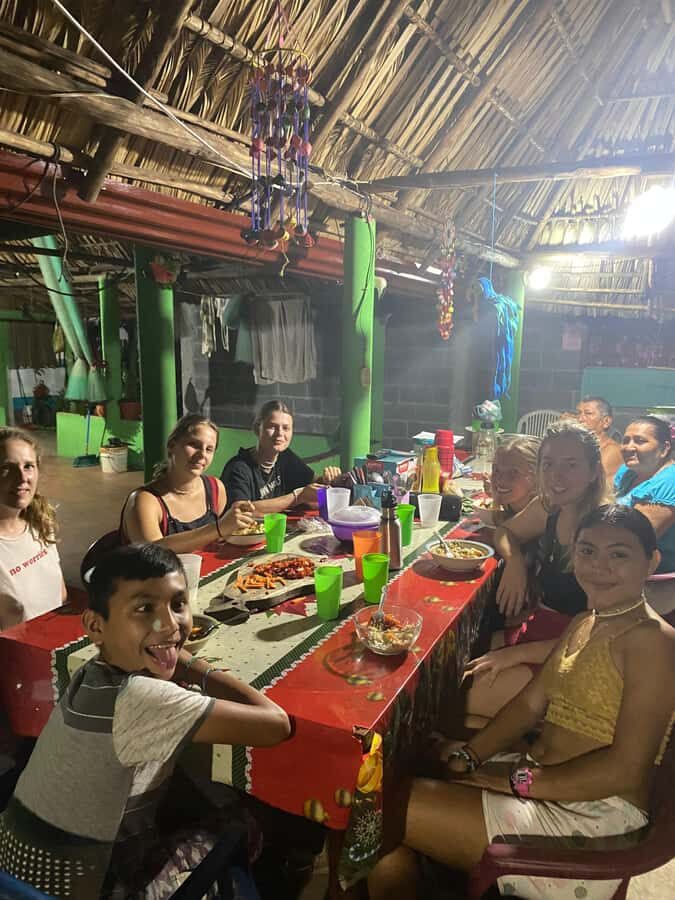
When everything is ready, you sit down together and enjoy the meal you’ve created. This shared eating part is simple, but it’s the payoff. You get to taste the result immediately while the cooking steps are still fresh in your mind.
This is also where conversation has natural openings. Since you’ve been asking questions during prep and cooking, dinner doesn’t feel like an awkward pause. It feels like finishing the same story you started when you walked in.
And based on feedback from earlier bookings, the meal experience has been described as excellent—hosts were seen as patient, friendly, and good at teaching. That lines up with the structure: step-by-step guidance, then a real sit-down meal. You end up leaving with both food and confidence.
Price and value: why $58 can make sense here
At $58 per person for a 90-minute experience, the price isn’t “cheap,” but it also isn’t inflated. What you’re paying for is more than recipes. You’re paying for:
- a private, in-home setting in El Paredón
- hands-on instruction for multiple dishes (tortillas, empanadas, and salad)
- guidance on traditional techniques passed down through generations
- a meal shared with the family
Most cooking classes elsewhere give you either the cooking part or the cultural part. Here, you get both, and they happen in the same place. Also, there’s no transport included, so you’re already saving money by planning your own trip rather than paying for an added ride.
If you’re only looking for a quick taste or a photo stop, this might feel like too much time and money. But if you want skills plus context—something you can recreate later—this is strong value.
Timing and what to bring (based on what’s actually included)
The experience runs 90 minutes, starting at 1:30 PM at the family home and ending there as well. Since you’re not getting transport, plan to arrive on time and ready to cook.
What’s included covers the core experience: welcome, introduction, cooking guidance, and the meal. Dessert isn’t included, so if sweet is your thing, you’ll want to plan that separately. Also, alcohol and drugs aren’t allowed, so don’t plan around bringing those.
Language-wise, expect Spanish instruction. Wear clothes you don’t mind getting a little food-contact on. Cooking often involves small messes, and that’s normal.
Who this fits best (and who should skip it)
This class is ideal if you:
- want hands-on food skills, not just a demonstration
- care about local life and family-run traditions
- enjoy learning how ingredients work together
- like short experiences that end with a real meal
You might want to choose something else if you:
- need an English translator and can’t manage without one
- dislike being hands-on (this is a working kitchen experience)
- are only in El Paredón for a quick pass and can’t make 1:30 PM work
The practical reality: comfort, group size, and expectations
This is listed as a private group, which is a big deal. It typically means you’re not crammed with strangers while trying to focus on cooking. You’ll likely have more room to ask questions and follow directions without feeling rushed.
The class is also wheelchair accessible, which is helpful if you need that. Kitchens vary, so do expect the space to be a real home setup rather than a purpose-built studio. If you want to feel confident, ask ahead about the specific path and where cooking stations are.
Finally, remember: the instructor and guidance are in Spanish. If you don’t speak it, prepare to rely on visuals—watch the motions, mimic the steps, and ask simple questions when you can.
Should you book this cooking class in El Paredón?
Yes—if you want real skill-building and a warm, family-based experience. For $58, you’re not just buying a ticket. You’re buying instruction for corn tortillas and empanadas, plus a traditional salad and a shared meal, all in a home setting with a private-group feel.
Before you book, do a quick self-check:
- Can you handle Spanish instruction with gestures and patience?
- Are you happy to cook and then eat what you make?
- Do you have a way to get to Hotel Ola Beach House and walk to the family’s home?
If those boxes match your style, this is the kind of experience that makes El Paredón feel personal instead of generic.
FAQ
Is the cooking class in El Paredón private?
Yes. It’s listed as a private group, and the experience happens at the family’s home.
What dishes will I learn to make?
You’ll learn to make Guatemalan corn tortillas, empanadas, and a traditional Guatemalan salad.
How long is the experience?
The duration is 90 minutes.
What language is the instruction?
The instructor is in Spanish, and there is no English translator.
Where is the meeting point?
You’ll meet at Hotel Ola Beach House (El Paredon), then walk 100 meters west and ask outside the home of the family of Aura and Adelso for the cooking class.
Is transportation included?
No. Transport is not included, so you’ll need to arrange your own way to the meeting point.
Are alcohol or drugs allowed?
No. Alcohol and drugs are not allowed.
Is dessert included?
Dessert is not included.