REVIEW · EL PAREDON
El Paredón: Mangrove Boat Tour with Optional Fishing
Book on GetYourGuide →Operated by Guatemala Travel Guide · Bookable on GetYourGuide
Mangroves look different at boat level. This 90-minute El Paredón mangrove tour in Escuintla pairs a guided boat ride with a hands-on mangrove planting, plus optional local fishing if you’re there at the right season. It’s a mix of nature watching, community knowledge, and real conservation action.
Two things I like a lot: the guide-led wildlife education (birds, fish, and even the small stuff like crabs) and the fact that you plant a mangrove during the tour, not just take photos and leave. The one thing to think about is language and comfort—tours run with a Spanish-speaking guide, and the experience isn’t suitable for pregnant women or people with mobility impairments.
In This Review
- Key things to know before you go
- Entering El Paredón’s mangrove world from 8:00 and 4:00
- The private group setup that keeps the tour from feeling generic
- What happens at the start: warm welcome and a clear game plan
- The boat ride: from open water to the crabs-and-birds zone
- How to make the boat time more enjoyable
- Learning mangroves, birds, and Maya-connected stories
- Planting your own mangrove: the moment conservation becomes real
- Optional fishing: what you can expect and when it’s worth adding
- What to look for: birds, fish, mangrove vegetation, and crabs
- Price and value: does $55 make sense for 90 minutes?
- What to bring so the day stays easy
- Who should book this tour (and who should skip it)
- Should you book El Paredón’s mangrove tour with optional fishing?
- FAQ
- What is the duration of the El Paredón mangrove boat tour?
- Where is this tour located?
- What time does the tour depart?
- Is the optional fishing experience included?
- When is the best time for fishing?
- What language is the guide?
- Who is this tour not suitable for?
- FAQ
- What should I bring for the tour?
- How will I find the meeting point?
- Is the group private?
- Can I plant a mangrove during the tour?
- Is there any extra cost for the fishing option?
- Does the tour include wildlife and vegetation explanations?
- Is cancellation flexible?
Key things to know before you go
- You get a private group with a local guide, so the pace feels personal instead of rushed
- Boat time is only 90 minutes, timed for the best flow of the day’s mangrove viewing
- You can plant your own mangrove, turning the tour from sightseeing into something you actually contribute to
- Optional fishing is included at no extra cost, and the dry season (January to April) is best
- You’ll learn the ecosystem and local history, including stories tied to El Paredón and the surrounding mangrove system
Entering El Paredón’s mangrove world from 8:00 and 4:00
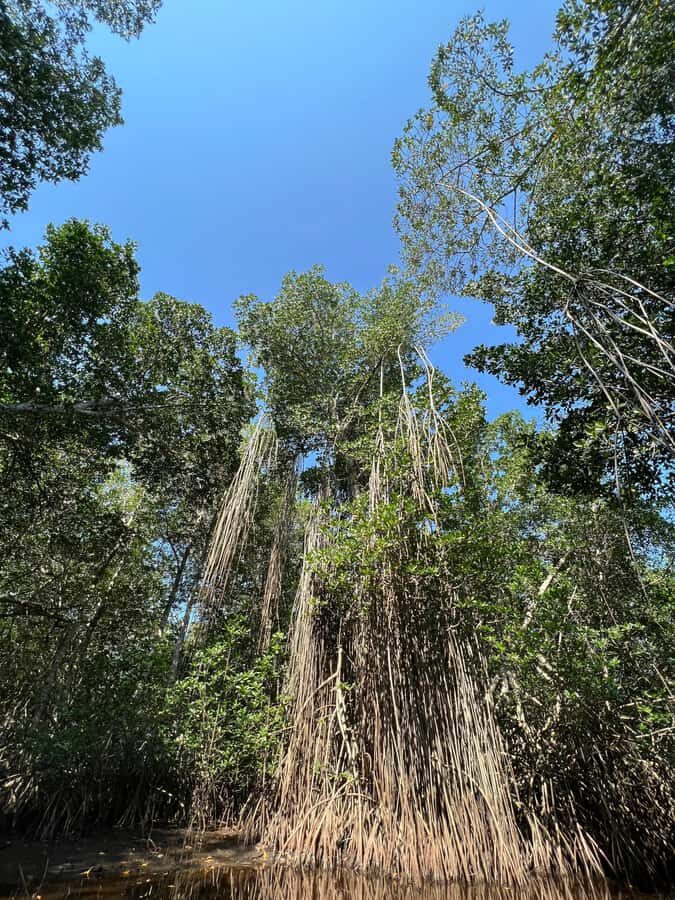
If you want an experience that feels both relaxed and meaningful, this mangrove boat tour does that job. You’re visiting El Paredón on Guatemala’s Pacific coast area, exploring the third-largest mangrove ecosystem in Guatemala. That matters because mangroves aren’t just scenery. They act like nurseries for fish, homes for birds, and natural buffers for coastal ecosystems.
The tour runs twice daily: 8:00 AM and 4:00 PM, and it lasts about 1.5 hours. I like that the timing gives you options. Morning tends to feel fresher and calmer, while late afternoon can feel cooler for walking around and easier on your patience if you’re dealing with heat earlier in the day.
There’s also a practical vibe to how the experience is set up. You’re not in a long, multi-stop tour. You’re on the water, with a guide who talks as you go, so the time doesn’t get wasted.
You can also read our reviews of more tours and experiences in El Paredon.
The private group setup that keeps the tour from feeling generic
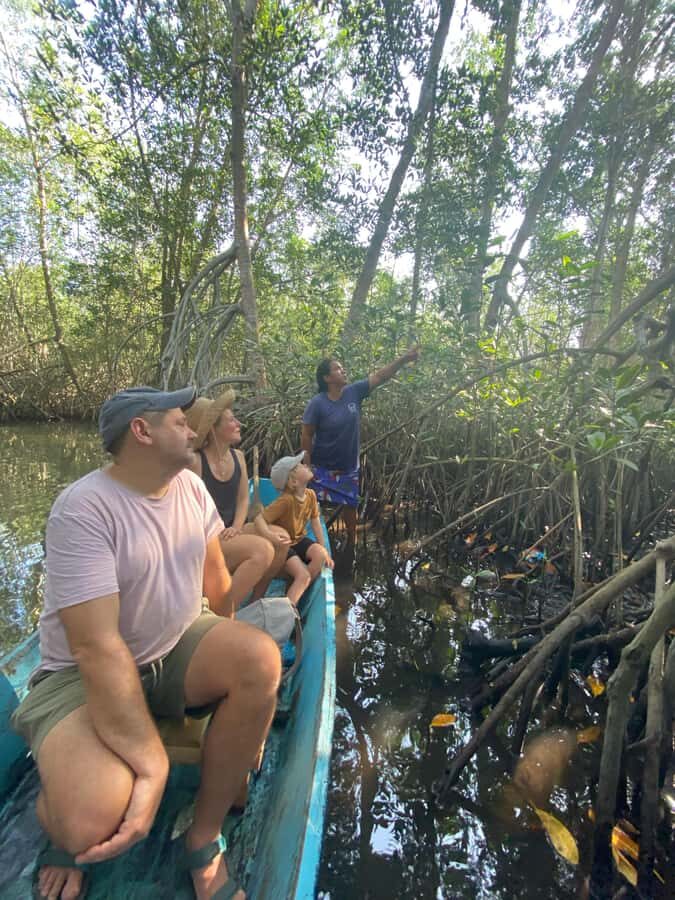
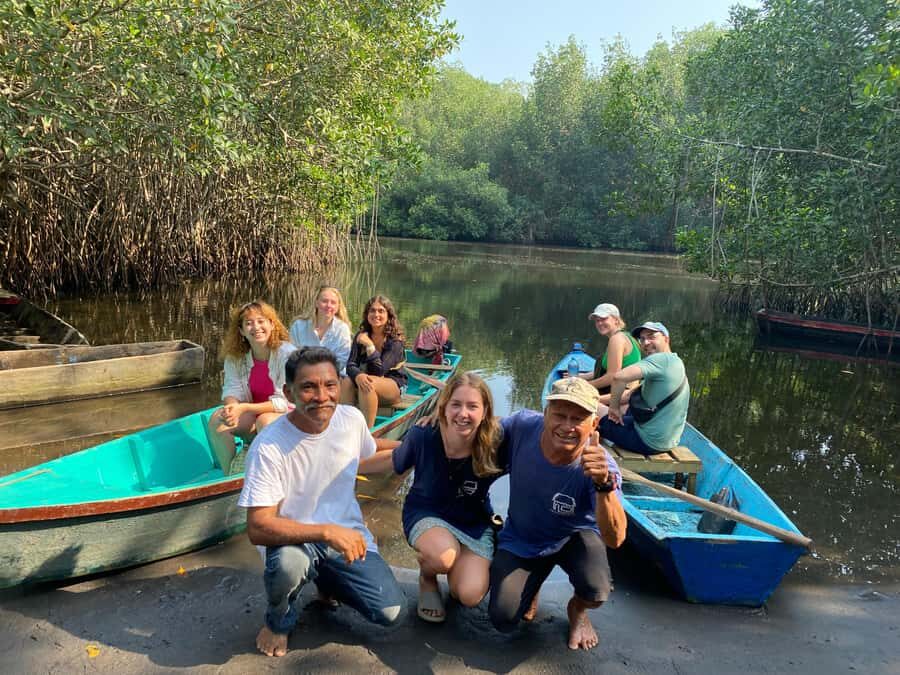
This is a private group experience. That’s a big deal for mangrove tours, because wildlife viewing works better when the group stays together and the guide can adjust to what’s actually happening outside the boat.
In a busy public tour, you often spend time waiting for everyone. Here, you can expect a smoother flow—board, listen, move, look closer. In real terms, it makes it easier to ask small questions and get quick clarifications, especially when the guide explains how to spot things like bird behavior or mangrove plants.
One of the best parts is that the guide experience can be very communicative even if your Spanish isn’t perfect. The tour runs in Spanish, but it’s designed for real human interaction, not just scripted lecture mode. You don’t need to be fluent; you just need curiosity and basic effort.
What happens at the start: warm welcome and a clear game plan
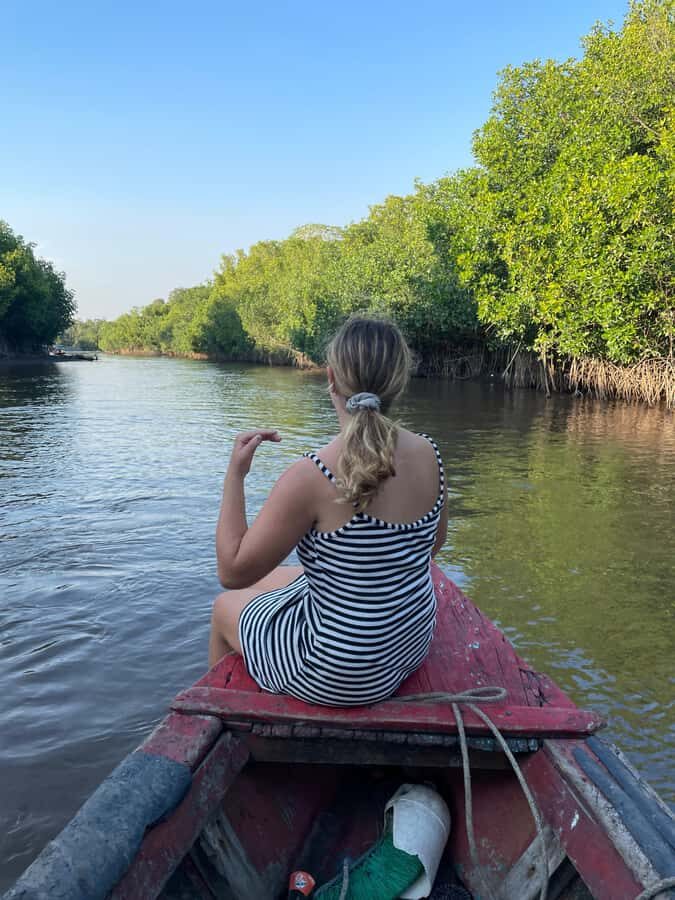
You’ll receive the pick-up point information via WhatsApp, and meeting points are designed to be close to areas where visitors stay in El Paredón. That reduces the stress factor. You’re not trying to decode a complicated location while trying to stay on schedule.
Once you meet your guide, the tone is friendly and grounded. In at least one case, the welcome included a warm, personal touch, with a drink as part of the initial greeting. It’s small, but it sets the stage: this isn’t a stiff tour. It’s a local-led outing.
Then you get the flow of the trip. You’ll know what the guide wants you to look for, how the mangroves are structured, and what the guide will cover as you head into the waterways. That matters because mangroves can look similar at first glance—until someone helps you read what you’re seeing.
The boat ride: from open water to the crabs-and-birds zone
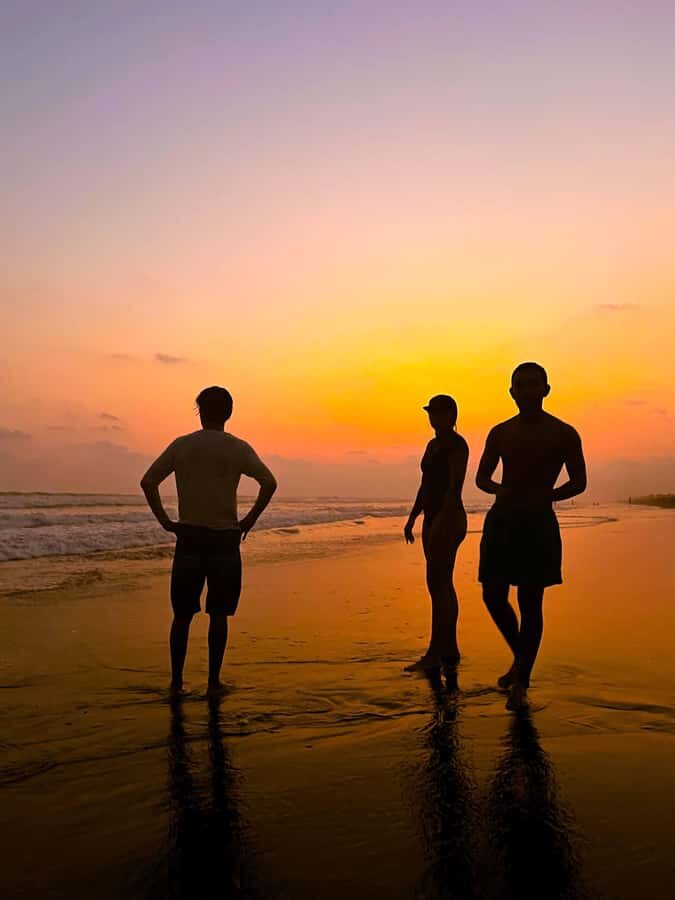
At the start, you may think you’re just getting a scenic boat ride. Then the guide brings you further into the mangroves, where everything gets busier and more detailed.
That shift is where the tour clicks. The mangrove environment changes as the boat moves into tighter channels: you’re closer to roots, branches, and the edges where animals feed and hide. It becomes easier to notice movement. You start spotting birds, fish activity, and tiny reminders that this is a functioning ecosystem, not a quiet aquarium.
One of my favorite kinds of wildlife moments is when you realize the guide isn’t only pointing out the big stuff. You might notice colorful crabs and little signs of life on the mangrove edges. That’s where a good guide makes the experience feel active. You stop watching the boat and start watching the ecosystem.
How to make the boat time more enjoyable
Bring your eyes closer to the waterline. Mangroves reward focus. If you keep looking forward like it’s a highway, you’ll miss the small action near the roots.
Also, plan to take photos, but don’t turn your phone into a shield. A few quick shots are great; just keep your attention split so you still catch the guide’s key explanations.
Learning mangroves, birds, and Maya-connected stories
The best guided parts here are the way the guide connects plants, animals, and human life. You’re learning about local wildlife and vegetation, including birds and fish behavior you can spot during the ride.
The tour also includes stories about the history of El Paredón and the ecosystem around it. In particular, you may hear references tied to the Maya people, framed through how local communities understand and use their environment.
That storytelling element makes the tour feel more human. Otherwise, mangrove tours can become a checklist: bird here, plant there, then done. With history and community context, you understand why mangroves matter to the people who live nearby, and why conservation efforts aren’t just for tourists.
Planting your own mangrove: the moment conservation becomes real
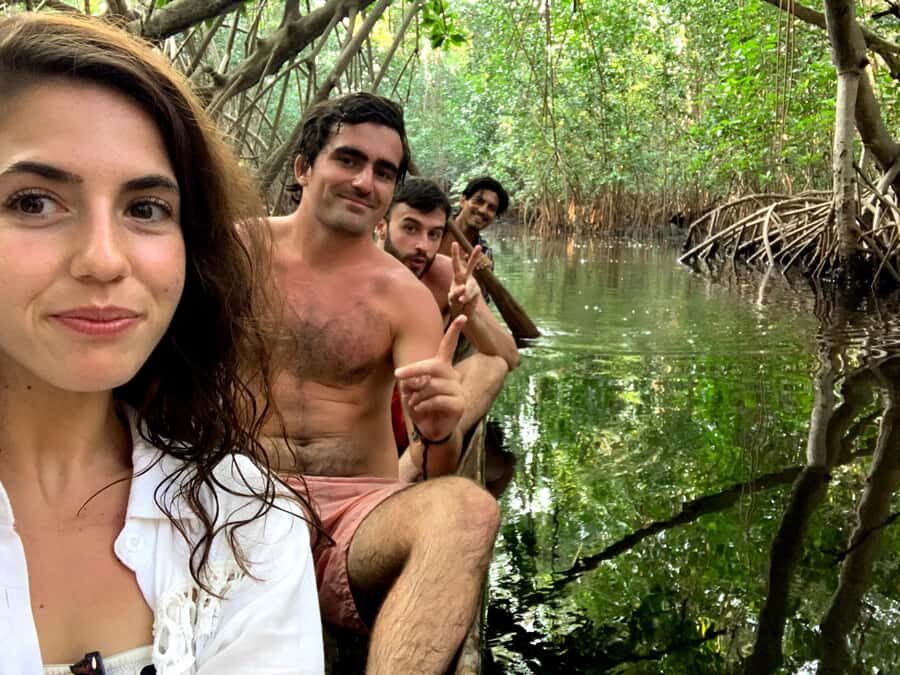
This is the hands-on highlight. During the tour, you’ll get the chance to plant your own mangrove, and that’s the part that turns this from a pretty nature outing into something with a clear impact.
Why it matters: mangroves take time to grow and establish. A planting activity gives your visit a physical outcome you can point to. It’s not a donation receipt you never see again; it’s something you help set in motion during your visit.
A small tip from a practical traveler mindset: wear shoes you don’t mind getting a bit dirty. Even if conditions are not muddy, planting work is still work. Your comfort here directly affects how relaxed you feel.
Optional fishing: what you can expect and when it’s worth adding
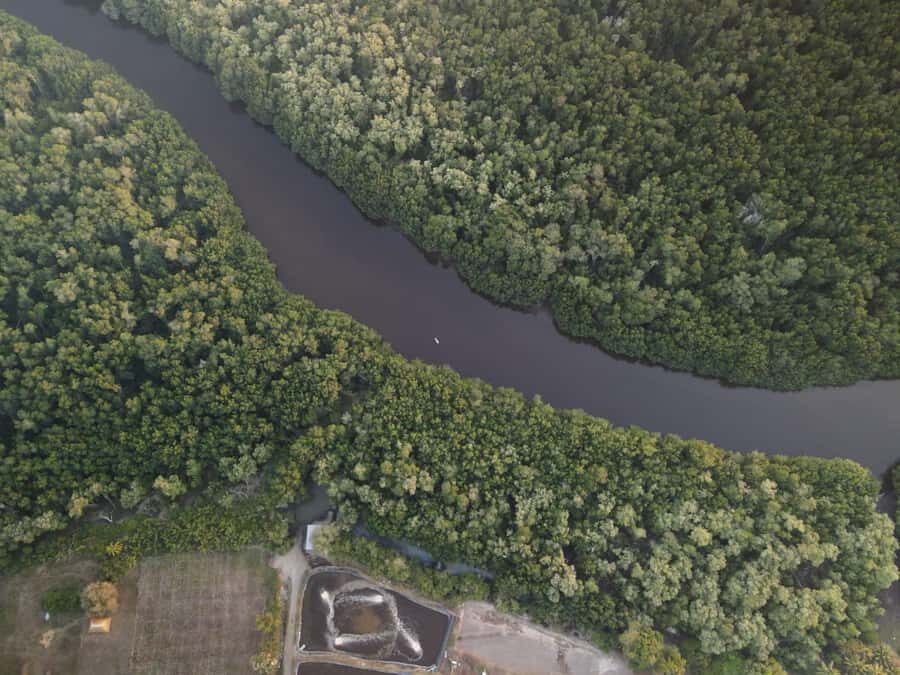
The optional fishing experience is included—no additional cost—but it’s best planned with seasons in mind. The tour information notes that the best fishing season is January to April, during the dry season when conditions are ideal for local fishing.
So here’s how I’d think about it:
- If you’re in Guatemala in January–April, consider adding fishing for an extra layer of culture and technique.
- If you’re traveling outside that window, you can still enjoy the mangrove boat ride fully, since the core tour is already strong on wildlife and planting.
The fishing portion is also taught as traditional fishing techniques, which means it’s more than just “catch something.” You’ll learn how the community approaches the water and what methods they use. Even if you don’t land a big catch, you’re walking away with a better understanding of how locals read the environment.
What to look for: birds, fish, mangrove vegetation, and crabs
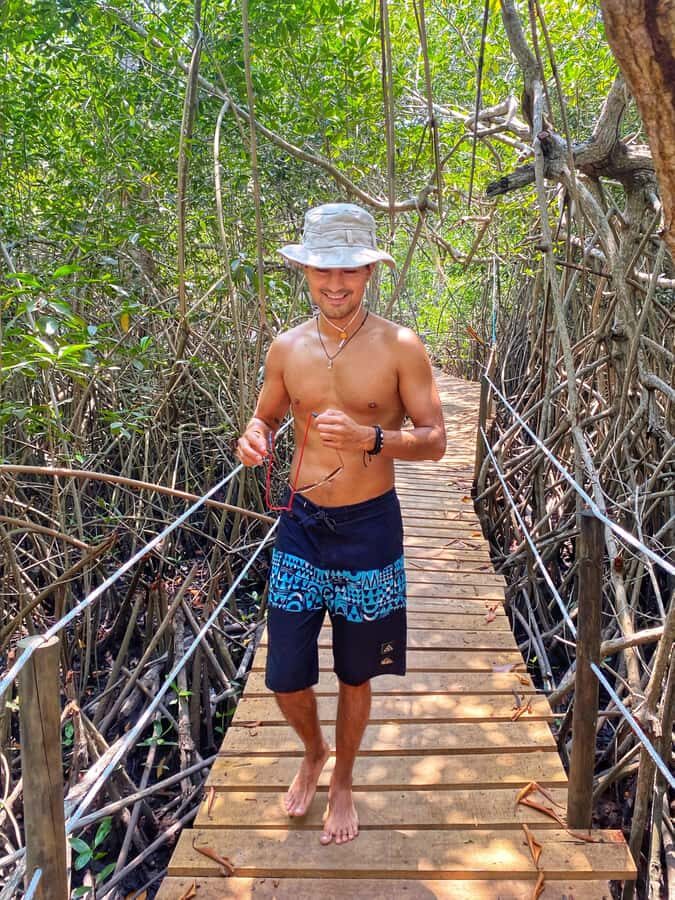
This tour works best when you treat it like a guided observing session. Your guide will help you spot wildlife and explain what you’re seeing.
Here are the big categories you can expect:
- Birds: look for movement around the canopy edges and along the mangrove structure
- Fish: watch for activity near water channels and root systems
- Crabs: you may see colorful crabs, especially once you’re deeper in the mangroves
- Mangrove vegetation: you’ll learn the basics of how the plants structure the ecosystem
I also like that the guide doesn’t assume you’ll know what you’re looking at. If language is a barrier, you can still pick up what matters through clear explanations and direct guidance.
Price and value: does $55 make sense for 90 minutes?
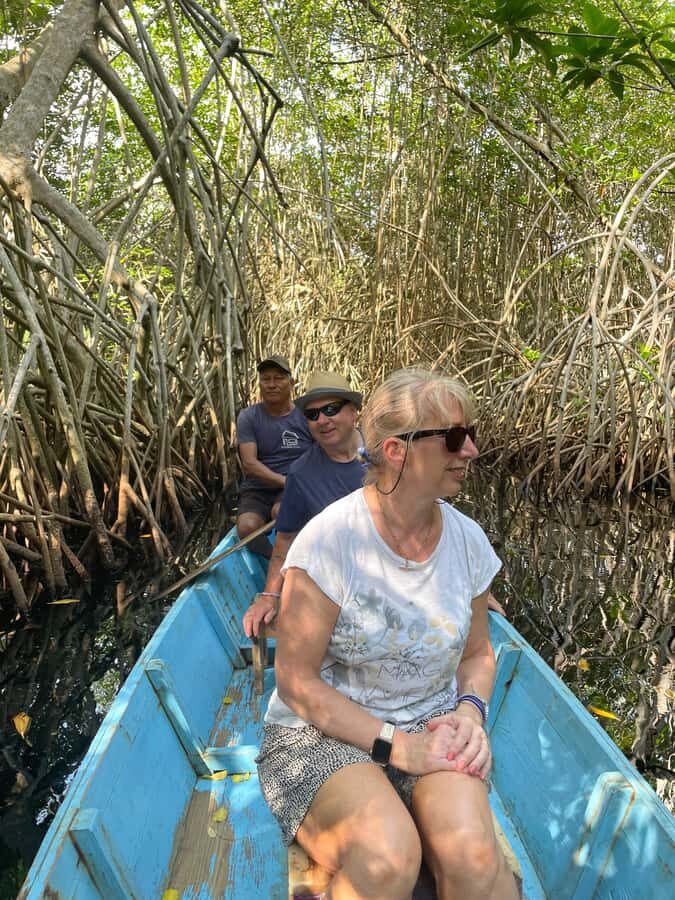
$55 per person sounds simple until you break down what’s included. For that price, you’re getting:
- a guided mangrove boat tour
- time on the water in the mangrove ecosystem
- the chance to plant your own mangrove
- an optional local fishing experience at no extra cost
- stories about El Paredón’s ecosystems and local community context
In other words, the cost isn’t just paying for transportation and time. You’re paying for expertise, a boat ride in a specific ecosystem, and a tangible conservation activity. That combination usually holds value better than a pure sightseeing tour, because you’re not only consuming the view—you’re participating.
The other value angle is the private group element. Even if you’re traveling with just two or three people, private formats can reduce friction and make the experience feel more tailored.
So yes, for what you’re actually doing, $55 feels fair—especially if mangroves, wildlife, and community conservation are your style.
What to bring so the day stays easy
You’ll enjoy the tour more if you come prepared. The checklist is straightforward:
- Comfortable shoes
- Sun hat
- Camera
- Water
- Biodegradable sunscreen
- Insect repellent
That last two items matter because mangrove areas often mean insects. I’d rather have repellent and not need it than get a sudden bite-spree and regret it for the rest of the day.
Also, keep your gear simple. The tour is only 90 minutes, so you don’t need a backpack full of stuff. Just bring what you’ll actually use while you’re on the boat and walking between moments.
Who should book this tour (and who should skip it)
This experience fits best if you:
- want nature + community context in a short time
- enjoy wildlife watching, especially birds and small creatures
- like hands-on conservation actions (the mangrove planting is a standout)
- are open to learning even if your Spanish is basic
It’s not suitable for pregnant women and people with mobility impairments based on the tour’s requirements. If that affects you, it’s worth searching for a different style of El Paredón experience that matches your needs.
If you’re traveling with kids, this could work well too, but you’ll want to judge based on how long your group can stay seated and engaged during the ride and guide talk. The time is short, which helps.
Should you book El Paredón’s mangrove tour with optional fishing?
If you’re choosing between a quick boat ride and something that adds real meaning, I’d book this. The mangrove planting turns it into active participation, not just observation. The guide-led explanations make the time feel purposeful, and the chance to add traditional fishing gives you a cultural bonus—especially if you’re visiting January to April.
Only skip it if you’re not comfortable with a Spanish-led guide experience or if the tour’s physical requirements don’t match your needs. Otherwise, for the price and the short duration, it’s a strong way to understand why mangroves matter in this part of Guatemala.
FAQ
What is the duration of the El Paredón mangrove boat tour?
The tour lasts about 90 minutes (1.5 hours).
Where is this tour located?
It takes place in the Escuintla Department in Guatemala, in the El Paredón area.
What time does the tour depart?
Tours depart at 8:00 AM or 4:00 PM.
Is the optional fishing experience included?
Yes. The local fishing experience is optional and included with no additional cost.
When is the best time for fishing?
The best fishing season is January to April during the dry season.
What language is the guide?
The live tour guide speaks Spanish.
Who is this tour not suitable for?
It’s not suitable for pregnant women or people with mobility impairments.
FAQ
What should I bring for the tour?
Bring comfortable shoes, a sun hat, a camera, water, biodegradable sunscreen, and insect repellent.
How will I find the meeting point?
The pick-up point is sent to you via WhatsApp.
Is the group private?
Yes, it’s a private group.
Can I plant a mangrove during the tour?
You’ll have the opportunity to plant your own mangrove as part of the experience.
Is there any extra cost for the fishing option?
No. The fishing option is available at no additional cost.
Does the tour include wildlife and vegetation explanations?
Yes. You’ll learn about local wildlife and vegetation from the guide during the boat ride.
Is cancellation flexible?
You can cancel up to 24 hours in advance for a full refund.