REVIEW · ANTIGUA GUATEMALA
Coffee farm experience
Book on GetYourGuide →Operated by Colonial Antigua · Bookable on GetYourGuide
A coffee lesson with real farm rhythm.
In Sacatepéquez, this Antigua outing pairs a Ciudad Vieja walk with hands-on coffee-growing know-how, so the cup tastes like it has a story behind it, not just a flavor note.
I like how Baudilio (the person in charge of the circuit) keeps things practical, explaining the stages of cultivation and processing in a way that makes you understand what farmers do every day. I also like the tasting angle, because you get to connect the plant care steps to what shows up in your cup.
One thing to consider: you’re outside for a short but active circuit, so sun and walking are part of the deal. Bring the hat, wear closed shoes, and know that extra drinks or food (and coffee to take home) are not included.
In This Review
- Key Things I’d Watch For
- Why This Antigua Coffee Farm Tour Feels Personal
- Getting From Antigua to Ciudad Vieja (and Why the Walk Matters)
- The Coffee Story in Sacatepéquez: 8 Regions and Origins
- How Coffee Plants Are Cared For: Daily Work You Can See
- Fertilization and Processing: What Goes Into a Good Cup
- Coffee Tasting in Plain Terms (and What to Buy)
- Price and Value: What $55 Covers and What It Means
- What to Bring, What to Wear, and What Not to Bring
- Who This Tour Fits Best (and Who Might Skip It)
- Should You Book This Coffee Farm Circuit?
- FAQ
- How long is the coffee farm experience?
- Where is the pickup location?
- What’s included in the price?
- What should I bring with me?
- Are alcohol or drugs allowed?
- Is the tour suitable for everyone?
Key Things I’d Watch For
- Pickup and route start in Antigua: You’re collected from Antigua Guatemala, then brought into the Ciudad Vieja circuit.
- A guided walk with sightseeing: About 105 minutes of guided sightseeing and walking makes this feel more local than a drive-by photo stop.
- Eight coffee regions explained: You’ll learn how Guatemala’s different regions shape coffee growth.
- Real farm effort, not just theory: The tour focuses on the daily work in the fields, plus how plants are treated.
- Fertilization and care practices: You’ll hear how coffee growers support the plants and what matters for healthy coffee.
- Tasting plus the chance to buy: You get a tasting, and there’s time at the end to pick up local coffee if you want.
Why This Antigua Coffee Farm Tour Feels Personal
This is the kind of coffee experience that doesn’t treat coffee as a hobby. It treats coffee as work, livelihood, and family rhythm. You start in Antigua Guatemala and head into the Sacatepéquez area for a short circuit that still manages to cover the big ideas: where coffee comes from in Guatemala, how plants are cared for, and why farmers do what they do.
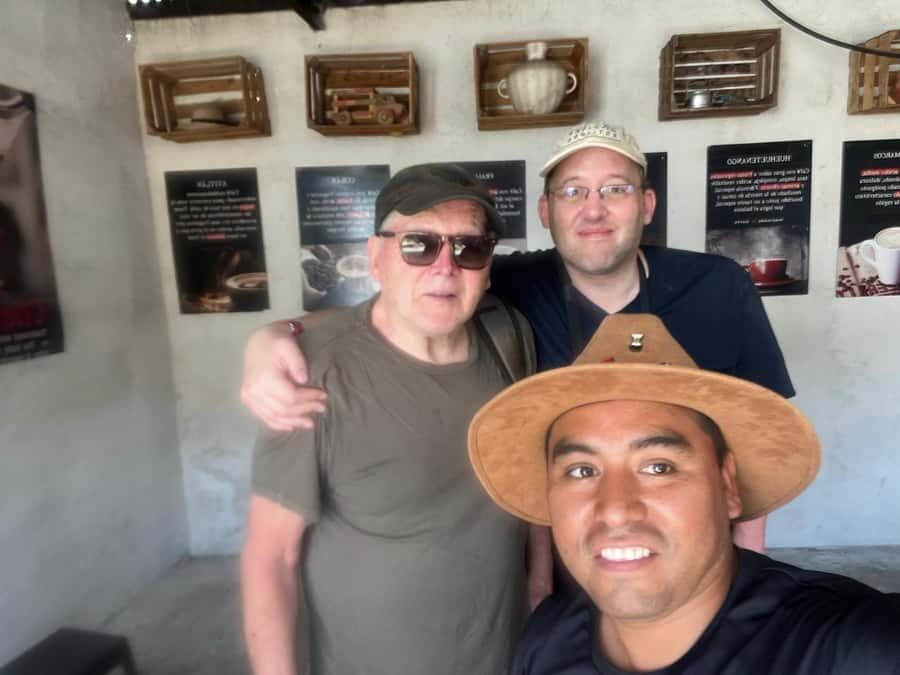
The tour’s strongest point is that it makes the process feel human. When you hear how people handle coffee plants day after day, it’s easier to respect the cup in front of you. The guide for this circuit is Baudilio, and his approach—clear, step-by-step, and rooted in what growers actually face—shows up again and again in the way the experience is described.
You can also read our reviews of more tours and experiences in Antigua Guatemala.

Getting From Antigua to Ciudad Vieja (and Why the Walk Matters)
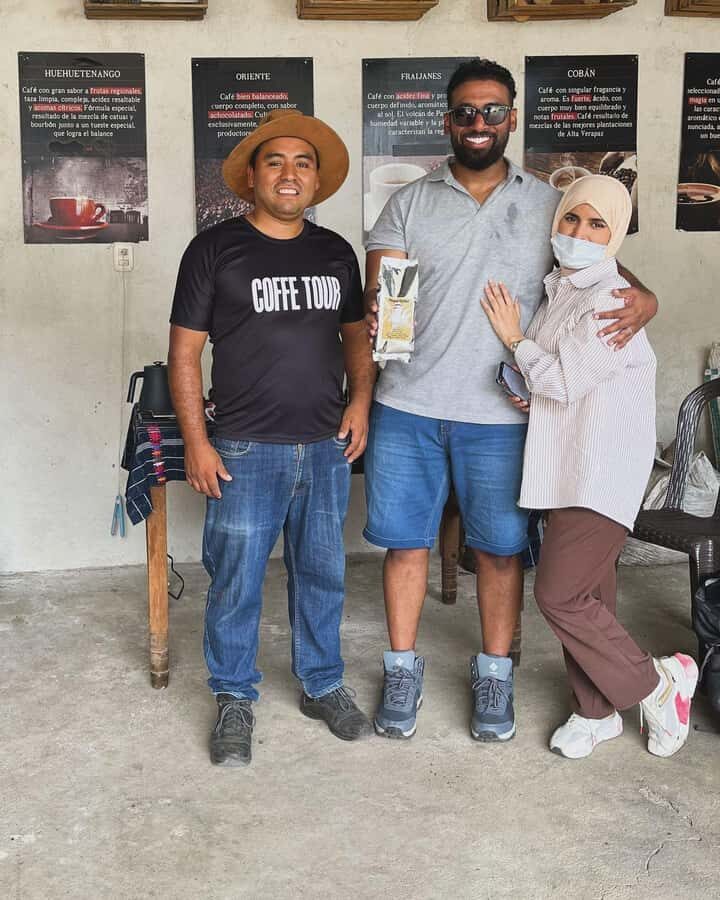
The day starts with pickup in Antigua Guatemala, with Baudilio arriving in his vehicle. That matters more than you might think. A good pickup keeps you from worrying about timing or directions, and it lets you focus on the experience instead of the logistics.
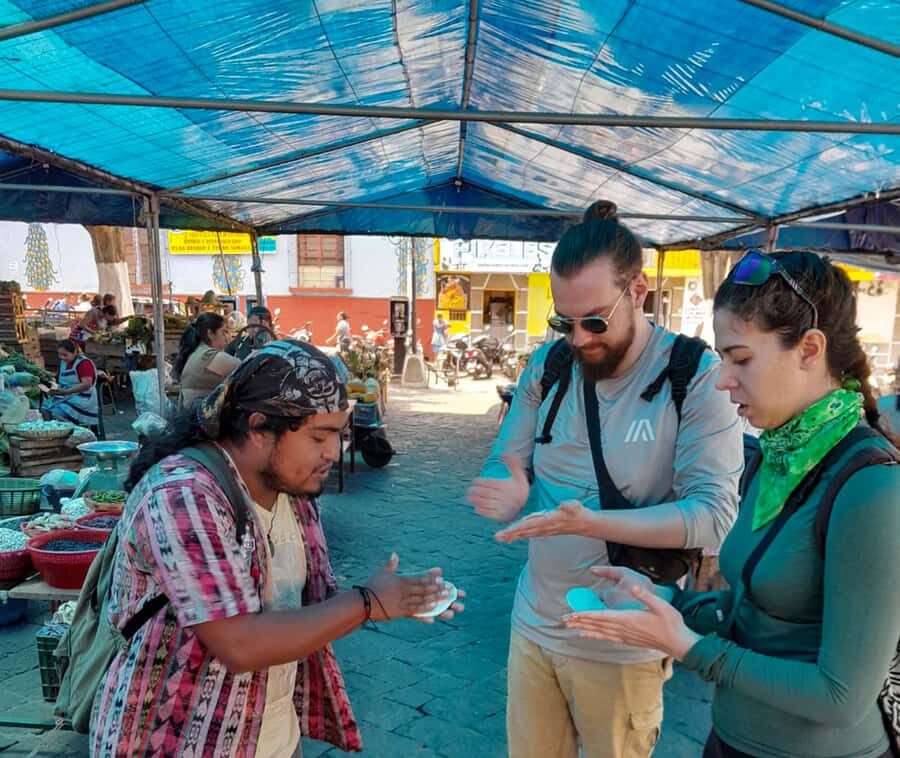
Then you spend about 105 minutes in Ciudad Vieja with a guided walk and sightseeing. This isn’t just stretching your legs. The walking portion is part of how you connect with the local setting: you get a better sense of the area’s pace, you meet people, and the guide can point out details as you go.
Practical tip: this is outdoors time. Bring a hat or cap to protect yourself from the sun, and plan for closed shoes. The tour info is blunt about it: wear comfortable clothes suited for the circuit and keep your feet happy.
The Coffee Story in Sacatepéquez: 8 Regions and Origins
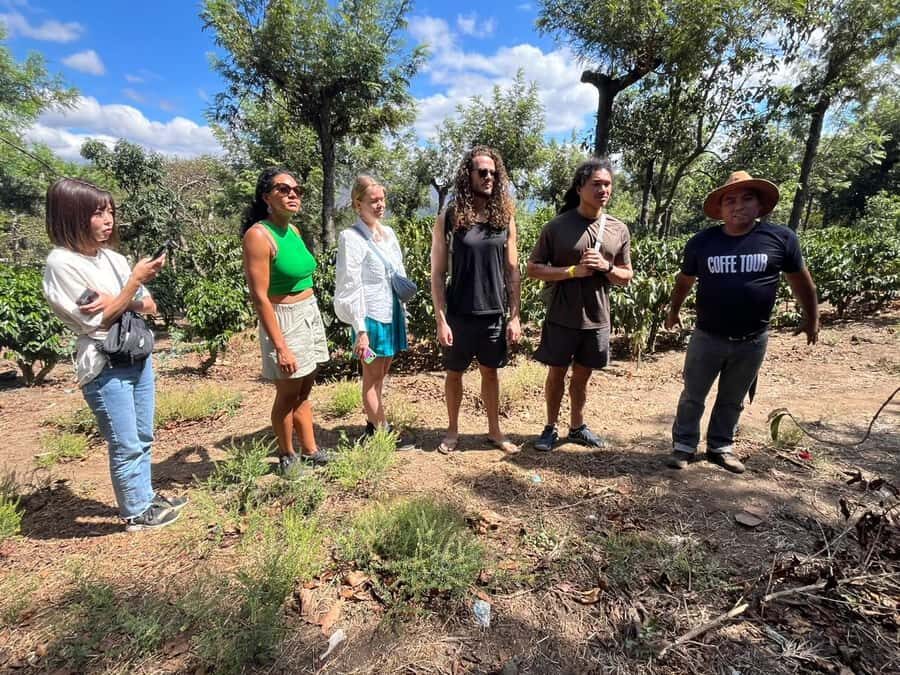
The tour frames Guatemala coffee as more than a single product. You’ll learn about the eight coffee regions, and you’ll hear how conditions and care practices connect back to what ends up in the cup.
Even if you don’t know the first thing about coffee, the region lesson helps you understand why growers talk about their land like it’s personal. Coffee isn’t just planted and harvested; it’s shaped by where it grows and how it’s treated. Learning the “why” behind that makes your later tasting more meaningful, because you’ll stop treating coffee like random flavors and start thinking in terms of decisions made in the field.
Another part of the origin story is the role coffee plays in Guatemala’s income. The tour explains how coffee is one of the most important sources of income, which adds weight to everything else you see.
How Coffee Plants Are Cared For: Daily Work You Can See
This tour doesn’t just show you pictures of plants. It’s focused on the daily reality: how coffee plants are treated, and what care looks like when it’s happening over months and seasons.
You’ll learn about conditions a coffee plant needs, and you’ll hear about the daily effort made by people in the fields. That piece lands differently once you’ve had a chance to look at the plants in context. Instead of coffee feeling like a beverage that appears in a café, you see it as a living plant that requires ongoing attention.
You’ll also get a sense of scale. It’s not about huge operations on display; the experience highlights small growers and family work, including the pride involved in putting a good cup on people’s tables.
Fertilization and Processing: What Goes Into a Good Cup
One of the most useful parts of this tour is the way it connects growth to end results. You’ll learn about fertilization processes used by coffee growers, and you’ll understand why these steps exist. Plants don’t thrive by accident, and the guide’s explanations are built around what keeps coffee healthy over time.
You also learn how coffee is grown and how the process moves toward a finished product. Processing details matter because they help you understand why two coffees can feel different even when they come from the same country.
In a lot of farm tours, processing gets reduced to a quick mention. Here, the emphasis is on stages—how things are handled, not just what the final bag says. And because coffee’s origins in Guatemala are part of the storyline, processing feels like the logical continuation of the plant-care lesson.
A few more Antigua Guatemala tours and experiences worth a look
Coffee Tasting in Plain Terms (and What to Buy)
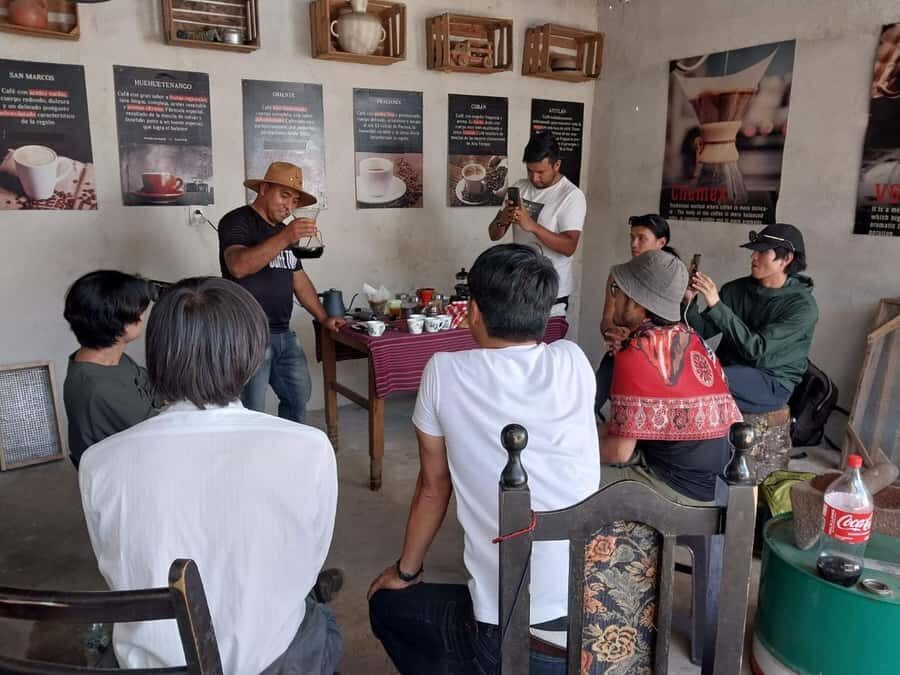
The tasting is included, and it’s one of the best ways to turn the field lesson into something you’ll actually remember. You’ll sample coffee at the end, and you’ll be able to compare what you’re tasting with what you learned along the way.
One sweet detail from the experience style is that you may sample two types of coffee. That structure helps you notice differences without overcomplicating it. If you’re new to coffee, that’s especially helpful. You’ll have a framework: taste A, taste B, then think back to plant care and processing steps.
If you want to bring something home, you can often buy coffee from the farm. The experience highlights that the operation distributes locally and handles packaging and roasting on-site. Even if you don’t buy, watching how they treat the product after harvest reinforces the idea that the tour is about the full chain, not a single moment.
Price and Value: What $55 Covers and What It Means
The price is $55 per person for a total duration of about 3 hours. At this length, you might wonder what you’re paying for—because short tours can sometimes feel thin. In this case, the value comes from three things that are included:
- Transportation
- A guide for the circuit
- A tasting
But the bigger value is less about the checklist and more about what the tour tries to communicate. The experience talks openly about the price of the industry with the coffee growers—the effort, the reality of farm work, and what it costs to produce quality. That’s why the tour feels more grounded than a “look and go” stop.
Also, you avoid extra surprise costs by planning for what’s not included. Pounds of coffee and extra drinks or food are not included, so if you want souvenirs or more beverages, budget for them in advance.
What to Bring, What to Wear, and What Not to Bring
This is a straightforward farm circuit, so your packing list is simple. Bring cash, a charged smartphone, and closed-toe shoes. Also bring a hat or cap for sun protection, since you’ll be outside during the walking and sightseeing portion.
Keep it easy on yourself: comfortable clothes you can move in are the right call. If you hate sweaty discomfort, dress for warmth and breathable fabric.
Don’t bring alcohol or drugs. The tour info is clear on this. And while the experience encourages connecting with locals, it’s still a farm environment, so you’ll want to act respectfully and follow the guide’s flow.
Who This Tour Fits Best (and Who Might Skip It)
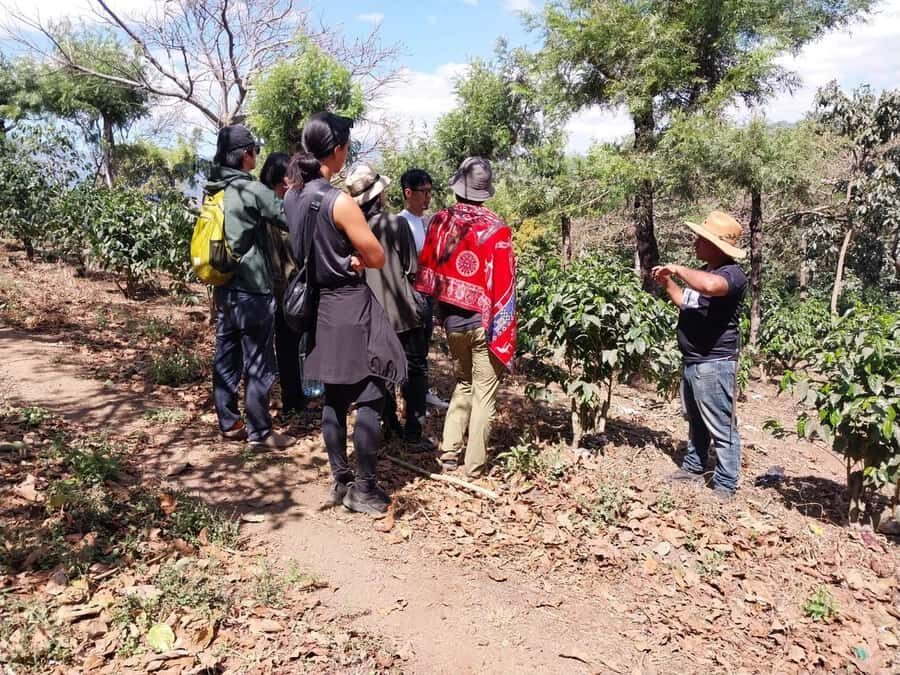
This experience is best for people who like real-world context. If you care about how your food and drink are made, you’ll enjoy the coffee origins lesson and the plant-care explanation.
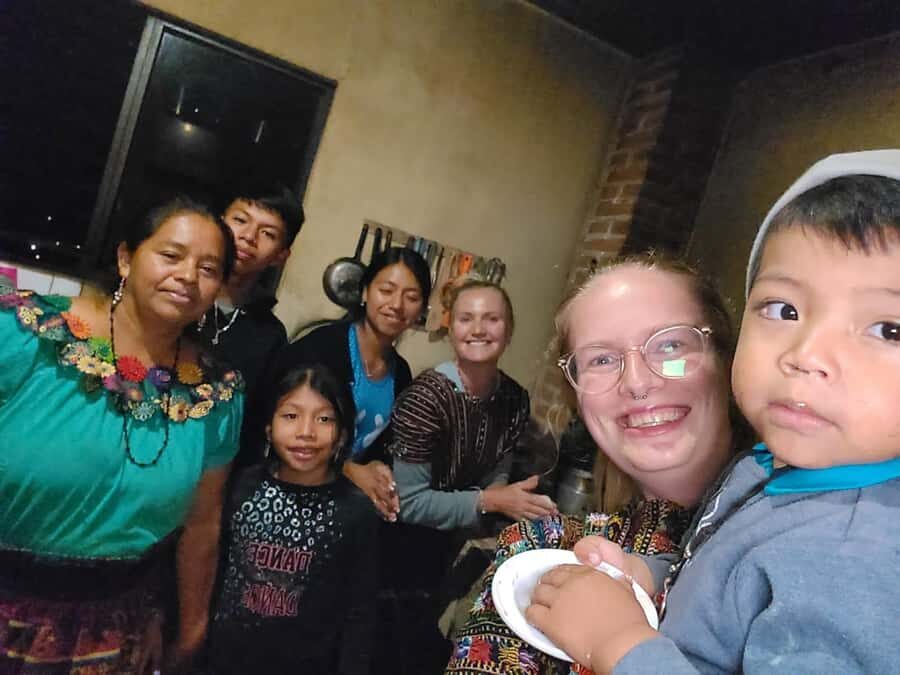
It’s also a good fit if you like meeting locals. The circuit is designed for hanging out with people in the area, not just watching from a distance. The tour’s family-farm feel shows up in the way the experience is described: warm welcomes, time for questions, and a focus on answering in a way that makes the steps make sense.
That said, there are clear limits. The tour is not suitable for:
- Babies under 1 year
- People over 95 years
- People over 70 years
- People with insect allergies
So if any of those apply, it’s smart to look for another activity.
Should You Book This Coffee Farm Circuit?
If you’re in Antigua and you want a coffee experience that explains the full chain—from plant care to tasting—this tour is a strong choice. The guide-led Ciudad Vieja walk plus the coffee-growing lessons gives you a good blend of place and process. For the 3-hour timeframe, it’s a very workable way to learn without turning your day into an all-day production.
Book it if you:
- Want a coffee experience that focuses on Guatemala’s regions and farm work
- Enjoy asking questions and learning how growers care for plants
- Like tastings that connect directly to what you’re seeing
Skip it or be cautious if you:
- Struggle with outdoor walking in the sun
- Have insect allergies
- Don’t want to pay extra for coffee to take home or for additional food and drinks
If you do book, bring the basics—hat, closed shoes, cash—and come ready to learn. You’ll leave with a clearer idea of what goes into a cup, and you’ll have met the people behind it in a way that feels less scripted and more real.
FAQ
How long is the coffee farm experience?
It lasts about 3 hours total.
Where is the pickup location?
Pickup is included from Antigua Guatemala.
What’s included in the price?
The experience includes transportation, a guide, and a tasting.
What should I bring with me?
Bring cash, a charged smartphone, and closed-toe shoes. A hat or cap is recommended for sun protection.
Are alcohol or drugs allowed?
No, alcohol and drugs are not allowed during the activity.
Is the tour suitable for everyone?
No. It is not suitable for babies under 1 year, people over 95 years, people over 70 years, or people with insect allergies.