REVIEW · ANTIGUA
Antigua: Villages Tour on Chicken Bus
Book on Viator →Operated by Columbus Guatemala Travel S.A. · Bookable on Viator
Chicken bus touring beats the usual Antigua routine. This half-day villages trip uses a Guatemalan Chicken Bus to reach small communities around Antigua, with real countryside views and culture stops you can’t easily stitch together on your own.
I especially like the food-and-farmer angle. You start at San Juan del Obispo for a family-owned chocolate visit (handcrafted for over five generations) plus a loquat stop where you’ll learn how loquat becomes wine, jams, and preserves.
One thing to consider: the bus experience is tour-only, so you won’t really mix with everyday riders, and lunch isn’t included.
In This Review
- Key things to love on this chicken bus villages tour
- Chicken bus from Antigua: how this half-day really works
- Casa de la Mandarina meeting point: what to expect before you roll out
- San Juan del Obispo: chocolate, loquat, and valley views
- San Pedro Las Huertas: communal water, a baroque church, and volcano views
- A drive through the first Spanish capital: panoramic farmland without the long hike
- Valhalla Experimental Station: macadamias, green uses, and community impact
- Why the chicken bus format matters (and where it may disappoint)
- The $95 value: what you get, what it costs you later
- Who this Antigua villages tour suits best
- Should you book the Antigua Villages Tour on Chicken Bus?
- FAQ
- How long is the Antigua Villages Tour on Chicken Bus?
- What does the tour cost?
- What time does it start, and can I choose morning or afternoon?
- Is lunch included?
- How many people are in a group?
- Is free cancellation available?
Key things to love on this chicken bus villages tour
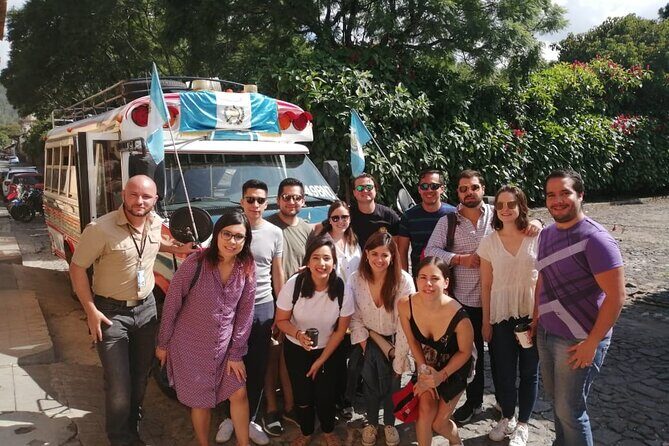
- Real chicken bus ride between Antigua-area villages (tour-exclusive for the day)
- Small groups (max 15) plus a bilingual guide
- Family-run tastings: five-generation cacao/chocolate, plus loquat products
- Volcano photo time from San Pedro Las Huertas (Fuego and Agua)
- Sustainability at Valhalla: organic macadamia farm with community impact
- Optional add-on if everyone agrees: a family-owned jade factory stop
Chicken bus from Antigua: how this half-day really works
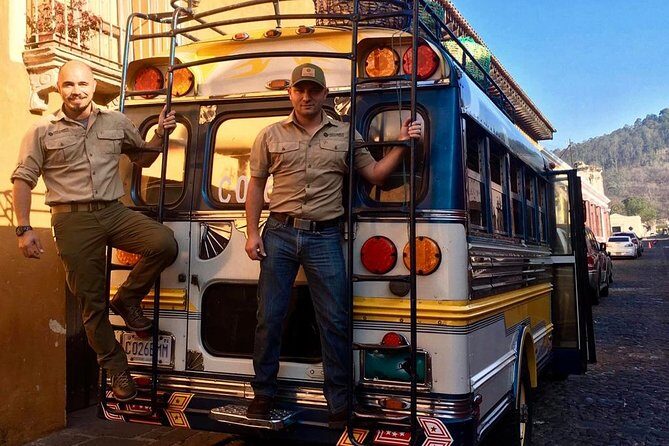
This is a 5 to 6 hour outing that feels like the best kind of change of pace: not a long day trip, not just another “walk around town” plan. You’ll start at Casa de la Mandarina (2a Calle Poniente 2) and return to the same meeting point when you’re done.
You also get flexibility in the format. The tour offers morning or afternoon start times, and one listed departure is 8:30 am. With a maximum of 15 people, it stays friendly and manageable, especially when the day includes a bit of walking through plazas and quiet streets.
You’ll be in good hands from the start. The tour includes a bilingual guide (you’ll likely hear a lot of history and everyday culture context), plus bottled water and snacks to keep the energy steady between stops.
You can also read our reviews of more tours and experiences in Antigua.
Casa de la Mandarina meeting point: what to expect before you roll out
You’ll meet at Casa de la Mandarina, right in central Antigua (2a Calle Poniente 2). The location is also described as near public transportation, which is handy if you’re not staying within walking distance.
This matters more than it sounds. Antigua streets can be busy and a little confusing, so meeting in a reliable central spot helps you keep the day calm. And because the tour ends back at the meeting point, you don’t need to plan transport home after you’ve been out in the villages for the afternoon (or morning).
Also note: service animals are allowed, and the tour says most travelers can participate. The stops include short walks rather than steep hikes, so this is a good option if you want variety without a tough physical day.
San Juan del Obispo: chocolate, loquat, and valley views
Your first hour sets the tone: you’re visiting San Juan del Obispo, and the stop begins with an overview of the plaza and the surrounding valley beauty. It’s a good warm-up. You get to shift from Antigua’s streets to the softer, open-feeling countryside views right away.
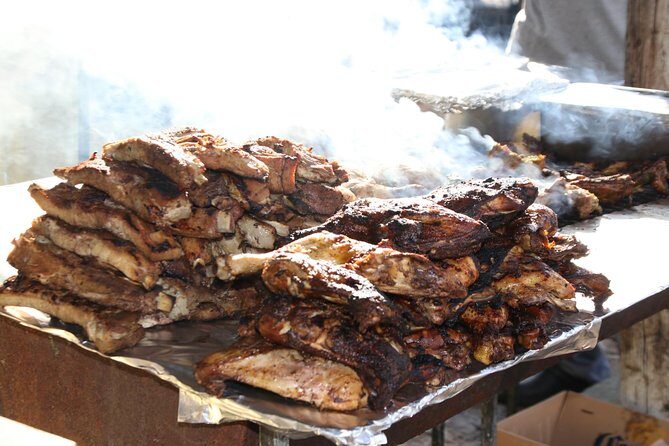
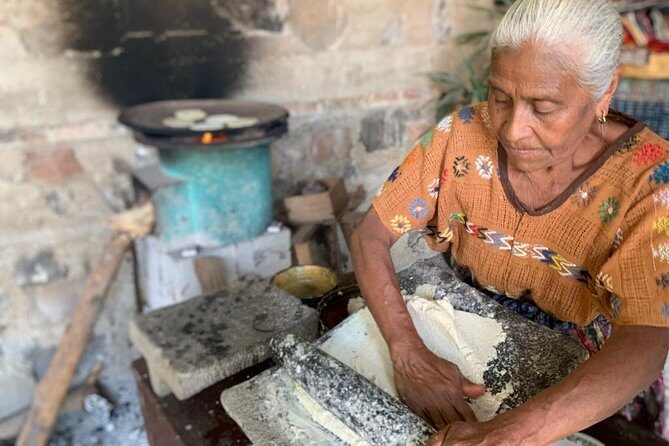
Then you’ll head into a chocolate family store that’s been handcrafted for over five generations. This isn’t just a show-and-tell. You’ll learn the artisanal process behind Guatemala’s beloved cacao beverage, and you’ll get a warm tasting. Even if you’re not a big sweets person, chocolate tastings tend to make cultural history tangible, because you can connect the dots from farming to flavor.
Just around the corner is the Loquat Museum. Loquat is a big deal here—this stop focuses on how the fruit is transformed into wine, jams, and preserves. You’ll have a chance to sample the signature flavors. It’s the kind of stop that makes you look at a local ingredient and think: oh, so that’s where that flavor profile comes from.
This stop is listed as free admission and roughly 1 hour, which is the right length: enough time to learn and taste, not so long that you lose the rest of the day.
San Pedro Las Huertas: communal water, a baroque church, and volcano views
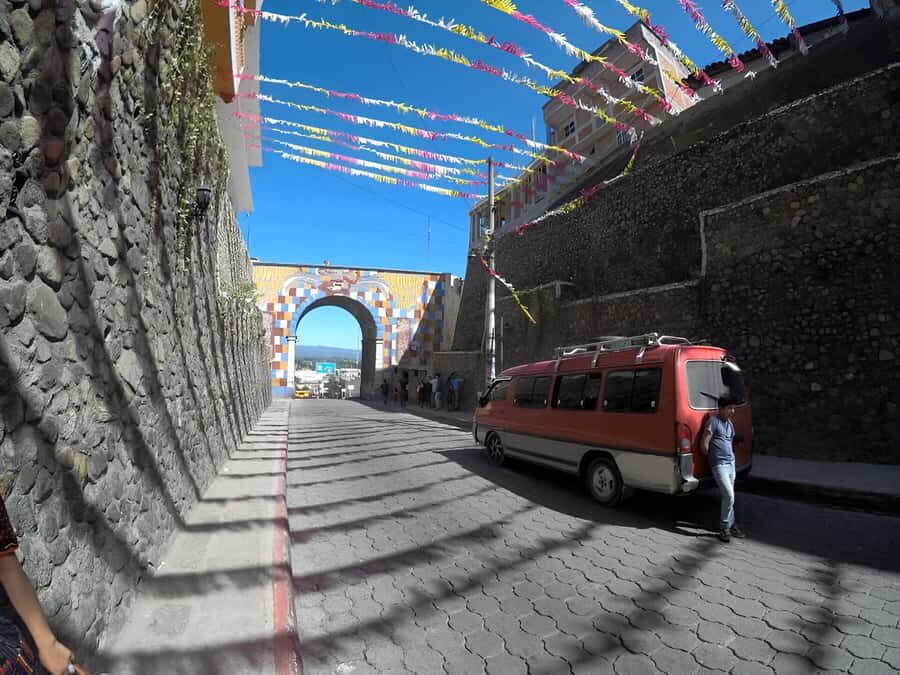
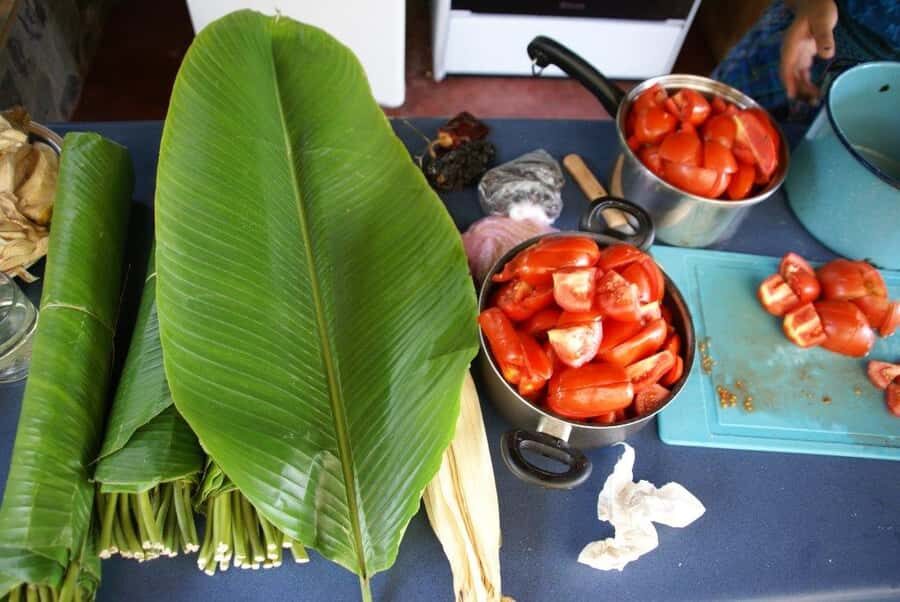
Next up is San Pedro Las Huertas, a farming village known for tomatoes, beans, and lettuce. The walking portion is part of the charm. You go through peaceful streets and pass everyday sights like a traditional communal sink—multiple spots where residents wash cloth.
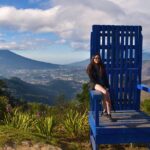
Then the day turns scenic. The itinerary includes viewpoints over rural life, with views of both Volcán de Fuego and Volcán de Agua. This is prime camera time. If you like photos that show more than just buildings—photos that tell a story about land, work, and place—this is one of the strongest moments of the day.
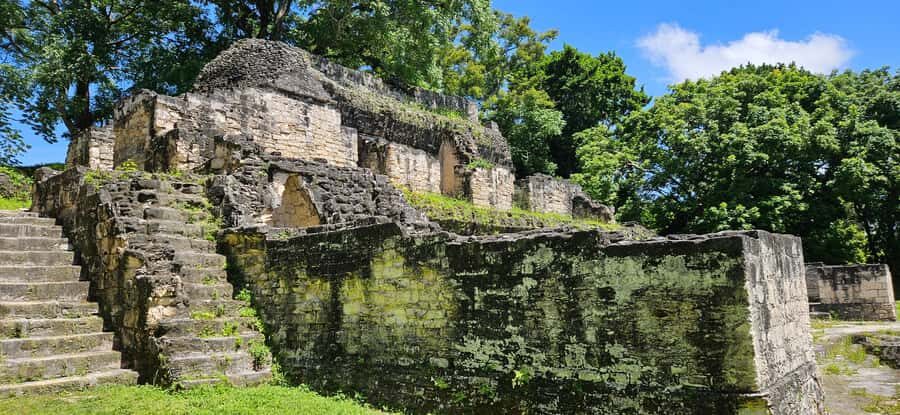
You’ll also see a baroque Spanish Colonial church on the east side of the plaza area. Even if you’re not a church-watcher, the fact that you’re in a living agricultural community (not a staged tourist village) makes it feel real.
There’s one possible add-on here: if everyone agrees, you may also visit a family-owned jade factory. That’s a nice bonus because it adds another craft side to the day, and it keeps the theme consistent: local production, made by local families.
This stop is also listed as about 1 hour with free admission.
A drive through the first Spanish capital: panoramic farmland without the long hike
Between villages, you’ll do a drive through what’s described as the very first capital of the Spanish Crown in the Americas. You’ll get panoramic views of surrounding farmland—flowers and vegetables harvested for both international and local markets.
This is a “less time, more context” kind of segment. You’re not going deep into any single site with long museum hours, but you are getting geographic and historical framing. For a half-day tour, that’s smart. It helps you understand why these places developed the way they did, even if you don’t spend hours in one location.
If you’re thinking in terms of value: the drive portion helps you see more of the region without exhausting yourself before the last stops.




Valhalla Experimental Station: macadamias, green uses, and community impact
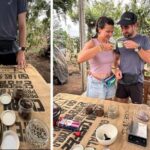
Your final hour is at Valhalla Experimental Station, described as an organic macadamia farm. This is one of the best stops for anyone who likes sustainability that’s explained in plain language—why a project matters, not just what it produces.
You’ll learn about the “green print” role of macadamia: how it can be used in skin care, food, and medicine. That’s a helpful framing because macadamias are often treated like a simple snack, but this stop connects the nut to wider real-world uses.
It also focuses on sustainability work tied to indigenous communities and how the project helps them thrive. For me, that kind of explanation is what turns a produce stop into something meaningful. You’re not only tasting a product—you’re seeing where the supply chain can create benefits.
This station is listed as about 1 hour and has free admission. Combined with the earlier tastings, it gives the tour a strong “food + farming + people” arc.
Why the chicken bus format matters (and where it may disappoint)
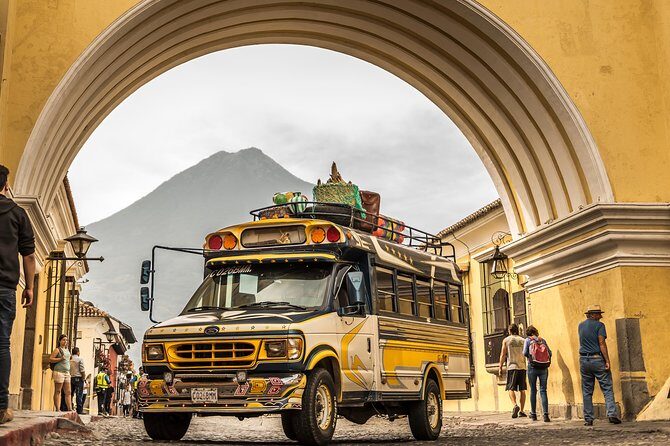
Let’s talk chicken bus reality. Yes, you’re riding a Guatemalan chicken bus—colorful, recognizable, and part of the region’s transportation story. But the itinerary you take is tour-exclusive for the day. So you won’t hop on and off like a local commuter.
That can be disappointing if your fantasy is blending into daily village life from the bus seat. Still, the format is exactly what makes the tour work as a half-day villages plan. The route between communities is spread out enough that a dedicated bus saves time. It also lets you watch the scenery shift as you move through farmland and smaller roads.
In short: you get the chicken bus feel and the village route, but not the full street-level interaction you’d get from riding local transit all day.
The $95 value: what you get, what it costs you later
At $95 per person, this tour is priced like a serious half-day cultural outing, and you do get solid built-in value.
Included items:
- All fees and taxes
- Bottled water and snacks
- Bilingual guide
- Admission tickets for the listed stops are noted as free
That matters because it prevents the usual “surprise extras” feeling. You know you’re paying once and then spending your time learning, walking, tasting, and seeing.
What’s not included:
- Lunch
So you’ll want to plan for a meal on your own after the tour (or grab something light before you start, since snacks are included but lunch is not). Also, tastings at places like chocolate and loquat often come with opportunities to purchase products—especially if you love souvenirs that are edible.
If you like to shop, this tour can double as your local-goods hunt: chocolate cacao products, loquat items (wine/jams/preserves), and potentially jade if the add-on happens. If you prefer zero shopping, you can still enjoy the tastings and learnings without buying much.
Who this Antigua villages tour suits best
This is a great fit if you want:
- A break from the Antigua walking routine
- Village culture and local production stories
- Scenic stops with volcano views
- A guide who can connect places and food to the larger Guatemala story
It also tends to work well for families and mixed groups. The tour is described as most travelers can participate, and it runs for a manageable half-day. Plus, it includes bottled water and snacks, which helps when you’re traveling with kids or anyone with a smaller appetite between meals.
You’ll also like it if you’re the type who enjoys craft and agriculture topics. The stops cover cacao/chocolate, loquat processing, macadamias, and possibly jade—so the day has a clear theme even when the locations change.
Should you book the Antigua Villages Tour on Chicken Bus?
I’d book it if you want a smart, efficient way to see more than Antigua’s main streets while still keeping the day light and social. The mix of family-run food stops, volcano viewpoints around San Pedro Las Huertas, and the macadamia project at Valhalla makes this feel like more than transportation—it’s a guided look at how people around Antigua live and make a living.
Skip it (or add a backup plan) if lunch being excluded will throw off your schedule, or if your priority is riding alongside locals on the bus as part of the everyday experience. This is a tour format first.
If you’re in Antigua and you want one outing that links culture, food, and countryside with minimal fuss, this is a strong choice. And if you care about guides, the names that come up often—like JJ (Juan Jesus) and Esteban/Antonio—suggest the guiding style is a big part of the appeal, not an afterthought.
FAQ
How long is the Antigua Villages Tour on Chicken Bus?
The tour runs about 5 to 6 hours.
What does the tour cost?
The price is $95.00 per person.
What time does it start, and can I choose morning or afternoon?
A start time of 8:30 am is listed, and the tour also says you can choose a start time that suits you for morning or afternoon.
Is lunch included?
No. Lunch is not included.
How many people are in a group?
The tour has a maximum of 15 travelers.
Is free cancellation available?
Yes. You can cancel up to 24 hours in advance for a full refund. If you cancel less than 24 hours before the start time, the amount paid isn’t refunded.