REVIEW · PANAJACHEL
Lower Mayan Trail: San Marcos to Santa Cruz 4-Hour Hike
Book on GetYourGuide →Operated by Los Elementos Adventure Center · Bookable on GetYourGuide
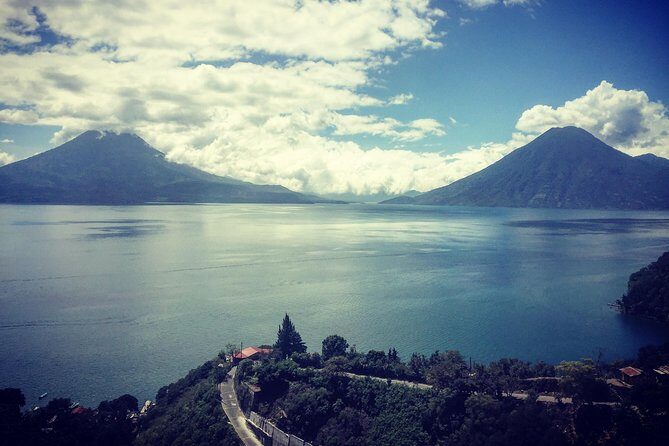
A cliff-side hike beats another lake cruise. On the Lower Mayan Trail, you follow ancient Kaqchikel paths above Lake Atitlán and earn volcano views without the crowds.
You also pass real village scenes as daily life carries on, plus you drop into Pumpatin Canyon for a totally different feel. For $75, it’s one of those trips that uses your time well, not just your camera battery.
Two things I like a lot: the chance to walk routes that have been used for centuries, and the sheer payoff from climbing high enough to see volcanoes around the lake.
My only caution is that this is a moderate hike with narrow, cliff-edge sections, so it’s not the best pick for very young kids or anyone who doesn’t like exposed trails.
If you want a genuine Atitlán day built around walking, river air, and village life, this one delivers. Just go in with the right expectations: it’s active, not a stroll.
In This Review
- Key highlights worth your attention
- Lower Mayan Trail: what makes this walk feel truly “Atitlán”
- Getting there the easy way: pickups and boat transfers
- Walking above the lake: Kaqchikel paths, farms, and village life
- A quick reality check on difficulty
- Tzununa and the remote feel of the north shore
- Pumpatin Canyon: when the hike switches ecosystems
- The river-side payoff
- Picnic lunch by the river (and what to pack since meals aren’t included)
- Volcano views: how to enjoy them without rushing
- Price and value: is $75 worth it for a 4-hour hike?
- Who should book this Lower Mayan Trail hike?
- What to wear for a canyon-and-river day on Lake Atitlán
- Should you book the Lower Mayan Trail from San Marcos to Santa Cruz?
- FAQ
- Where does pickup happen for the hike?
- How long is the Lower Mayan Trail hike?
- Is this a difficult hike?
- How big is the group?
- What’s included in the price?
- Are meals and drinks included?
- Is swimming allowed?
- What languages are the guides?
- What is the cancellation policy?
Key highlights worth your attention
- Kaqchikel-used trail routes: you’ll walk paths that have mattered for centuries, not just for tourists.
- Rugged north shore of Lake Atitlán: remote sections with no real road access.
- Villages and farm fields: you’ll see people working corn and coffee fields as you pass.
- High views then canyon walking: the route shifts from lake height to river terrain, so it never feels the same.
- Picnic time by the river: lunch is on the banks, with an optional swim if you want.
- Tzununa village visit: a remote stop that anchors the whole day.
Lower Mayan Trail: what makes this walk feel truly “Atitlán”

Lake Atitlán is the kind of place people love from the water. But this hike is the version you remember after the boat ride is long gone. You’ll spend the day on foot along the north shore, where there’s no true road access. That matters. It means fewer interruptions, less traffic, and more of the real rhythms of the area.
The trail follows routes used by the Kaqchikel Maya for centuries. That’s not just a nice fact on a poster. When you walk these old paths, you start to understand how the local communities moved through the region long before today’s ferry schedules and tour stops. You’re not just passing scenery. You’re traveling through a working landscape.
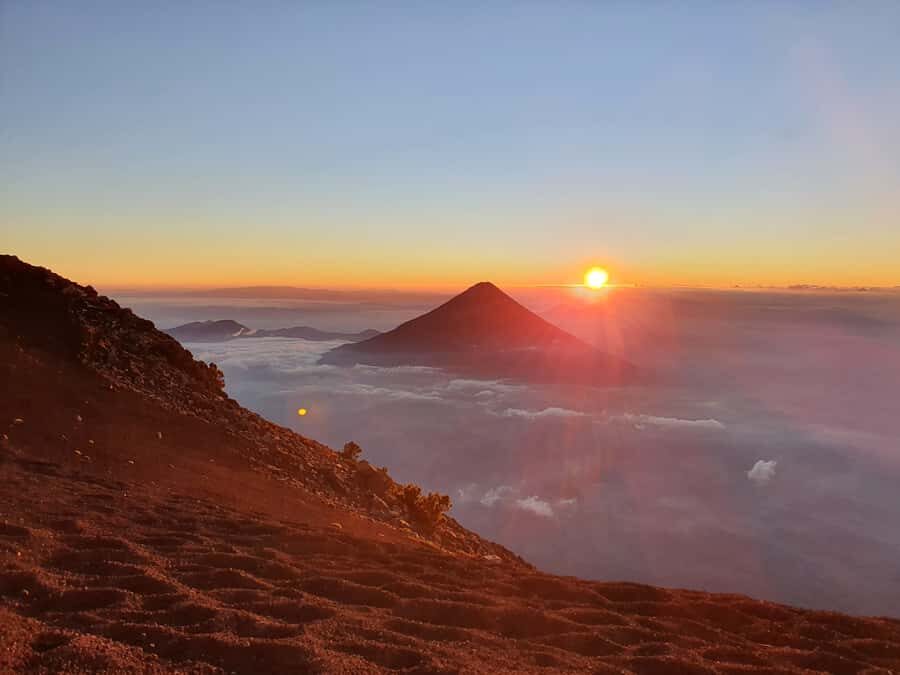
And the scenery is dramatic in a very practical way: you gain elevation high above the lake, which gives you breathtaking views of the volcanoes—the kind you can’t get from a flat shoreline path. I like that the day includes both big views and close-up human moments, instead of leaning only on postcards.
You can also read our reviews of more hiking tours in Panajachel

Getting there the easy way: pickups and boat transfers

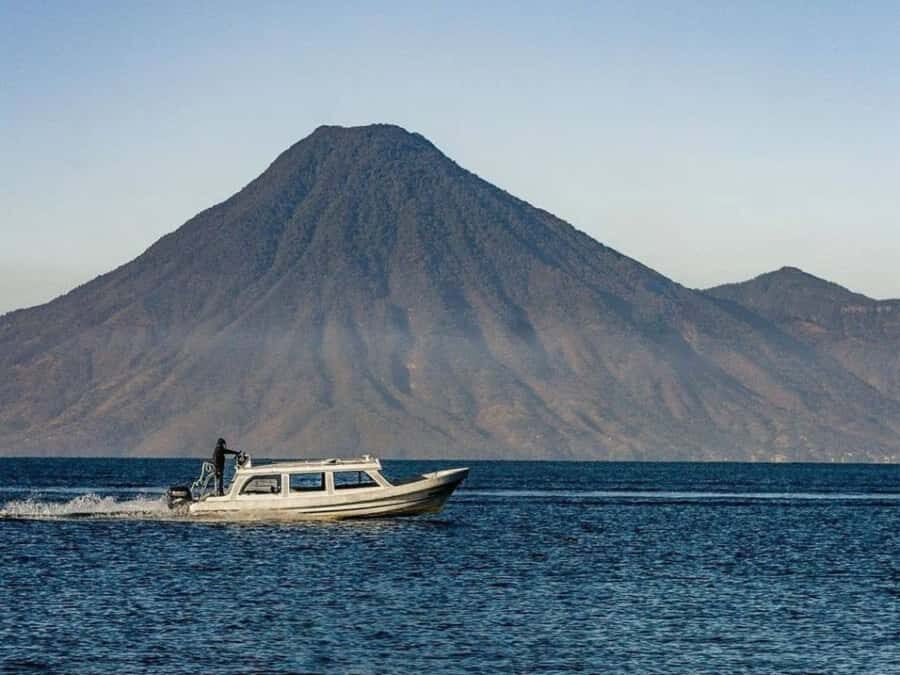
The day starts with pickup at your hotel in Panajachel, Santa Cruz, San Marcos, or Jaibalito. From there, you head toward the north side area used for this hike. Expect boat transfers as part of the plan, because the lake is the connector here.
Why that matters for you: it saves time and keeps the focus on the hiking. You’re not spending your morning solving logistics or trying to coordinate multiple transport pieces on your own. Plus, the boat ride gives you a first sense of what “rugged north shore” means before you ever step onto the trail.
This is also set up as a small group—limited to 8 participants—with a professional guide who speaks Spanish and English. For a hike, small group size isn’t a luxury. It affects how smooth the day feels: fewer people to manage, more chances to ask questions, and more flexibility if conditions require small adjustments.
Walking above the lake: Kaqchikel paths, farms, and village life
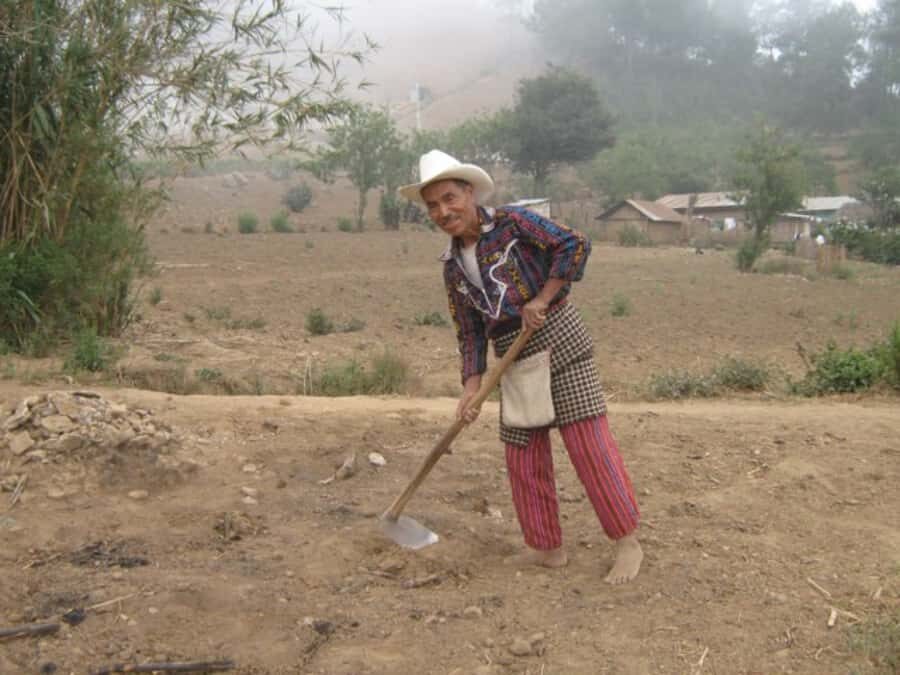
Once you start hiking, you’ll feel the route’s character quickly. You’re on ancient paths that have been used for generations, and the route takes you several hundred feet above Lake Atitlán’s changing waters. That elevation isn’t just for the photos. It also helps the trail reveal how the region is layered—lake air up top, then river terrain later.
You’ll pass through an area where you can actually see daily life happening. Farmers tend corn and coffee fields, and you’ll likely encounter villagers going about normal routines. I love that this hike doesn’t pretend the landscape is “empty.” It isn’t. It’s lived-in. You get to watch the work, not just the view.
One more thing I appreciate: the trail’s design naturally breaks the day into “moments.” You’ll climb, look out over the lake, move again. Then—without warning—you’ll be seeing different buildings, different fields, different textures of green. It’s a more human pace than a viewpoint hop.
A quick reality check on difficulty
The hike is listed as moderate and is suitable for families, but one review tip is worth taking seriously: there are narrow paths near the cliff edge. That means it’s not a good match for little kids who can’t handle exposed footing. For families who do hike often, it can work well—just choose the right day and keep an eye on your group’s comfort level.
Tzununa and the remote feel of the north shore
A key part of the experience is a visit to Tzununa, a remote village in this north-shore area. Tzununa is part of what makes the day feel less like a “trail highlight” and more like a real detour into a less-visited corner of Atitlán.
The remote feel comes from simple things:
- limited road access
- a trail-based connection across the lake region
- the fact that you’re moving through local spaces, not just tourist corridors
This is also where the day starts to feel balanced. You get your volcano drama, yes. But you’re also seeing the area the way people who live here experience it: walking between work, homes, and natural features.

Pumpatin Canyon: when the hike switches ecosystems
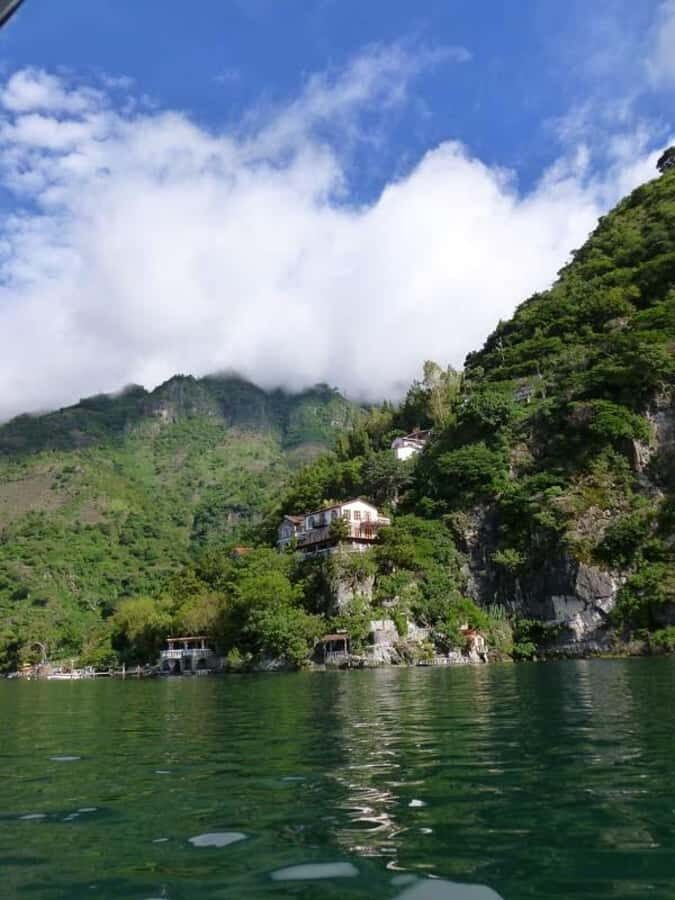
After hiking above the lake, you’ll descend into Pumpatin Canyon for a nature walk along the river banks. This is one of the best parts of the route because it’s a genuine change in conditions. The day shifts from high lake views to a narrower canyon path with the river nearby.
You’ll experience two different ecosystems as you move from the upper lake shore into the canyon. Even if you don’t study plants, you can feel the difference. Air tends to feel different down in canyon terrain. Light can change too. And the sounds of the river add a whole second “track” to the hike—almost like the landscape is guiding your attention.
The river-side payoff
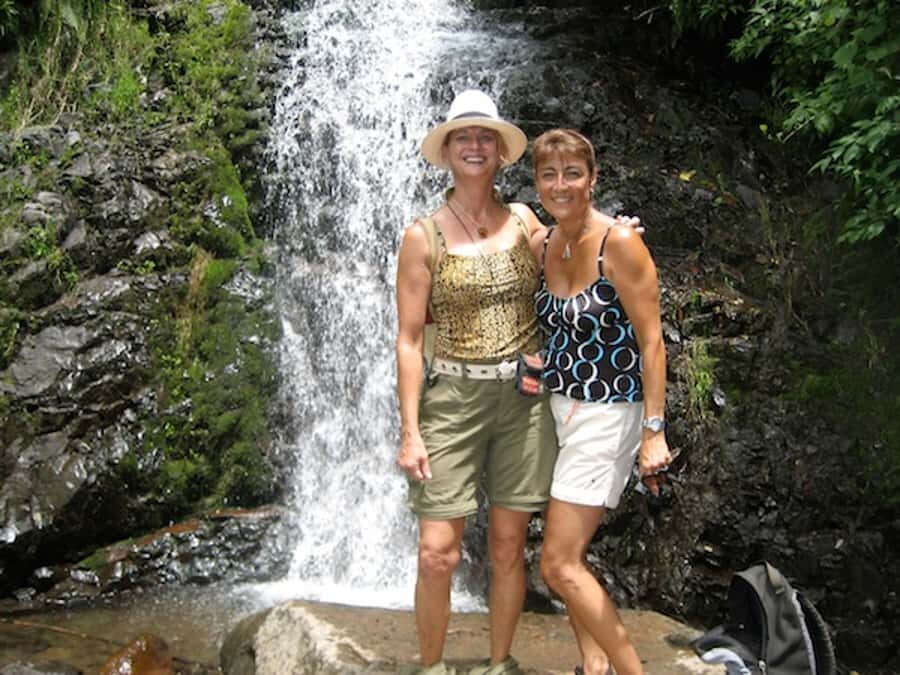
This is where the day slows down in the best way. You’re not just passing through. You’re walking along the river where you can stop, rest, and take in the canyon feel. One recent highlight people share is a payoff like a waterfall stretch along the route. It’s the kind of moment that makes the earlier climb feel worth it.
If you’re a photo person: this portion is where you’ll want to pause more often. Not because it’s easier, but because the scenery is layered—water, canyon walls, and the trail line leading your eye.
Picnic lunch by the river (and what to pack since meals aren’t included)
You’ll have time for a picnic lunch on the banks of the river, with an option to swim if you want. Here’s the practical catch: meals and drinks aren’t listed as included.
So plan like this:
- Bring your own lunch or snacks for the picnic window.
- If you want to swim, pack what you need for a quick change and rinse.
- Bring water and basic hiking essentials, because the day runs on a 4-hour schedule and you’ll be active the whole time.
Even if you don’t swim, the river banks are a great place to reset. It’s not a rushed break. It’s built into the hike.
And if you like “small comforts” while traveling, this part is a win. After hours of motion, you get to sit somewhere pretty and eat like a human, not like a machine.
Volcano views: how to enjoy them without rushing
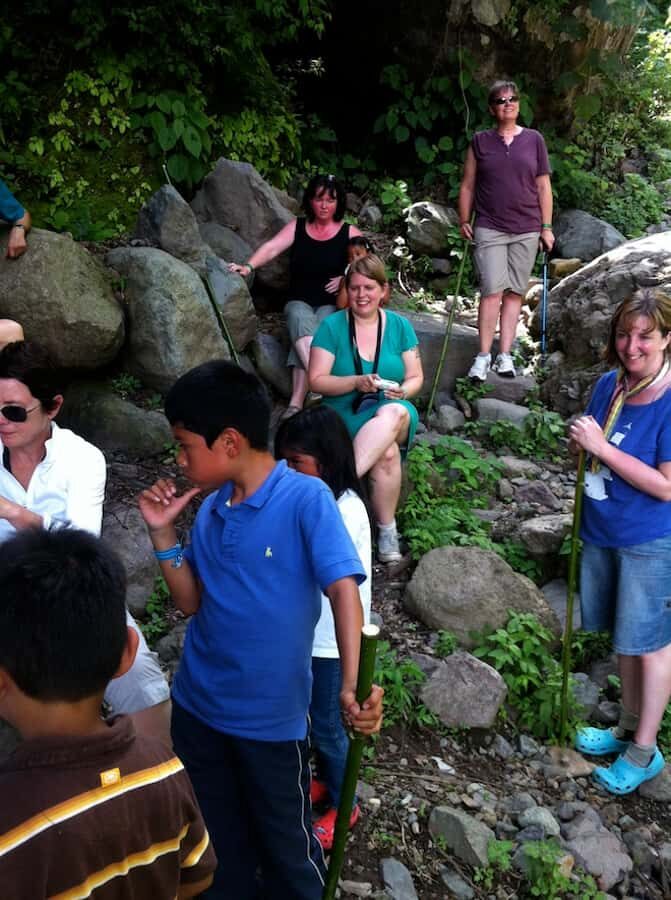
Lake Atitlán volcano views are famous for a reason, but this route is how you experience them with less stress. Since you’re walking above the lake for stretches, you don’t just get one quick stare. You get repeated chances to look out as the trail moves and your position changes.
I’d treat it like this:
- When you’re high, pause and scan the horizon—then keep walking.
- Don’t force every shot. Your feet will do a better job than your arms if you try to speed everything up.
A small group helps too. With fewer people, it’s easier to find a moment to breathe and watch the lake shifting under different light. That’s part of the fun: Atitlán’s water doesn’t sit still, and the volcano shapes can look different as clouds and wind shift.
Price and value: is $75 worth it for a 4-hour hike?

At $75 per person for a 4-hour hike, you’re paying for four things that actually matter on the ground:
- a professional guide
- boat transfers
- a route that’s not easy to do on your own (no true road access on the north shore)
- a small group capped at 8 participants
What you’re not paying for is food. Meals and drinks aren’t included, and you’ll handle a picnic yourself. That changes the real cost slightly based on your own choices, but it’s also what keeps you flexible.
For me, the value comes from the “hidden work” the guide handles—route navigation, timing, and pacing on a trail that’s rugged and remote. This is the kind of hike where having someone experienced is not overkill. It’s the difference between enjoying the day and constantly second-guessing your footing and direction.
Who should book this Lower Mayan Trail hike?

I’d steer you toward this hike if:
- you like active sightseeing more than sitting around
- you want village and farm scenes, not only views
- you’re comfortable on a moderate trail with some narrow sections
- you enjoy nature walks where the environment changes as you move
I’d think twice if:
- you have very young kids who can’t manage exposed footing
- your hiking comfort is low and you get nervous on cliff-edge paths
- you want an easy flat walk and lots of time standing still
That said, it’s listed as suitable for families, so if your kids hike regularly and you’re cautious, it can be a good outing. The key is matching the trail to your group.
What to wear for a canyon-and-river day on Lake Atitlán
The route mixes heights, trail walking, and river-bank time. A few practical tips help you feel confident:
- Wear sturdy hiking shoes with solid grip.
- Bring layers. Lake areas can shift in temperature as you go from open views to canyon terrain.
- Use sun protection. You’ll be exposed on the higher stretches.
- If you plan to swim, bring a quick-change solution and something to keep your belongings dry.
Also, keep your pack light but real. This is not a marathon, but you’ll be moving for hours and you’ll want gear that doesn’t slow you down.
Should you book the Lower Mayan Trail from San Marcos to Santa Cruz?
Book it if you want a guided hike that mixes ancient Kaqchikel-used paths, real village life, and big volcano views, then finishes with a river picnic and a chance to cool off. The $75 price makes sense when you factor in the guide plus boat transfer and the fact that the north shore isn’t set up like a casual drive-and-walk area.
Skip it (or choose another option) if narrow cliff-edge sections would stress you out, or if your idea of a family day is mostly flat and relaxed.
If you’re the type who remembers roads less traveled and trails that feel lived-in, this is a strong choice.
FAQ
Where does pickup happen for the hike?
Pickup is available at hotels in Panajachel, Santa Cruz, San Marcos, or Jaibalito.
How long is the Lower Mayan Trail hike?
The hike lasts about 4 hours.
Is this a difficult hike?
It’s listed as a moderate hike and suitable for families, but parts of the route include narrow paths near the cliff edge.
How big is the group?
The group is limited to a small size of up to 8 participants.
What’s included in the price?
The price includes boat transfers and a professional guide.
Are meals and drinks included?
No. Meals and drinks are not included, though you’ll have time for a picnic lunch by the river.
Is swimming allowed?
You can take a swim if you desire during the river-bank time.
What languages are the guides?
The live tour guide speaks Spanish and English.
What is the cancellation policy?
Free cancellation is available up to 24 hours in advance for a full refund.