REVIEW · GUATEMALA
Mayan Home Stay San Jorge Lake Atitlan
Book on GetYourGuide →Operated by Marvelus Travel · Bookable on GetYourGuide
Spend a night like a local.
This Mayan home stay in San Jorge La Laguna is built for real daily life with a Kakchiquel family, not a museum version. I especially like the hands-on tortilla-making with the mother of the family and the simple fact that you share dinner and breakfast in the home. One drawback to plan for: English isn’t part of the setup, and families speak mainly Kaqchikel to each other, so you’ll get more out of it with at least basic Spanish.
The program also doesn’t drop you into the Panajachel tourist center. You’ll be staying where locals live in a safe neighborhood, and the housing is basic by design. If you expect hotel comfort, you’ll notice that difference fast.
In This Review
- Key things to know before you go
- San Jorge La Laguna: the village setting you’re really paying for
- Getting there from Panajachel and how the 14-hour rhythm works
- Dinner and breakfast in the home: why it feels worth $45
- The tortilla lesson: where culture becomes hands-on
- Kaqchikel language practice: useful, and sometimes harder than you expect
- Village exploration with your host family
- Clothing for photos: traditional dress as a respectful moment
- How to handle your camera in a village home
- Sleeping at a basic home: privacy included, comfort not guaranteed
- Optional: the downhill walk to the lake for a boat return
- Who should book this home stay, and who should skip it
- Price and value: what $45 buys you in real terms
- Should you book Mayan Home Stay San Jorge La Laguna?
- FAQ
- Where does the home stay take place?
- How long is the experience?
- How much does it cost?
- What’s included in the price?
- Will I be staying in Panajachel city center?
- What language is used during the experience?
- Is English spoken by the family?
- What kind of room and bathroom setup should I expect?
- Can I take photos?
- What should I bring?
- Is it refundable if my plans change?
Key things to know before you go
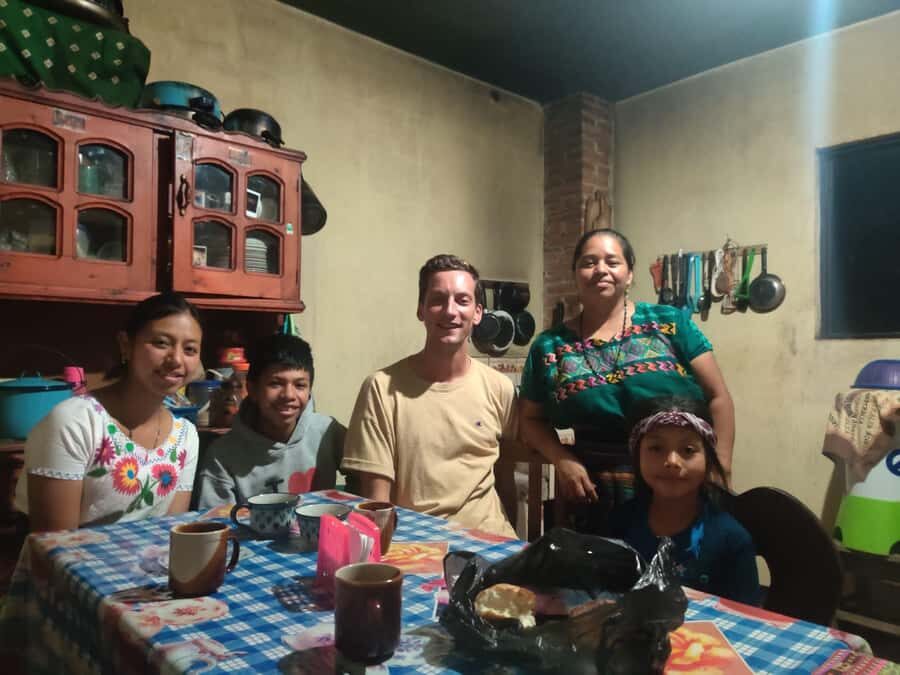
- Family-run meals: dinner and breakfast are cooked by the mother and eaten together
- Tortilla lesson: learn how tortillas are made in the home, not in a classroom
- Language reality: host support is Spanish, while everyday family talk is mainly Kaqchiquel
- Small group size: limited to 10 participants, so your interactions stay personal
- Respect photos and privacy: ask before photographing people in the village
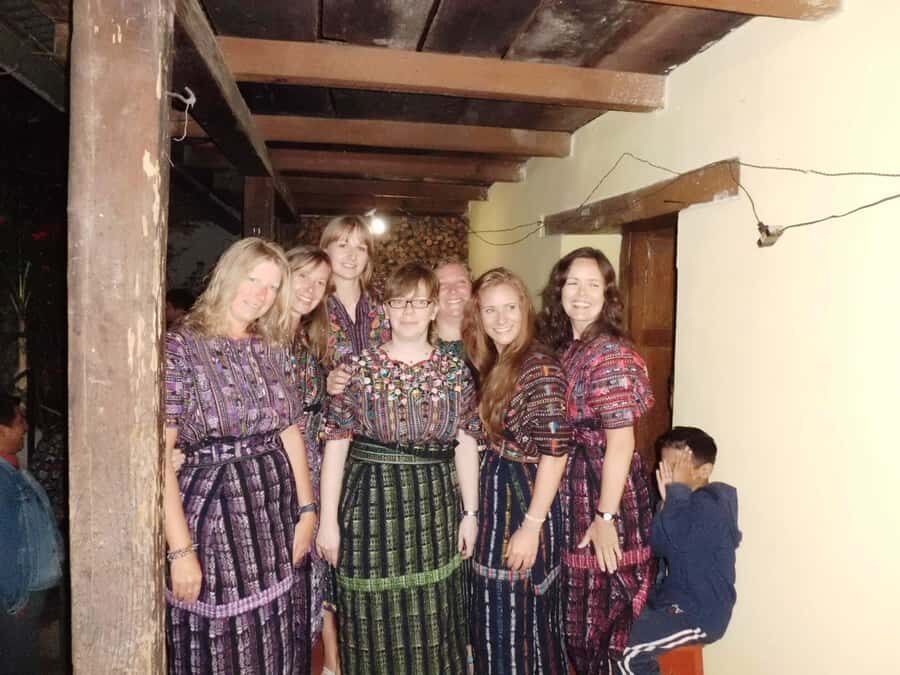
- Dress-up for pictures: you’ll wear traditional Mayan clothing for photos
San Jorge La Laguna: the village setting you’re really paying for
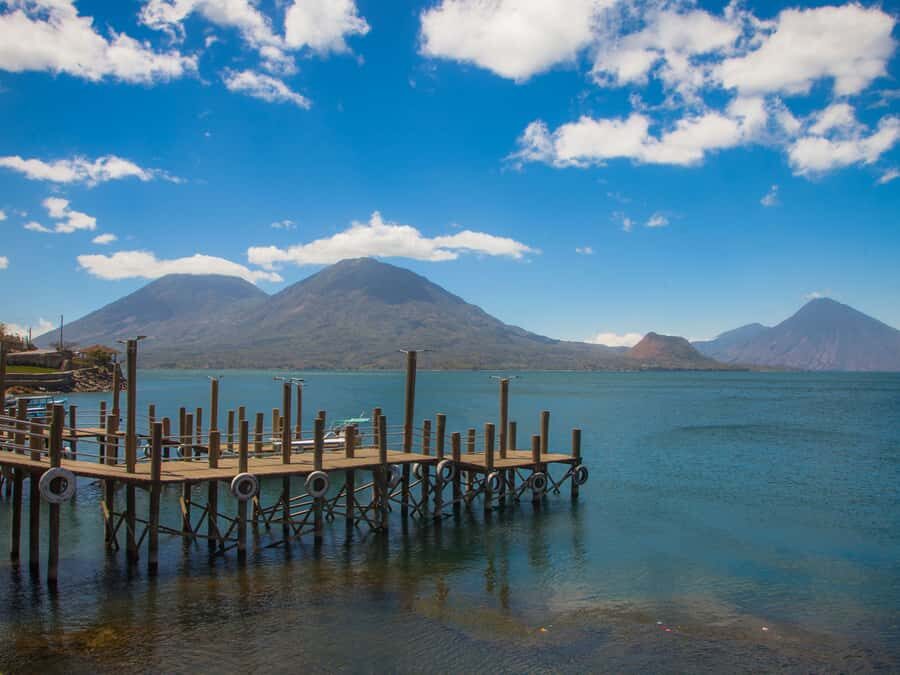
Lake Atitlán has plenty of visitor zones. This home stay intentionally avoids them. You’re in Sololá Department, in the community of San Jorge La Laguna, where you’ll experience day-to-day life close to the way families actually live.
What makes the location special is the goal of the program. The home stay started to give something back to surrounding communities and to offer you a genuine look at customs and routines. That means the value isn’t in fancy facilities. The value is in access: you’re invited into a real household rhythm, with a local family that welcomes guests.
You should also know what this means emotionally. The first moments can feel shy or quiet, especially if you’re not fluent. The good news is that villagers are described as friendly and welcoming once you get past the first bit of awkwardness. If you come in with patience, you’ll notice people trying to connect through conversation, gestures, and shared time.
You can also read our reviews of more tours and experiences in Guatemala.
Getting there from Panajachel and how the 14-hour rhythm works
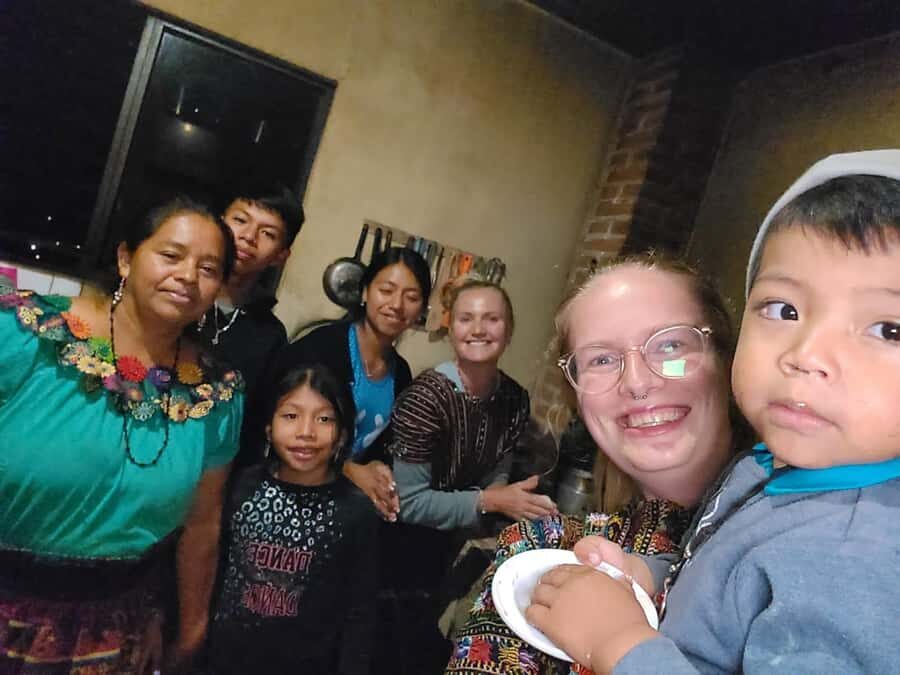
This is a 14-hour experience with round-trip transport from Panajachel to the Mayan family. It’s scheduled through Marvelus Travel, and the host or greeter is Spanish-speaking.
Group size is capped at 10 participants, which matters more than you might think. In a smaller group, it’s easier to keep your interactions respectful and less distracting for the family. You’re also more likely to get actual back-and-forth conversation instead of being rushed through a checklist.
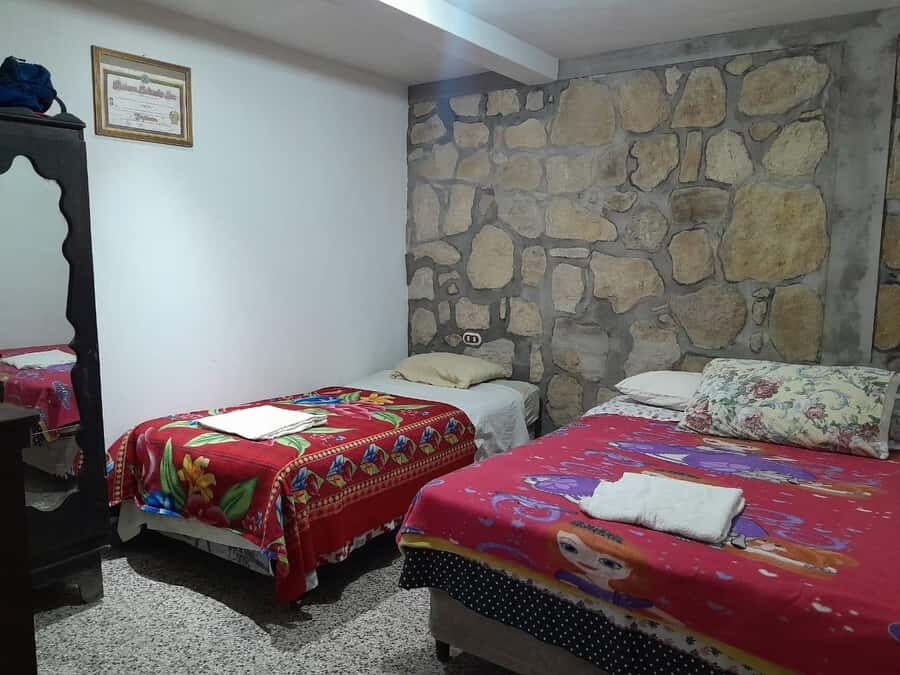
Accommodation is part of the deal. You’ll have a private room, but the bathroom is shared. That’s a trade-off you should understand ahead of time: you’re getting privacy to sleep, while the household keeps its usual shared setup. The experience also says you’ll stay where locals live, not in Panajachel center—so you’re trading convenience for authenticity.
Timing-wise, you’ll move from pickup to meeting your host family, then into home life: eating together, participating in activities with the mother, and spending the night in the home. The next morning includes breakfast before you return.
If you want extra time, you can stay one or more additional nights with the family. That’s a great option if you’d like fewer transitions and more real conversation.
Dinner and breakfast in the home: why it feels worth $45
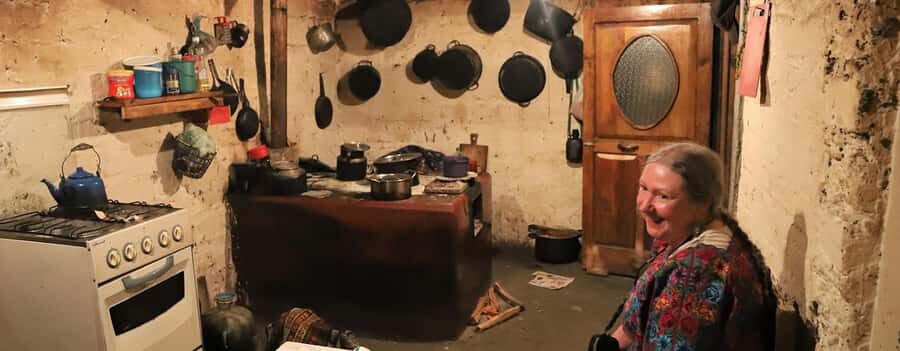
Let’s talk value in plain terms. At $45 per person for a long day that includes transportation, a private sleeping room, and meals cooked at home, you’re not just paying for an activity. You’re paying for full access to family time.
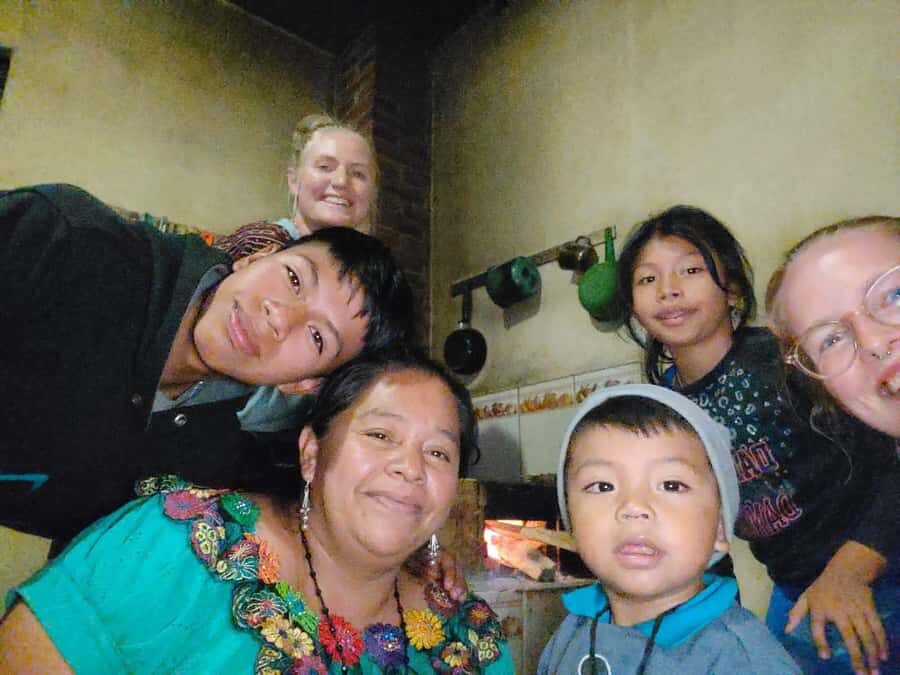
Dinner and breakfast are included, and both are prepared by the mother of the family. That matters because the meal isn’t just a perk. It’s when you’ll actually slow down and connect. Food turns language barriers into simple communication: you ask what things are, you taste, you compare notes, you share the table.
This is also why the homestay format usually beats a tour bus day. You’re not only watching. You’re sitting, eating, and responding like a guest in the home—same family table, same household pace.
One practical note: the setup is home-based, so expect basic living conditions rather than hotel-like comfort. The goal here is not convenience. The goal is contact with everyday culture.
The tortilla lesson: where culture becomes hands-on
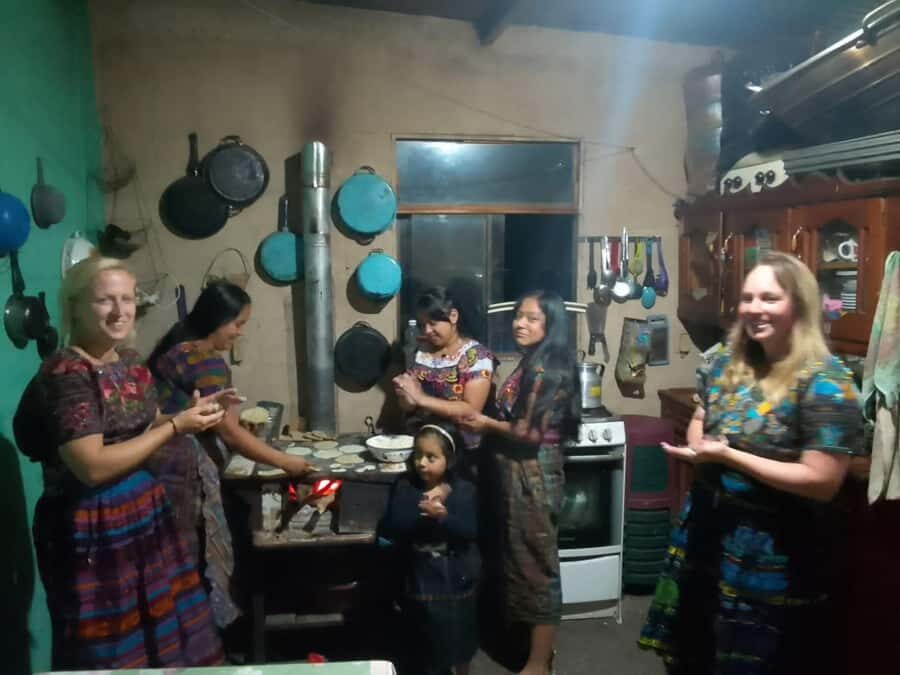
The highlight list is clear for a reason: the mother of the family teaches you how to make tortillas, and you’ll cook with her in her home.
This is one of those experiences that gives you something you can remember in your hands, not just on your camera. Tortillas are part of daily life, and learning the process—how ingredients come together, how dough is handled, how cooking happens—turns cultural understanding into something practical.
And yes, it’s also a language moment. Cooking creates instant needs: pass this, watch that, try again, ask what this step is called. If you know even a small amount of Spanish, you’ll feel it pay off quickly.
A detail worth keeping in mind: the program’s culture focus is family-led. That means you’re not being taught from a scripted presentation. You’re learning in context, from the person who makes it at home every day.
Kaqchikel language practice: useful, and sometimes harder than you expect
Here’s the real-world piece you need to accept before you go: the host can guide you in Spanish, but the family speaks mainly Kaqchikel when they talk with each other. English isn’t listed as a feature of the family.
In practice, that means your Spanish won’t magically cover every conversation, but it still helps. You’ll likely spend time understanding through tone, repetition, and what people are doing around you. If you go with zero Spanish, you’ll still experience daily life, but you’ll miss a chunk of the meaning behind it.
If you want a simple way to prepare, learn a small set of everyday Spanish phrases for food, thanks, and questions about the process. You’re not aiming for perfect grammar. You’re aiming for connection.
Also: you’ll probably notice how much communication happens outside words—especially during meal time and cooking. That’s part of why this format works.
Village exploration with your host family
You’ll have time to explore the local village with the family, and it’s described as family-oriented. This isn’t a self-guided wander with a random map. Your hosts are effectively your guide for what you should notice and what’s appropriate to ask.
The benefit is context. Even if you don’t catch every word, you’ll see how people live, where daily routines happen, and how the community shapes everyday movement. You also get a clearer sense of what is private home space versus public village activity.
And because this is a real neighborhood, you’ll see the everyday noise and energy that comes with family life. One review notes that families have kids, and it can get loud. That’s not a problem to fix—it’s part of what you’re visiting. Go in with flexibility.
Clothing for photos: traditional dress as a respectful moment
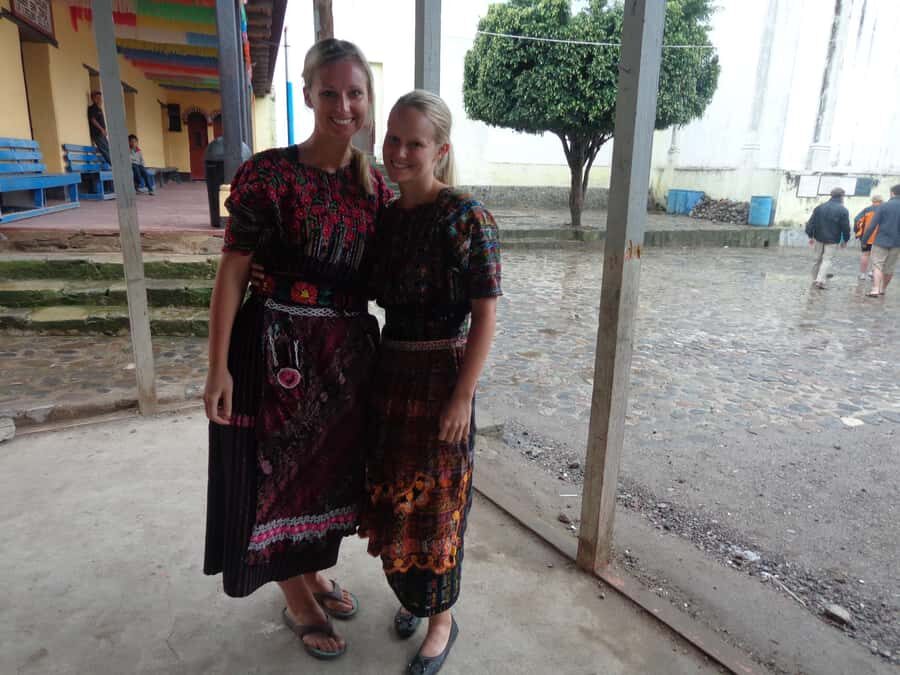
You’re included in visitor dress-up with Mayan clothes for pictures. This can be a fun, memorable part of the day, especially if you treat it as a shared photo moment rather than an outfit giveaway.
The cultural tip here is to be mindful and follow your hosts’ lead. If they guide when and how photos happen, follow that. Remember: this is not about taking as many pictures as possible. It’s about participating appropriately.
How to handle your camera in a village home
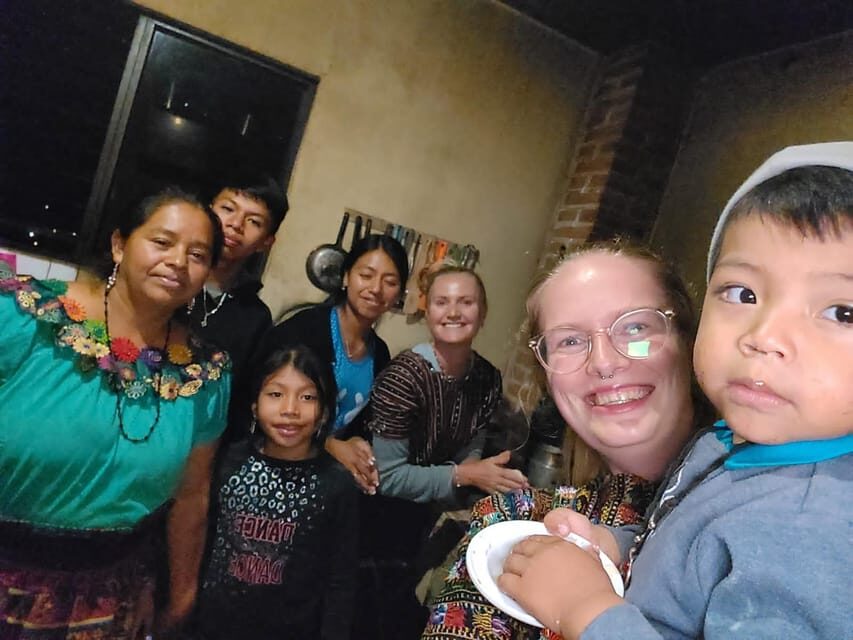
Photo etiquette matters here. The experience specifically advises that if you take photos of people in the village, you should always ask before taking them.
That’s not just a polite suggestion. In a small community, consent is personal and immediate. If someone says no, you move on. If they say yes, you still keep it respectful and not overly intrusive.
One more camera reality: if you’re hoping for crisp, model-like portraits, you might feel disappointed by the lighting and basic home setting. Instead, treat it like what it is: candid moments and everyday scenes. The best shots often come when you pause, talk, and earn trust first.
Sleeping at a basic home: privacy included, comfort not guaranteed
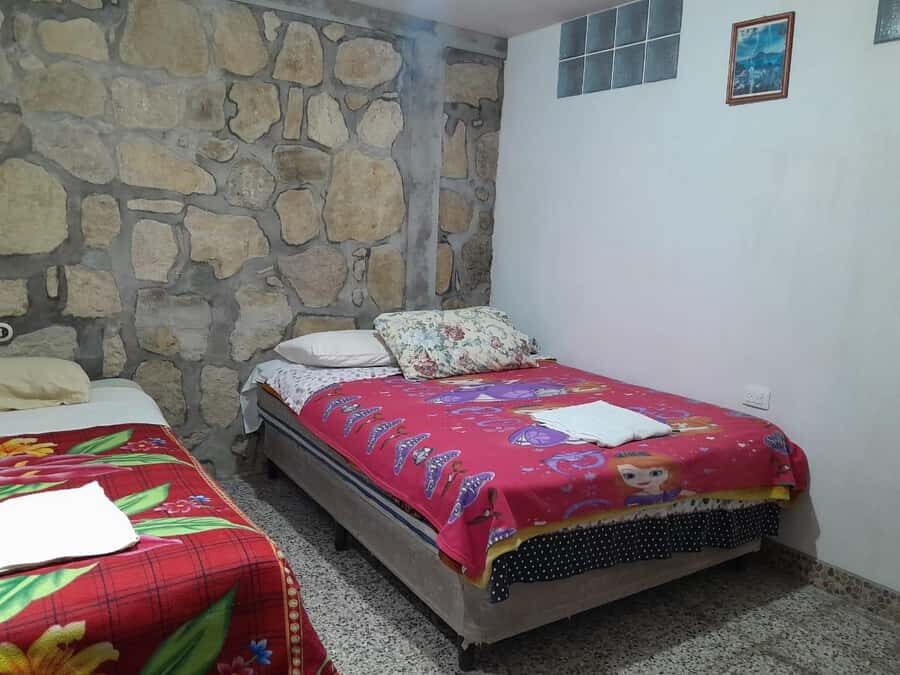
Your room is private, but the bathroom is shared. Housing in San Jorge La Laguna is described as basic, and that’s part of the authenticity.
So what should you expect from your own comfort checklist?
- You may be staying somewhere that’s less polished than what you’re used to.
- You’ll likely notice the sounds of family life, including kids.
- You’ll be close to the daily rhythm instead of insulated from it.
The good part is that you’re in a safe neighborhood, and the entire format is designed to make guests feel welcome. One review even mentions a rooftop view, which is exactly the kind of small comfort that can make a basic place feel special.
Bring a camera, and also bring a mindset adjustment. Treat this like a home visit, not a hotel stay.
Optional: the downhill walk to the lake for a boat return
If you have extra time near the end of the day, there’s a practical tip worth considering: one person recommended walking down to the lake to grab a boat back. They mention it’s about 3 km / 1.9 miles downhill, and it’s described as beautiful.
I’m not saying it’s part of every schedule, because the main plan includes round-trip transport. But if you’re timing your own travel or adding a little time by the water, this is the kind of local navigation tip that can save money and add a scenic moment.
Just remember: you’re walking downhill, so coming back up can be tougher than it looks on a map.
Who should book this home stay, and who should skip it
This experience fits best if you want:
- A small group cultural contact
- Real home life with a Kakchiquel family
- Food-centered learning (especially tortillas)
- Spanish practice with a real Spanish-speaking greeter and a family that mostly speaks Kaqchiquel
It may be less ideal if:
- You need fluent English on the spot
- You want hotel comfort and polished facilities
- You’re uncomfortable with basic housing and shared bathroom arrangements
- You dislike noise or kid energy in residential settings
The biggest deciding factor isn’t your appetite for adventure. It’s your willingness to communicate with imperfect language and to treat the home as someone’s private space.
If that sounds like your style, you’ll probably have a memorable experience for all the right reasons.
Price and value: what $45 buys you in real terms
At $45 per person for about 14 hours, you’re paying for:
- Round-trip transportation from Panajachel
- Private room with shared bathroom
- Dinner and breakfast cooked by the mother
- Interaction time with the family
- Tortilla-making instruction in the home
- Traditional Mayan clothing dress-up for photos
- Village exploration guided by the family
For the Lake Atitlán area, meals and lodging alone can easily take a big chunk of a day’s budget. Here you also get cultural participation that goes beyond watching from a distance.
The value equation changes if you already plan to spend a lot on lodging and meals—or if you’re the kind of traveler who wants more than “see and leave.” If you want to feel how everyday life works, not just take a photo of it, this price starts to look fair fast.
Should you book Mayan Home Stay San Jorge La Laguna?
Book it if you want a day that turns into a relationship: sharing meals, cooking, walking with your hosts, and learning culture through daily routines. This is especially good if you can bring at least basic Spanish and you’re comfortable with simple, home-style living.
Skip it if your priority is English-first comfort or if you need a polished, tourist-friendly environment. This isn’t built for that.
If you do book, go in with three attitudes: patience at the start, respect for privacy and photos, and a willingness to communicate through actions as much as words. That’s what makes this kind of home stay work.
FAQ
Where does the home stay take place?
It takes place in Sololá Department, in the village of San Jorge La Laguna near Lake Atitlán.
How long is the experience?
The duration is listed as 14 hours.
How much does it cost?
The price is $45 per person.
What’s included in the price?
Included are round-trip transport from Panajachel to the family, dinner and breakfast, a private room with a shared bathroom, interaction time with the family, a tortilla-making lesson with the mother, dress-up in Mayan clothes for pictures, and exploration of the village guided by the family.
Will I be staying in Panajachel city center?
No. You won’t stay in the Panajachel center. You stay where locals live in a safe neighborhood.
What language is used during the experience?
The host or greeter speaks Spanish. The family is described as speaking mainly Kaqchiquel with each other.
Is English spoken by the family?
English is not listed as available. The experience notes that the family is not English spoken.
What kind of room and bathroom setup should I expect?
You get a private room, but the bathroom is shared.
Can I take photos?
You should ask before taking photos of people in the village.
What should I bring?
Bring a camera.
Is it refundable if my plans change?
Free cancellation is offered up to 24 hours in advance for a full refund.