REVIEW · GUATEMALA CITY
From Guatemala City: Chichicastenango and Lake Atitlan
Book on GetYourGuide →Operated by Gray Line Guatemala · Bookable on GetYourGuide
Markets and churches, in one big highland day. This tour threads together Chichicastenango’s market colors with the mix of Mayan and colonial layers inside Santo Tomás Church. You’ll see how indigenous dress isn’t just tradition here; it’s also a moving, living part of the town’s daily trade.
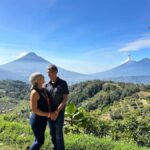
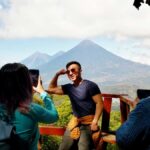
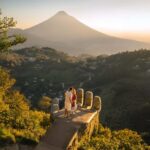
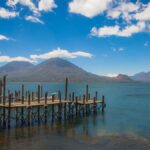
I also love the payoff at Lake Atitlán from Panajachel, with those three volcanoes (Tolimán, Atitlán, and San Pedro) framing the water. One real drawback to plan for: this is a long day of road time, and conditions can vary, so you’ll want patience for traffic and schedule slippage.
In This Review
- Key points worth knowing
- Why this route feels so Guatemala
- The ride: how the day can feel long (and how to cope)
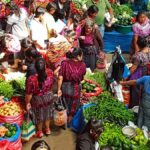
- Chichicastenango market: the color you can actually touch
- Santo Tomás Church: where colonial meets older layers
- Lunch time: plan for your own bite
- Panajachel and Santander Street: the lake view with names attached
- Holy Week note: if you travel in April
- Who this tour fits best (and who should skip it)
- Price and value: is $80 worth a long day?
- Tips to make your day more comfortable
- Should you book this Chichicastenango and Lake Atitlán day?
- FAQ
- What locations does the tour pick up from?
- How long is the experience?
- What’s included in the price?
- Is lunch or any food included?
- What stops are included during Holy Week?
- Is the guide bilingual?
- What group size should I expect?
- Is the tour suitable for people with mobility impairments?
- What should I bring?
- Are pets allowed?
Key points worth knowing
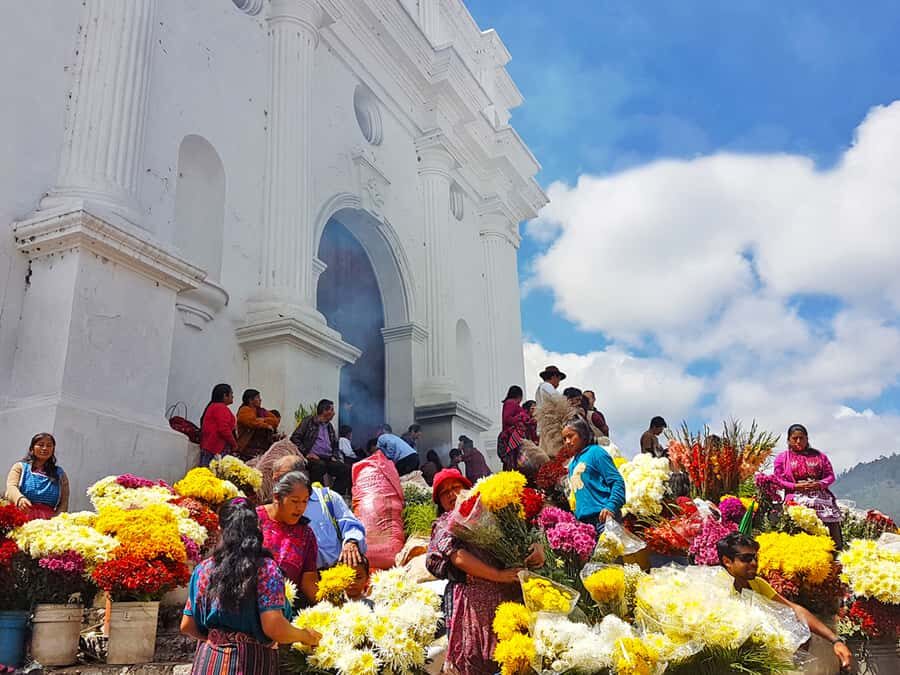
- Market day matters: Chichicastenango’s central plaza is especially active on Thursday and Sunday.
- Santo Tomás Church is the cultural hinge: it sits on the base of an older pre-Hispanic temple.
- Panajachel gives you the big lake picture: you’ll head to Santander Street for wide views.
- Expect lots of driving: the itinerary is built around distance between Guatemala City/Antigua, the highlands, and the lake.
- Holy Week changes the plan: during Holy Week (starting April 8), you’ll visit Chichicastenango market only, not Lake Atitlán.
- Small group, bilingual guide: limited to 15 people, with English and Spanish.
Why this route feels so Guatemala
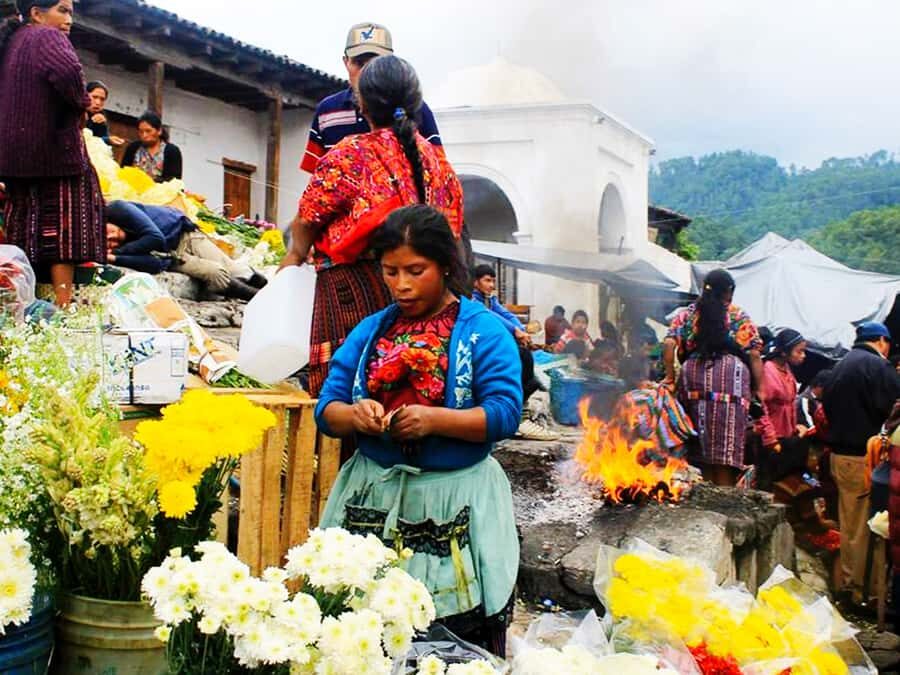
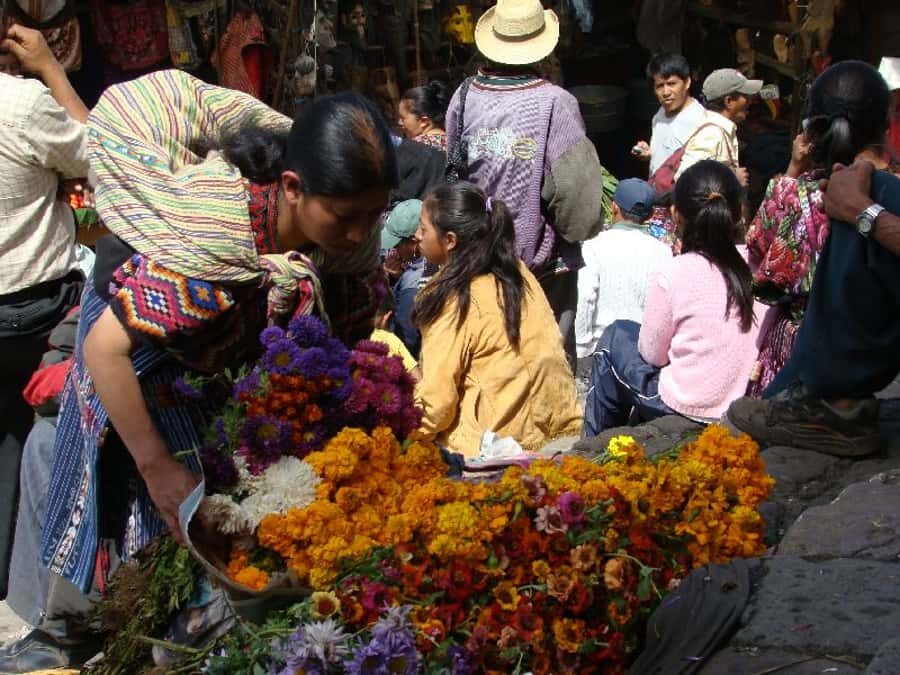
This day tour is built around a simple idea: Western Highlands Guatemala shows up best when you see culture at work, not just culture as a photo backdrop. Chichicastenango is one of those places where the market isn’t staged. It’s the center of commercial life, and people come to buy, sell, bargain, and snack—all while keeping their identity highly visible through daily clothing.
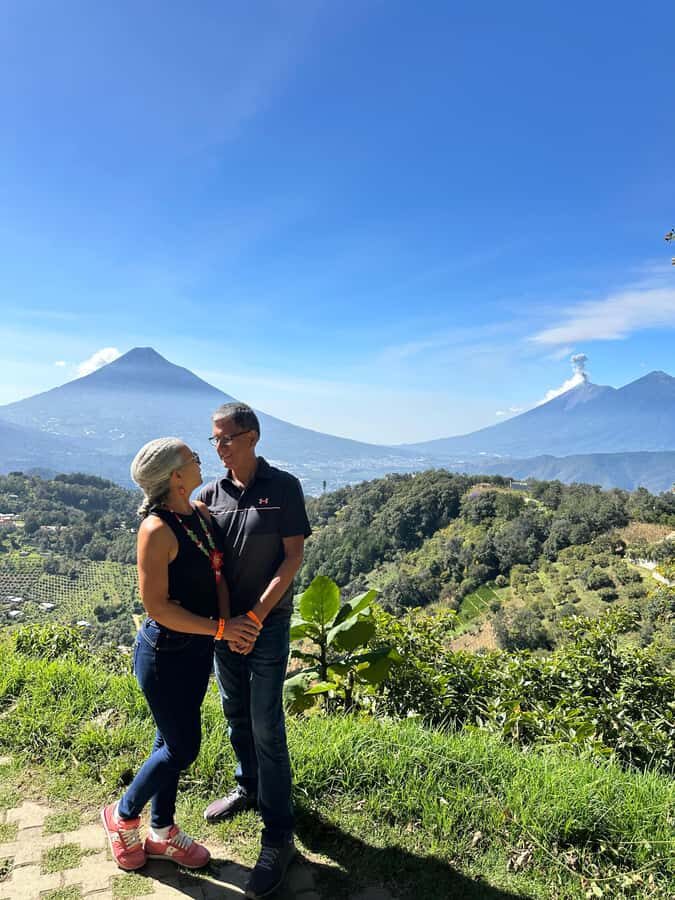
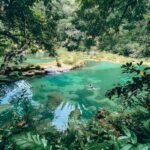
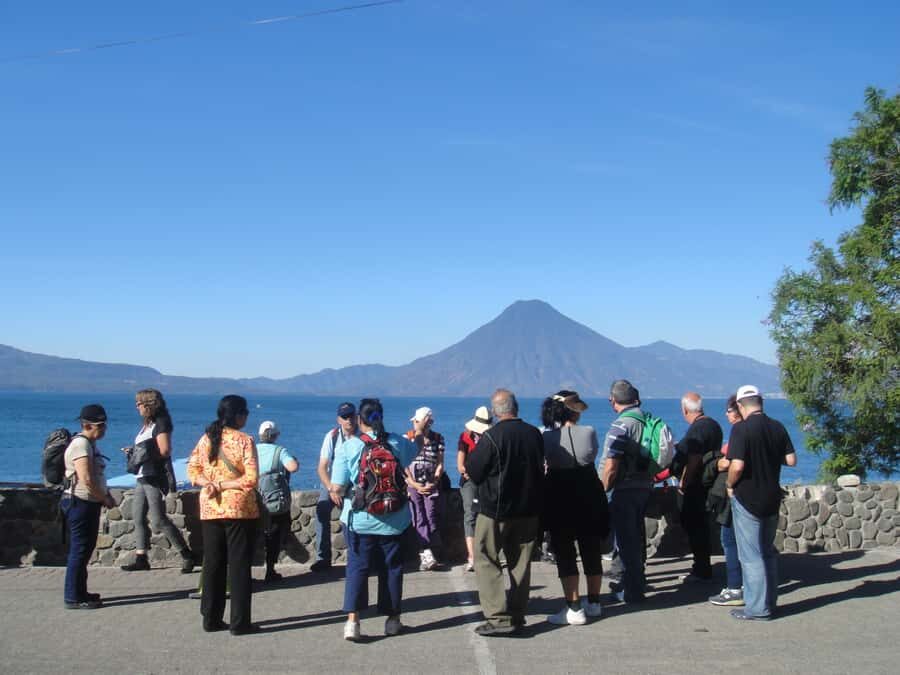
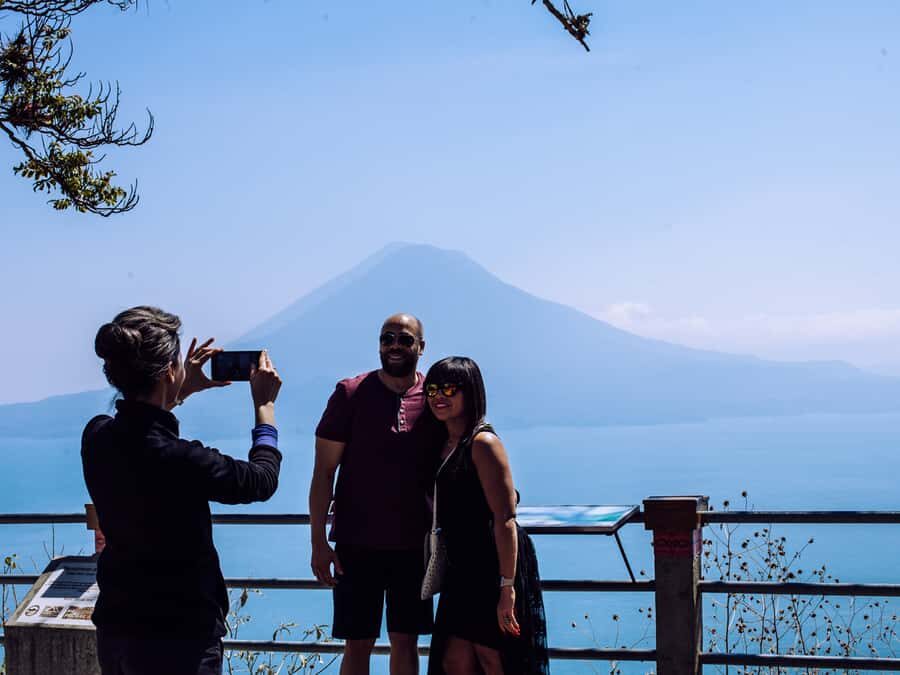
Then you shift to Lake Atitlán, which locals and longtime travelers talk about like it’s a world-class view. It helps that the lake has real structure: the water sits at about 1,560 meters above sea level and covers roughly 125 square kilometers. And yes, the view is anchored by those three volcanoes—Tolimán, Atitlán, and San Pedro—so you get a clear “where to look” frame rather than a vague horizon.
You can also read our reviews of more city tours in Guatemala City
The ride: how the day can feel long (and how to cope)
The tour runs about 12 hours, with round-trip hotel transfers from Guatemala City or Antigua. That’s a lot of time on the clock for two main stops plus travel between them. The route also depends on road conditions, and you may hit slower sections as groups funnel through popular areas.
In practice, this means you’ll want to bring a “long-day mindset.” Wear shoes you can walk in comfortably, because the day is not just sitting. Also plan to manage hunger since food and beverages aren’t included. I’d rather be ready with a plan for lunch time (cash, timing, and expectations) than play catch-up when the group is already moving.
Small group size—up to 15 people—is a plus. It can make the day feel less chaotic than bigger buses. Still, you’re traveling between regions, so there’s no magic trick to avoid road time.
Chichicastenango market: the color you can actually touch
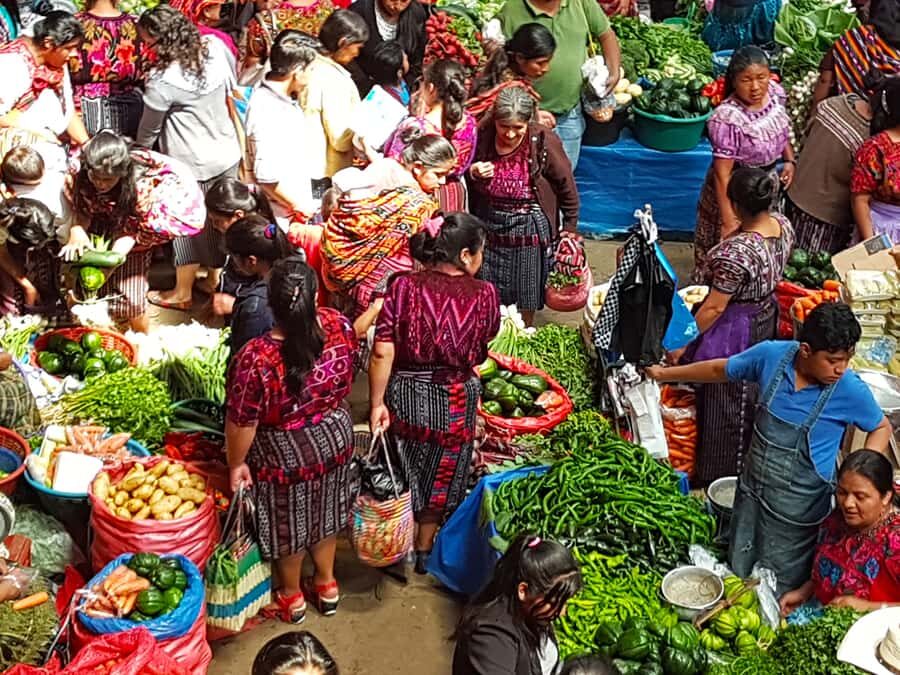
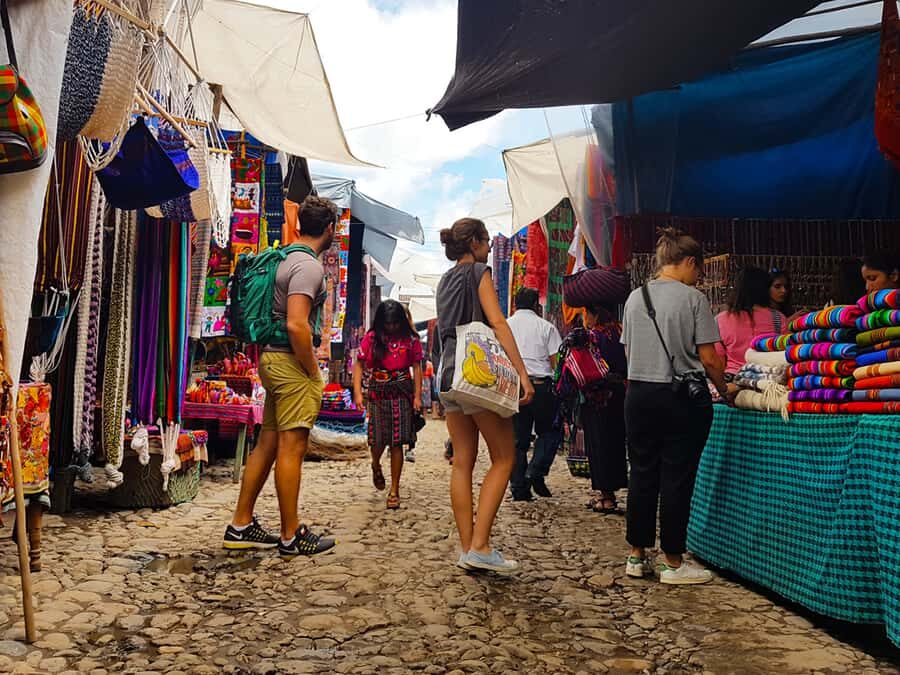
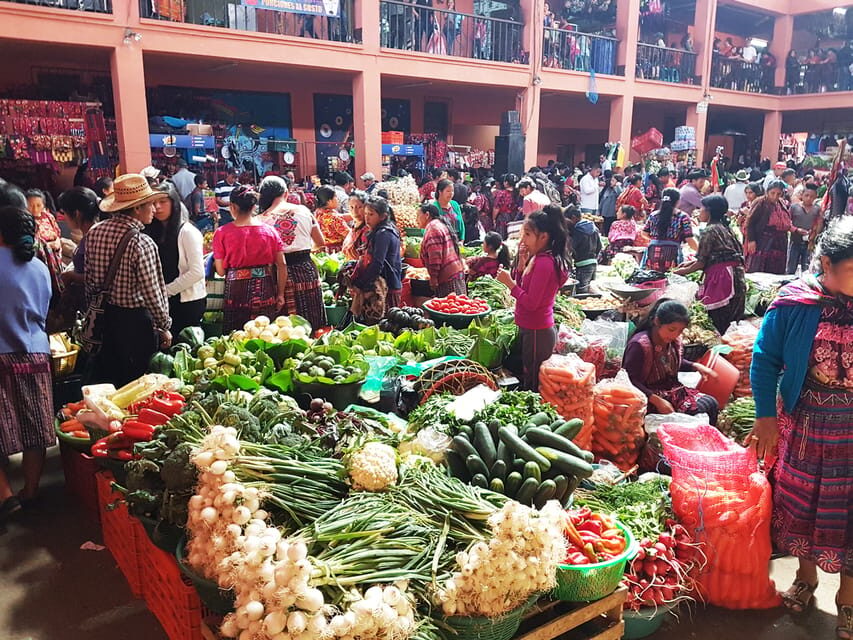
Chichicastenango is the kind of place where you don’t just look at objects—you watch commerce happen. The market is the town’s heart, and it’s tied to indigenous life and the rhythms of the week. A key detail: merchants go down to the central plaza every Thursday and Sunday. If your trip overlaps those days, the market energy tends to feel especially concentrated right where you’ll want to be.
Inside the market, expect a mix of:
- food and everyday items
- handmade objects (from practical to decorative)
- produce and goods that reflect highland life
This is also where you start to understand the “why” behind the famous look. Traditional clothing in Chichicastenango isn’t just scenic. It’s part of identity, age, community, and the visual language of the market. You’ll likely notice how clothing colors and patterns make it easier to spot who’s shopping, who’s selling, and where people have come from.
What to do while you’re there: keep your pace slow. Look up at faces and hands as much as you look at goods. The best memories here often come from small moments—someone showing you what something is made for, or a vendor explaining what they grow or craft.
Santo Tomás Church: where colonial meets older layers
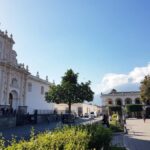
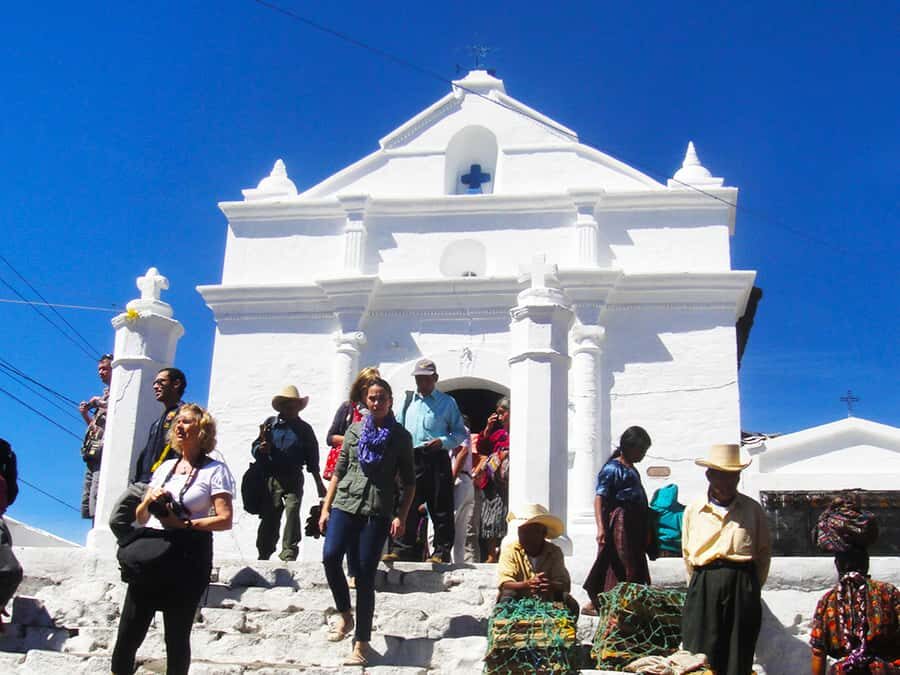
After your market walking time, you visit Santo Tomás Church, known for being built in 1540 over a base of a pre-Hispanic archaeological temple. That fact matters, because it explains why the site feels like two histories occupying the same physical space.
The church is a striking example of architectural mixing. You’ll see how Mayan and Latino influence shows up across both interior and exterior. Even if you’re not a deep architecture person, you’ll probably feel the effect: it’s not a “museum building.” It’s a living landmark layered into daily life.
This is one of those stops where a bilingual guide helps. A good guide doesn’t just recite dates; they connect what you’re seeing to why the place looks the way it does and why people treat it with meaning.
One guide name that stood out in the notes I gathered: Juan Pablo. He’s praised for explaining things in a way that makes the visit click, especially if you want the story behind the colors and materials, not just the sights.
Lunch time: plan for your own bite
You’ll get free time for lunch, and it’s not included. That’s normal for tours like this, but it changes how you should plan your timing. Don’t assume you’ll find quick options right where you’re standing. In a market town, lunch can take longer than expected if you stop for anything beyond a quick snack.
Practical move: treat lunch as a small mission. Decide whether you want sit-down food or fast street options, then eat early enough that you’re not rushing back while the group is preparing to leave.
Panajachel and Santander Street: the lake view with names attached
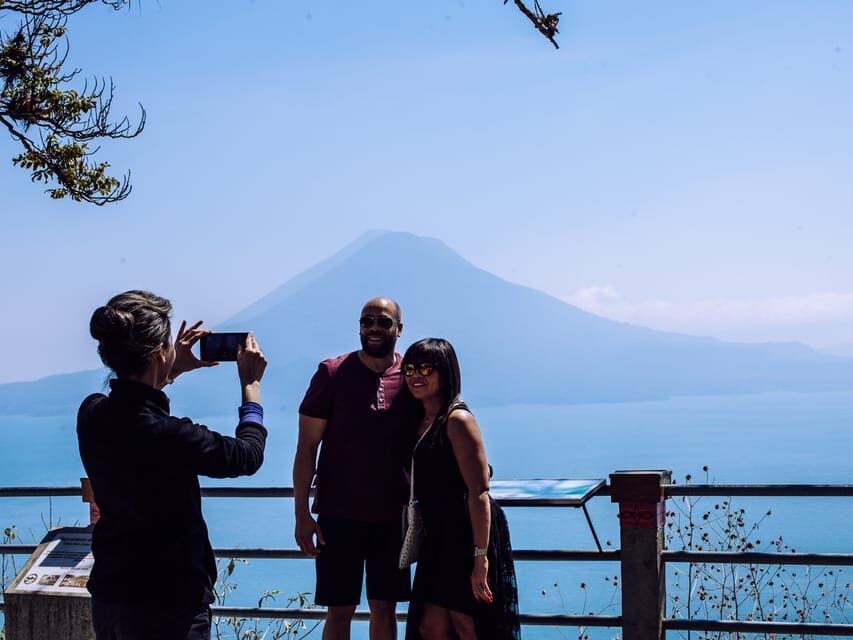
After Chichicastenango, the tour heads to Panajachel, a town sitting directly on Lake Atitlán. Once you arrive, you’ll have time to explore and you’ll visit Santander Street, one of the best places to take in the lake’s wide look.
This isn’t just pretty scenery. When you stand there with a frame in your mind, the lake stops being “a view” and becomes a geography lesson. The lake’s natural frame comes from the three volcanoes:
- Tolimán
- Atitlán
- San Pedro
Because those names are part of the spoken explanation (and easy to repeat), you’ll have something specific to point out in your photos. You’re not guessing what you’re seeing—you’re looking at the lake’s structure.
Panajachel itself is useful as a base for walking and scanning the waterfront mood. You’ll get a feel for how people live with the lake nearby, and you’ll probably notice the difference between highland market pace and lake-town pace. The day’s tone changes, and that contrast is part of the value.
Holy Week note: if you travel in April
If your dates fall during Holy Week starting April 8, the tour only visits Chichicastenango market and does not visit Atitlán Lake due to excessive traffic. This is a big deal. The lake portion is one of the core reasons people book, so if you’re traveling then, confirm your exact plan before you rely on the lake stop.
Think of it this way: during Holy Week, the day becomes a highland-focused tour rather than the full “market plus lake” combo.
Who this tour fits best (and who should skip it)
This experience suits you if:
- you want culture through everyday life, especially indigenous market scenes
- you like a mix of market + landmark + big viewpoint
- you’re okay with a long day and want hotel pickup to reduce stress
You should think twice if:
- you have limited mobility or walking tolerance, because it’s not suitable for people with mobility impairments
- you hate long van rides and tight schedule pressure. Even when things go well, you’re still covering distance and timing between regions.
If you’re the type who plans ahead, brings good walking shoes, and treats the trip as a full-day outing rather than a quick hit, you’ll likely enjoy it a lot.
Price and value: is $80 worth a long day?
At $80 per person, the price can feel fair or steep depending on what you want from the day.
Here’s what you’re getting for that cost:
- round-trip hotel transfers from Guatemala City or Antigua
- a bilingual guide (English and Spanish)
- guided time in Chichicastenango market plus the Santo Tomás Church stop
- guided scenic time at Panajachel (including Santander Street views)
- a small group capped at 15
The trade-off is time and flexibility. You’re paying for structure and reduced logistics work, but you don’t control traffic and you don’t control how long the day runs. Some people experience delays and long stretches of road time. If your priority is comfort and you’re sensitive to cramped seating, you might find the day less satisfying than the price suggests.
My take on value: this is good value if you want the cultural “center of the town” experience in Chichicastenango and the named-volcano lake viewpoint from Panajachel, and you’re fine with the day being full-on.
Tips to make your day more comfortable
The tour asks for comfortable shoes, and I’d follow that closely. Add these personal upgrades:
- bring a hat and sunglasses for sun during viewpoint time
- pack a camera (this is the kind of day you’ll want proof, not just memory)
- keep snacks or simple energy buys in mind for your pacing, since food isn’t included
- wear layers if you get cold in vehicles, since highland days can shift
Also, if you’re picky about photo angles, give yourself a few extra minutes at Santander Street. Views are better when you’re not rushing the moment.
Should you book this Chichicastenango and Lake Atitlán day?
Book it if you want a classic Western Highlands pairing: market life in Chichicastenango plus a big Lake Atitlán viewpoint from Panajachel. The small group, bilingual guide, and the combination of market and Santo Tomás Church make it more than just “two stops on a map.”
Skip or reconsider if you’re mobility-limited or strongly uncomfortable with long road time and possible delays. The itinerary is distance-heavy by design, and that part can make the day feel longer than the clock says.
If you can travel on a day when the market feels full—especially Thursday or Sunday—and you’re ready to walk, eat on your own schedule, and enjoy the culture in motion, this is a solid use of one day.
FAQ
What locations does the tour pick up from?
The tour includes round-trip hotel transfers from Guatemala City or Antigua.
How long is the experience?
The duration is 12 hours.
What’s included in the price?
You get round-trip hotel transfers plus a bilingual guide in English and Spanish.
Is lunch or any food included?
No. Food and beverages are not included. You’ll have free time for lunch.
What stops are included during Holy Week?
During Holy Week (starting April 8), the tour visits the Chichicastenango market only and does not go to Lake Atitlán due to excessive traffic.
Is the guide bilingual?
Yes. The guide is bilingual in English and Spanish.
What group size should I expect?
It’s a small group limited to 15 participants.
Is the tour suitable for people with mobility impairments?
No. The tour is not suitable for people with mobility impairments.
What should I bring?
You should bring comfortable shoes. A hat, sunglasses, and a camera are also recommended.
Are pets allowed?
No, pets are not allowed.